
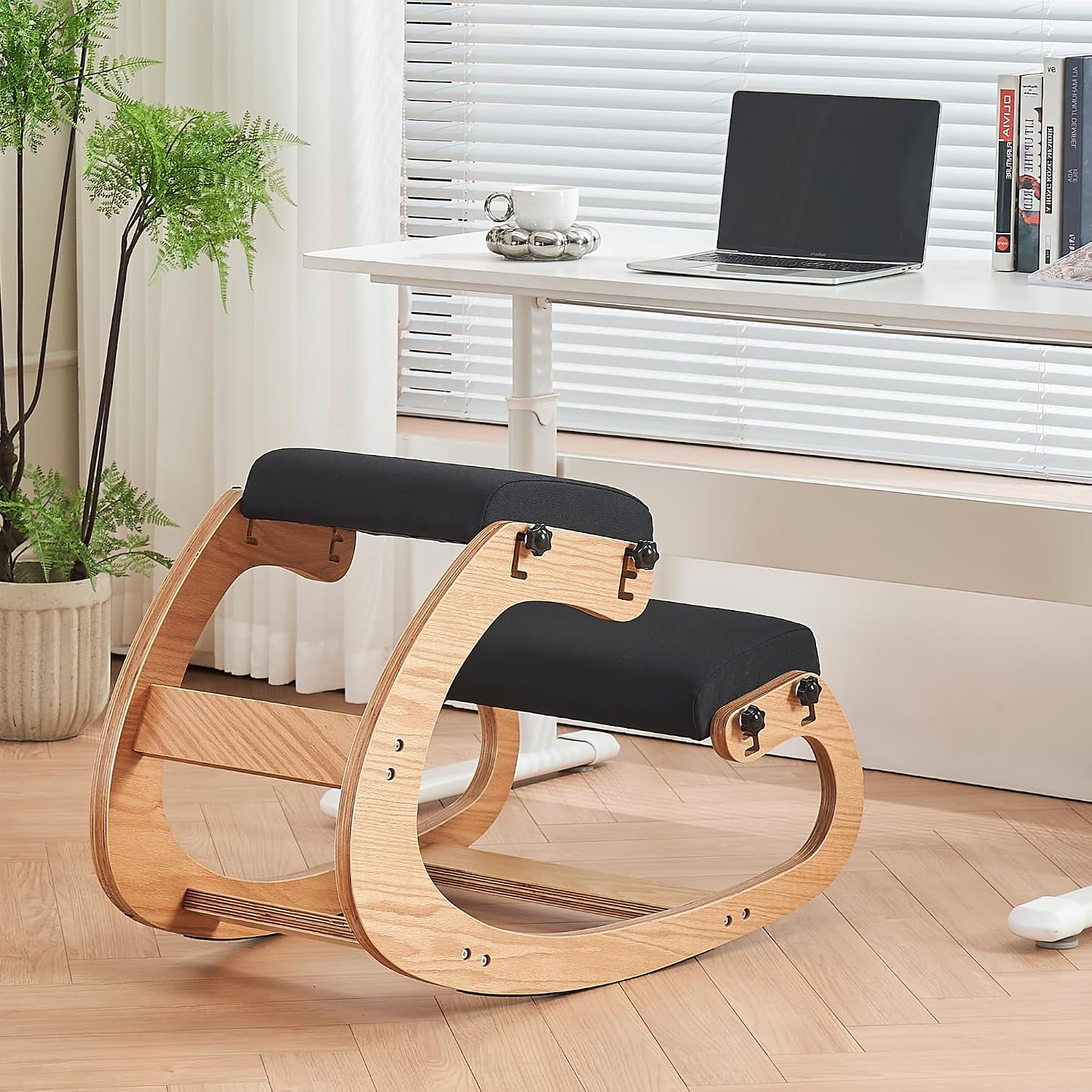
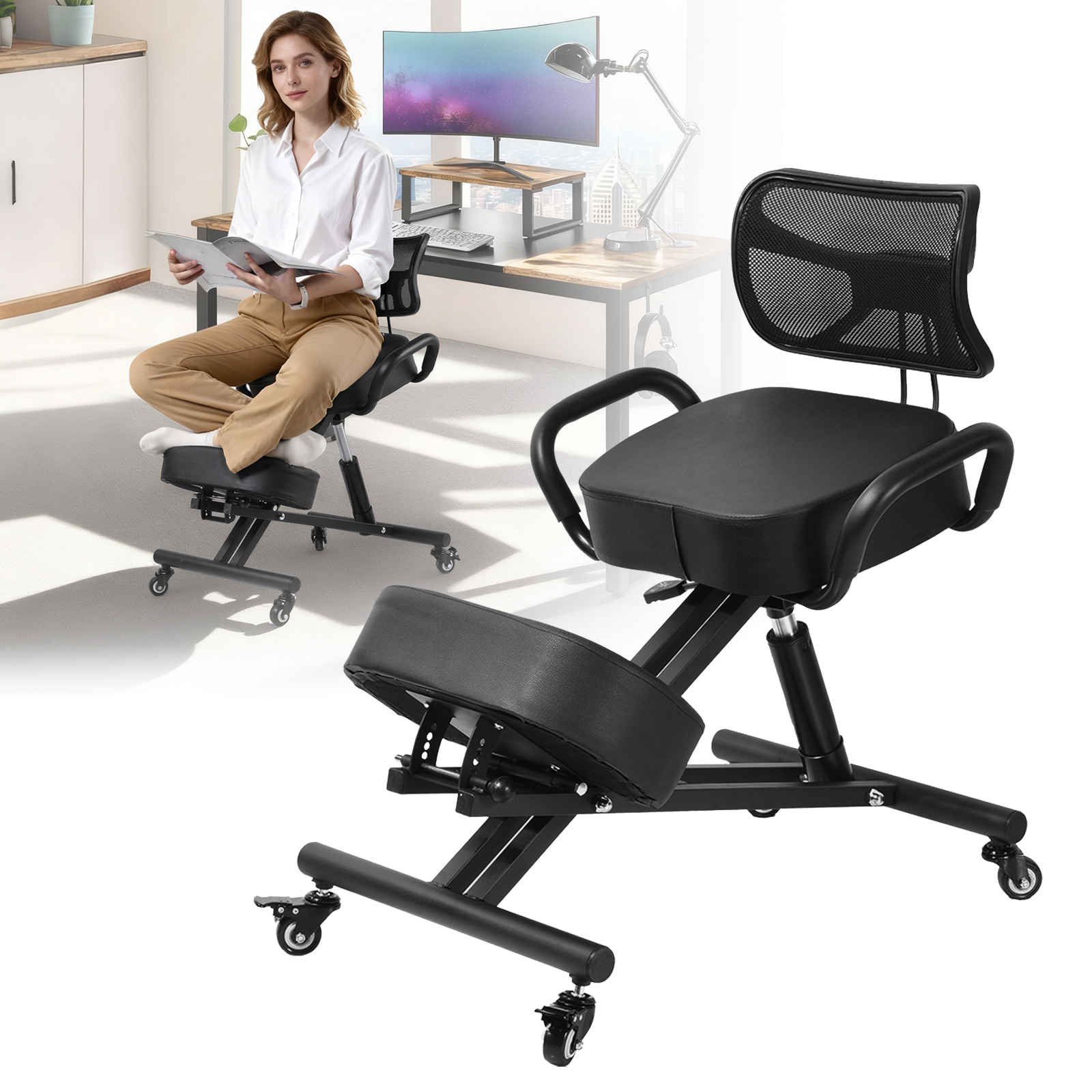
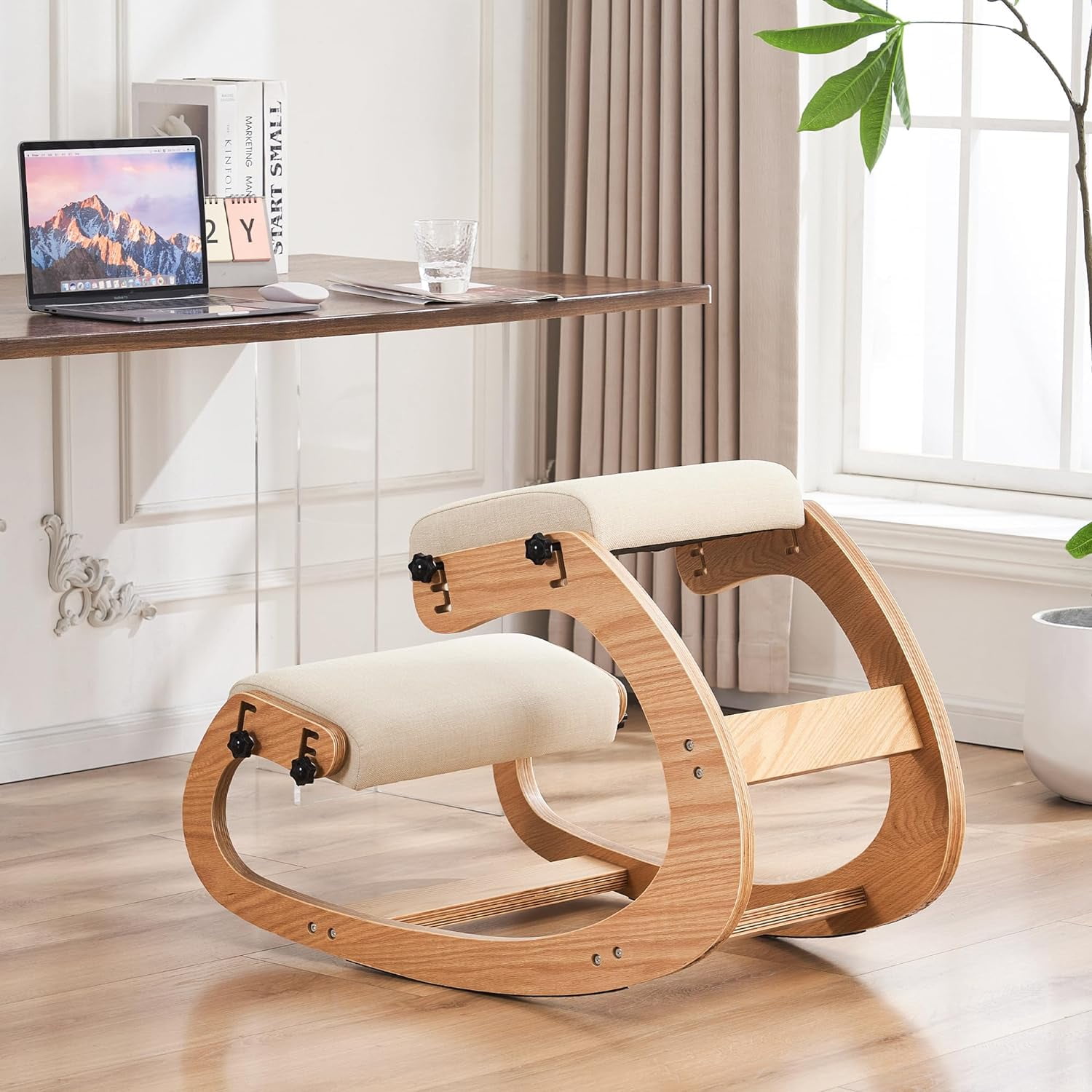
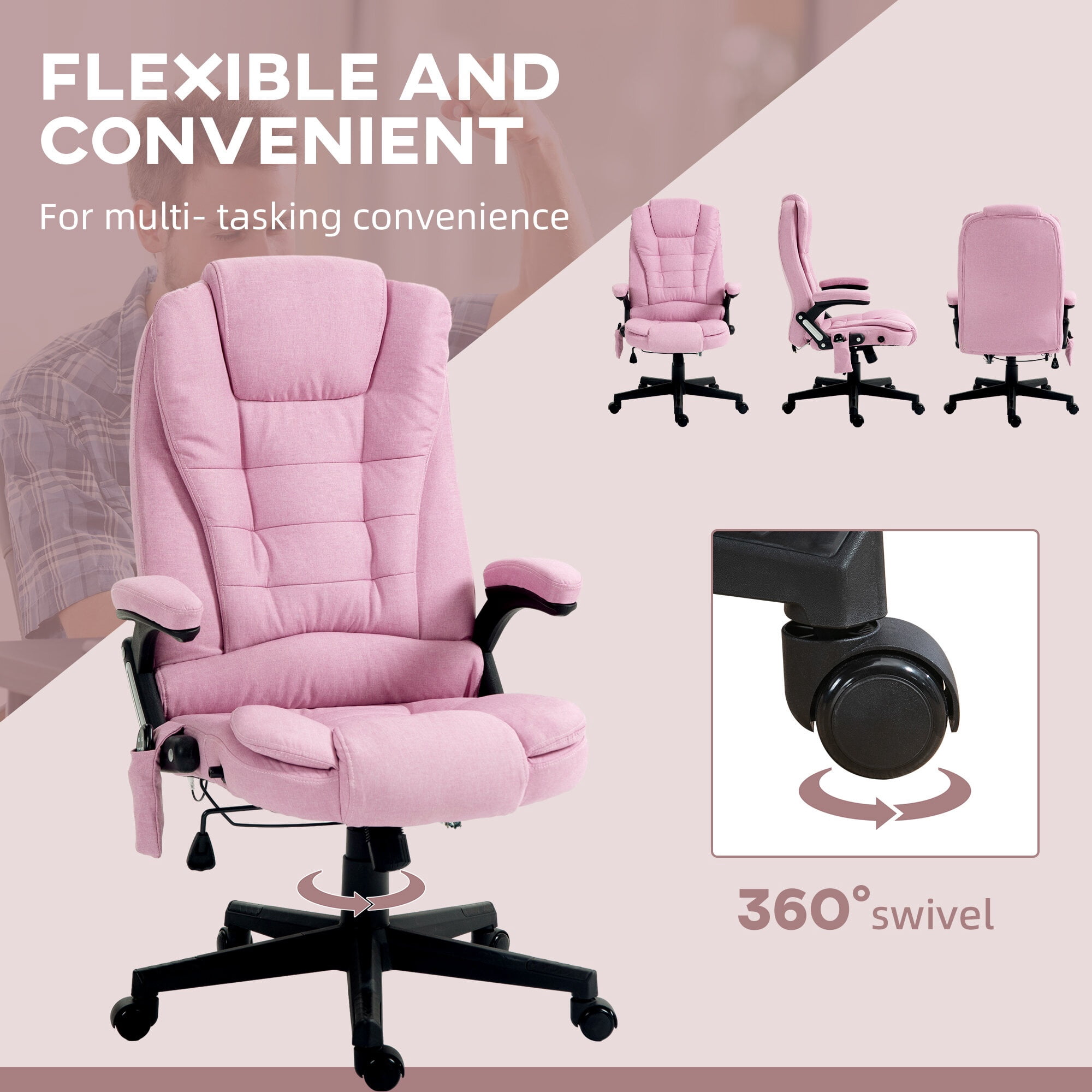
Why Your Back and Hips Are Suffering (And How the Right Chair Fixes It)
When you sit for extended periods, your body's natural alignment is compromised. The spine loses its S-curve, the hips tighten into flexion, and the pelvis tilts backward. This posture increases pressure on the lumbar discs by up to 40% compared to standing. For those with existing conditions like sciatica, herniated discs, or hip bursitis, this pressure can be unbearable.
Ergonomic Fact: Research from the Journal of Physical Therapy Science indicates that using a properly adjusted ergonomic chair with dynamic lumbar support can reduce lower back muscle activity by 22% and hip flexor tension by 18%, significantly alleviating pain triggers.
The Anatomy of a Pain-Relief Chair
Not all ergonomic chairs are created equal. To target both back and hip pain, a chair must incorporate specific biomechanical principles. Here's what separates a standard office chair from a therapeutic seating solution:
- Dynamic Lumbar Support: Unlike static cushions, advanced chairs offer adjustable depth and height lumbar mechanisms that move with you, maintaining the natural lordotic curve of the lower spine.
- Pelvic Stabilization Seat: The seat cushion should have a slight forward tilt capability (5-10 degrees). This opens the hip angle to 110-120 degrees, reducing strain on the hip flexors and sacroiliac joint.
- Pressure-Reducing Foam: High-density, multi-layer foam with memory foam top layers prevents "bottoming out," which causes direct pressure on the ischial tuberosities (sit bones) and sciatic nerve.
- Waterfall Seat Edge: A curved front edge eliminates sharp pressure behind the knees, promoting better blood circulation and reducing compensatory tension in the hips.
How to Choose the Perfect Chair for Your Condition
Selecting a chair for back and hip pain requires a methodical approach. Follow this step-by-step evaluation to ensure your investment brings relief.
Step 1: Identify Your Primary Pain Points
- Lower Back & Sciatica: Prioritize chairs with active lumbar support that moves with the spine and a seat depth adjustment to avoid pressure on the back of the thighs.
- Upper Back & Neck: Look for a high-back chair with an adjustable headrest that supports the cervical spine, preventing compensatory hunching that affects the lower back.
- Hip & Piriformis Pain: Focus on seat cushioning with a "cut-out" or "pelvis pocket" design, and ensure the chair allows for a forward seat tilt to open the hip angle.
Step 2: Test the Adjustability Range
- Seat Depth: Must slide forward/backward. Ideal depth leaves 2-3 fingers gap behind the knees.
- Armrests: 4D adjustable (height, width, angle, pivot) to keep shoulders relaxed and spine neutral.
- Recline Tension: Allows you to lean back smoothly without sudden drops, encouraging micro-movements that nourish spinal discs.
Step 3: Material Matters for Temperature & Support
- Breathable Mesh: Ideal for warmer climates or those who tend to get hot. Offers firm, consistent support.
- Premium Fabric/Leather: Better for colder environments. Ensure it has high-resilience foam to prevent sagging.
Lower Back Pain (Lumbar)
• Active lumbar support that adjusts in & out
• Synchronized tilt mechanism to maintain spine angle
• Seat pan angle adjustment to reduce disc pressure
Hip & Sciatica Relief
• Forward-tilt seat feature (5-15 degrees)
• Wide, contoured seat cushion to distribute weight
• Height-adjustable armrests to offload upper body weight
Upper Back & Shoulders
• High backrest with adjustable headrest
• Shoulder relief cutouts in the back frame
• Recline lock at multiple angles for postural variation
Understanding Seat Foam and Pressure Distribution
One of the leading causes of hip pain during prolonged sitting is inadequate seat foam density. Standard foam compresses over time, creating a "hard spot" that presses against the gluteal muscles and sciatic nerve. For back and hip pain relief, look for chairs that specify the foam's density rating.
| Foam Type | Density (lbs/ft³) | Pain Relief Benefit | Longevity |
|---|---|---|---|
| High-Resilience (HR) Foam | 2.5 - 3.5 | Excellent rebound, supports sit bones evenly, reduces pressure points | 8-12 years |
| Memory Foam | 3.0 - 5.0 | Conforms to body shape, ideal for sciatica and hip sensitivity | 5-7 years |
| Multi-Layer Hybrid | Varies | Combines support core with soft top layer for optimal comfort and spinal alignment | 7-10 years |
| Standard Polyurethane | 1.5 - 2.0 | Minimal support; often leads to "bottoming out" and increased hip pressure | 2-3 years |
Posture Correction: Beyond the Chair
While the right chair is foundational, integrating movement and posture awareness multiplies the benefits. An office chair designed for back and hip pain acts as a tool to encourage neutral alignment, but your habits matter equally.
- The 20-8-2 Rule: Every 20 minutes, stand for 8 minutes and move for 2 minutes. This prevents hip flexor tightening and spinal disc compression.
- Foot Placement: Keep feet flat on the floor or on a footrest. This stabilizes the pelvis and reduces lower back strain.
- Screen Height: Ensure your monitor is at eye level to prevent forward head posture, which directly impacts thoracic and lumbar alignment.
Expert Insight: Physical therapists recommend chairs with "micro-adjustability." The ability to make small adjustments throughout the day allows your body to shift positions, preventing the static loading that causes back and hip pain. Look for chairs with at least 8 distinct adjustment points.