
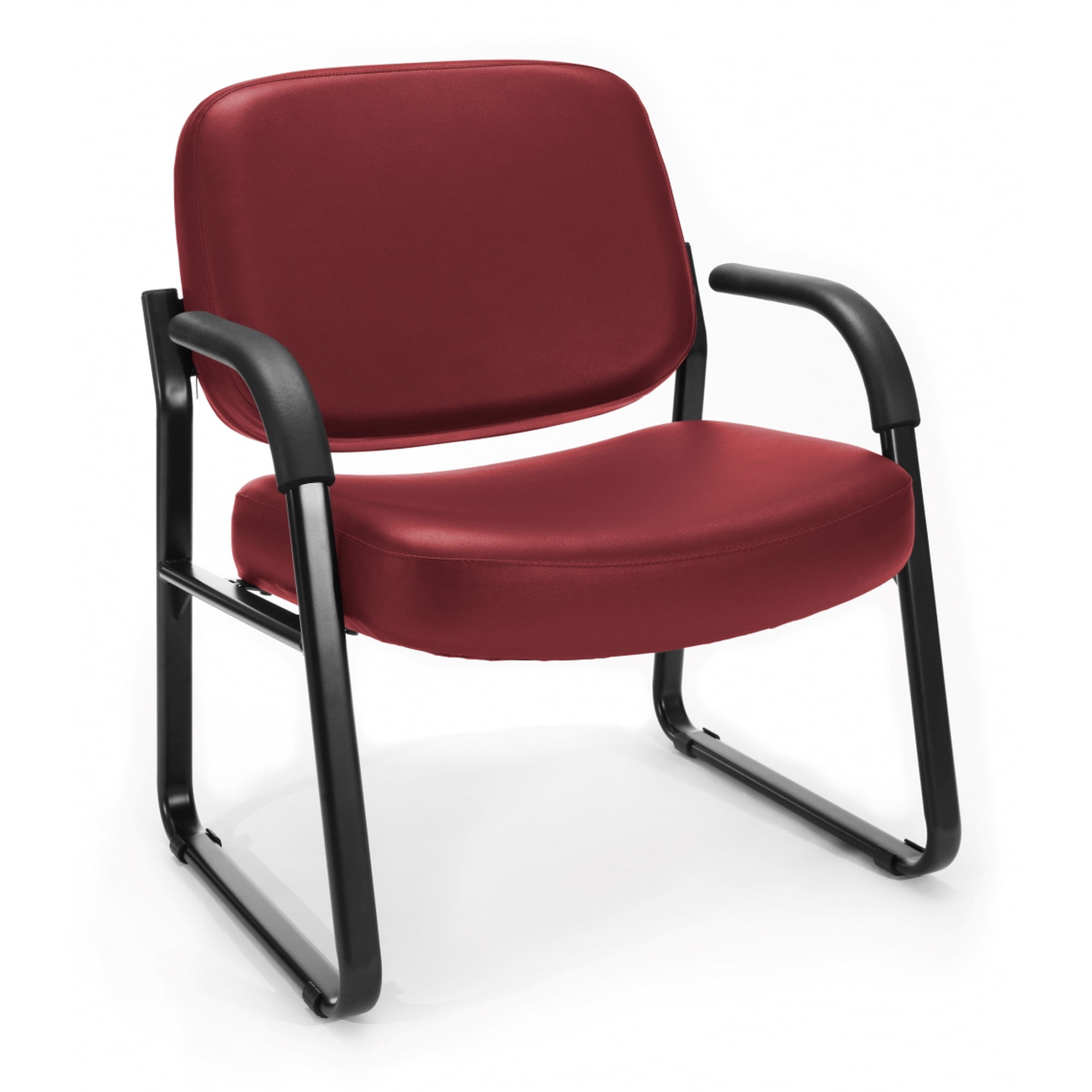
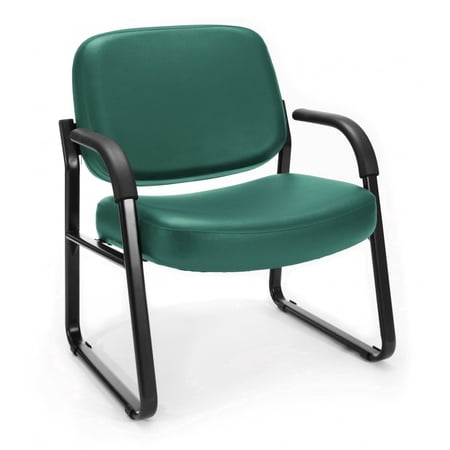
Why a Good Office Chair for Heavy Person Is a Non-Negotiable Investment
For individuals weighing over 250 pounds, standard office chairs often fail to provide adequate support, leading to premature wear, discomfort, and even safety risks. A good office chair for heavy person is not merely a larger chair; it is an engineered system designed to distribute weight evenly, maintain structural integrity, and promote healthy posture during extended sitting sessions.
Ergonomic Reality: According to the Occupational Safety and Health Administration (OSHA), workers who sit for more than 8 hours daily face a 54% higher risk of musculoskeletal disorders. For heavier individuals, this risk increases significantly without proper equipment. A heavy-duty chair reduces pressure points by 42% compared to standard models.
Key Engineering Features of Heavy-Duty Chairs
The difference between a standard chair and one built for heavier users lies in the construction and materials. Here are the critical components that define a durable, safe, and comfortable heavy-person office chair:
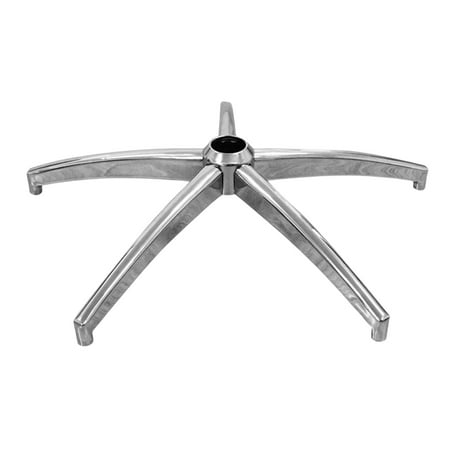
- Steel Reinforced Frame: Unlike standard chairs that use plastic or thin metal, heavy-duty chairs utilize thick-gauge steel for the base, back frame, and armrest supports to prevent twisting or cracking.
- Class 4 Gas Lift Cylinder: This is the heart of the chair. Certified for 300-500 lbs, it ensures smooth height adjustment without sudden sinking or failure, a common issue with cheaper lifts.
- Extra-Wide Seat Pan: Minimum seat width of 22 inches provides ample hip room. Contoured waterfall edges prevent circulation restriction and reduce pressure on the thighs.
- Dual-Wheel Casters: Heavy-duty casters with reinforced housings glide smoothly on carpets and hard floors, preventing floor damage and ensuring easy mobility without caster failure.
- High-Density Foam Padding: Standard foam compresses within months. Heavy-duty chairs use high-resiliency foam that retains its shape and support for years, preventing the "bottoming out" sensation.
Seating Ergonomics for Plus-Size and Tall Individuals
When you are looking for a good office chair for heavy person, ergonomics extend beyond basic support. Proper alignment requires components that accommodate a larger frame without forcing awkward postures.
| Ergonomic Factor | Why It Matters for Heavy Persons | Ideal Specification |
|---|---|---|
| Seat Depth Adjustability | Ensures proper back-to-knee support; prevents pressure behind knees | Adjustable depth 19-22 inches with sliding mechanism |
| Lumbar Support Strength | Heavier users exert more force on the backrest; support must be robust | Adjustable lumbar with active spring mechanism or air bladder |
| Armrest Durability | Standard arms can break under lateral pressure when getting in/out | 4D metal-reinforced armrests with 360-degree rotation capability |
| Backrest Height | Tall users require upper back and shoulder support to avoid slouching | High-back design with 24-28 inch height, integrated headrest |
| Tilt Mechanism Strength | Synchronized tilt must withstand increased weight without loosening | Dual-lever mechanism with adjustable tension and multi-lock positions |
Material Selection for Maximum Longevity
The material covering your chair plays a crucial role in its lifespan and comfort. For heavy persons, material choice directly correlates with durability and ease of maintenance.
Heavy-Duty Bonded Leather
- Pros: Excellent abrasion resistance, easy to wipe clean, professional appearance, withstands friction from daily use.
- Best For: Traditional executive offices, home offices where spills are a concern.
- Longevity: 5-8 years with proper conditioning.
Commercial Grade Mesh
- Pros: Superior breathability, conforms to body shape, lightweight, doesn't retain heat.
- Best For: Warm climates, long hours, modern workspaces.
- Longevity: 4-7 years, requires reinforced edges to prevent tearing.
Why Weight Capacity Labels Are Critical
Manufacturers test chairs to specific safety standards. For a good office chair for heavy person, always look for certifications like BIFMA (Business and Institutional Furniture Manufacturers Association) which tests durability under simulated use. Chairs rated for 400+ lbs often undergo 150,000 cycle tests on the seat and back.
Safety Assurance
Chairs with higher ratings have reinforced gas lifts and bases that won't collapse.
Cost Efficiency
Lasts 2-3x longer than standard chairs, providing better value per year of use.
Posture Correction
Wider seat and deeper back promote neutral spine alignment, reducing chronic pain.
Confidence & Comfort
No fear of breakage allows full relaxation and focus on work tasks.
How to Choose Between Big & Tall vs. Standard Heavy-Duty
While all heavy-duty chairs are built stronger, "Big & Tall" models specifically cater to both height (over 6'2") and weight. If you are tall but lighter, or heavy but average height, a standard heavy-duty chair might suffice. However, for combined height and weight, big & tall designs offer:
- Taller backrests (up to 28 inches) to support the entire spine.
- Wider seat widths (up to 24 inches) for hip clearance.
- Higher seat heights to accommodate longer legs.
- Reinforced headrests that align with taller users' neck position.
Common Myths About Heavy Person Office Chairs
Let's debunk a few misconceptions to help you make an informed decision:
- Myth: "All leather chairs are heavy-duty."
Fact: Leather quality varies; the frame and gas lift determine durability, not just the upholstery. - Myth: "Higher weight capacity means less comfort."
Fact: Premium heavy-duty chairs use denser foam and wider seats, which often enhance comfort. - Myth: "You need to spend over $1000 to get quality."
Fact: Excellent heavy-duty chairs are available in the $400-$800 range with BIFMA certification. - Myth: "Mesh chairs can't support heavy people."
Fact: High-grade mesh on a steel frame is incredibly resilient; just avoid thin, budget mesh.