
Why Your Office Chair Matters for ADHD Management
For individuals with ADHD, the workspace is not just a physical environment—it's a cognitive landscape. Every element either supports focus or fuels distraction. The office chair for ADHD is arguably the most critical piece of this puzzle because it directly interacts with two core ADHD challenges: physical restlessness and sensory regulation.
Neuroscience Insight: Studies in occupational therapy suggest that controlled movement can stimulate the prefrontal cortex, enhancing executive function. The right chair allows for 'permissible fidgeting'—subtle movements that satisfy the brain's need for stimulation without derailing focus. According to Dr. Edward Hallowell, a leading ADHD expert, "Movement can actually help the ADHD brain lock in focus."
The Connection Between Seating, Sensory Input, and Focus
Think of your chair as the anchor of your attention system. If the anchor is uncomfortable or restrictive, your brain constantly sends out 'distress signals'—shifting, squirming, or the urge to stand up. An ADHD-optimized chair acts as a focus partner, not a restraint. Here's how specific features translate to cognitive benefits:
🔄 Dynamic Movement
Chairs with rocking or tilting mechanisms provide kinetic feedback. This continuous micro-movement satisfies the ADHD brain's craving for stimulation, allowing you to 'think on the move' while staying at your desk. It converts restless energy into a focusing tool.
🧘 Postural Freedom
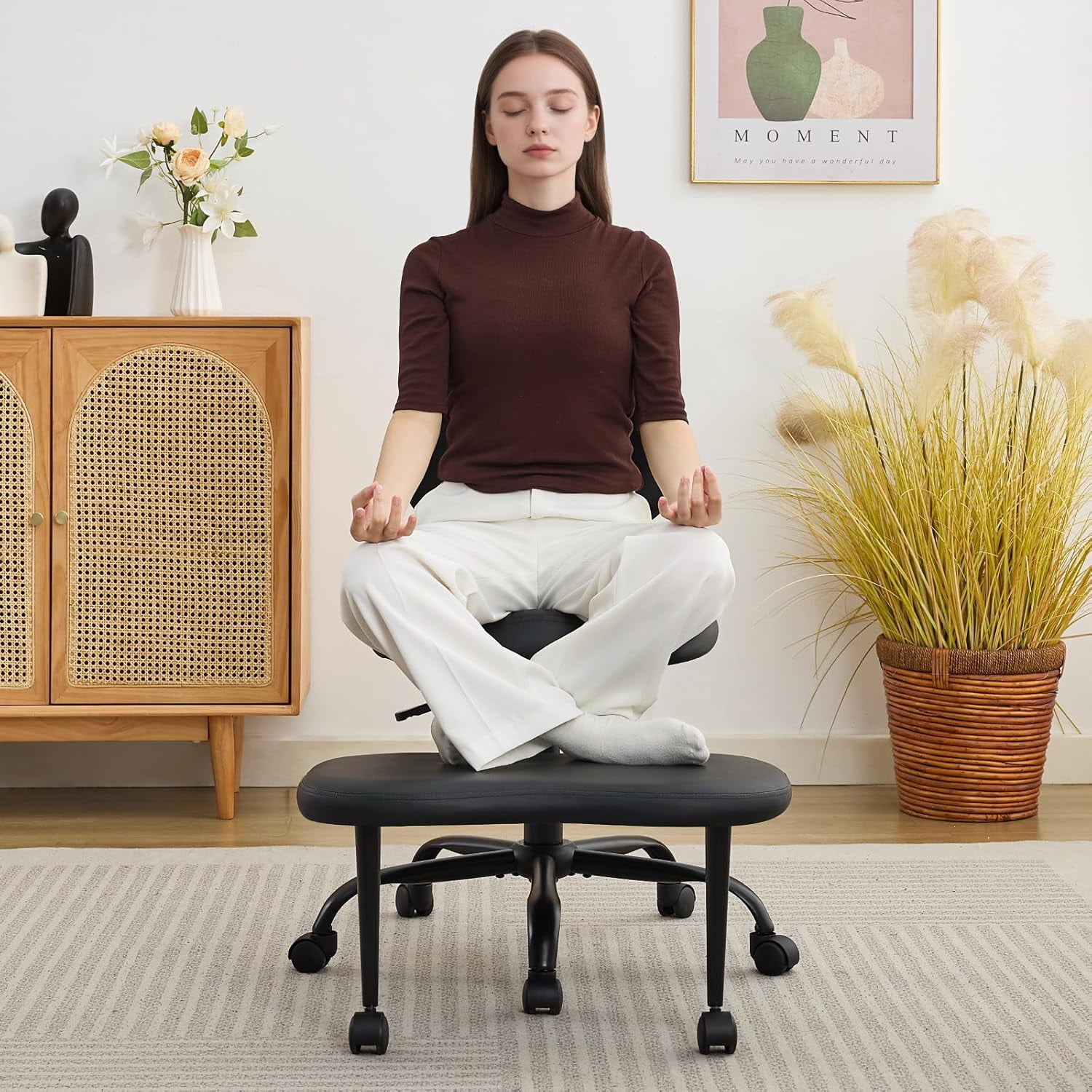
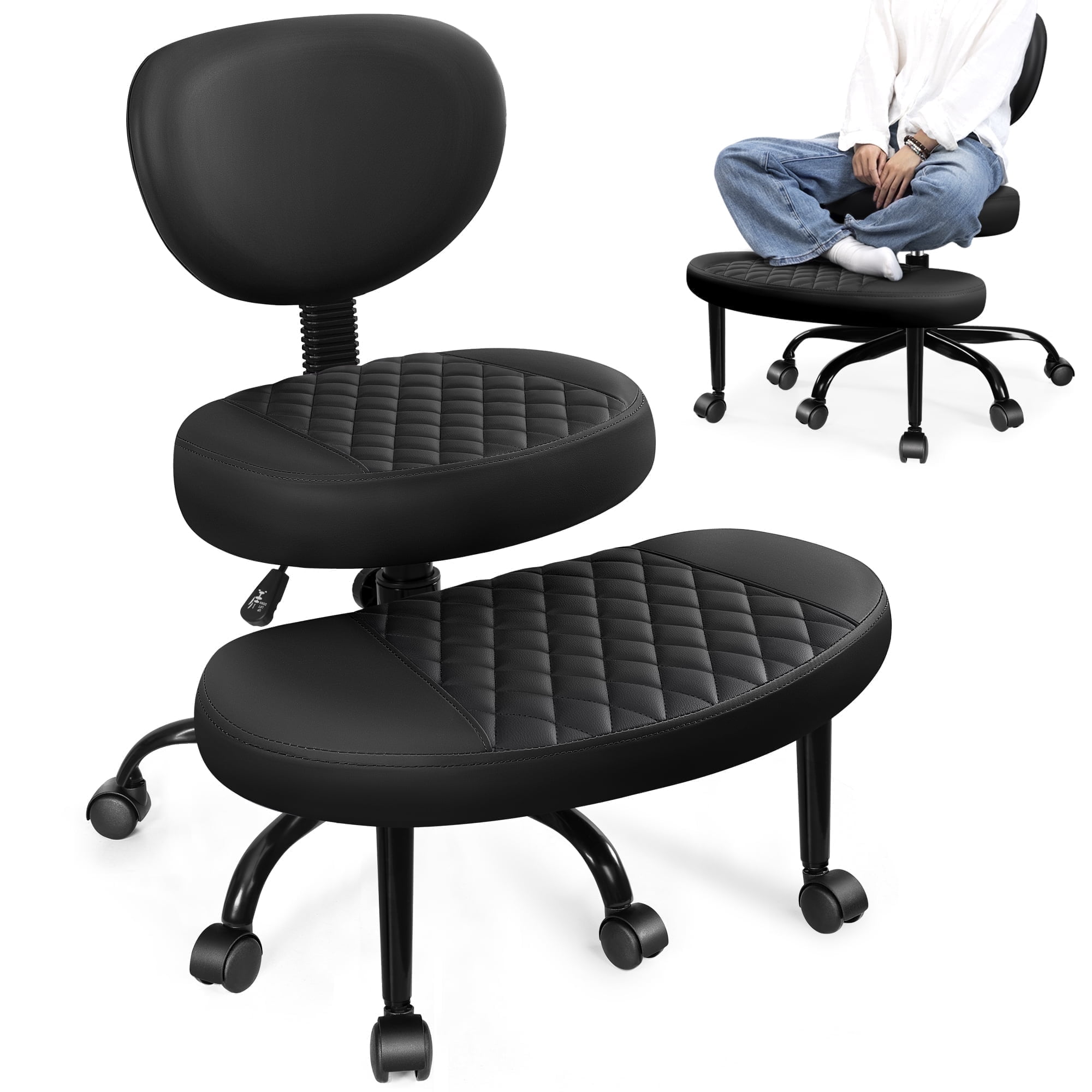
ADHD often comes with a need to change positions frequently—sitting cross-legged, perching, or leaning. A chair with a wide seat pan and adjustable arms accommodates these shifts, preventing the physical discomfort that leads to mental distraction.
🎧 Sensory Regulation
The texture and breathability of the chair material can either calm or agitate sensory sensitivities. Soft, pressure-distributing foam and breathable fabrics reduce 'sensory noise,' helping the brain allocate more resources to the task at hand.
Key Features of an ADHD-Friendly Office Chair
Not all ergonomic chairs are created equal when it comes to supporting the ADHD brain. Look for these specific characteristics to create a workspace that promotes sustained attention:
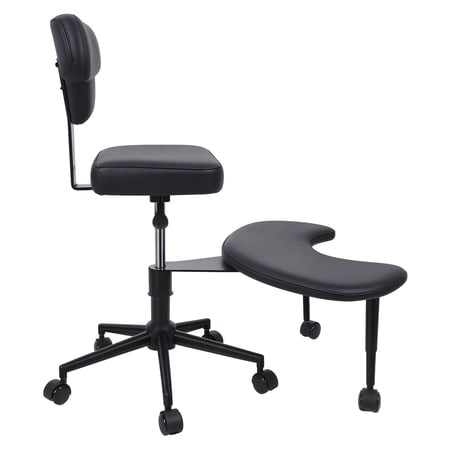
- Active Sitting Mechanism: Chairs with a knee-tilt or forward-tilt function that allow natural rocking.
- Adjustable Lumbar Support: Prevents the 'fidget cycle' caused by lower back fatigue.
- 4D Armrests: Width, height, depth, and pivot adjustments to support various postures.
- Smooth-Rolling Casters: Allows easy transition between tasks without a loud 'screech' that breaks concentration.
- Breathable Material: Mesh or high-quality fabric to prevent overheating (a common ADHD distraction).
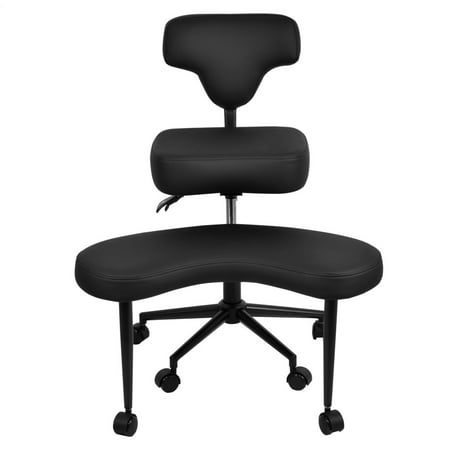
- Generous Seat Depth: Enough space to sit cross-legged or change leg positions comfortably.
- Quiet Mechanism: Hydraulic lifts and recliners that operate silently to avoid auditory distractions.
- Headrest (Optional): Supports the neck during 'thinking mode' when leaning back to process information.
The 'Focus Formula': Matching Chair Dynamics to Work Styles
ADHD presents differently in everyone. Your chair should match your unique work style and sensory profile. Here’s a framework to guide your choice:
| ADHD Work Style | Typical Challenge | Ideal Chair Feature |
|---|---|---|
| The Hyperfocuser | Forgets to move, leading to stiffness and pain that breaks concentration after hours. | Chair with 'reminder' movement—a gentle rocking mechanism that encourages subtle shifts even during deep focus. |
| The Physical Fidgeter | Constant need to tap, shift, or change positions; feels trapped by static seating. | High-quality swivel with smooth casters; wide seat to accommodate leg position changes; flexible backrest. |
| The Sensory Seeker/Avoider | Distracted by textures, temperatures, or pressure points. | Breathable mesh (cool) or plush velvet (soft tactile input); pressure-relieving foam; no hard edges. |
| The Multi-Tasker | Jumps between tasks; needs to rotate, lean, and move frequently. | 360-degree smooth swivel; waterfall seat edge for circulation when leaning forward; multiple recline lock positions. |
Material Psychology: Choosing Textures That Calm
The material of your chair interacts with your sensory system throughout the day. For many with ADHD, sensory input is either distracting or regulating. Consider these material profiles:
✅ Breathable Mesh
- Best for: Those who overheat easily or dislike sticky surfaces.
- Sensory profile: Neutral, cool, and unobtrusive. Minimal tactile distraction.
- Focus benefit: Prevents the 'I'm too hot to think' spiral.
✅ Plush Fabric (Velvet/Performance)
- Best for: Sensory seekers who enjoy soft, gentle textures.
- Sensory profile: Warm, comforting, and enveloping.
- Focus benefit: Provides calming tactile input, reducing the need to seek stimulation elsewhere.
✅ Premium Leather
- Best for: Those who prefer smooth, cool-to-touch surfaces initially.
- Sensory profile: Sleek, professional, but can be cold or sticky depending on climate.
- Focus benefit: Easy to clean and glides smoothly with movement.
⚠️ Bonded Leather / Faux Leather
- Caution: Can peel and become tacky over time, creating an unpleasant sensory experience.
- Sensory profile: Can deteriorate into a sticky, distracting surface.
- Focus impact: Negative if material quality degrades.
Ergonomics Meets Executive Function: A Data Perspective
The link between physical ergonomics and cognitive performance is increasingly clear. While specific ADHD-chair studies are emerging, broader ergonomic research provides compelling evidence:
For the ADHD brain, these statistics are even more critical. Physical discomfort doesn't just cause pain—it hijacks attention. By eliminating the 'noise' of an ill-fitting chair, you free up cognitive bandwidth for deep work.
"Before finding the right chair, I would constantly get up every 20 minutes—not because I was bored, but because my body was uncomfortable. Now, with a chair that allows me to rock gently and shift positions, I regularly complete 2-hour focus blocks. It's like the chair works with my brain, not against it." — Michael R., Software Developer with ADHD
Practical Guide: Setting Up Your ADHD-Friendly Workspace
Once you've selected the right chair, proper setup maximizes its focus-enhancing potential. Follow this step-by-step guide:
- Start with your feet: Ensure your feet rest flat on the floor (or a footrest). Grounding your body physically helps ground your attention.
- Adjust seat depth: You should have 2-3 finger widths between the back of your knee and the seat pan. This prevents pressure that leads to fidgeting.
- Set lumbar support: Position it to fit the curve of your lower back. This 'cradle' feeling reduces the urge to slouch and then readjust.
- Armrest positioning: Set them so your shoulders are relaxed, not hunched. If they restrict movement (like sitting cross-legged), consider removing them temporarily.
- Test the tilt: Unlock the recline mechanism. Allow yourself to rock gently while reading or brainstorming. This movement can unlock creative thinking.
- Monitor height: Your screen should be at eye level to prevent neck strain—another hidden distraction.
The 'Fidget Continuum': From Subtle to Active Movement
Different tasks require different types of movement. An ADHD-friendly chair should support a spectrum of kinetic activity:
Reading/Analysis
Subtle rocking, leaning back
Deep Work
Forward tilt, slight sways
Meetings/Calls
Swiveling, position changes
Brainstorming
Full recline, dynamic motion
Writing/Planning
Perched forward, active sitting
Micro-Breaks
Full back recline, stretch
Beyond the Chair: Complementary Focus Tools
While the chair is foundational, consider these additions to create a holistic ADHD-friendly workspace:
- Foot Fidget Bar: A bar under the desk for foot tapping, reducing leg restlessness.
- Textured Desk Mat: Provides tactile stimulation for hands during thinking pauses.
- Adjustable Standing Desk: Complements the chair by allowing complete posture changes.
- Noise-Canceling Headphones: Pairs with the chair's comfort to create a 'focus cocoon'.