
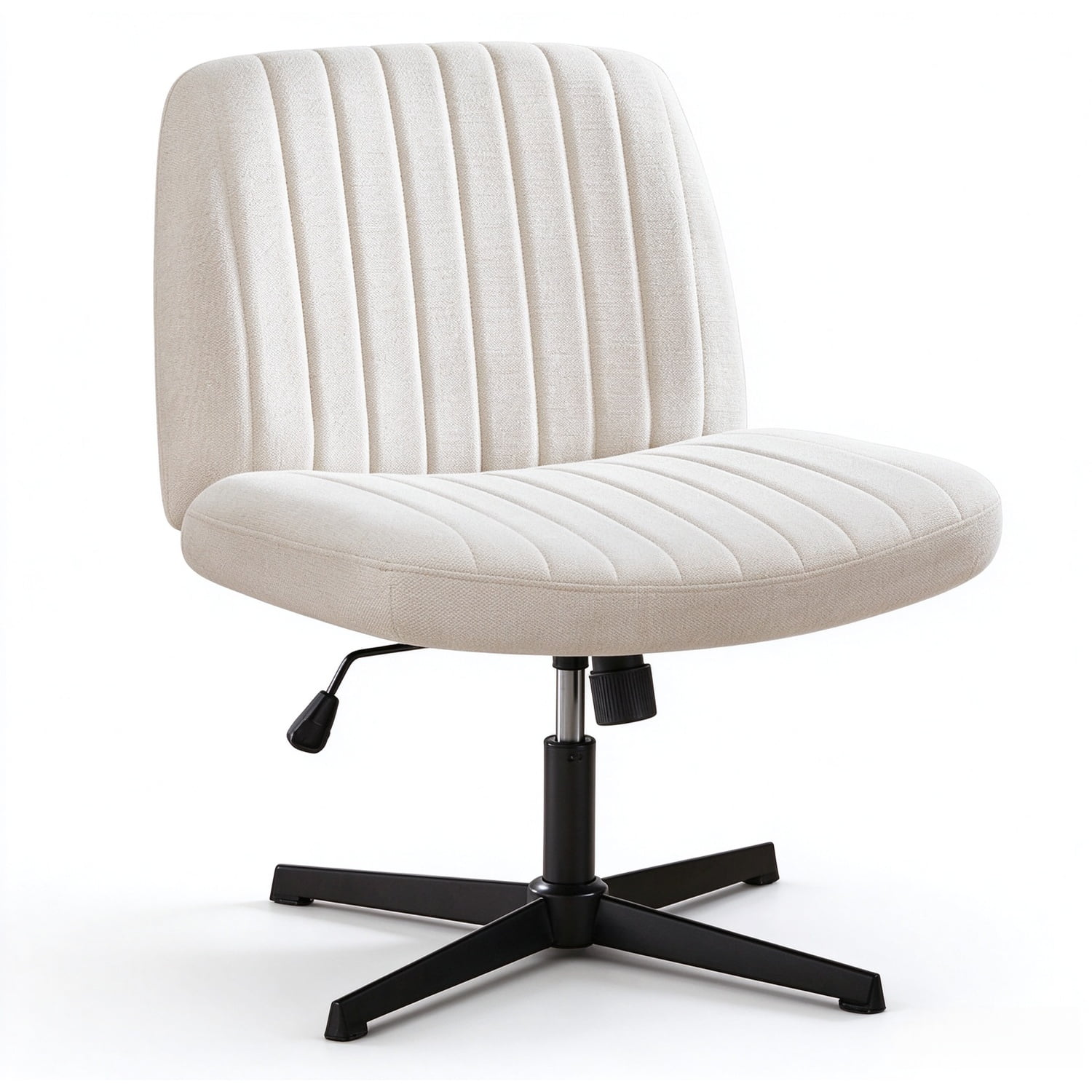
Why a Desk Chair Without Wheels is a Smart Choice for Your Home Office
The modern home office is a sanctuary of productivity. While traditional rolling chairs are common, a desk chair for home office no wheels offers a unique set of advantages. It’s about choosing stability, protecting your floors, and creating a workspace that promotes focused, uninterrupted work. Think of it as the anchor of your office, providing a solid foundation for your daily tasks.
Did You Know? According to a 2023 home office survey, 37% of remote workers reported that their chairs rolling away from their desk was a frequent distraction. A stationary chair eliminates this issue, keeping you consistently in the optimal position for your monitor and keyboard.
The Key Benefits of Stationary Office Chairs
When you opt for a fixed-base chair, you're not just removing casters; you're embracing a new standard of stability and intentionality in your workspace.
Unmatched Stability
Provides a rock-solid base, perfect for tasks requiring precision and steadiness. No more sliding or scooting back unintentionally.
Floor Protection
Ideal for hardwood, tile, or delicate rugs. Say goodbye to scratches, scuffs, and carpet divots caused by traditional wheels.
Enhanced Focus
By anchoring you in place, a stationary chair helps minimize physical distractions, allowing you to fully immerse yourself in deep work.
Clean Aesthetic
Often features a more classic or minimalist design, contributing to a cleaner, more intentional look that complements various home decor styles.
Pros and Cons: Stationary vs. Rolling Chairs
Choosing between a chair with wheels and one without depends on your personal workflow and office environment. Here’s a quick breakdown to help you decide.
Advantages of No-Wheel Chairs
- Stability: Ideal for focused tasks like writing or detailed design work.
- Floor Safety: No risk of scratching hardwood or damaging carpet fibers.
- Durability: Stationary bases often have fewer moving parts that can wear out or break.
- Quiet Operation: Completely silent, no rolling noises to disturb calls or concentration.
- Better Posture Anchor: Encourages you to sit properly as you can't easily shift out of position.
Considerations for No-Wheel Chairs
- Limited Mobility: You must get up to reach items across the room or move to a different desk area.
- Less Air Circulation: You can't easily glide away from your desk to stretch.
- Harder to Share: Moving a stationary chair to another desk is less convenient.
- Potential for Sliding: On very smooth floors, the base might still slide if not equipped with a good non-slip base.
Ergonomic Features to Look For in a Stationary Desk Chair
Even without wheels, a chair can be highly ergonomic. In fact, the stability can enhance the benefits of these features. When shopping for a desk chair for home office no wheels, prioritize these aspects for a healthy and comfortable sitting experience.
| Ergonomic Feature | Why It Matters | What to Look For |
|---|---|---|
| Pneumatic Seat Height Adjustment | Ensures your elbows are at a 90-degree angle and feet are flat on the floor, preventing shoulder and leg strain. | A reliable gas lift cylinder with a comfortable lever for easy adjustments. |
| Built-in Lumbar Support | Maintains the natural curve of your lower spine, preventing slouching and back pain during long work hours. | Adjustable lumbar support is ideal, but a well-contoured backrest is also effective. |
| 360-Degree Swivel | Provides essential movement to reach different parts of your desk or engage in conversations without moving the chair's base. | A smooth, durable swivel mechanism is a must-have feature for any stationary office chair. |
| Seat Depth and Tilt | Prevents pressure on the back of your knees and allows for micro-movements that improve circulation. | Look for a seat that leaves 2-3 fingers of space between the edge and your knees, and a tilt tension control. |
| Breathable Upholstery | Keeps you cool and comfortable, especially in a stationary position where air circulation is more limited. | Mesh back panels, perforated leather, or high-quality, breathable fabric are excellent choices. |
How to Choose the Perfect Stationary Chair for Your Needs
Finding the right chair involves more than just picking a style. Follow this simple guide to ensure you make the best investment for your health and productivity.
1. Assess Your Workspace
- Measure Your Desk Height: The chair’s height range must complement your desk.
- Consider Your Flooring: Hardwood, tile, or carpet will influence the need for a felt-padded or non-slip base.
- Check Your Space: A stationary chair with a small footprint is perfect for compact home offices.
2. Determine Your Primary Work Style
- Focused Work (Writing, Coding): Prioritize stability, excellent lumbar support, and adjustable arms.
- Call-Heavy Roles: A swivel function and comfortable headrest are key for easy movement and relaxation during calls.
- Creative Work: Look for a seat with tilt functionality to recline slightly for thinking sessions.
3. Set Your Budget & Material Preference
Stationary chairs are available across all price points. Remember, this is an investment in your health. A well-constructed chair will last for years.
- Entry Level ($150 - $350): Good quality mesh or fabric chairs with essential ergonomic adjustments.
- Mid-Range ($350 - $700): Higher quality materials, advanced ergonomics (like adjustable lumbar), and a more robust base.
- Premium ($700+): Top-grain leather, fully customizable ergonomics, and heirloom-quality construction with wooden or solid steel bases.
Maintaining Your Stationary Desk Chair for Longevity
A stationary chair is a long-term partner in your work-from-home journey. Proper care ensures it remains comfortable and functional.
- Regular Cleaning: Dust and vacuum fabric chairs weekly. Wipe down leather or mesh with a suitable cleaner to prevent buildup.
- Tighten Hardware: Every few months, check and tighten any bolts or screws on the base, arms, and backrest to prevent wobbling.
- Lubricate Moving Parts: Apply a silicone-based lubricant to the swivel mechanism and gas lift cylinder to ensure smooth, quiet operation.
- Protect the Base: If on hardwood, consider a felt pad under the base to protect the floor and prevent the chair from sliding unintentionally.