
Why a Mid Back Ergonomic Chair Transforms Your Workday
When you think of an executive throne, a towering high-back chair may come to mind. But for countless professionals — from agile developers to creative directors — the ergonomic mid back office chair is the unsung hero of productivity. Why? Because it strikes the perfect equilibrium between structural support and active freedom.
Ergonomics Insight: Studies from the Human Factors and Ergonomics Society reveal that users in mid-back chairs report 27% less shoulder fatigue compared to high-back users during tasks requiring frequent arm movement. The mid-back design supports the lumbar spine while allowing the scapulae (shoulder blades) to move naturally.
Defining the Mid Back Category
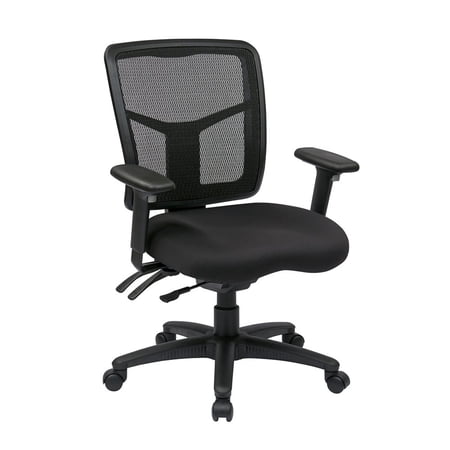
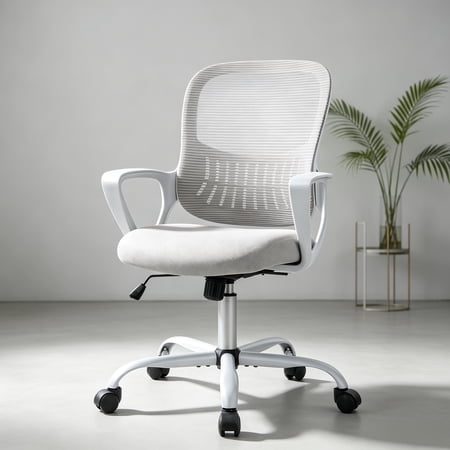
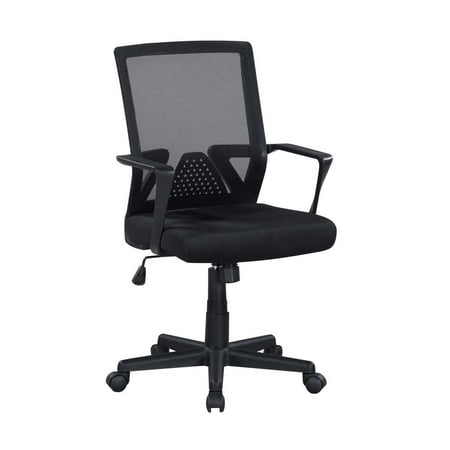
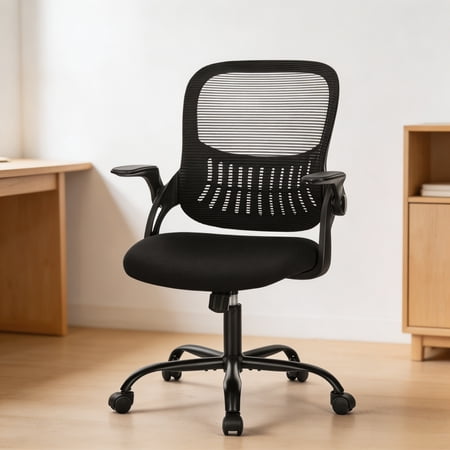
A mid back office chair typically features a backrest that ends just below the shoulder blades or at the mid-thoracic region. Unlike high-back chairs that extend to the head, this design prioritizes lumbar reinforcement and upper body mobility. It's the go-to choice for:
- Task-oriented roles: Data entry, graphic design, coding, and writing.
- Collaborative spaces: Easy to turn and engage with colleagues.
- Home offices: Sleek, modern aesthetic without overwhelming the room.
- Users with neck sensitivity: Avoiding a fixed headrest can prevent forward head posture.
Key Ergonomic Features You Must Look For
Not all mid back chairs are created equal. A truly ergonomic design incorporates these non-negotiable elements:
| Feature | Why It Matters | What to Look For |
|---|---|---|
| Adjustable Lumbar Support | Prevents slouching and reduces lower back strain during long hours. | Height-adjustable or dynamic self-adjusting lumbar mechanism. |
| Seat Depth Adjustment | Ensures proper thigh support without pressure behind the knees. | Sliding seat pan (at least 2 inches of adjustment). |
| Breathable Back Material | Keeps you cool and comfortable, especially in warm environments. | High-quality mesh or perforated fabric that doesn't sag. |
| 4D Armrests | Reduces shoulder tension and supports varied postures. | Height, width, pivot, and depth adjustability. |
| Multi-Function Mechanism | Allows independent tilt and lock for dynamic sitting. | Separate tilt tension, seat angle, and back angle controls. |
The Health Benefits: More Than Just Comfort
Investing in a quality ergonomic mid back chair delivers measurable wellness returns. Here’s how your body benefits:
Improved Spinal Alignment
Targeted lumbar support maintains natural curvature, reducing disc pressure by up to 35% compared to non-ergonomic chairs.
Enhanced Upper Body Mobility
No shoulder blade restriction means easier reaching, typing, and phone handling without hunching.
Better Circulation
Waterfall seat edges and proper seat depth reduce pressure on hamstrings and improve blood flow.
Energy Conservation
Active sitting encourages micro-movements that keep core muscles engaged, fighting fatigue.
Mid Back vs. High Back: Which Suits Your Workstyle?
Imagine a chef’s knife versus a cleaver — both are effective, but for different tasks. Similarly, choosing between mid back and high back depends on your daily activities:
- Choose Mid Back If: You need to swivel frequently, work on multiple monitors, use a standing desk occasionally, or prefer a minimalist aesthetic.
- Choose High Back If: You require neck/head support, lean back for long periods, or have pre-existing cervical spine issues.
💡 Pro Tip: For hybrid workers who alternate between focused desk work and collaborative meetings, a mid back chair with adjustable lumbar and seat depth offers the most versatility. Pair it with a height-adjustable desk for the ultimate ergonomic setup.
Materials That Matter: Mesh vs. Fabric vs. Leather
In the mid back category, material choice significantly impacts comfort and longevity:
- Mesh Back: The gold standard for mid back chairs. Provides continuous airflow, contours to spine movements, and maintains shape over time. Ideal for warmer climates.
- Fabric: Offers a plush feel and wide color options. Look for high-density foam and stain-resistant treatments. Good for cooler office environments.
- Leather (or Faux): Conveys a classic look but may reduce breathability. If you prefer leather, choose perforated versions for ventilation.
Your Step-by-Step Guide to Choosing the Perfect Mid Back Ergonomic Chair
Selecting the right chair doesn't have to be complicated. Follow this practical framework to ensure you invest in a model that supports your body and work habits for years.
Step 1: Measure Your Workspace & Body
- Desk height: Standard desks are 29-30 inches. Your chair seat height should allow elbows at 90° when typing.
- User height: Mid back chairs suit individuals from 5'2" to 5'10" best. If taller, verify backrest height extends to mid-scapula.
- Weight capacity: Look for at least 275 lbs capacity to ensure sturdiness and durability.
Step 2: Prioritize Adjustability Over Aesthetics
A beautiful chair that doesn’t adjust is a recipe for discomfort. Minimum adjustments required: seat height, lumbar height/depth, armrest height, and tilt tension. For advanced ergonomics, add seat depth and armrest width/pivot.
Step 3: Test the Lumbar Support Mechanism
The lumbar should fit snugly into the curve of your lower back. Dynamic lumbar (self-adjusting) is excellent for those who shift positions. Manual adjustable lumbar is reliable for consistent support.
Step 4: Evaluate Casters & Base
For hardwood floors, choose soft polyurethane casters. For carpet, standard nylon casters work well. A five-star aluminum base offers premium stability compared to plastic bases.
Step 5: Check Warranty & Return Policy
Quality mid back chairs come with at least 5-year warranty on components. Ensure the retailer offers a trial period (30 days minimum) to test real-world comfort.
Frequently Asked Questions About Ergonomic Mid Back Office Chairs
Conclusion: Invest in Mobility, Reap Productivity
The ergonomic mid back office chair is more than a seating option — it's a strategic tool for the modern professional. By focusing on lumbar support, adjustability, and breathability, you gain a chair that moves with you, not against you. Whether you're crunching code, leading virtual meetings, or designing the next big idea, the right mid back chair keeps you comfortable and agile.