
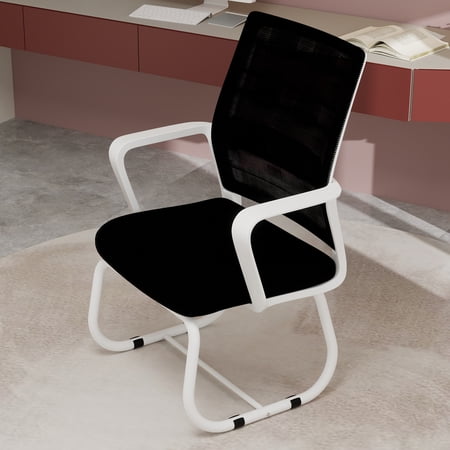
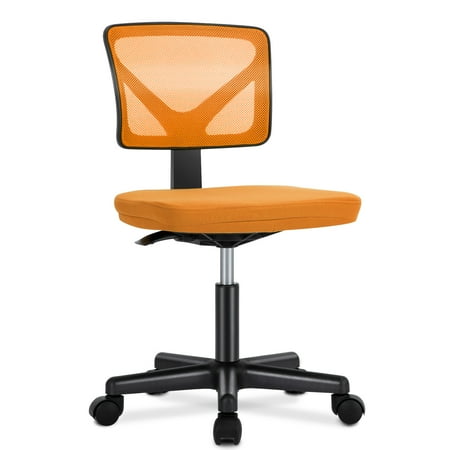
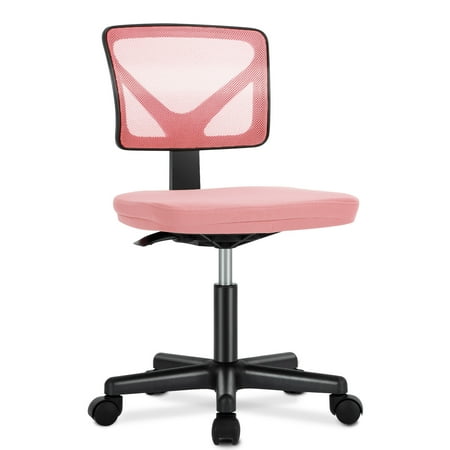
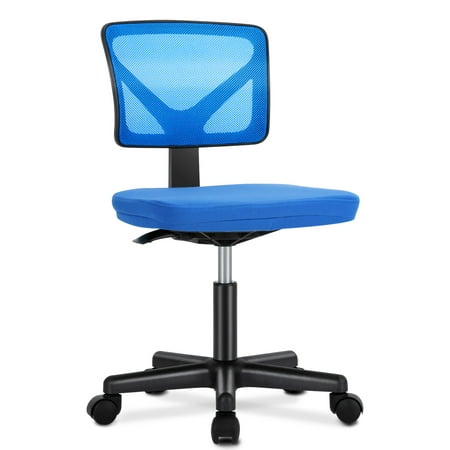
Why Your Home Office Deserves a Truly Comfortable Chair
Working from home has shifted from a temporary trend to a permanent lifestyle for millions of professionals. Yet, many remote workers overlook the cornerstone of their setup: the chair. A comfortable at home office chair is not just a luxury—it’s the foundation of sustained energy, focus, and long-term musculoskeletal health. According to a 2024 workplace wellness survey, 73% of remote employees reported increased back or neck tension after switching to inadequate seating. The solution? A chair designed specifically for the hybrid era: supportive, adaptable, and inviting enough for eight-hour days.
Did you know? Investing in a quality home office chair can boost daily productivity by nearly 28% by reducing physical discomfort and allowing better concentration, according to ergonomics research from Cornell University.
Defining True Comfort: More Than Just Cushions
When we talk about a comfortable at home office chair, the concept goes beyond pillow-like padding. Real comfort stems from dynamic ergonomics: the chair moves with you, supports your spinal curve, and adapts to your unique body shape. Unlike traditional office seating that forces a rigid posture, modern ergonomic home chairs use intuitive mechanisms—like synchronized tilt, adjustable lumbar, and multi-directional armrests—to keep you aligned whether you're typing, brainstorming, or joining video calls.
✨ Posture Perfection
Active lumbar support reduces slouching and prevents "tech neck." A neutral spine position minimizes fatigue and keeps you alert.
🌬️ Breathability & Temperature
Quality mesh backs or perforated leather prevent overheating, ensuring comfort during summer months and long conference calls.
🔧 Total Customization
Seat depth, tilt tension, and armrest width adjustments let you tailor the chair to your exact proportions—like having a bespoke seat.
🏡 Aesthetic Harmony
Modern home office chairs blend with interior design—fabric textures, neutral tones, and sleek lines that complement your space.
Anatomy of the Perfect Comfortable Home Office Chair
To help you navigate the market, we’ve broken down the essential components that separate mediocre chairs from exceptional ones. Use this checklist when evaluating models:
- Adjustable Lumbar Support: Ideally with depth and height adjustments. Some premium chairs include air-bladder lumbar for personalized firmness.
- Seat Depth & Width: Look for a depth slider (minimum 2 inches) and a seat pan that supports 80% of your thighs without pressing behind knees.
- Multi-Dimensional Armrests: 4D armrests (height, width, pivot, depth) relieve shoulder tension and accommodate different tasks.
- High-Density Foam or Hybrid Mesh: High-resilience foam retains shape, while mesh provides breathable support; some chairs combine both for a floating sensation.
- Smooth Casters & Base: Rollerblade-style wheels protect hardwood floors and glide silently, enhancing mobility across home offices.
Leather vs. Fabric vs. Mesh: Which Suits Your Home Office?
Material choice dramatically affects comfort, maintenance, and ambiance. Here’s a quick breakdown tailored to the home environment:
- Premium Fabric: Soft, warm, and available in various colors. Great for cozy home offices but requires occasional cleaning. Look for stain-resistant treatments.
- Mesh Back Chairs: Ideal for hot climates or those who tend to run warm. Provides constant airflow and reduces sweat buildup. Many come with cushioned seats.
- Leather/Faux Leather: Exudes luxury and wipes clean easily. Genuine leather ages gracefully, while high-quality PU leather offers a budget-friendly alternative that still looks professional.
Setting Up Your Chair for Maximum Comfort: A Step-by-Step Guide
Even the most expensive chair won’t feel comfortable if it's not adjusted to your body. Follow these steps after your new comfortable at home office chair arrives:
- Foot Placement: Adjust seat height so your feet rest flat on the floor (or on a footrest) and thighs are parallel to the ground.
- Seat Depth: Sit back against the backrest; you should have 2–3 fingers of space between the back of your knees and the seat edge.
- Lumbar Position: Adjust the lumbar support to fit snugly into the curve of your lower back. You should feel gentle support without pressure.
- Armrest Alignment: Raise armrests until your shoulders are relaxed and your elbows form a 90° angle. Arms should lightly rest, not hunch.
- Backrest Angle: Use tilt tension to allow slight recline during thinking sessions while maintaining upright posture for focused work.
Re-evaluate these settings every few months or if you feel any new discomfort. Small micro-adjustments can transform your sitting experience.
Health Benefits Beyond Ergonomics: Productivity & Mental Clarity
When your body is at ease, your mind follows. A well-designed home office chair reduces fidgeting and micro-movements caused by discomfort, allowing you to enter "flow state" faster. Additionally, chairs with dynamic tilt mechanisms encourage subtle movement throughout the day, which boosts circulation and prevents the afternoon energy slump. Remote workers report improved mood and less end-of-day exhaustion when using chairs that support natural movement.
If you suffer from existing conditions such as sciatica, herniated discs, or chronic fatigue, a properly fitted ergonomic home chair can be a game-changer. Many models now include waterfall seat edges to reduce pressure on thighs and optional headrests to support the cervical spine during relaxed postures.
Budget Considerations: Entry-Level vs. Premium Comfort
You don’t need to break the bank to find a comfortable at home office chair, but it’s wise to think long-term. Chairs under $200 often lack adjustability and use lower-density foam that degrades within a year. In the $300–$600 range, you'll find solid ergonomic chairs with breathable mesh, reliable warranties, and essential adjustments. For $700–$1,200, you enter premium territory: high-end mechanisms, premium upholstery, extended warranties (10+ years), and superior build quality. Investing in a durable chair pays off in both physical health and replacement costs down the line.
🎯 Who Should Buy Which Type?
- Freelancers & Creatives: Look for chairs with flexible recline and stylish fabric options that inspire creativity.
- Corporate Remote Employees: Prioritize high adjustability (lumbar, seat depth, 4D arms) for all-day video meetings and intensive typing.
- Small Apartment Dwellers: Choose compact ergonomic chairs with slim profiles and sleek casters that fit tight spaces.
- Plus Size / Big & Tall Users: Seek chairs with reinforced frames, wider seat pans (21”+), and weight capacities of 350–500 lbs.