
Why Mid Back Support Defines Modern Office Comfort
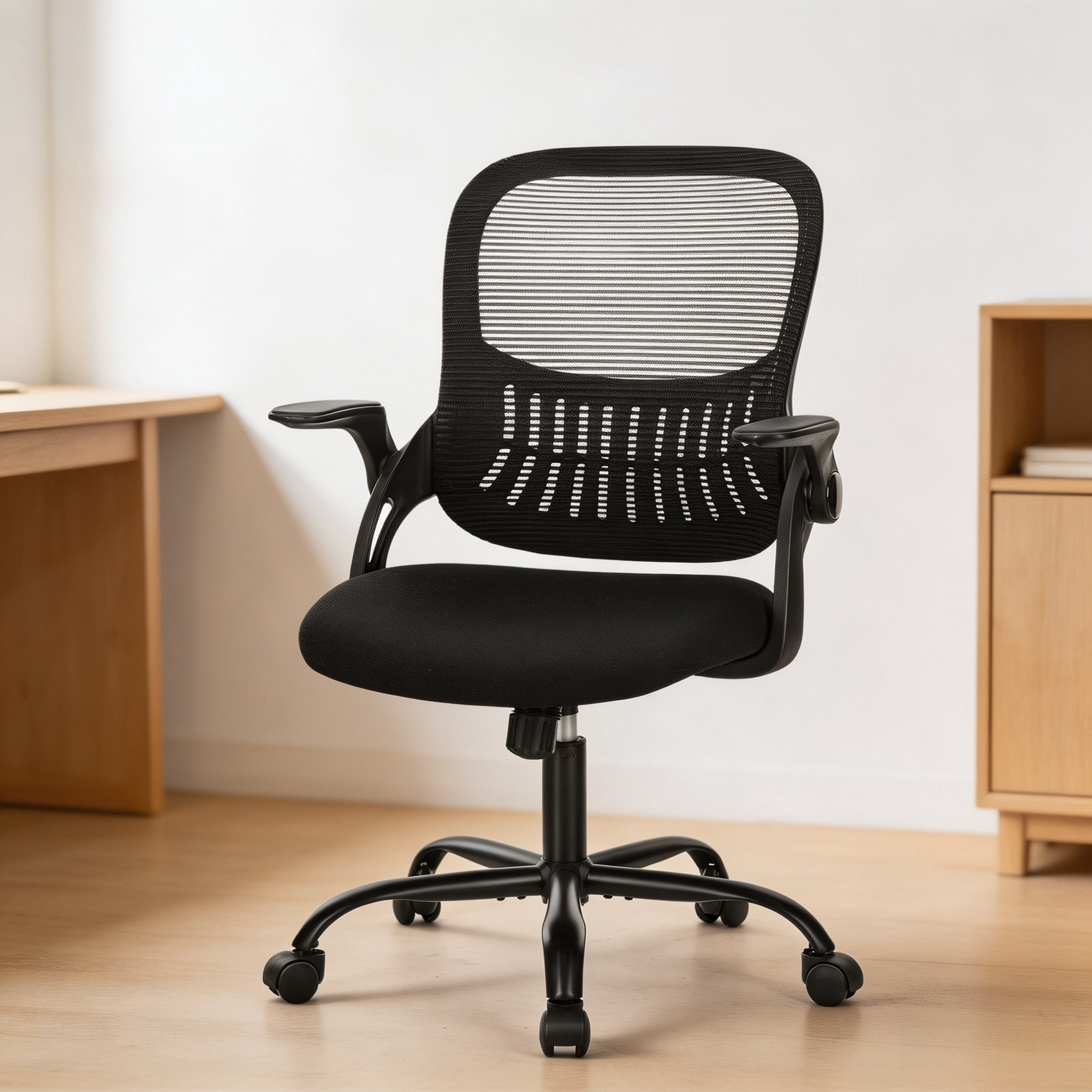
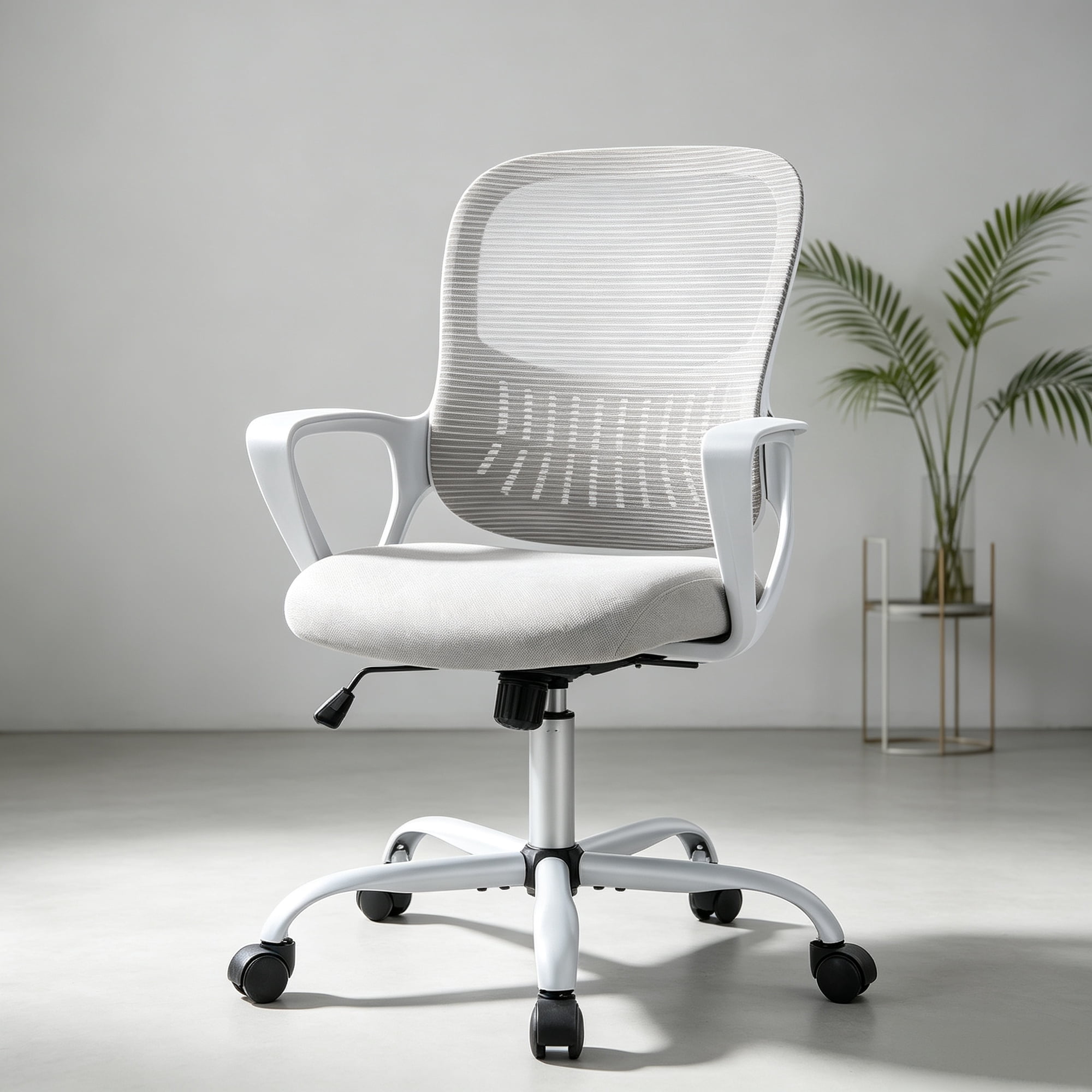
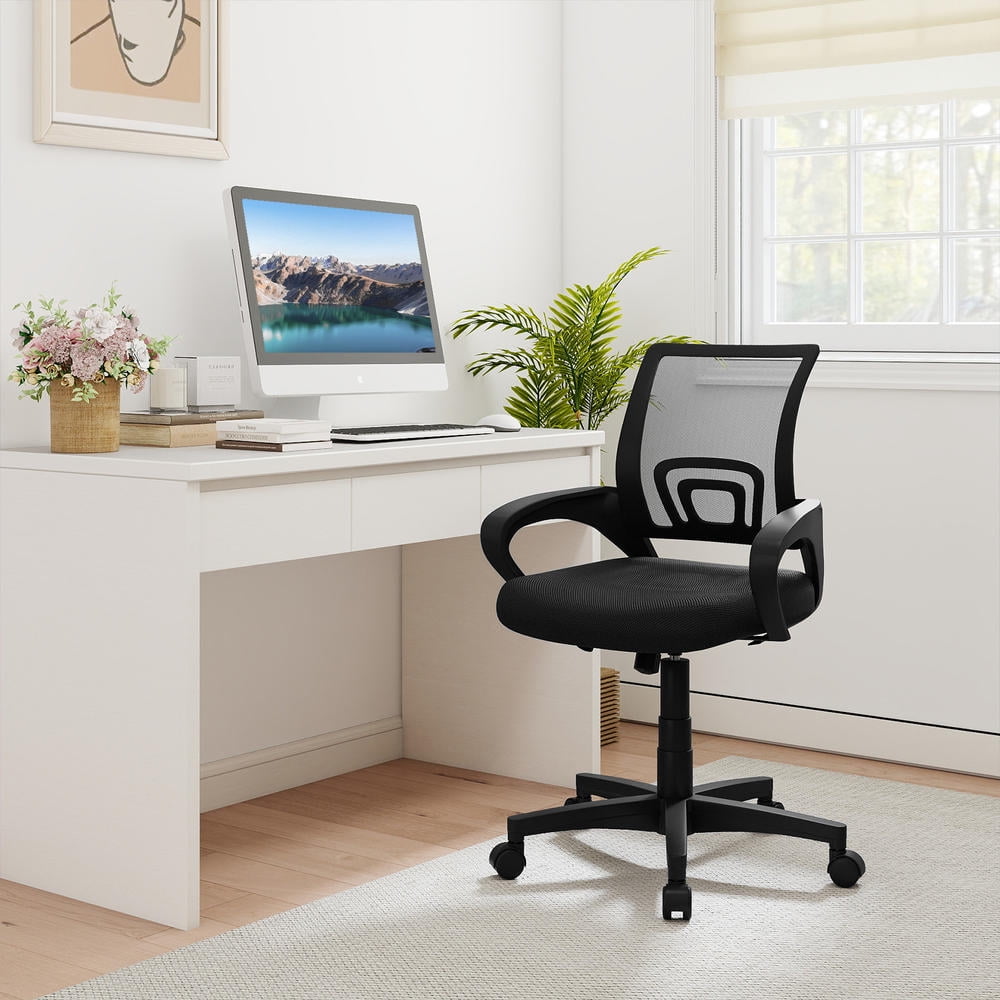
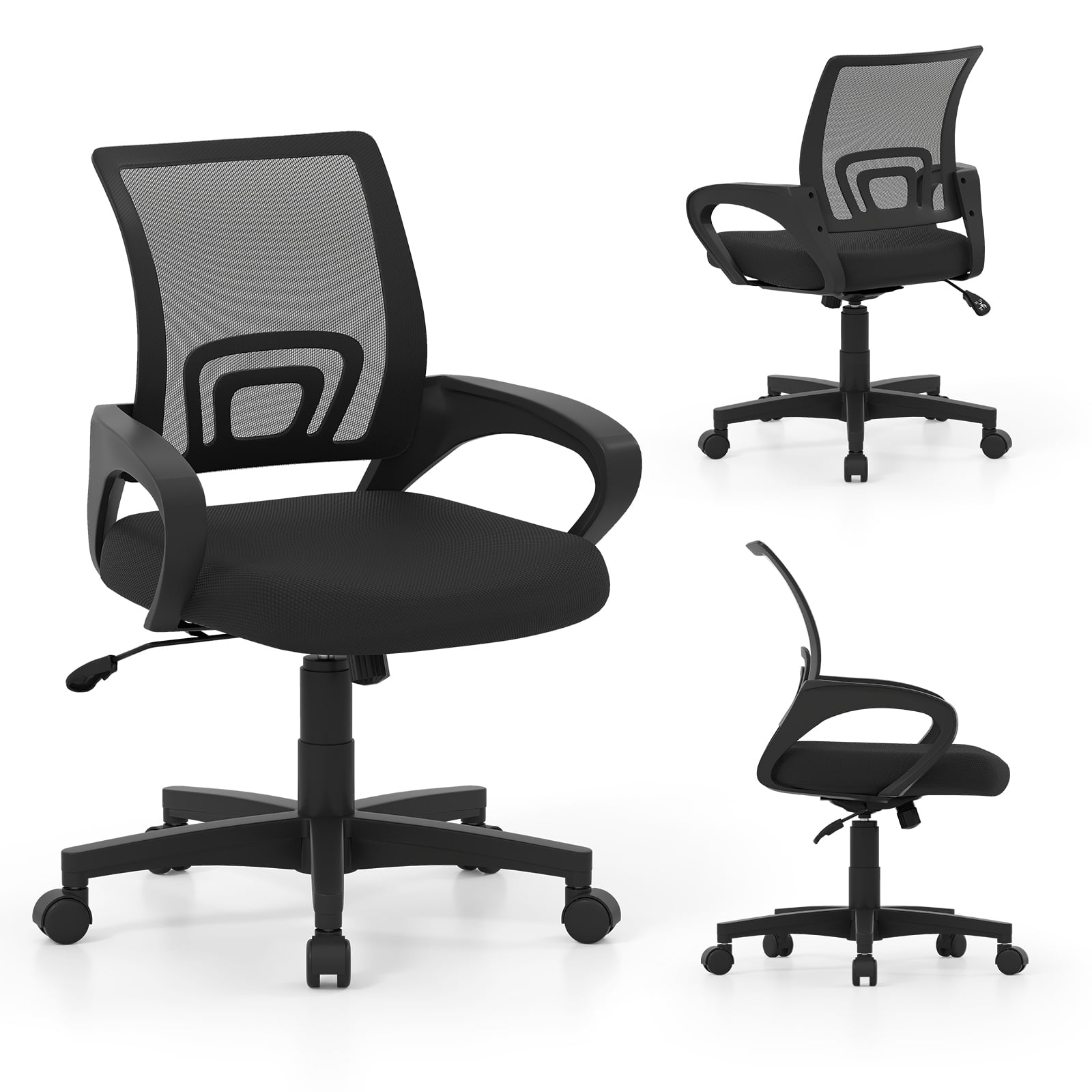
When you spend hours tackling emails, leading meetings, or analyzing data, the type of back support you rely on shapes your energy and posture. Mid back support for office chair designs focus on the region between the lower lumbar and the upper thoracic spine — the area that often bears the brunt of static sitting. Unlike bulky high-back executive chairs or basic task stools, mid-back ergonomic chairs provide a sweet spot of mobility and stability that aligns with natural spinal curves.
Ergonomic Insight: Research from occupational health studies indicates that mid-back chairs with active lumbar mechanisms reduce upper back strain by 34% compared to static-back chairs. The ability to maintain a neutral spine while keeping shoulders free encourages micro-movements that prevent stiffness.
Anatomy of Effective Mid-Back Support
Not every chair with a medium-height backrest delivers true support. High-quality mid-back office chairs incorporate three critical elements:
- Adjustable Lumbar Prominence: A built-in mechanism that lets you push the lumbar curve inward or outward to match your spine's natural lordosis.
- Breathable Back Material: Mesh or perforated fabric that maintains air circulation, preventing sweat buildup and keeping the backrest supportive even after hours of use.
- Dynamic Tilt Flexibility: A recline mechanism that allows the backrest to move with you, keeping the mid-back region in constant gentle contact.
🎯 Targeted Lumbar Curve
Unlike high backs that may push shoulders forward, mid-back support centers on the lumbar and lower thoracic vertebrae, encouraging a more upright yet relaxed posture.
🌀 Freedom of Movement
Your upper back and shoulders remain unrestrained — essential for reaching across your desk, switching between screens, or participating in collaborative sessions.
🧠 Cognitive Engagement
Comfortable mid-back support reduces fatigue-related distractions, helping you maintain focus during deep work periods and lengthy virtual meetings.
Mid-Back vs. High-Back: Which One Fits Your Work Style?
✔️ Mid-Back Advantages
- Better shoulder mobility
- Ideal for task-oriented environments
- More breathable, less material
- Encourages active sitting
- Fits modern minimalist aesthetics
✔️ High-Back Advantages
- Head and neck support included
- Greater sense of enclosure
- Often more luxurious padding
- Suitable for reclining/relaxation
If your daily tasks involve frequent typing, phone calls, and switching between monitors, a mid back support office chair typically delivers the best balance. For executives who frequently recline during long strategy sessions, a high-back may still be preferable — but the modern workplace increasingly favors mid-back ergonomic models.
Choosing the Right Chair: Features That Matter
Selecting a mid-back chair is about more than just aesthetics. Use this checklist to evaluate options:
- Seat Depth Adjustment: Ensure the seat pan slides forward/backward so there's a 2-3 finger gap between the edge of the seat and your knees.
- Back Height Adjustment: Premium mid-back chairs offer vertical back adjustment to fine-tune where the lumbar curve hits your spine.
- Armrest Versatility: 3D or 4D armrests let you position elbows comfortably while keeping shoulders relaxed.
- Weight Capacity & Base: Look for a sturdy five-star base and at least 275 lbs capacity for everyday resilience.
- Tilt Lock & Tension: Multi-angle tilt lock helps you shift postures without losing support.
Material Science: Mesh, Fabric, or Leather for Mid-Back?
The backrest material directly influences support longevity and comfort. Mesh backs are the most popular for mid-back chairs because they conform to spinal movement, offer superior breathability, and maintain consistent tension. High-end mesh (like elastomer or knitted polyester) provides subtle flexibility that reduces pressure points. Fabric upholstery gives a softer feel but may retain heat; it works well in temperature-controlled offices. Leather (or bonded leather) is less common in mid-back ergonomic designs because it restricts breathability and can become stiff over time. For pure ergonomic performance, mesh remains the champion for mid-back support.
Common Myths About Mid-Back Office Chairs
- Myth: Mid-back chairs lack adequate lumbar support. Reality: Many mid-back chairs feature dedicated, adjustable lumbar pads that rival high-end ergonomic chairs.
- Myth: They're only suitable for petite individuals. Reality: Quality mid-back chairs offer seat height and back adjustments to accommodate a wide range of body types, including tall users with proper torso length.
- Myth: No headrest means poor neck comfort. Reality: Without a headrest, your neck muscles stay lightly engaged — which often reduces forward-head posture during active work.