
Why the Mid Back Executive Office Chair is a Smart Investment
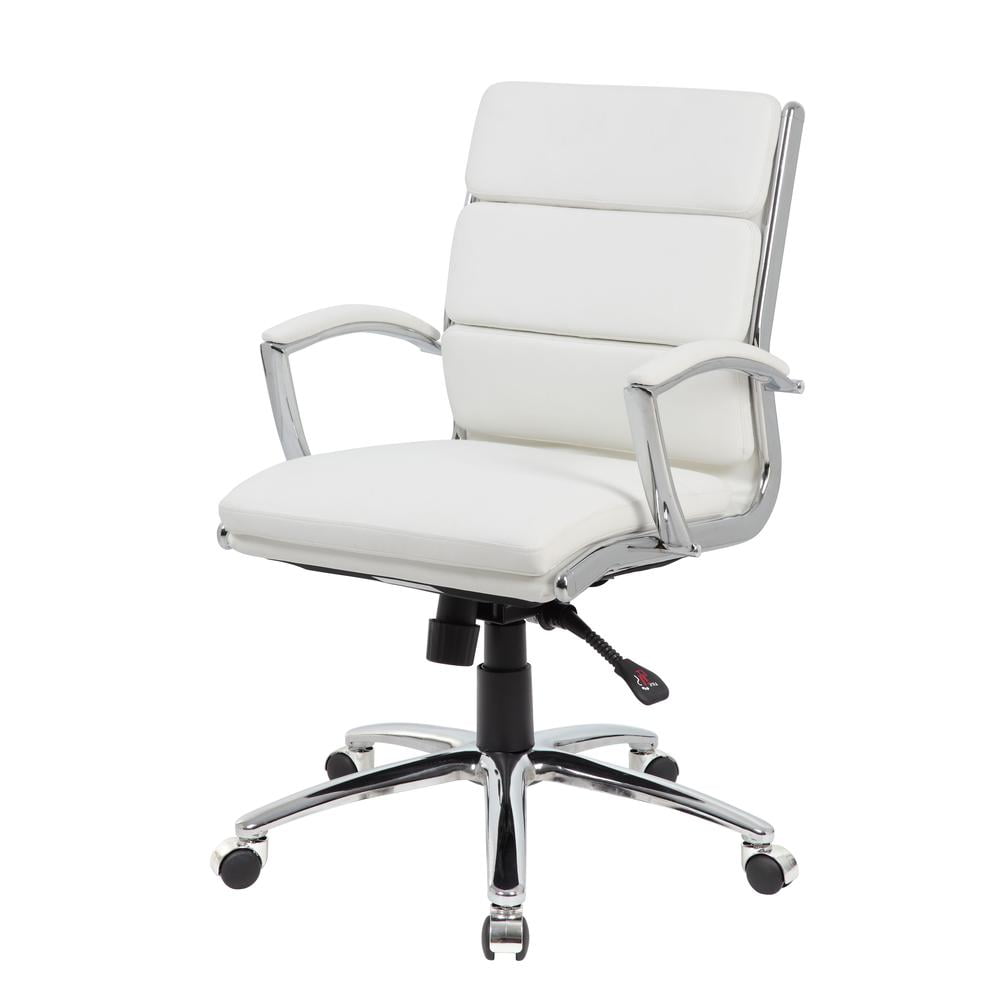
In the world of executive seating, the mid back executive office chair occupies a unique sweet spot. It delivers the professional aesthetic and ergonomic sophistication expected from executive furniture, while offering a more mobile, active seating experience than traditional high-back models. For business leaders, managers, and professionals who value both support and freedom of movement, this category is a game-changer.
Ergonomic Insight: Studies indicate that dynamic sitting—the ability to move freely while seated—can increase cognitive performance by up to 18% compared to rigid, fully-encased seating. Mid back chairs encourage micro-movements and postural shifts, keeping you engaged and energized throughout the day.
Key Distinctions: Mid Back vs. High Back Executive Chairs
Understanding the differences helps you choose the chair that aligns with your work style and physical needs. Mid back chairs (also called mid-height executive chairs) typically feature a backrest that supports the lumbar and middle back, ending below the shoulders. This design offers several advantages:
- Greater Upper Body Mobility: Unrestricted shoulder and arm movement, ideal for multitasking, writing, or collaborative work.
- Targeted Lumbar Focus: Direct pressure relief on the lower back without overextending support to the neck area.
- Sleeker Profile: Fits well in modern office designs and smaller spaces without compromising executive style.
- Enhanced Airflow: Often paired with breathable materials, reducing heat buildup during long work sessions.
- Versatility: Suitable for executive offices, home workspaces, and even conference rooms where a balance of formality and comfort is needed.
Core Ergonomic Features to Prioritize
Not all mid back executive chairs are created equal. To maximize health benefits and comfort, look for these essential ergonomic components:
Adjustable Lumbar
Height and depth customization ensures the curve fits your spine perfectly, preventing slouching and back strain.
Seat Depth Slider
Proper thigh support reduces pressure behind knees and improves circulation during extended sitting periods.
4D Armrests
Height, width, pivot, and depth adjustments let you align arm support with your desk and natural shoulder position.
Synchro-Tilt Mechanism
Allows the seat and back to move together, maintaining ergonomic alignment as you recline for brief breaks.
Material Considerations: Mesh, Leather, and Hybrid Options
The material of your mid back executive chair directly affects durability, maintenance, and comfort. Here's a breakdown to guide your decision:
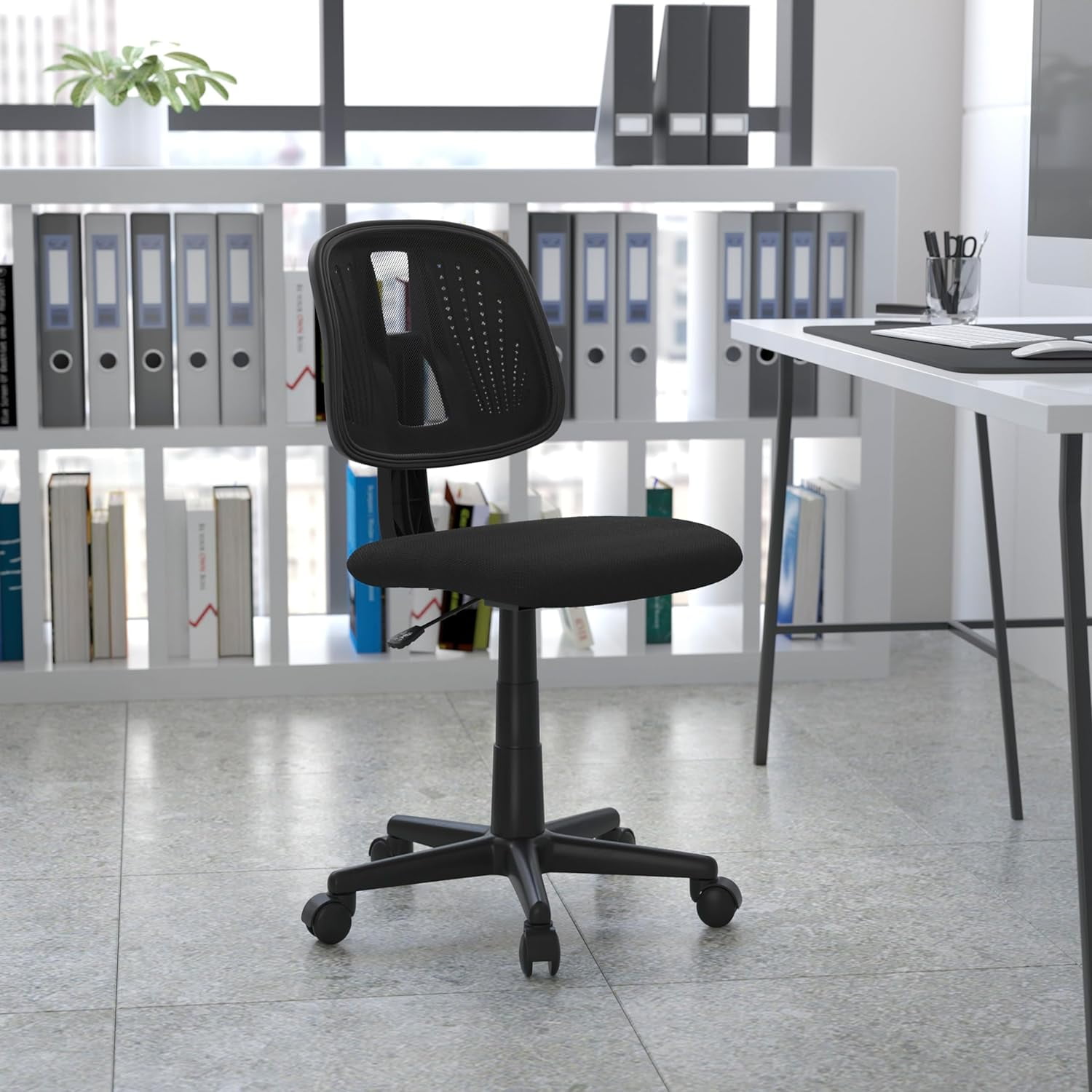
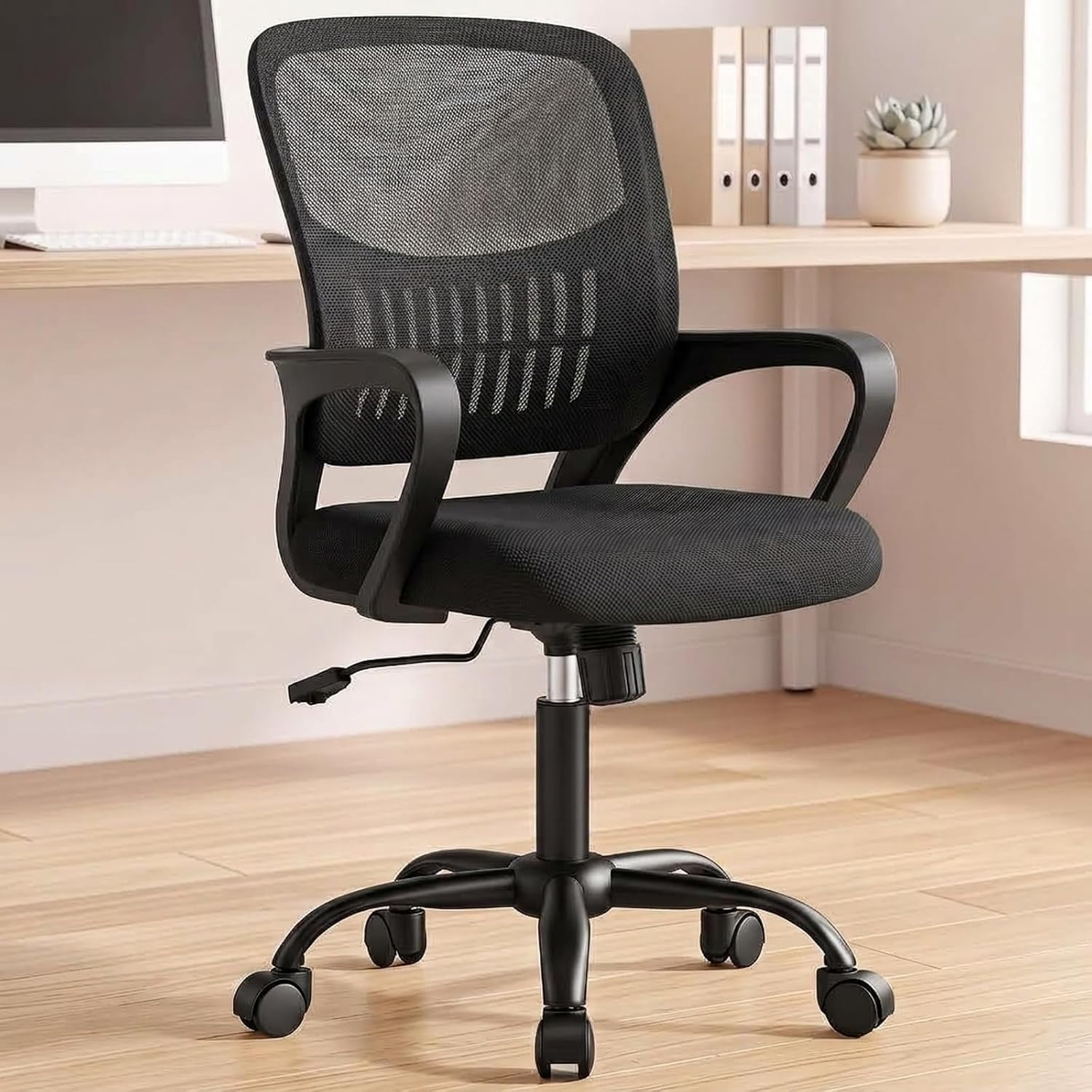
Premium Mesh Back
- Breathability: Exceptional airflow keeps you cool.
- Flexibility: Conforms to back movements.
- Modern Aesthetic: Contemporary and sleek.
- Low Maintenance: Wipes clean easily.
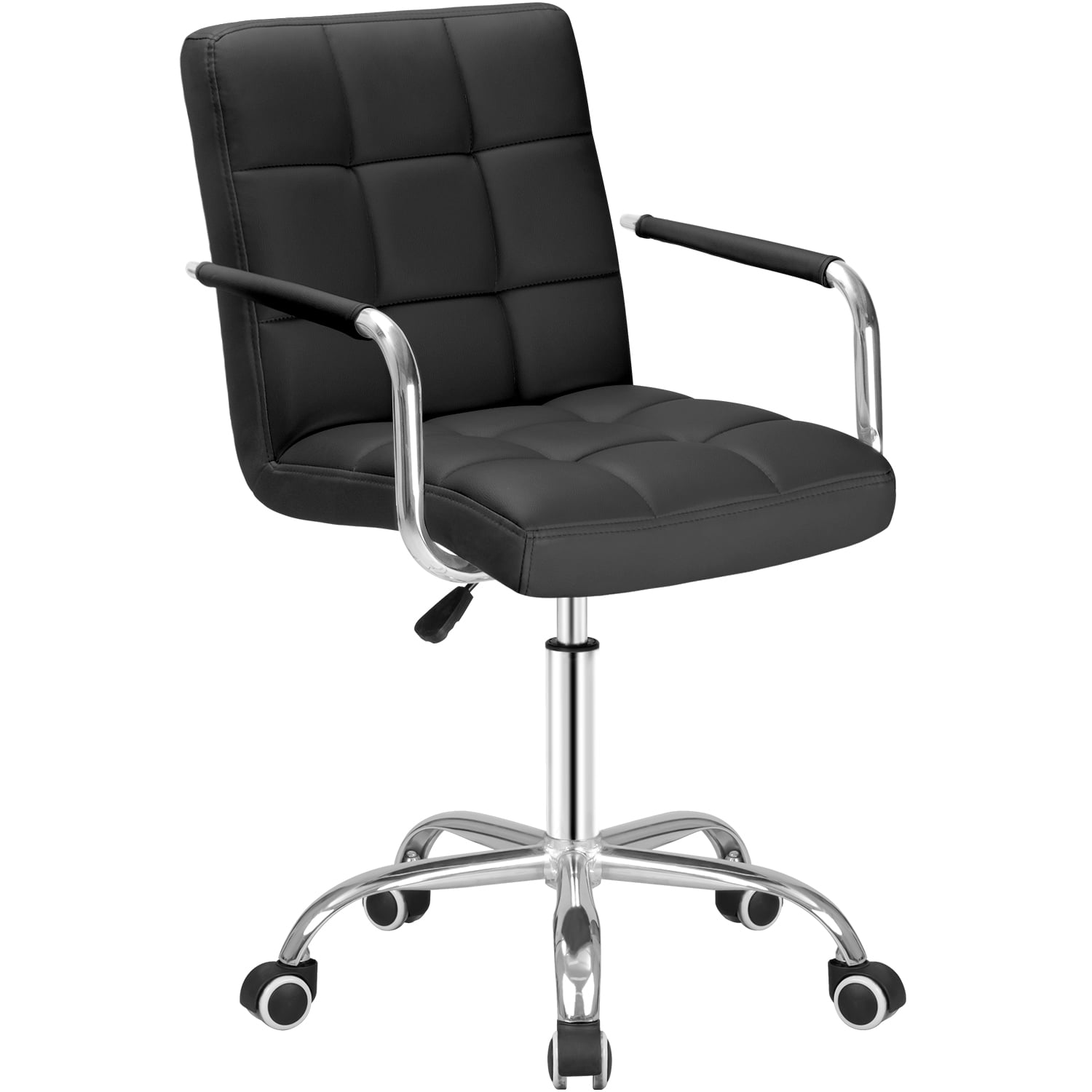
Leather Upholstery
- Classic Executive Look: Projects authority.
- Durability: Long-lasting with proper care.
- Easier Cleaning: Spills wipe off.
- Note: Can feel warmer; requires conditioning.
Many modern mid back executive chairs now feature a hybrid design: a breathable mesh back for lumbar support combined with a leather or fabric seat for comfort and visual appeal. This combination offers the best of both worlds—professional style with ergonomic cooling.
Step-by-Step Selection Guide: Finding Your Ideal Mid Back Executive Chair
Follow this structured approach to ensure your investment pays dividends in comfort and productivity.
- Assess Your Daily Activities: If your work involves frequent phone calls, writing, or interacting with colleagues, a mid back design allows free arm movement. For long periods of focused computer work, prioritize adjustable armrests and lumbar depth.
- Measure Your Space: Mid back chairs are generally more compact than high-back models. Ensure the chair fits under your desk when fully lowered and that you have adequate clearance to swivel.
- Test Adjustability: Look for at least 5 adjustment points: seat height, back tilt tension, lumbar height, armrest width/height, and seat depth. The more personalized the fit, the better the ergonomic outcome.
- Evaluate Build Quality: A sturdy base (preferably steel or aluminum), Class 4 gas lift, and durable casters for your flooring type (carpet or hard floor) are signs of a long-lasting chair.
- Check Warranty & Support: Reputable manufacturers offer 5–10 year warranties on frames and mechanisms. This protects your investment and indicates confidence in product durability.
Health & Productivity Benefits Backed by Research
Choosing a well-designed mid back executive office chair translates to tangible health advantages. According to occupational health studies, workers using ergonomically optimized chairs report:
- 32% reduction in musculoskeletal discomfort in the lower back and shoulders.
- Improved concentration and task accuracy due to reduced physical distractions.
- Better posture awareness leading to long-term spinal health.
- Enhanced professional image—clients and colleagues perceive a well-appointed office as a sign of attention to detail.
By investing in a chair that actively supports your body, you’re also investing in sustained performance and well-being.
Frequently Asked Questions About Mid Back Executive Office Chairs
Conclusion: Elevate Your Workspace with the Right Mid Back Executive Chair
Selecting a mid back executive office chair is about finding the perfect synergy between ergonomic support and dynamic functionality. Unlike bulky high-back models that can feel restrictive, the mid back category empowers you to move naturally while still delivering targeted lumbar support and executive-level craftsmanship.
Remember, the right chair is an investment in your health, productivity, and professional image. By prioritizing adjustability, build quality, and material suitability, you’ll enjoy years of comfortable, focused work. Explore our curated selection above to find the mid back executive chair that aligns with your unique needs.