
Why Low Back Ergonomic Office Chairs Are Gaining Popularity
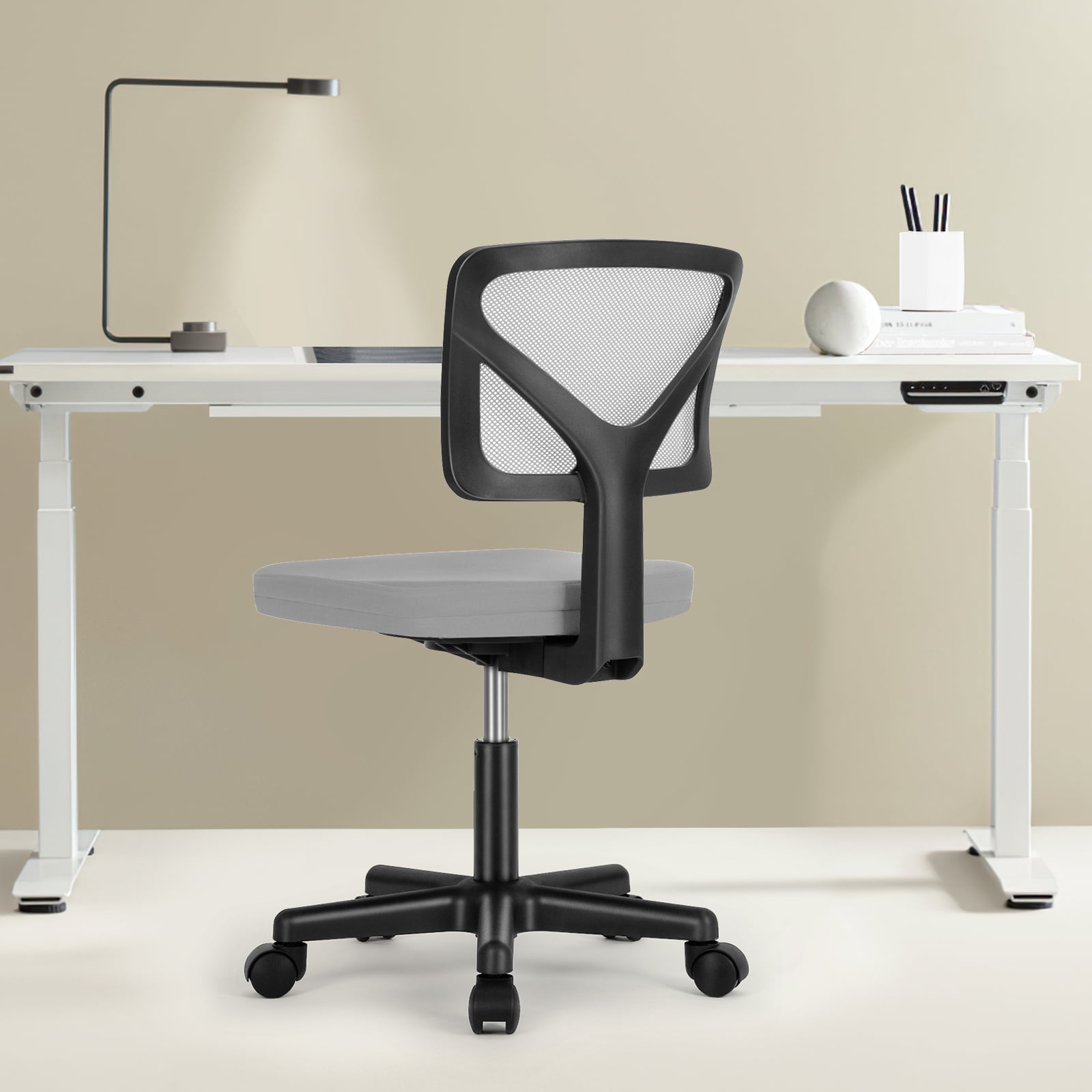
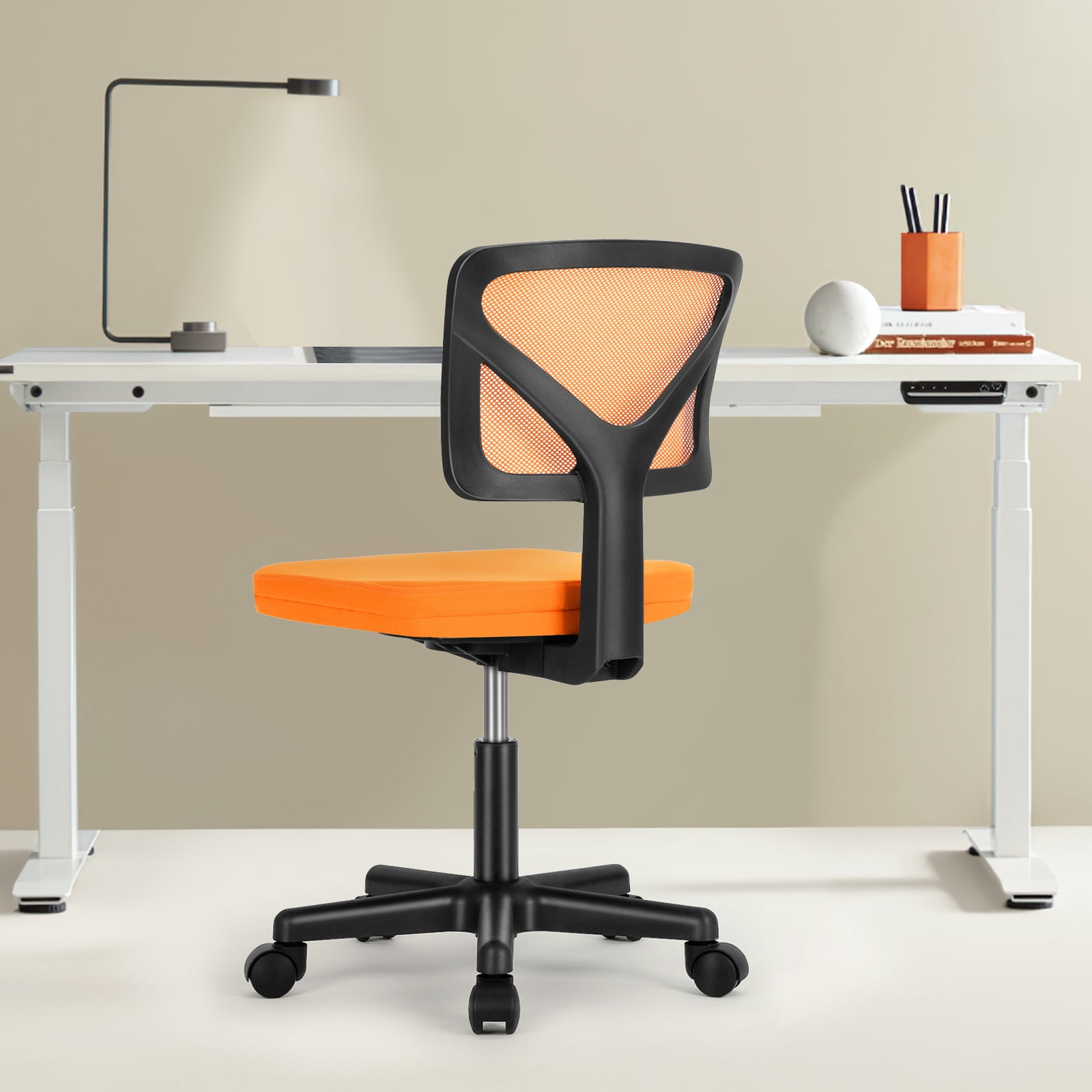
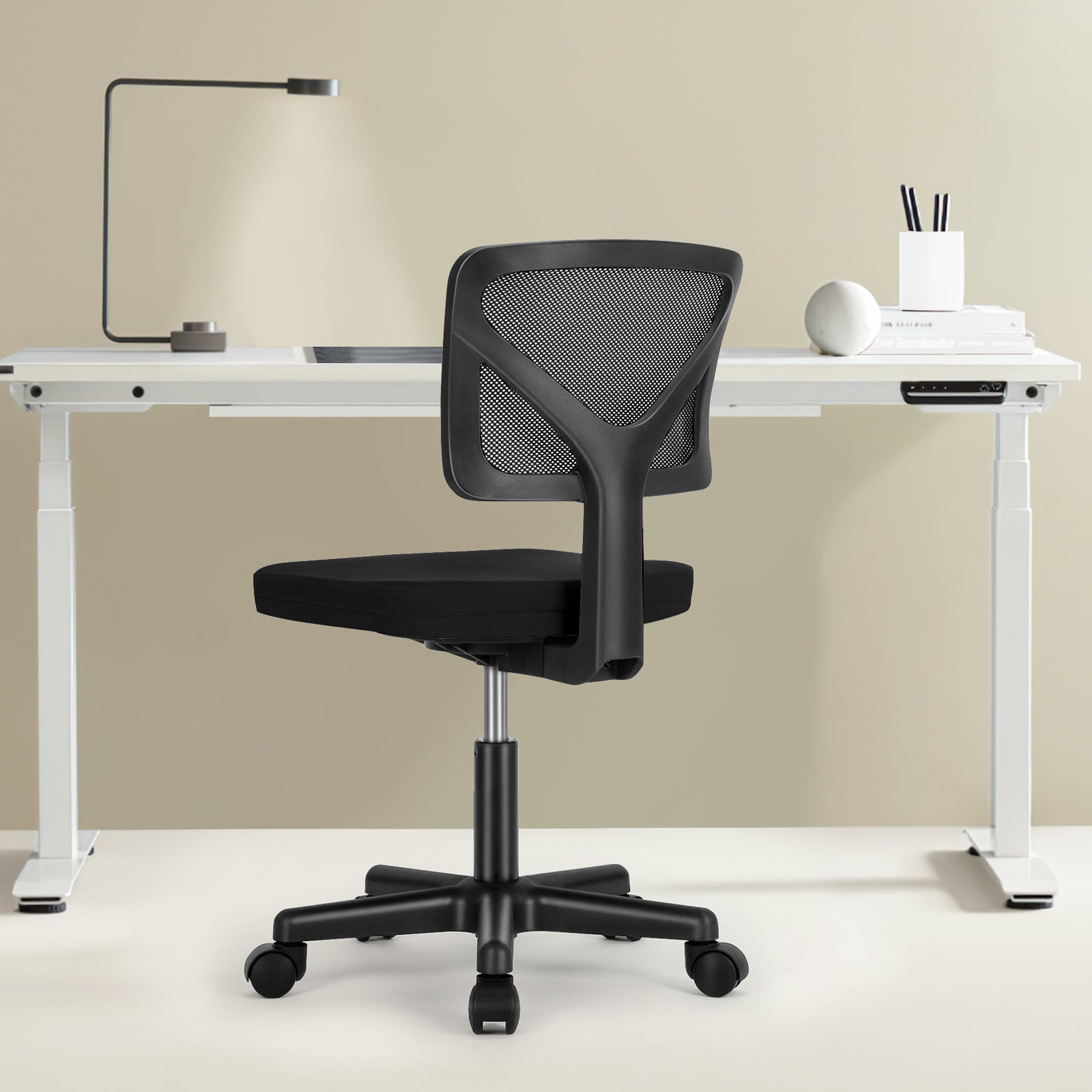
In today’s dynamic work environment, professionals are moving away from bulky, high-back executive thrones toward seating that supports active sitting and postural variety. A low back ergonomic office chair is designed to provide targeted support exactly where you need it — the lumbar region — while leaving your upper back and shoulders free to move. This design encourages natural spinal alignment and reduces the tendency to slouch.
Research Insight: Studies in workplace ergonomics suggest that chairs with lower backrests can improve muscle activation in the core by up to 28% compared to traditional high-back chairs, reducing fatigue during extended desk work. The freedom to move also promotes better circulation and concentration.
Defining Features of Premium Low Back Task Chairs
Low back ergonomic chairs are not just "half a chair". They are precision tools built with thoughtful mechanisms that differentiate them from standard task seating:
- Targeted Lumbar Mechanism: Many models include a height-adjustable lumbar pad or dynamic tension that adapts to your spine’s curve.
- Seat Depth Adjustment: Ensures proper distance from the backrest to the knees, preventing pressure behind the thighs.
- Synchronous Tilt: Allows the seat and backrest to move in a coordinated ratio, supporting natural pelvic motion.
- Breathable Materials: Mesh or perforated fabric backs keep you cool, ideal for active sitters.
- Minimalist Profile: Sleek design fits modern offices, collaborative spaces, and home setups without visual bulk.
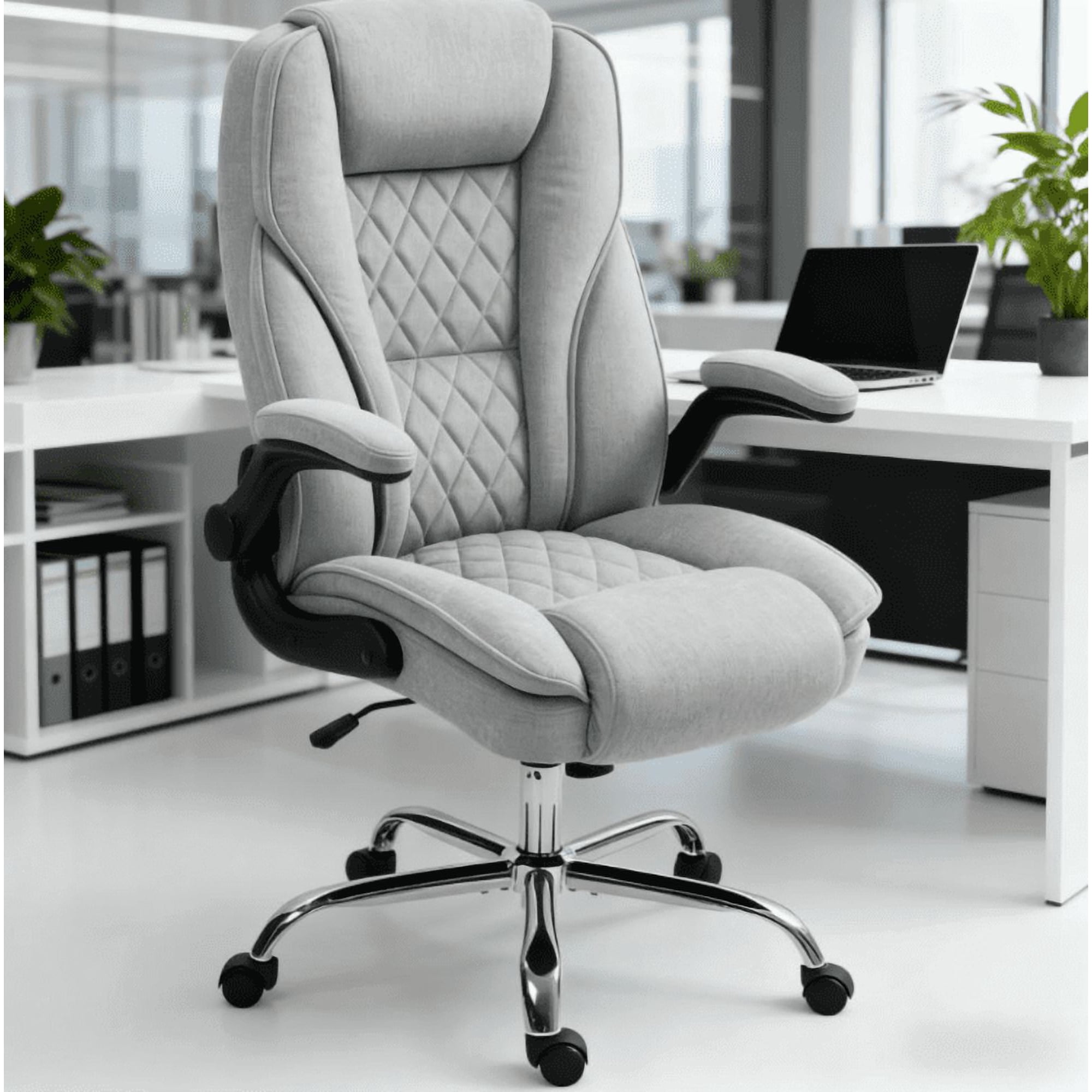
Low Back vs. High Back: Which Is Right for You?
| Feature | Low Back Ergonomic Chair | High Back Executive Chair |
|---|---|---|
| Lumbar Support | Direct, adjustable lumbar zone; promotes active engagement | Full spine contact, may restrict movement |
| Upper Body Mobility | High – shoulders and arms move freely | Limited by tall backrest and often headrest |
| Best Use Case | Task work, agile offices, short-to-medium seated sessions | Long meetings, formal settings, extended recline |
| Aesthetic Style | Modern, minimal, functional | Traditional, authoritative, luxurious |
| Price Range (Quality Models) | $350 – $1,200 | $700 – $2,500+ |
Health & Performance Benefits: More Than Just Comfort
Core Activation & Posture
Without a tall backrest to lean against, your core naturally engages to maintain stability. Over time, this can improve overall posture and reduce lower back strain.
Enhanced Focus & Productivity
Active sitting reduces restlessness. The ability to subtly shift position keeps you alert — perfect for coding, design, or analytical tasks that require sustained concentration.
Better Temperature Regulation
Low back designs, especially mesh-backed variants, allow heat to dissipate quickly, preventing sweat buildup during long working hours.
Flexibility in Movement
Reaching for documents, swiveling between monitors, or leaning into a collaborative conversation becomes seamless without a bulky backrest hindrance.
Choosing Your Ideal Low Back Ergonomic Chair: A Step-by-Step Approach
Step 1: Evaluate Your Work Style
Are you a dynamic sitter who shifts positions often? Do you work in a fast-paced environment requiring upper body mobility? Low back chairs excel for multi-taskers and professionals using standing desks intermittently.
Step 2: Prioritize Lumbar Adjustability
Look for chairs with height-adjustable lumbar support (some also offer depth or firmness control). Without proper lumbar curvature, even a low back chair may cause discomfort.
Step 3: Test Seat Comfort & Depth
Seat depth should allow 2–3 finger widths between the edge of the seat and the back of your knees. Waterfall-edge cushions enhance circulation. High-density foam or breathable mesh seats are preferred.
Step 4: Armrest Adjustability (3D or 4D)
Even in low back models, armrests that pivot, move up/down, and slide in/out reduce shoulder tension and support diverse tasks like typing or phone calls.
Step 5: Build Quality & Warranty
Opt for a Class 4 gas lift, aluminum or reinforced nylon base, and casters suited for your floor type. A warranty of 5–10 years indicates manufacturer confidence.
Material & Design Trends in Low Back Ergonomic Seating
Mesh-Back Models
Ultra-breathable, lightweight, and modern. Mesh low back chairs contour to the spine while preventing heat buildup. Ideal for warm climates or high-intensity work zones.
Fabric Upholstered
Offers a softer, more premium feel with various color options. High-quality woven fabrics are durable and often incorporate stain-resistant treatments. Great for home offices with a cozy aesthetic.
Leather / Faux Leather Accents
Some low back chairs combine leather seats with mesh backs for a sophisticated yet supportive hybrid. Easy to clean and adds a professional touch to management-level task stations.
Active Seat Mechanisms
Certain models include a flexible seat pan or tiltable base that encourages micro-movements. This "dynamic sitting" technology further boosts core activation.
Common Misconceptions About Low Back Office Chairs
- “They lack proper support.” — High-quality low back chairs feature advanced lumbar systems that rival many high-end high-back models. Support is about ergonomic engineering, not backrest height.
- “Only for casual or part-time use.” — On the contrary, many 24/7 task chairs are low-back designs, favored in control rooms and creative studios where alertness matters.
- “Not suitable for tall people.” — With proper seat height range and adjustable lumbar positioning, tall individuals can benefit from low back chairs as long as the seat depth is sufficient.