
The Ultimate Guide to Choosing a Work From Home Office Chair
When your commute shrinks from a highway to a hallway, the importance of your office chair multiplies exponentially. A great work from home office chair isn't just a piece of furniture; it's your daily command center. It's the difference between ending the workday with energy versus ending it with an aching back. With remote work now a permanent reality for millions, investing in a chair designed for the unique demands of a home office is one of the smartest decisions you can make for your health and productivity.
Did you know? According to a study by the American Posture Institute, remote workers spend an average of 8.5 hours sitting at their home desks. Using a dedicated ergonomic home office chair can reduce lower back pain by up to 54% and improve concentration by 38% compared to using a kitchen or dining room chair.
Why Your Home Office Chair Can't Be an Afterthought
It's tempting to grab any old chair, but your body will notice the difference. Think of your chair as the foundation of a house—if it's unstable, everything built on top (your posture, focus, and comfort) suffers. A proper work from home chair provides:
- Sustained Energy Levels: Good ergonomics reduce muscle fatigue, keeping you alert during that 3 PM video call.
- Injury Prevention: Repetitive strain and poor posture can lead to chronic issues like sciatica and herniated discs. A supportive chair is your first line of defense.
- Seamless Integration: Unlike a sterile office, your home reflects your style. Today's home office chairs come in designs that complement your decor, from minimalist mesh to cozy fabric.
- Quiet Operation: Many home-focused chairs feature soft-rolling casters safe for hardwood or laminate floors, without the noisy clatter of traditional office wheels.
Anatomy of an Ideal Work From Home Office Chair
Not all chairs are created equal. Here’s a breakdown of the essential components to look for when shopping for your home workspace:
1. Lumbar Support: The Non-Negotiable Core
Adjustable lumbar support is the star of the show. It fills the gap between your lower back and the chair, maintaining the spine's natural inward curve. Look for chairs that allow you to adjust both the height and depth of the lumbar prominence. This is like having a custom-molded backrest that moves with you.
2. Seat Comfort & Depth
The seat pan should be wide and deep enough to support you comfortably. A waterfall edge (where the front of the seat curves down) takes pressure off your thighs and improves blood circulation to your legs. Seat depth adjustment is a premium feature that lets you slide the pan forward or backward so you can sit with 2-4 inches of space between the back of your knees and the seat.
3. Backrest Height and Recline
For a home office, a mid-back or high-back design is common. High-back chairs offer more shoulder support and are great if you like to lean back during deep thought. A synchronized recline mechanism allows the backrest and seat to move together, providing dynamic support as you change positions. This movement is crucial for spinal disc health.
4. Armrest Adjustability (4D is the Gold Standard)
Static armrests are often worse than none. 4D armrests adjust up/down, left/right, forward/backward, and pivot angle. This allows you to keep your elbows at a 90-degree angle, shoulders relaxed, and forearms parallel to the floor—the perfect typing posture.
5. Material: Mesh vs. Fabric vs. Leather
Your choice sets the tone for comfort and style.
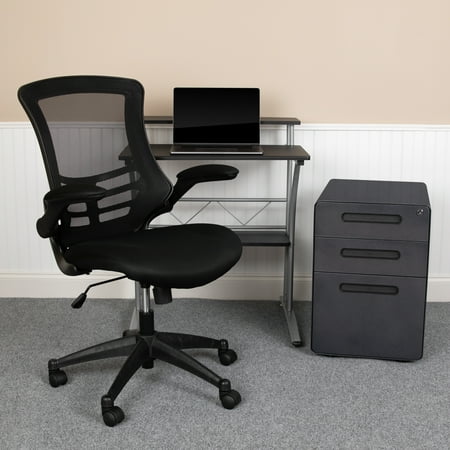
- Mesh: Champion of breathability. It keeps you cool during long hours and offers a modern, professional look. Ideal for warmer climates or if you tend to run hot.
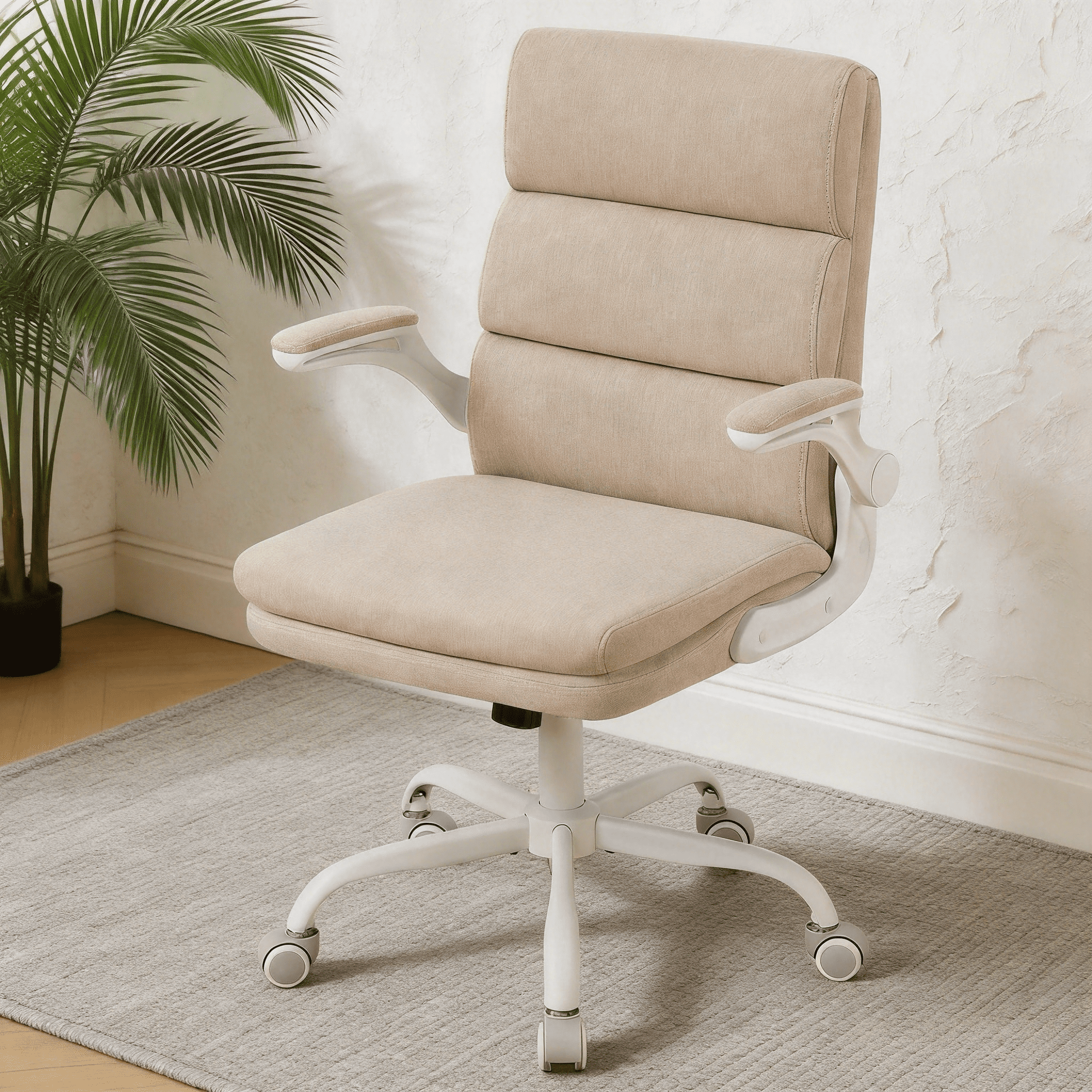
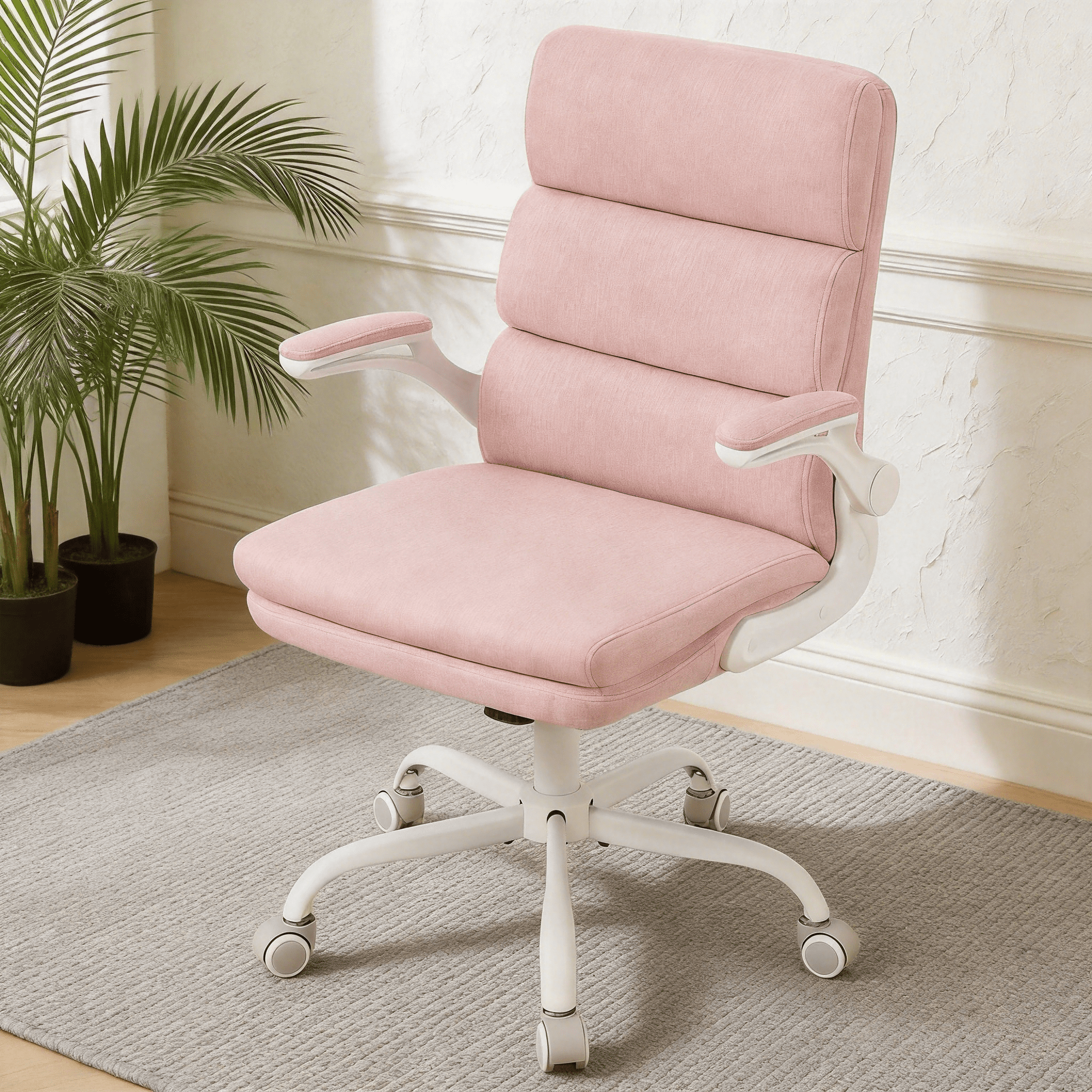
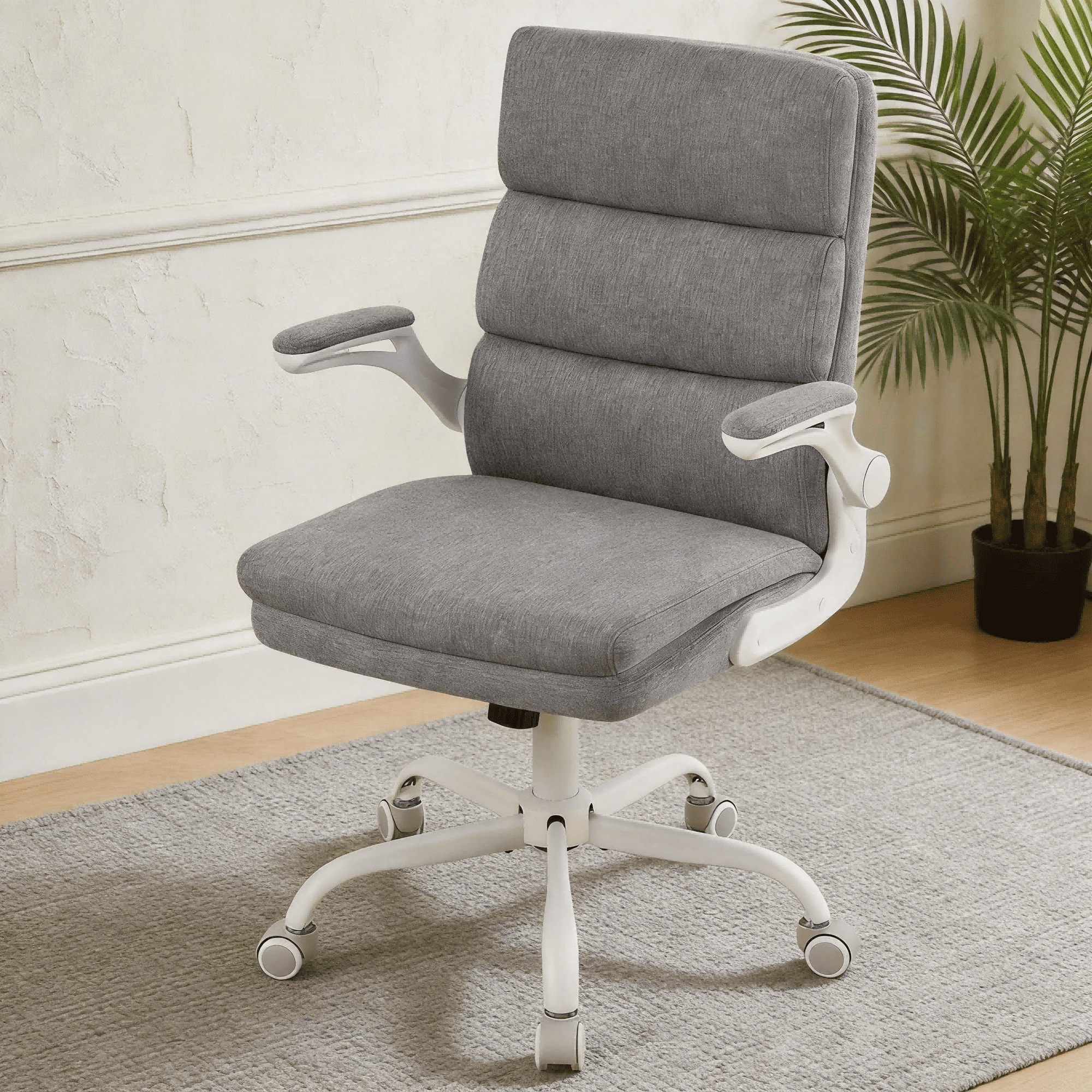
- Fabric: Provides a warm, cozy feel. It's available in countless colors and textures (like bouclé or linen) to match your home aesthetic. Great for cooler environments and those who prioritize softness.
- Leather/Faux Leather: Easy to clean and looks sleek, but can be sticky in summer and cold in winter unless it's in a climate-controlled room. More common in executive-style home offices.
Step-by-Step Guide to Testing Your Chair at Home
You can't test a chair in a store? No problem. Once your chair arrives, follow this 15-minute test to ensure it's the right fit:
- Set up correctly: Adjust the seat height so your feet are flat on the floor, thighs parallel to the ground.
- Check lumbar fit: Sit back. Does the lumbar support hit the curve of your back? Adjust it until it fills the gap comfortably.
- Seat depth check: Make a fist and try to slide it between the back of your calf and the seat edge. If it fits snugly, the depth is correct. If it's too tight or too loose, adjust the seat slider.
- Armrest alignment: Adjust the armrests so they lightly support your elbows while your shoulders are down and relaxed. Your arms should form an L-shape.
- The recline test: Lean back. The tension should be firm enough to support you but light enough to allow movement. Lock the recline if you prefer a fixed angle, or keep it unlocked for dynamic sitting.
- Simulate work: Type for a few minutes. Reach for a phone or a notebook. Does the chair move with you? Are there any pressure points?
Budgeting for Your Home Office Throne
Consider your chair an investment in your most valuable asset: your health. Here's what different price tiers generally offer:
Essential ($150 - $300)
Basic ergonomics, good for part-time work (under 4 hrs/day). May have limited adjustments.
Productivity Sweet Spot ($300 - $600)
Full-time comfort (8 hrs). Includes adjustable lumbar, 3D/4D arms, breathable mesh or quality fabric. Best value for most.
Premium ($600 - $1,200)
Advanced ergonomics, superior materials, longer warranties. Often includes headrests, advanced recline mechanisms, and eco-friendly materials.
Work From Home vs. Office: Key Differences
You might wonder if you can just bring an office chair home. While you can, chairs designed for the home market often include features that matter in a residential setting:
- Floor Protection: Home chairs often come with soft, rubber casters that won't scratch hardwood, tile, or laminate.
- Aesthetics: They are designed to look good in a living room, bedroom, or dedicated home office, with colors and materials that fit home decor.
- Size and Scale: Some home chairs are slightly more compact for smaller home office spaces, without sacrificing ergonomics.
- Quieter Mechanisms: Gas lifts and tilt mechanisms are often engineered to be quieter, so you don't disturb others in your home during a late-night work session.
Data Snapshot: The Impact of a Good Chair
A survey of 1,000 remote workers by a leading ergonomics firm found that:
- 72% reported less back pain after switching to an ergonomic home office chair.
- 65% said their productivity increased due to being more comfortable and taking fewer "comfort breaks."
- 81% felt that a quality chair was a worthwhile investment in their long-term health.
Chair Materials and Your Home Environment
Your home's unique conditions should influence your material choice. If your home office is in a sun-drenched room, mesh will prevent that sticky-back feeling. If your workspace is in a cool, finished basement, a cozy fabric chair might make the space feel more inviting. For pet owners, performance fabric or bonded leather that resists fur and is easy to wipe clean is a practical win. Always consider the "real life" factor: spills happen, kids run through, pets claim territory. Choose a material that can handle your home's daily rhythm.
| Material | Best Home Environment | Breathability | Cleanability | Aesthetic Vibe |
|---|---|---|---|---|
| Mesh | Warm rooms, home offices with no A/C | Excellent | Easy (dust with vacuum) | Modern, professional, sleek |
| Fabric (Polyester/Wool) | Cool rooms, cozy home offices, bedrooms | Good to Medium | Moderate (spot clean) | Warm, casual, Scandinavian/Modern |
| Bonded Leather | Climate-controlled, formal home offices | Low | Very easy (wipe clean) | Executive, classic, upscale |
| Faux Leather/Leather | Executive dens, low-humidity areas | Low | Very easy | Luxury, traditional, powerful |