
The Critical Role of Seating in a Medical Waiting Room
The waiting room is the first real point of physical contact a patient has with your practice. It's more than just a space to sit; it's an extension of the care you provide. The comfort, cleanliness, and condition of your medical office chairs for waiting room areas speak volumes about your attention to detail and patient well-being. A well-chosen waiting room chair can ease patient anxiety, project professionalism, and withstand the rigorous demands of a healthcare environment.
Industry Insight: Studies in environmental psychology suggest that a comfortable and aesthetically pleasing waiting room can significantly reduce perceived wait times and lower patient stress levels before an appointment. Investing in quality seating is an investment in the overall patient experience.
Beyond Aesthetics: The Science of Selecting Medical Waiting Room Chairs
Choosing the right seating for a medical facility involves a complex interplay of factors that go far beyond simple comfort. You must consider infection control, patient demographics, space efficiency, and long-term value. This guide will walk you through the critical decision-making process.
1. Material Science: The Front Line of Infection Control
The material of your waiting room chairs is arguably the most important feature in a medical setting. It must be a barrier against pathogens while remaining comfortable and attractive.
- Medical-Grade Vinyl (PU Leather): This is the gold standard for healthcare. It's non-porous, meaning liquids and bacteria cannot penetrate the surface. It stands up to repeated cleaning with hospital-grade disinfectants, including bleach solutions, without degrading. It offers a good balance of comfort, durability, and cost-effectiveness.
- Polyester and Nylon Fabrics: While some high-performance fabrics are treated with antimicrobial and fluid-resistant coatings, they are generally more porous than vinyl. They can be comfortable and offer more design variety but require more careful cleaning and may not be suitable for high-risk areas.
- Genuine Leather: Although durable and luxurious, leather is more porous and susceptible to damage from harsh cleaning chemicals. It requires specialized conditioners and is not typically recommended for busy medical waiting rooms due to infection control protocols.
2. Frame Construction and Durability: Preparing for High-Traffic
A medical waiting room chair endures constant use. The frame is its backbone, determining its lifespan and safety.
- Metal Frames: Typically made of steel or reinforced aluminum, metal frames offer the highest durability and weight capacity. They are resistant to warping and provide a solid, stable foundation. Look for powder-coated finishes to prevent rust and corrosion.
- Hardwood Frames: Kiln-dried hardwood frames are strong and can be very durable, but they are heavier and can be susceptible to environmental changes. They are often found in more traditional or residential-style waiting room chairs.
- Reinforced Polymer: Some modern chairs use high-strength polymers. They are lightweight and can be molded into ergonomic shapes, but their long-term durability in high-abuse environments may not match that of metal.
3. Ergonomics for the Average Patient: Designing for Comfort and Accessibility
Your patients come in all shapes, sizes, and mobility levels. Ergonomic design in a waiting room chair is about accommodating this wide spectrum.
- Seat Height and Depth: A standard seat height of 18-20 inches from the floor makes it easier for most people to sit and stand. Adequate seat depth (typically 20-22 inches) supports the thighs without putting pressure behind the knees, which is crucial for older patients or those with circulation issues.
- Backrest Support: A contoured backrest that follows the natural curve of the spine provides essential lumbar support. This is particularly important for patients with chronic back pain who may be waiting for an appointment.
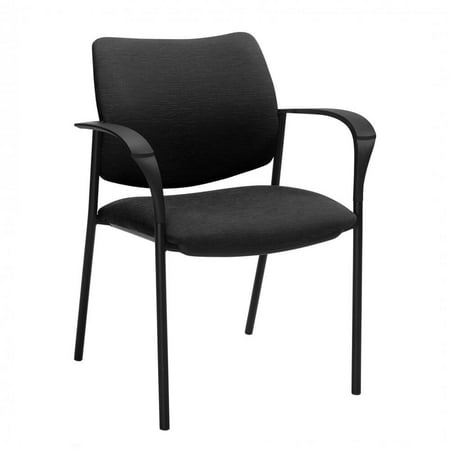
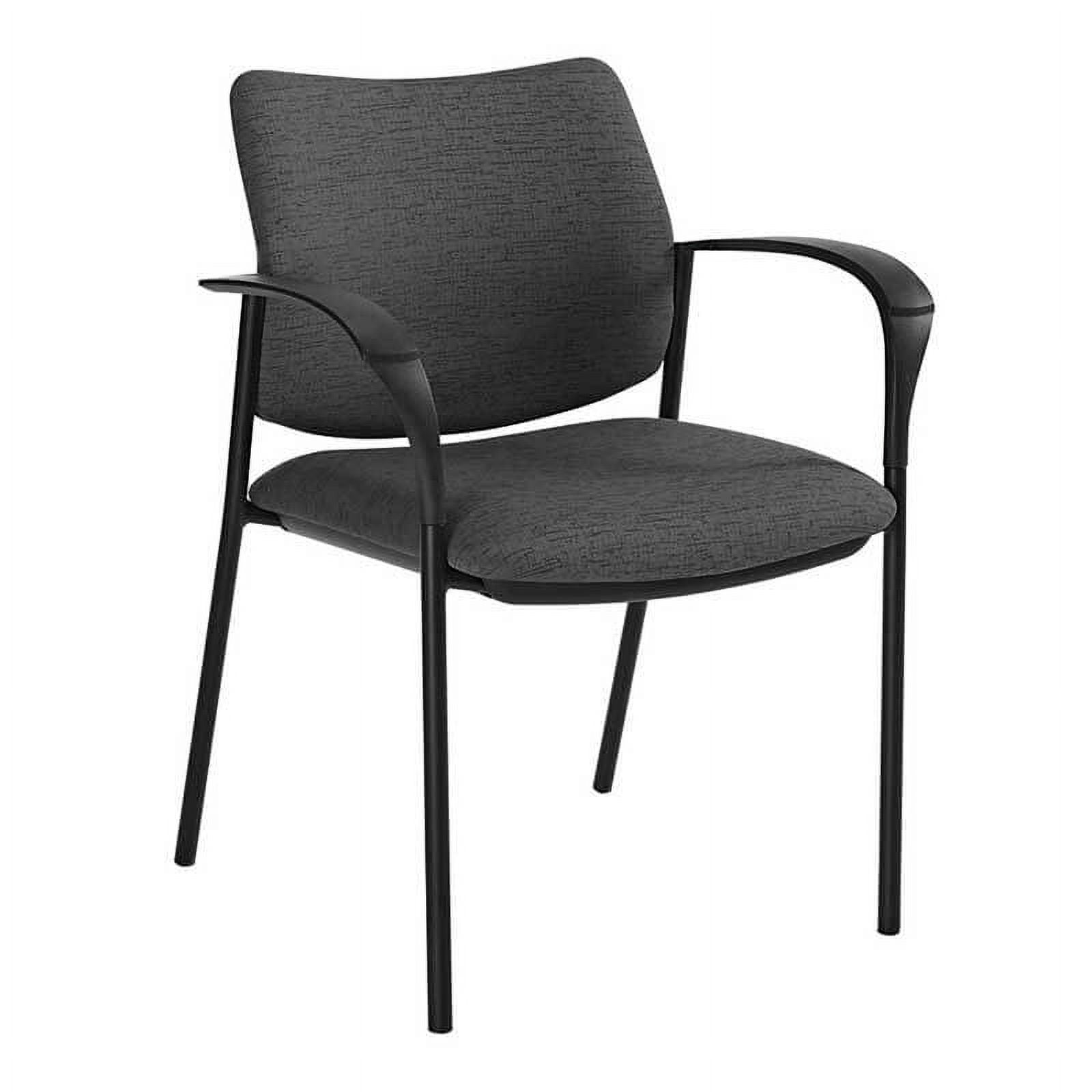
- Armrests vs. No Armrests: This is a key decision. Chairs with armrests provide crucial support for patients who need help pushing themselves up. However, armless chairs offer greater flexibility, allowing for more seating capacity and easier access for patients using walkers or wheelchairs who might need to slide in from the side. A mix of both types is often the best solution.
4. Spatial Planning and Layout: The Flow of Your Waiting Area
The physical arrangement of your chairs impacts patient flow, social distancing, and overall room ambiance.
- Measure Your Space: Create a scaled floor plan. Account for doorways, walkways, and the clearance needed for wheelchair access (ADA guidelines recommend at least 36 inches for hallways).
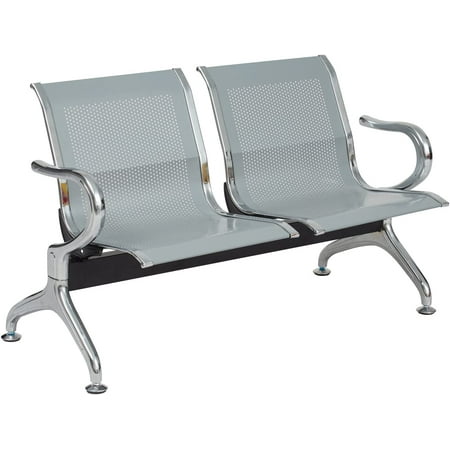
- Consider Seating Configurations: Individual chairs offer the most flexibility for rearranging. Two-seat or three-seat benches can efficiently line walls and encourage family groups to sit together.
- Plan for Traffic Flow: Ensure clear pathways to the reception desk and exam room doors. Avoid creating bottlenecks where patients have to squeeze past seated individuals. A good rule of thumb is to allow 18-24 inches between chairs for personal space and movement.
5. Adherence to Standards: Safety and Compliance
Your choice of seating must comply with local fire codes and accessibility laws.
- CAL 117 and TB 117-2013: These are flammability standards for upholstered furniture. Ensure any chair you purchase meets these requirements, which is standard for commercial furniture.
- Americans with Disabilities Act (ADA) Guidelines: While not every chair needs to be ADA-compliant, your waiting area must provide accessible seating. This typically requires a certain number of chairs with specific dimensions (e.g., seat height of 17-19 inches) and clear floor space for a wheelchair to pull up alongside a seat.
Quick Reference: Patient Needs vs. Chair Features
| Patient Demographic / Need | Key Chair Feature to Prioritize | Why It Matters |
|---|---|---|
| Elderly Patients | Chairs with sturdy armrests and a slightly higher seat height. | Provides leverage for sitting down and standing up, reducing the risk of falls. |
| Bariatric Patients | Chairs with a high weight capacity (400lbs+), wider seat, and reinforced frame. | Ensures safety, comfort, and dignity for larger patients. |
| Patients with Mobility Aids (Walkers/Wheelchairs) | Armless chairs or a mix of seating types that allow for side transfer. | Facilitates easier transfer from a mobility aid to the seat and vice versa. |
| Families with Children | Durable, easy-to-clean vinyl. Individual chairs that can be easily moved. | Vinyl withstands spills and messes. Movable chairs allow families to create their own grouping. |
| Infection Control (All Patients) | Non-porous, fluid-resistant upholstery like medical-grade vinyl. | Allows for effective sanitization between patients, crucial for preventing the spread of illness. |
Balancing Aesthetics with Function in Your Medical Practice
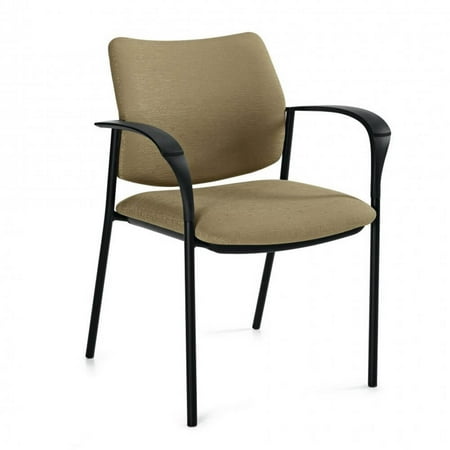
The days of sterile, uninviting medical waiting rooms are fading. Modern patients respond positively to a space that feels warm and caring. This doesn't mean sacrificing function. Manufacturers now offer medical-grade chairs in a wide array of colors and styles. You can choose calming blues and greens to promote relaxation, or warm earth tones to create a more residential feel. The key is to select upholstery colors and frame finishes that complement your practice's brand while still meeting the rigorous demands of infection control and durability.
Total Cost of Ownership: More Than Just the Sticker Price
When budgeting for medical office chairs for waiting room areas, it's essential to look beyond the initial purchase price. A cheaper chair might save money today but could cost more in the long run through faster wear and tear, difficult cleaning, and earlier replacement. Consider the "total cost of ownership," which includes:
- Durability: How many years will the chair last under daily use?
- Maintenance: How much time and money will be spent on cleaning and repairs?
- Sanitation Efficacy: Can the chair be effectively and efficiently sanitized to meet your infection control protocols?
- Warranty: A longer, more comprehensive warranty is a sign of manufacturer confidence and protects your investment.
Investing in a mid-to-high-range chair with proven durability and cleanability often results in a lower total cost over a 5-10 year period compared to replacing budget chairs every few years.
Frequently Asked Questions About Medical Office Waiting Room Chairs
Conclusion: Building a Better Patient Experience, One Chair at a Time
Selecting the right medical office chairs for your waiting room is a strategic decision that impacts patient perception, operational efficiency, and long-term costs. By prioritizing medical-grade materials, robust construction, and patient-centric ergonomics, you create a welcoming and safe environment that reflects the quality of care you provide.
Your Waiting Room Seating Strategy
Prioritize seamless, medical-grade vinyl chairs with metal frames and minimal crevices for maximum infection control and durability.
Choose brightly colored, durable vinyl that's easy to wipe down. Consider a mix of single and bench seating to accommodate families.
You may have more flexibility to incorporate higher-end materials or residential styles, but always ensure the upholstery can be effectively sanitized.
Final Recommendations by Practice Type
| Practice Type | Recommended Chair Material | Key Features to Prioritize | Estimated Budget Range (Per Chair) |
|---|---|---|---|
| Dental/GP Clinic (High Volume) | Medical-Grade Vinyl | Fluid-resistant, metal frame, easy-clean surfaces, comfortable padding for short waits. | $250 - $500 |
| Hospital Outpatient/ER Waiting | Heavy-Duty Vinyl / Antimicrobial Coated Fabric | Extreme durability, high weight capacity options (bariatric), tamper-resistant construction. | $400 - $800+ |
| Physical Therapy / Chiropractic | High-Performance Vinyl | Excellent lumbar support, slightly firmer seat, easy for patients to get in and out of. | $300 - $600 |
| Specialist Office (Dermatology, Cardiology) | Premium Vinyl or Treated Fabric | Balance of comfort for potentially longer waits, professional aesthetics, and cleanability. | $350 - $700 |
Note: Prices are estimates and can vary based on brand, quantity, and specific features. Always request commercial-grade pricing and check warranties.