
Why HomeSense Office Chairs Are Redefining Home Workspaces
The line between home and office has never been blurrier. Your home office isn't just a place to work—it's an extension of your living space, reflecting your personality and style. Enter HomeSense office chairs: a category of seating that prioritizes aesthetics and residential comfort as much as functionality. These chairs are designed to feel like they belong in your home, not in a sterile corporate cubicle.
Work-from-Home Insight: A 2023 survey by the American Home Furnishings Alliance found that 68% of remote workers consider the look of their home office furniture "very important" to their overall job satisfaction and productivity. Your chair is now part of your home's decor.
What Makes a HomeSense Office Chair Different?
Unlike traditional task chairs that scream "office," HomeSense models borrow elements from residential furniture. Think of them as the perfect hybrid: the ergonomic bones of an office chair with the stylish skin of an accent chair.
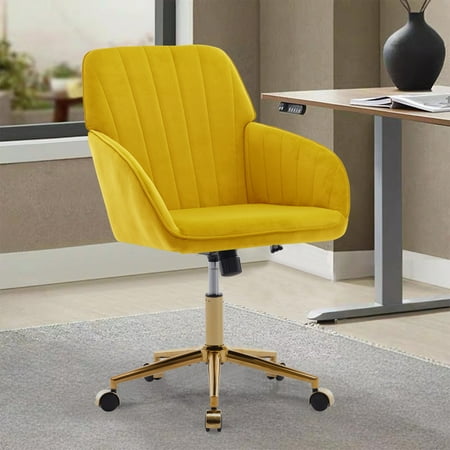
- Design-Led Aesthetics: Features like channel tufting, tapered wood legs, velvet or linen upholstery, and curved backrests make these chairs visually appealing from every angle.
- Residential-Scale Comfort: They often use plush, high-density foam cushions that feel more like a favorite armchair than a firm office seat, providing "sink-in" comfort for long tasks.
- Compact & Versatile Footprints: Ideal for home offices, spare rooms, or even a corner of the living room, these chairs typically have a smaller footprint than massive executive chairs.
- Material Variety: From durable performance fabrics that resist stains to luxurious velvets and eco-friendly linen blends, the material choices are vast and home-centric.
- Hidden Ergonomics: Don't let the stylish exterior fool you. Many models conceal essential ergonomic features like lumbar support, tilt mechanisms, and height adjustability.
Decoding the HomeSense Office Chair: A Detailed Breakdown
Selecting the right HomeSense chair involves looking beyond the surface. Here’s a guide to the key components that matter for your comfort and the chair's longevity.
| Component | Why It Matters for Home Use | What to Look For |
|---|---|---|
| Frame & Base | Determines the chair's stability and overall style. A wood base adds warmth, while a metal base offers a modern, industrial touch. | Kiln-dried hardwood frames for durability. Look for solid wood or reinforced metal five-star bases. Wheels (casters) should be floor-friendly (e.g., rubber for hardwood). |
| Upholstery & Fill | Impacts comfort, durability, and how well the chair fits your home's aesthetic. It's the most visible and tactile element. | High-density foam (1.8 lbs/cubic foot or higher) resists sagging. For fabric, check the "double rub" count (30,000+ is good for home office use). |
| Ergonomic Mechanisms | Ensures the chair supports your body during work, preventing aches and fatigue. These features are often discreetly integrated. | Pneumatic seat height adjustment, tilt tension control, and a lockable recline. Some models offer adjustable lumbar via a knob or a built-in cushion. |
| Armrests | They support your arms and shoulders, reducing strain. In a home setting, they also contribute to the chair's silhouette. | Fixed padded arms for classic look, or flip-up arms if you need to tuck the chair under a desk. Height-adjustable arms offer the best ergonomic fit. |
| Swivel & Movement | Essential for dynamic sitting and reaching different areas of your desk without straining. Smooth movement is key. | A 360-degree swivel base with smooth-rolling casters suitable for your floor type (carpet, hardwood, tile). |
Health and Lifestyle Benefits of a Well-Chosen HomeSense Chair
Investing in a chair that you love to look at and sit in has surprising benefits that go beyond physical health.
Enhanced Mood & Motivation
A beautiful, comfortable workspace can boost your mood by 15-20%, making Monday mornings feel less daunting.
Better Posture, Naturally
When a chair is comfortable and supportive, you're less likely to slouch. Good lumbar support encourages a natural 'S' curve in your spine.
Seamless Work-Life Integration
A chair that doesn't look out of place in your home helps mentally separate 'work' from 'life' less starkly, reducing end-of-day clutter anxiety.
Long-Term Value
Quality HomeSense chairs are built to last, acting as both a functional work tool and a durable piece of home furniture, offering excellent long-term value.
Styles of HomeSense Office Chairs: Find Your Match
The world of HomeSense chairs is diverse. Here are three popular archetypes to help you narrow your search.
1. The Mid-Century Modern Swivel
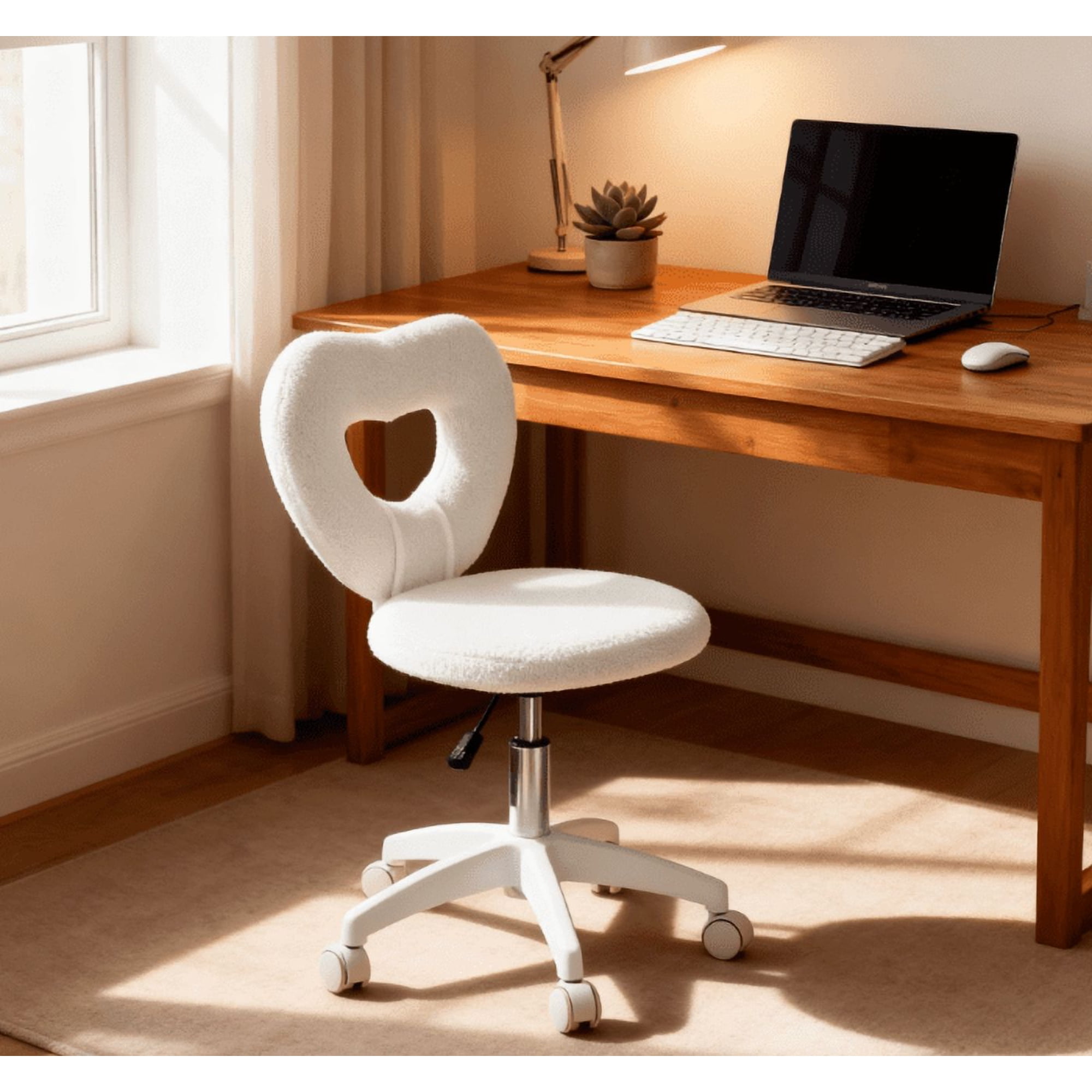
Characterized by organic curves, tapered wooden legs (often walnut or oak), and simple, clean lines. Upholstery is often in solid colors or subtle textures. This style is perfect for adding a retro-chic vibe to a modern or bohemian office. It's like the stylish sibling of the classic Eames desk chair.
2. The Tufted Executive Accent
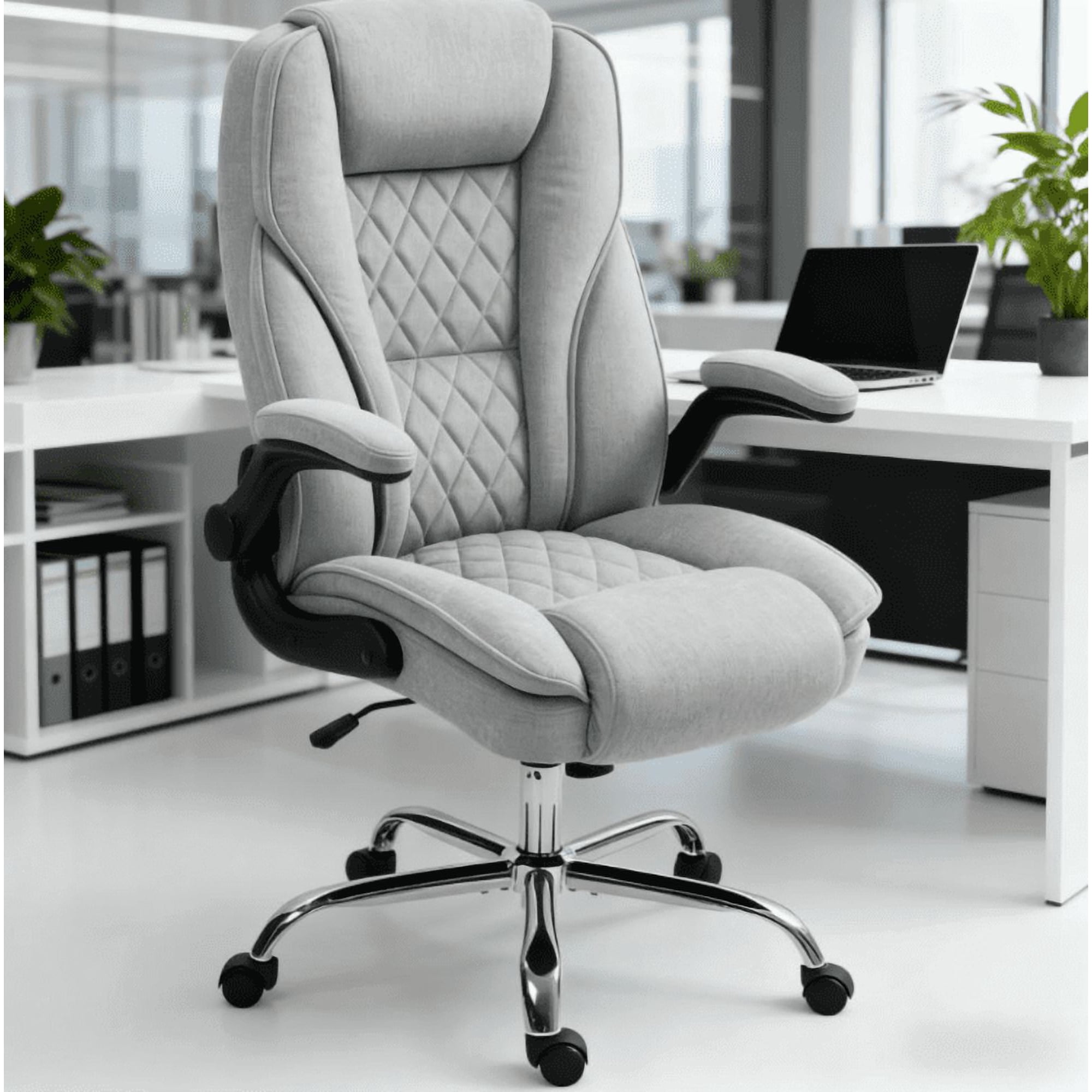
This style brings a touch of glamour or traditional elegance. Think diamond or button tufting on the back, often in velvet or faux leather. The base might be a sleek metal or a covered swivel. These chairs act as a statement piece, adding texture and sophistication to your workspace.
3. The Minimalist Performance Fabric Chair
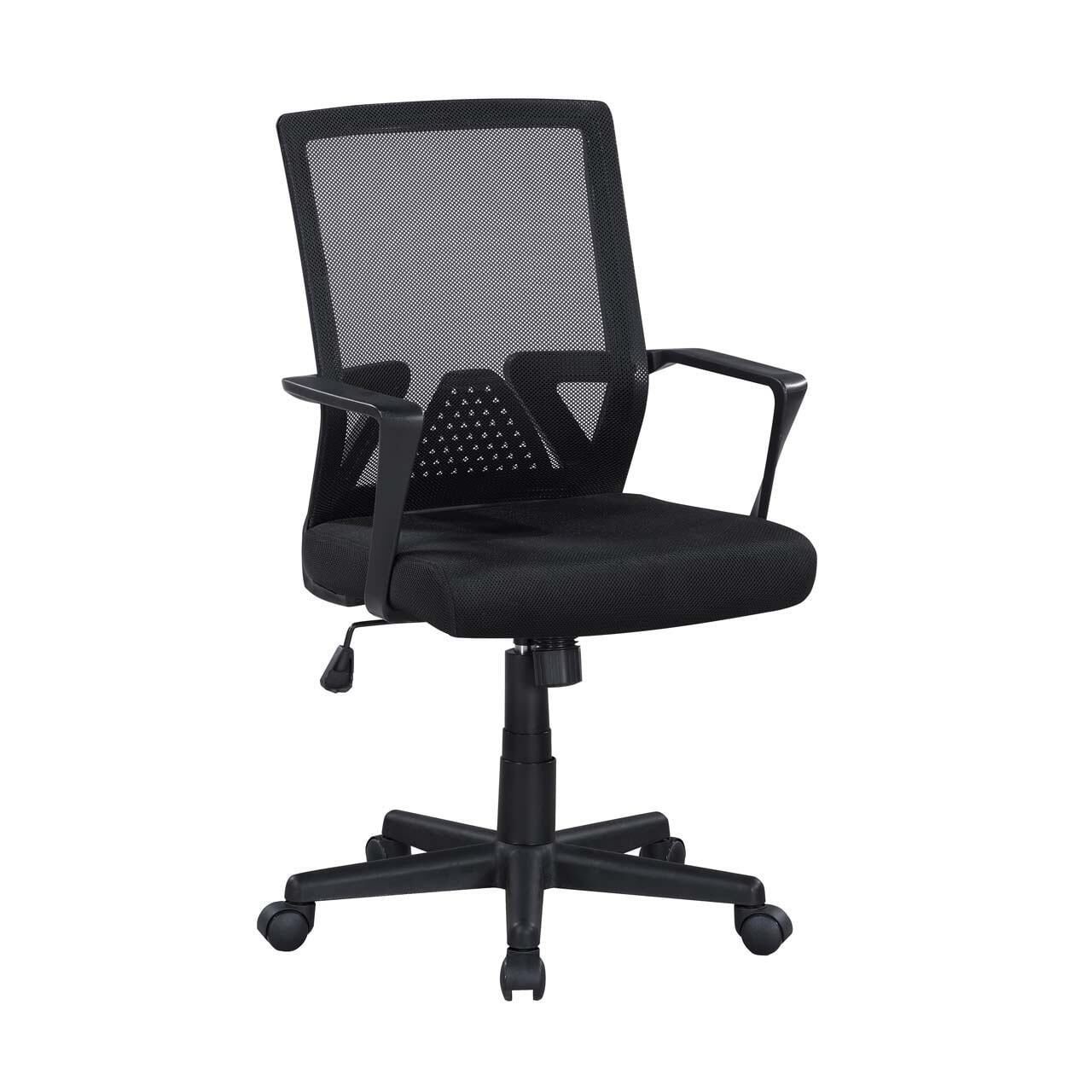
Designed for practicality without sacrificing style. These chairs use high-performance, stain-resistant fabrics in neutral or muted tones. They feature a simple, ergonomic form with a focus on comfort and durability. They are the workhorses of the HomeSense world, ideal for busy home offices or families.
How to Choose the Perfect HomeSense Office Chair: A Step-by-Step Guide
Selecting a chair for your home office is a personal journey. It’s where you'll spend countless hours. Follow this guide to make a choice you'll love for years.
Step 1: Measure Your Space and Desk
- Desk Height: Measure from the floor to the underside of your desk. You need a chair whose maximum seat height is slightly less than this (typically 17-21 inches is standard).
- Room Footprint: Account for the chair's width and the space needed to swivel and recline. A chair with a smaller base is better for tight corners.
- Floor Type: Check your casters. Hardwood floors require soft rubber or polyurethane casters to prevent scratches; carpets need harder nylon casters to roll easily.
Step 2: Prioritize Your "Must-Have" Features
Create a checklist based on your work habits. Use this matrix to guide you:
Prioritize adjustable lumbar, seat depth adjustment, and breathable fabric.
Choose a chair with a visually appealing backrest and a quiet mechanism. Headrest optional but helpful.
A smooth swivel and tilt mechanism are key for movement.
Look for easy-to-clean, durable fabrics and perhaps flip-up arms for storage.
Step 3: Set a Realistic Budget
HomeSense chairs offer great value at various price points. Here's what you can generally expect:
Entry-Level
Good style, basic foam, limited adjustability. Ideal for occasional use.
Mid-Range Sweet Spot
Better ergonomics, higher-density foam, durable fabrics, and solid mechanisms.
Premium Investment
Top-grain leather, premium performance fabrics, advanced ergonomics, exceptional build quality.
Step 4: Test (If Possible) and Read Reviews
Pro Tip for Online Shopping: Look for detailed video reviews. Pay attention to comments about seat cushion firmness, ease of assembly, and caster noise. A 30-day return policy is a huge plus, giving you a real-world test period.
Frequently Asked Questions About HomeSense Office Chairs
Final Thoughts: Your Home Office Deserves a Chair You'll Love
Choosing a HomeSense office chair is about more than just finding a place to sit. It's about curating a workspace that inspires you, supports your health, and feels like an authentic part of your home. By focusing on the perfect blend of style, comfort, and durability, you're making an investment in your daily well-being and the overall aesthetic of your living space. Don't settle for a generic office chair when you can have a piece that brings you joy every time you sit down to work.