
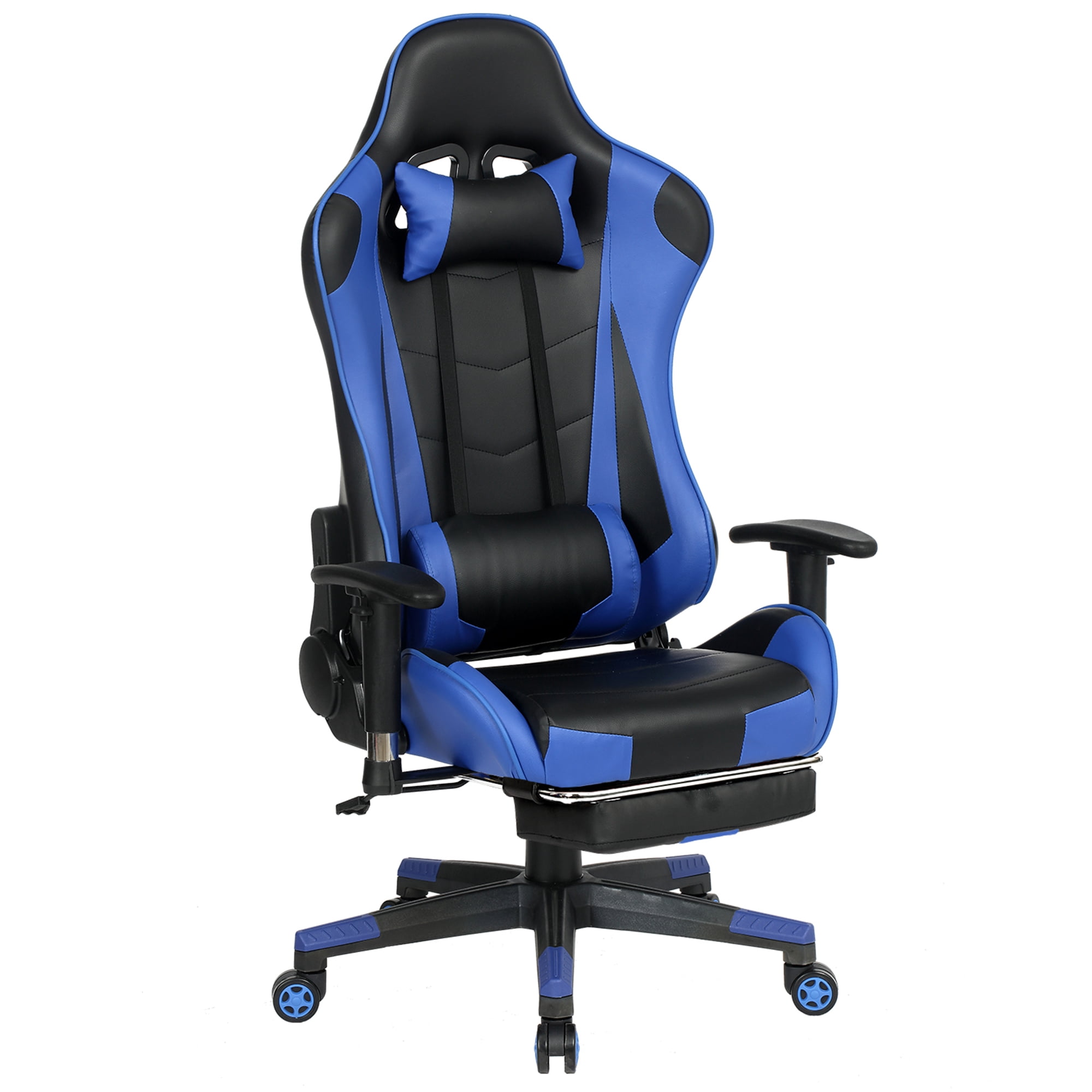
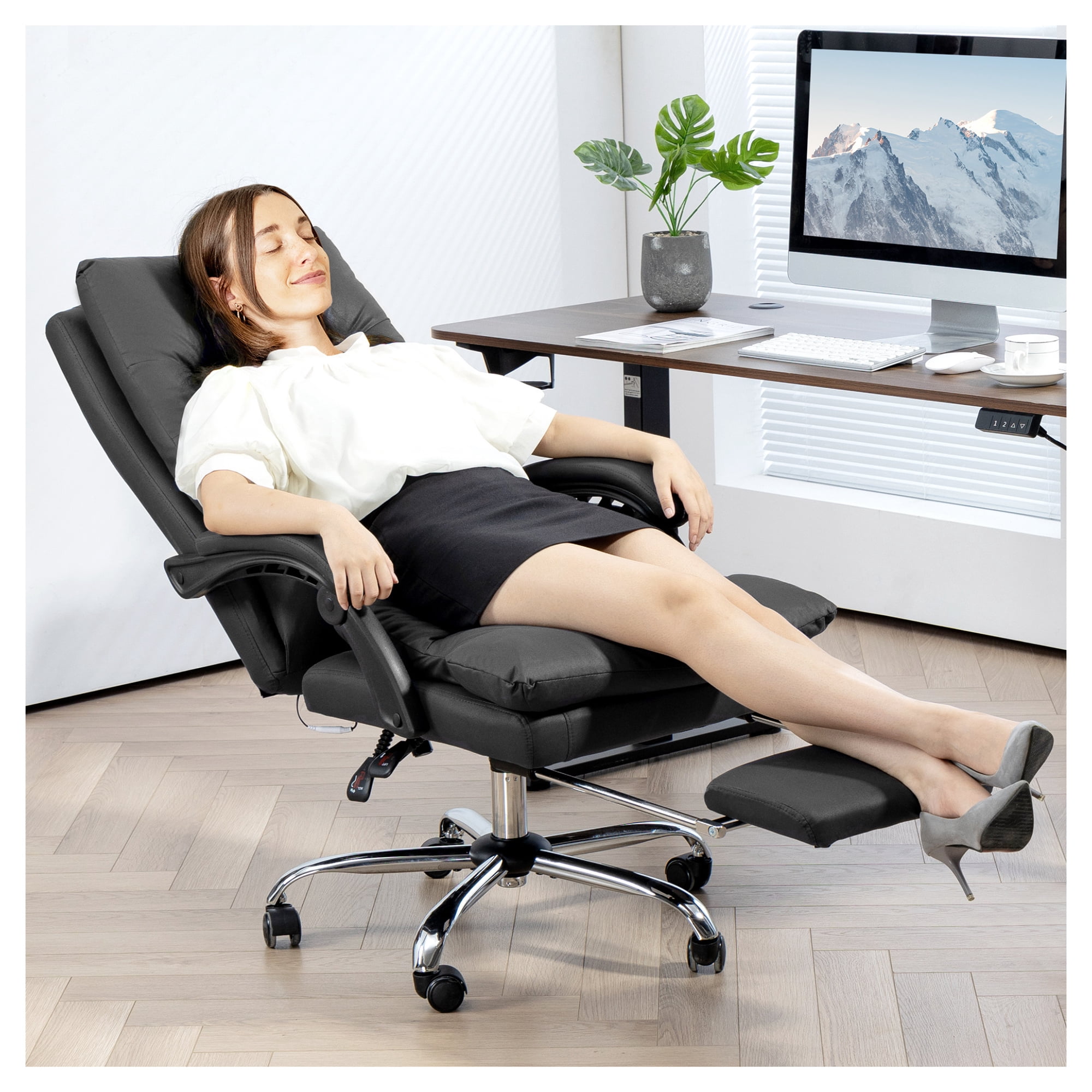
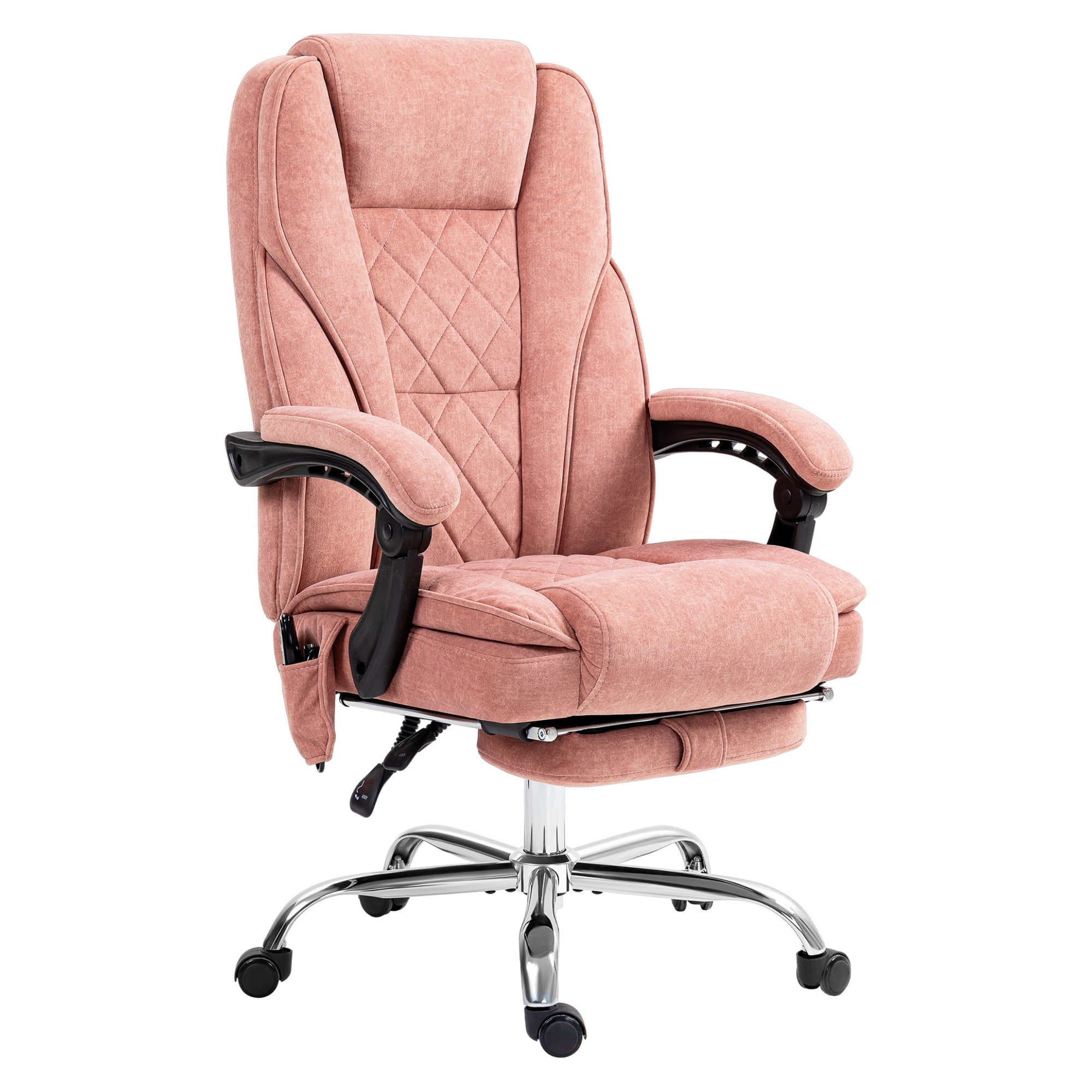
The New Standard in Home Office Comfort: Why a Massage Chair Matters
The modern work-from-home revolution has brought incredible flexibility, but it's also introduced a new set of physical challenges. Without the daily movement of a traditional office environment, many remote workers are experiencing increased back pain, neck stiffness, and overall physical fatigue. A home office chair with massage is no longer a luxury—it's becoming an essential tool for maintaining health and productivity.
Ergonomic Insight: Studies show that prolonged static sitting reduces blood flow to spinal discs by up to 30%, accelerating fatigue and discomfort. A massage function actively counteracts this by promoting circulation and relaxing tense muscles, helping you stay focused and comfortable for longer periods.
How Massage Technology Enhances Your Work-from-Home Experience
Integrating massage into your office chair is like having a personal wellness coach built into your workstation. It's a proactive approach to self-care that fits seamlessly into a busy schedule. Instead of waiting until the end of the day to relieve aches, a massage chair allows you to address tension as it builds.
Active Muscle Recovery
Vibration and shiatsu massage nodes work to knead tight muscles, releasing lactic acid buildup and reducing the risk of chronic pain conditions.
Improved Circulation
Gentle stimulation encourages blood flow, delivering oxygen and nutrients to fatigued tissues while helping to prevent numbness and tingling.
Enhanced Mental Focus
Physical discomfort is a major distraction. By alleviating pain and promoting relaxation, massage helps clear mental fog and sharpens concentration.
Heat Therapy Synergy
Many models combine massage with soothing heat, which penetrates deeper into muscles to ease stiffness and provide a calming effect during stressful tasks.
Key Ergonomic Features to Pair with Massage
While the massage function is a standout feature, the foundation of any great office chair is its ergonomic design. The best home office chairs with massage don't sacrifice support for therapeutic features. Here’s what to look for in a well-rounded model:
- Adjustable Lumbar Support: Even with massage, you need proper spinal alignment. Look for chairs with a dedicated, height-adjustable lumbar system that works independently of the massage nodes.
- Seat Depth Adjustment: This allows you to position the seat pan so there's a comfortable 2-3 finger gap between the edge of the seat and the back of your knees, preventing circulation restriction in your legs.
- Multi-Dimensional Armrests: 4D armrests (adjustable in height, width, pivot, and depth) ensure your shoulders and neck remain relaxed, reducing strain that can lead to tension headaches.
- High-Density Foam Padding: A chair with high-resiliency foam maintains its shape and support for years, providing a stable base that doesn't bottom out, which can interfere with the massage mechanism's effectiveness.
- Reclining Capability: The ability to recline (often with a tilt-lock mechanism) allows you to shift your posture and let the massage nodes target different areas of your back more effectively.
Types of Massage Systems in Office Chairs
Understanding the different massage technologies will help you choose the chair that best meets your needs. Here’s a breakdown of what you'll typically find:
| Massage Type | How It Works | Best For |
|---|---|---|
| Vibration Massage | Uses oscillating motors to create a gentle, rhythmic vibration. | Relaxing tired muscles, improving surface-level circulation, and providing a soothing sensation without deep pressure. |
| Shiatsu Massage | Features rotating nodes that move in a circular, kneading motion, mimicking finger pressure. | Targeting deep knots, relieving chronic tension in the lower back, shoulders, and neck. |
| Rolling Massage | Nodes move up and down along a track, providing a stroking or rolling sensation along the spine. | Full-back relaxation, stretching the spinal muscles, and promoting flexibility along the entire back. |
| Infrared Heat | Uses infrared light to generate heat that penetrates deep into muscle tissue. | Increasing blood flow, reducing inflammation, and providing deep, therapeutic warmth that enhances other massage types. |
Setting Up Your Massage Office Chair for Optimal Use
Simply owning a massage chair isn't enough; proper setup and usage habits are key to maximizing its benefits. Consider this your quick-start guide:
1. Position Your Chair Correctly
Start with the basics: your feet should be flat on the floor, thighs parallel to the ground, and your screen at eye level. The massage function should enhance, not compensate for, a poor ergonomic setup.
2. Learn Your Chair's Controls
Familiarize yourself with the massage intensity levels, zone selection, and timer functions. Many chairs offer preset programs (e.g., "Relax," "Recovery," "Work Break") that automatically cycle through different techniques.
3. Schedule Massage Breaks
Instead of waiting until you're in pain, schedule short massage sessions. Use a 15-minute session during your morning review, another after lunch to combat the post-meal slump, and a final one before the end of your workday to ease the transition to personal time.
4. Combine with Movement
Use the massage feature as a complement to movement. After a massage session, stand up, stretch, and take a short walk. This combination of passive relief and active movement is the most effective strategy for combating sedentary work.