
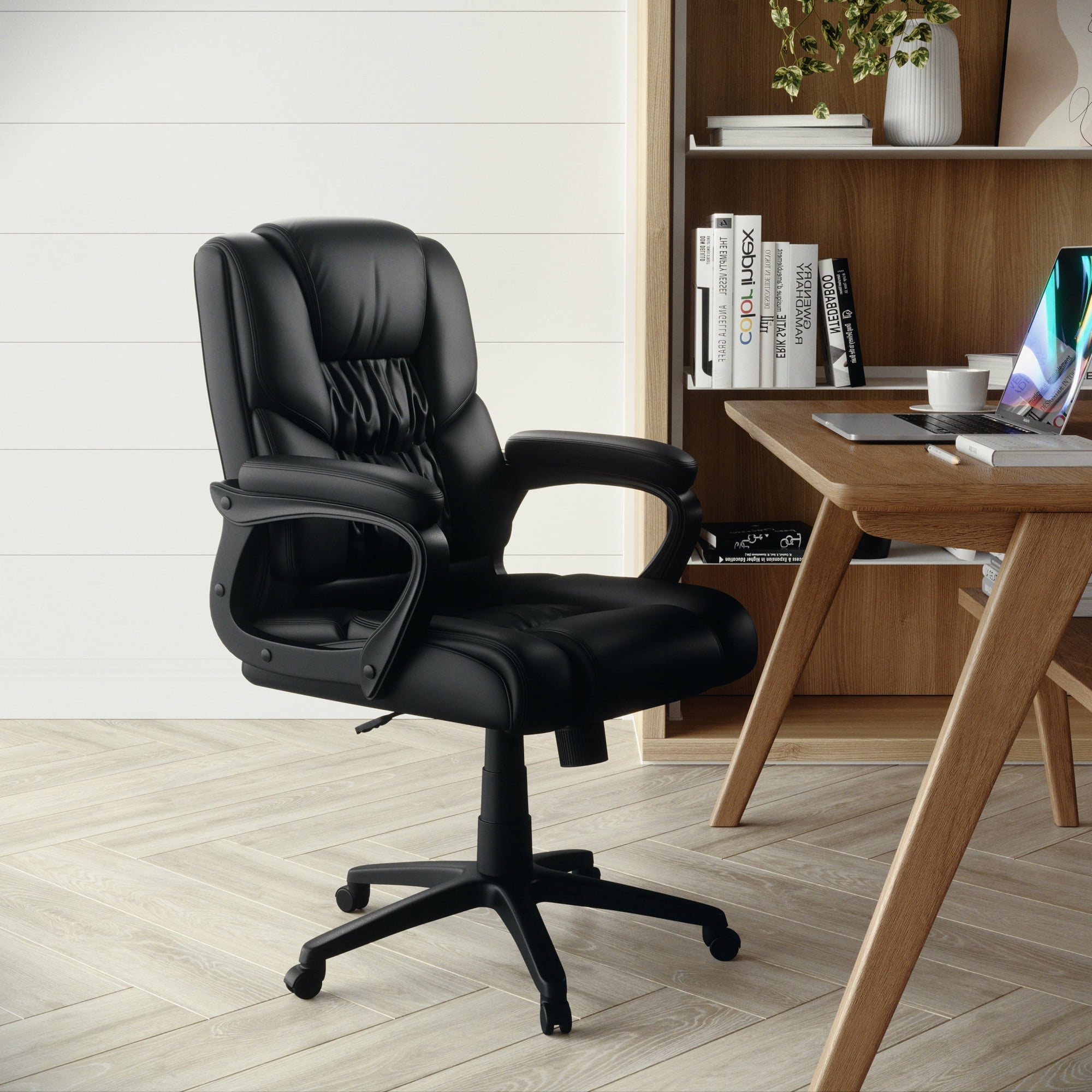
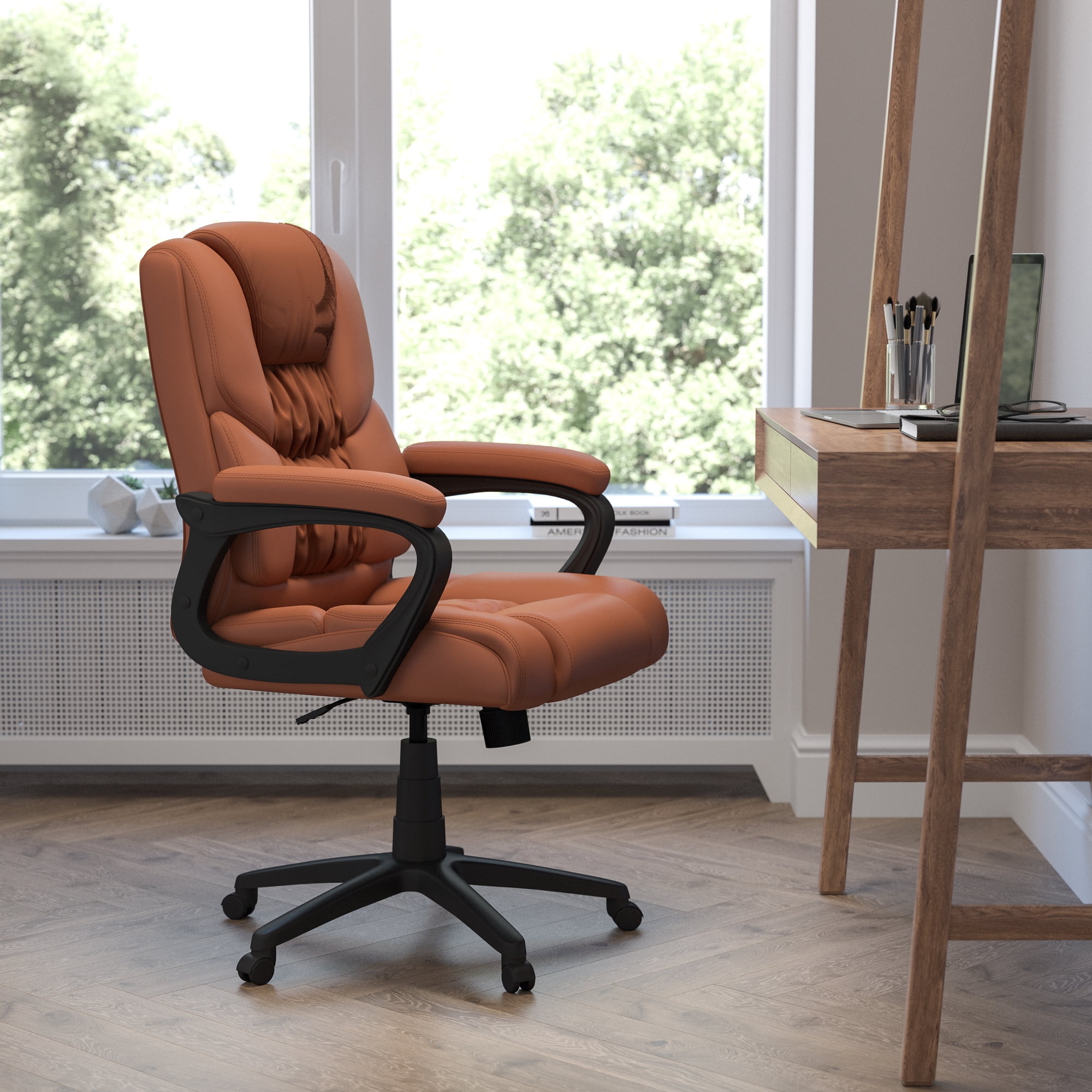
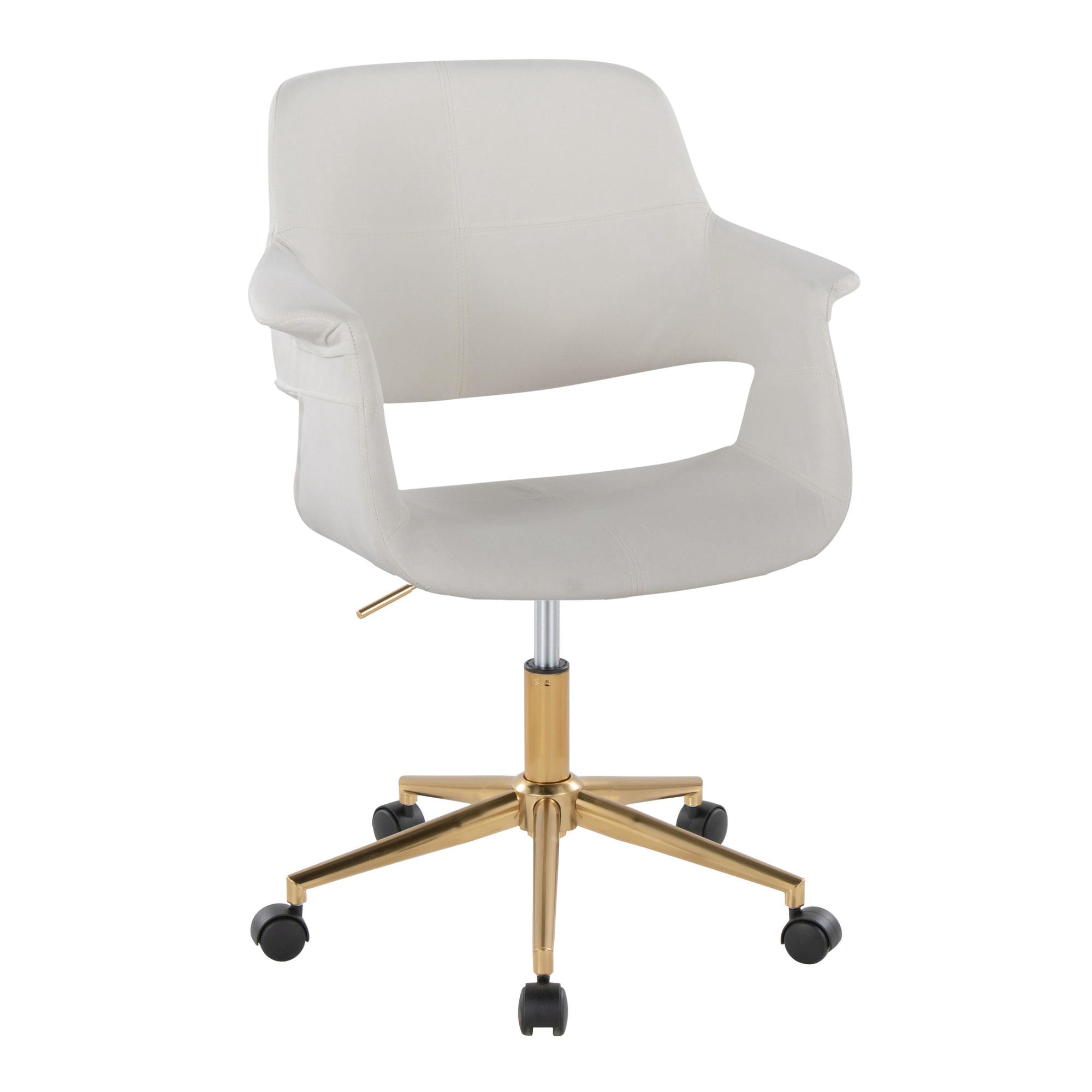
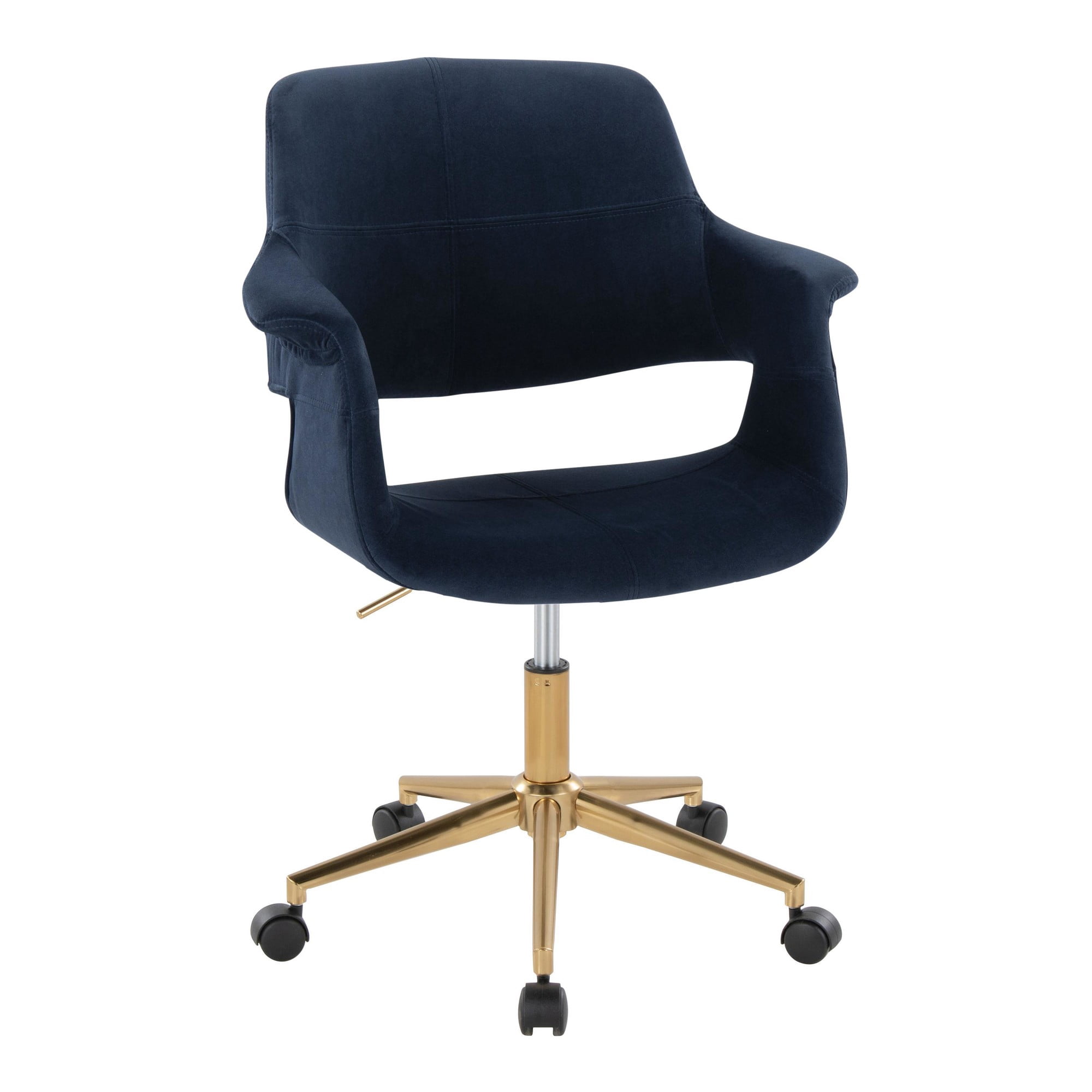
Why the Highest Rated Home Office Chairs Matter for Your Workday
Your home office is more than just a space with a desk and computer—it's the command center for your professional life. The chair you choose directly impacts your energy levels, focus, and physical well-being. The highest rated home office chair isn't just a luxury; it's a productivity tool that pays dividends in comfort and health.
Key Ergonomic Features to Look For
When evaluating the highest rated home office chairs, pay close attention to these ergonomic elements that separate a good chair from a great one:
- Adjustable Lumbar Support: The ability to move the lower back support both in and out (depth) and up and down (height) is crucial for spinal alignment. Look for chairs where this is a standard, not a premium add-on.
- Seat Depth Adjustment: This allows you to slide the seat pan forward or backward. Proper seat depth leaves 2-4 fingers of space between the back of your knees and the seat edge, preventing circulation issues.
- Multi-Dimensional Armrests: Armrests that adjust height, width, angle, and depth (4D) are a hallmark of premium chairs, allowing you to support your elbows and shoulders in a relaxed position.
- Dynamic Recline Mechanism: A recline that allows your back to tilt independently of the seat pan (knee-tilt or synchronized tilt) helps maintain a natural posture when leaning back.
- Breathable Material: Whether it's a high-quality mesh or a breathable fabric, the material should prevent heat buildup during extended sitting.
The Connection Between Seating and Productivity
Scientific studies in workplace ergonomics consistently show a direct correlation between seating comfort and cognitive performance. When you're free from distracting aches, discomfort, or the need to constantly shift position, your brain can allocate more resources to the task at hand. Investing in one of the highest rated home office chairs is essentially an investment in:
- Reduced Fatigue: Proper support decreases muscle tension, helping you maintain energy throughout the day.
- Enhanced Focus: Fewer physical distractions mean deeper concentration and higher-quality output.
- Long-Term Health: Preventing repetitive strain injuries and chronic back issues keeps you working comfortably for years.
📈 Productivity Insight: Research from the Occupational Safety and Health Administration (OSHA) suggests that ergonomic interventions, including proper seating, can increase productivity by up to 20% and significantly reduce absenteeism due to musculoskeletal disorders.
Material Deep Dive: Mesh vs. Fabric vs. Leather for Home Offices
Choosing the right material for your home office environment is a personal decision that affects both comfort and style. Here's how the most popular materials compare:
High-Performance Mesh
Best For: Those in warmer climates or who prefer breathability.
- Pros: Excellent airflow, maintains shape over time, usually lightweight.
- Cons: Less plush feel, can be harder to clean if spills occur.
- Ideal User: Professionals who work long hours and value temperature regulation.
Premium Fabric
Best For: Style-conscious users wanting comfort and color options.
- Pros: Soft, cozy feel, wide variety of colors, often stain-resistant with treatments.
- Cons: Can retain heat, may show wear patterns after years of heavy use.
- Ideal User: Those who want a comfortable, aesthetically pleasing chair for a home office.
Genuine Leather
Best For: A classic, professional look and easy wipe-clean maintenance.
- Pros: Durable, sophisticated appearance, easy to clean, develops a nice patina.
- Cons: Higher price point, can be cold in winter and sticky in summer without climate control.
- Ideal User: Executives or those in client-facing roles wanting a polished aesthetic.
Budget Considerations: Finding Value in the Highest Rated Category
While the highest rated home office chairs often command a higher upfront cost, viewing this as a long-term investment changes the equation. A high-quality chair that lasts 10 years can be more economical than replacing a budget chair every 2-3 years. Consider these budget tiers:
- Entry-Level Excellence ($200 - $350): Focus on essential ergonomics. Look for basic lumbar support, seat height adjustment, and fixed or 2D armrests. These chairs are great for part-time home office use.
- Mid-Range Top Performers ($350 - $700): This is the sweet spot for many. You'll find chairs with adjustable lumbar, seat depth, 3D armrests, and higher quality materials. These are ideal for full-time remote workers.
- Premium Investments ($700 - $1,500+): These chairs represent the pinnacle of ergonomic design. They feature advanced adjustment mechanisms, premium materials, robust warranties (often 10-12 years), and are built to last over a decade.
Why User Reviews Matter: The Collective Wisdom
When you're considering a chair, especially one marketed as "highest rated," diving into user reviews provides invaluable real-world data. Look for patterns in feedback rather than focusing on isolated complaints. Key things to look for in reviews:
- Long-Term Durability: Reviews from users who have owned the chair for 6+ months reveal how materials and mechanisms hold up.
- Body Type Compatibility: Pay attention to reviews from users with similar height and build to yours to gauge fit.
- Assembly Experience: Consistent mentions of difficult assembly or missing parts can be a red flag.
- Customer Service: How a company handles warranty claims and issues is a crucial factor in long-term satisfaction.