
What Makes a Chair “Good Quality” and Truly Ergonomic?
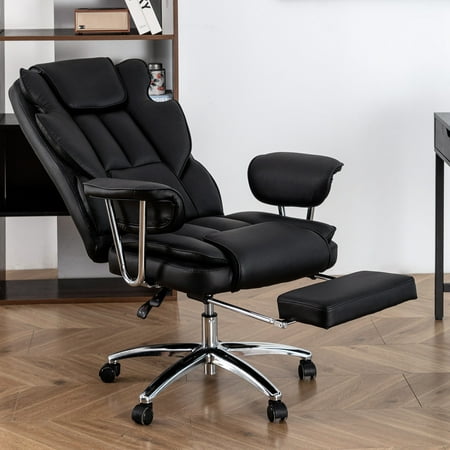
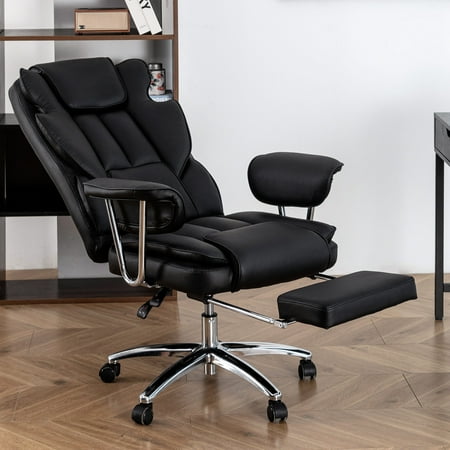
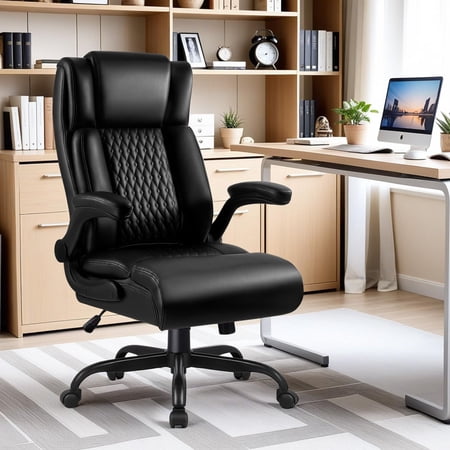
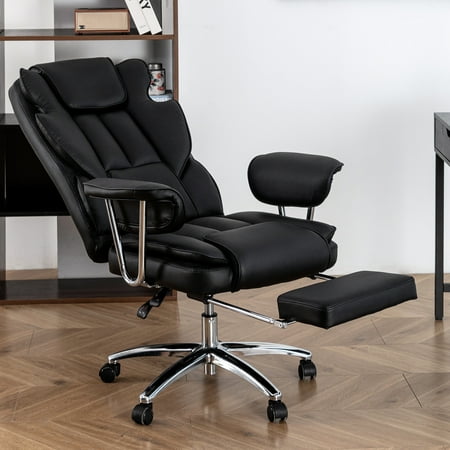
Not every chair labeled “ergonomic” delivers real value. A good quality ergonomic office chair goes beyond surface-level comfort — it actively supports your body’s natural alignment during prolonged sitting. Think of it like a tailored suit for your spine: precise adjustments, durable materials, and engineering that adapts to you, not the other way around.
Ergonomic Insight: Research from the Human Factors and Ergonomics Society shows that workers using properly adjusted ergonomic chairs report 53% less upper back and neck discomfort and increase productivity by nearly 18% compared to standard task chairs.
Core Pillars of a Premium Ergonomic Chair
Dynamic Fit
Seat height, armrest width/pivot, seat depth slider, and tilt tension allow fine-tuning. A good quality ergonomic office chair should adapt to your body shape, whether you're 5'2" or 6'5".
Active Back Support
Independent height and depth-adjustable lumbar support mimics the spine’s natural curve. Some advanced models feature dynamic lumbar that moves with you as you recline.
Built to Last
High-density cold-cure foam (resists sagging), breathable mesh for airflow, or premium leather/fabric with reinforced stitching. Steel or aluminum bases ensure stability.
Peace of Mind
BIFMA certification guarantees safety and durability. A 10+ year warranty on the frame and at least 3 years on components signals manufacturer confidence.
Breaking Down the Investment: Why Premium Ergonomic Chairs Pay Off
You might wonder, "Is a $800–$1,200 chair really necessary?" Consider the cost of untreated back pain: chiropractor visits, missed workdays, and reduced focus. A good quality ergonomic office chair acts as preventative care. Statistics show that for every dollar spent on ergonomic seating, companies see up to $12 in increased productivity and reduced absenteeism. For individuals, the value translates into better sleep, less fatigue, and more energy for life after work.
Comparative Overview: Ergonomic Chair Materials & Their Impact
| Material Type | Breathability | Durability | Best For | Typical Lifespan |
|---|---|---|---|---|
| High-End Mesh | Excellent (airflow, reduces heat) | Very good (resists stretching if high quality) | Hot climates, long work hours, tech professionals | 7–10 years |
| Premium Fabric | Moderate (breathable cotton/poly blends) | Good (may show wear earlier if low density) | Cozy feel, home offices, colder environments | 5–8 years |
| Leather / Faux Leather | Low (can trap heat) | High (top-grain leather lasts decades) | Executive aesthetics, easy cleaning | 10–15 years (genuine leather) |
| Hybrid (Mesh back + fabric seat) | High (back) / moderate (seat) | Very high (balanced wear zones) | Best of both worlds: breathable back, cushioned seat | 8–12 years |
Essential Adjustments for Maximum Ergonomic Benefit
Even the good quality ergonomic office chair will fail if not set up correctly. Follow this quick checklist to unlock its full potential:
- Seat Height: Adjust so knees are at a 90° angle, feet flat on floor (or footrest). Your hips should be slightly higher than knees.
- Seat Depth: There should be 2–3 fingers' width between the back of your knees and the seat edge. This prevents circulation restriction.
- Lumbar Support: Position the lumbar pad to fill the hollow of your lower back. It should feel like a gentle, supportive pressure, not a jab.
- Armrests: Set height so elbows rest at a 90–110° angle, shoulders relaxed. Armrests should lightly support forearms without lifting shoulders.
- Recline Tension: Adjust so you can lean back smoothly while maintaining control. Use the tilt lock if you prefer an upright position.
Who Benefits Most from a Quality Ergonomic Chair?
While everyone deserves proper seating, certain groups experience dramatic improvements:
- Remote workers & Hybrid professionals: Long hours at home desks demand proper lumbar support to avoid “home office back.”
- Executives & Managers: Frequent meetings and strategic sessions require chairs that combine style with ergonomic integrity.
- Creative professionals (designers, writers, developers): Deep focus periods are extended when discomfort is eliminated.
- Individuals recovering from or prone to back pain: A good quality ergonomic office chair with adjustable lumbar can be part of a pain management strategy.