
Why Choosing the Right Office Chair for Carpet Matters
Selecting a good office chair for carpet is about more than just aesthetics — it's about functionality, mobility, and protecting your flooring investment. Whether you're setting up a home office or outfitting a corporate space with carpeted floors, the chair you choose can significantly impact your daily comfort and productivity.
Did You Know? According to office ergonomics studies, the average office worker spends approximately 5.5 hours per day seated. When you factor in the additional effort required to move a standard chair on carpet, this can lead to increased fatigue and reduced productivity. A good office chair for carpet with proper casters can improve mobility by up to 75%.
Think of your office chair like a car — just as you wouldn't drive a sports car with racing tires through deep snow, you wouldn't use standard hard casters on thick carpet. The right combination of chair design and wheel type transforms your workspace experience from frustrating to effortless.
Understanding Carpet Types and Chair Compatibility
Before selecting a good office chair for carpet, it's essential to understand your carpet type. Different carpet textures and pile heights require different caster configurations:
- Low-pile carpet (less than ½ inch): Most office chairs with standard casters will work, but upgraded carpet casters provide smoother movement
- Medium-pile carpet (½ to ¾ inch): Requires larger, softer casters designed specifically for carpet use
- High-pile carpet (¾ to 1 inch or more): Demands specialized carpet casters with wider tread and larger diameter for proper weight distribution
- Berber or looped carpet: Needs soft rubber casters that won't pull or damage the carpet loops
- Commercial carpet tiles: Generally compatible with most carpet-friendly casters due to their firmer construction
Key Features of a Good Office Chair for Carpet
A truly good office chair for carpet combines ergonomic excellence with carpet-specific functionality. Here are the critical features to look for:
| Feature | Why It Matters for Carpet | What to Look For |
|---|---|---|
| Carpet-Specific Casters | Enables smooth movement on soft surfaces without damaging carpet | 2.5-3 inch diameter, rubber or polyurethane material, wide tread |
| Five-Point Base | Provides stability and weight distribution on uneven carpet surfaces | Heavy-duty nylon or metal base, 25-28 inch diameter |
| Adjustable Seat Height | Allows proper positioning despite carpet thickness | Pneumatic cylinder with 4-6 inch height range |
| Ergonomic Support | Prevents back pain during extended seated periods | Adjustable lumbar support, contoured seat cushion |
| Durable Gas Cylinder | Handles the extra stress of rolling on carpet | Class 4 or higher gas cylinder with 300+ lb capacity |
Casters: The Heart of a Good Office Chair for Carpet
The caster is arguably the most critical component of any good office chair for carpet. Understanding the different types of carpet-friendly casters will help you make an informed decision:
Rubber Casters
These soft, grippy wheels provide excellent traction on carpet without damaging fibers. They're ideal for most carpet types and offer quiet, smooth movement. Rubber casters absorb shock and distribute weight evenly, reducing the risk of carpet indentations.
Polyurethane Casters
Polyurethane offers the perfect balance of durability and softness. These casters are resistant to wear and provide superior rolling performance on carpet. They're particularly effective on medium to high-pile carpets where other casters might struggle.
Blade Casters
Featuring a wider, flatter tread design, blade casters distribute weight across a larger surface area. This design minimizes carpet compression and makes rolling easier on thick carpets. They're often considered the premium choice for office chairs on carpet.
Rollerblade-Style Casters
Inspired by inline skate wheels, these casters feature a larger diameter (typically 3 inches) and a harder compound. They roll exceptionally smoothly on carpet and are highly durable, making them a popular upgrade for office chairs.
Common Mistakes to Avoid When Choosing an Office Chair for Carpet
Even experienced buyers make mistakes when selecting a good office chair for carpet. Avoid these common pitfalls:
- Using standard hard casters: These are designed for hard surfaces and will sink into carpet, making movement difficult and potentially damaging your floor
- Ignoring weight capacity: Carpet increases rolling resistance, so choose a chair with a higher weight capacity than you might otherwise need
- Choosing style over function: While aesthetics matter, prioritize carpet-compatible features and ergonomic support
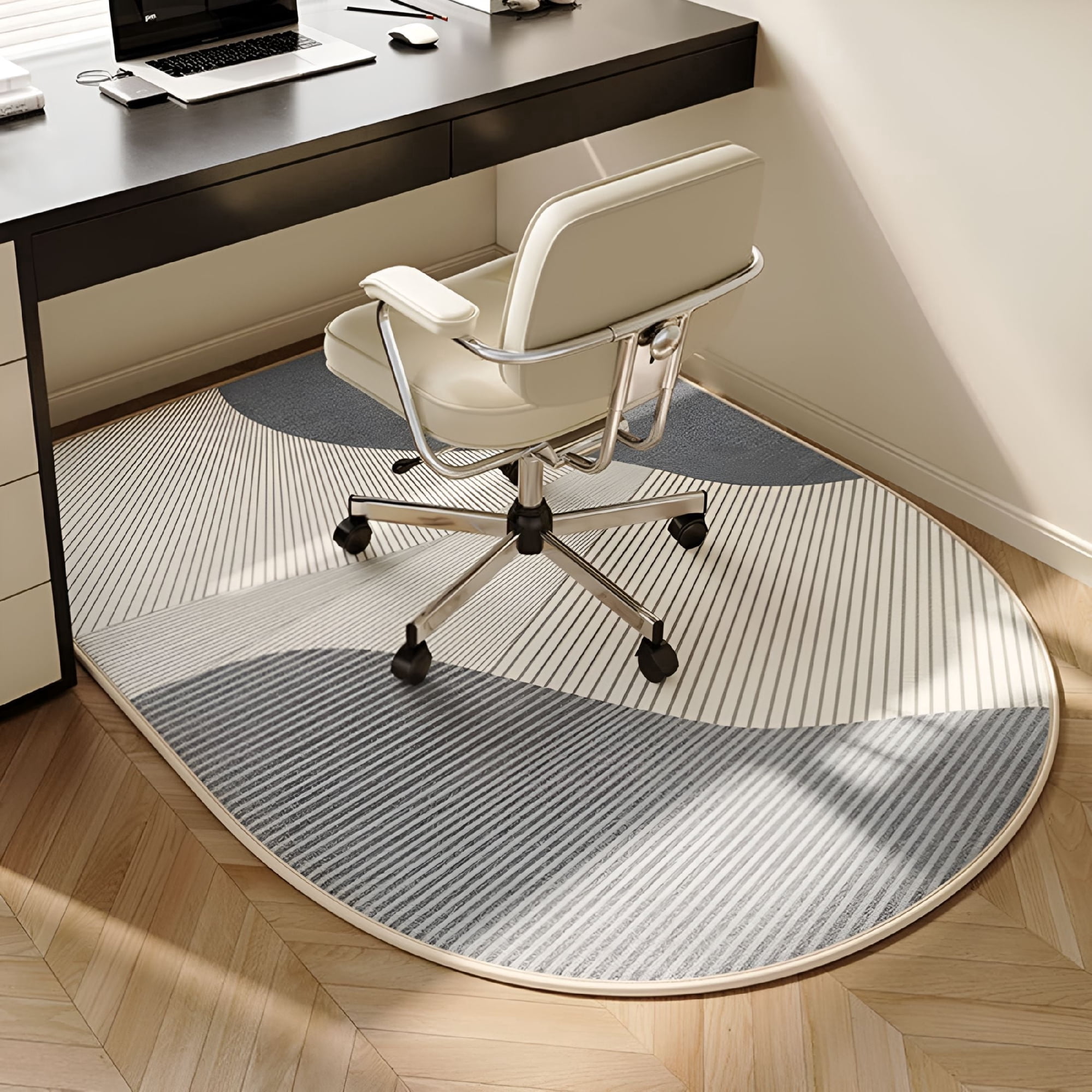
- Overlooking chair mat alternatives: Many people assume a chair mat is the only solution, but a good office chair for carpet with proper casters can eliminate the need for one entirely
- Skipping the test roll: If possible, test the chair on a similar carpet surface to ensure smooth movement
Carpet Office Chair vs. Chair Mat: Which Solution Is Right for You?
Many people wonder whether they need a good office chair for carpet or a chair mat. Here's a comparison to help you decide:
Good Office Chair for Carpet
- No additional purchase needed
- Moves freely across the entire carpeted area
- Preserves the aesthetic of your carpet
- Reduces strain on chair casters
- Ideal solution for modern, minimalist offices
Chair Mat
- Provides extra carpet protection
- Evens out surface irregularities
- Can be less expensive than upgrading casters
- May have edges that catch or look unsightly
- Limits mobility to the mat area
The best approach often combines both solutions: a good office chair for carpet with upgraded casters and a chair mat for maximum protection and performance.
Ergonomics Meets Carpet Compatibility
A good office chair for carpet should never compromise on ergonomic support. Here's what to look for in terms of comfort and health benefits:
Lumbar Support
Adjustable lumbar support maintains natural spine curvature, preventing lower back pain that can develop during long work hours
Seat Depth Adjustment
Proper seat depth ensures your back rests against the backrest while your feet stay flat on the floor, even with carpet thickness
Armrest Adjustability
Height-adjustable armrests reduce shoulder and neck strain, particularly important when extra effort is needed to move on carpet
Recline Mechanism
Tilt and recline features allow dynamic sitting, reducing pressure points and improving circulation during extended sitting sessions
How to Upgrade Your Existing Chair for Carpet Use
If you already have an office chair that you love but it doesn't perform well on carpet, you don't necessarily need to buy a new one. Here's how to transform it into a good office chair for carpet:
- Measure your current casters: Check the stem diameter (typically ⅞ inch or ⅜ inch) and the length of the stem
- Purchase carpet-compatible casters: Look for rubber, polyurethane, or blade-style casters with a larger diameter (2.5-3 inches)
- Remove old casters: Pull the existing casters out of the base by applying firm, steady pressure
- Install new casters: Push the new casters firmly into the base until you hear a click or they're fully seated
- Test the upgrade: Roll the chair on your carpet to ensure smooth movement and stability
Pro Tip: Upgrading casters costs between $20 and $60, making it one of the most cost-effective improvements you can make to your office setup. Many users report feeling like they have an entirely new chair after making this simple upgrade.
Maintaining Your Office Chair and Carpet
To get the most from your good office chair for carpet and protect your flooring, follow these maintenance tips:
- Clean casters regularly: Remove hair, dust, and debris that can accumulate and affect rolling performance
- Vacuum carpet frequently: Regular vacuuming prevents dirt from becoming embedded and creating friction
- Rotate the chair position: Change where you sit periodically to prevent permanent indentations in the carpet
- Lubricate caster bearings: A drop of silicone spray on caster bearings ensures smooth rolling
- Check caster wear: Inspect casters every few months for signs of wear and replace when necessary
Budget Considerations: Investing in Quality
A good office chair for carpet is an investment in your health, productivity, and workspace quality. Here's what you can expect at different price points:
Entry Level
Basic ergonomics with standard casters that may need upgrading for carpet use
Mid-Range
Good ergonomic features with carpet-friendly casters included or easily upgradeable
Premium
Advanced ergonomics, premium materials, and high-quality carpet casters built-in