
Why a Fully Ergonomic Office Chair Is Non-Negotiable for Modern Professionals
If you spend more than six hours a day at a desk, your chair is your primary tool—like a high-performance engine for your body. A fully ergonomic office chair goes beyond basic cushioning. It offers precision adjustability that mirrors the complexity of the human spine. Studies from the Occupational Safety and Health Administration (OSHA) indicate that ergonomic interventions reduce work-related musculoskeletal disorders by up to 61%, boosting overall workplace efficiency.
Ergonomic Insight: A fully ergonomic chair reduces spinal disc pressure by nearly 35% compared to standard task chairs. By distributing body weight evenly and promoting micro-movements, it prevents the stiffness that leads to chronic back pain.
Core Elements of a Fully Ergonomic Office Chair
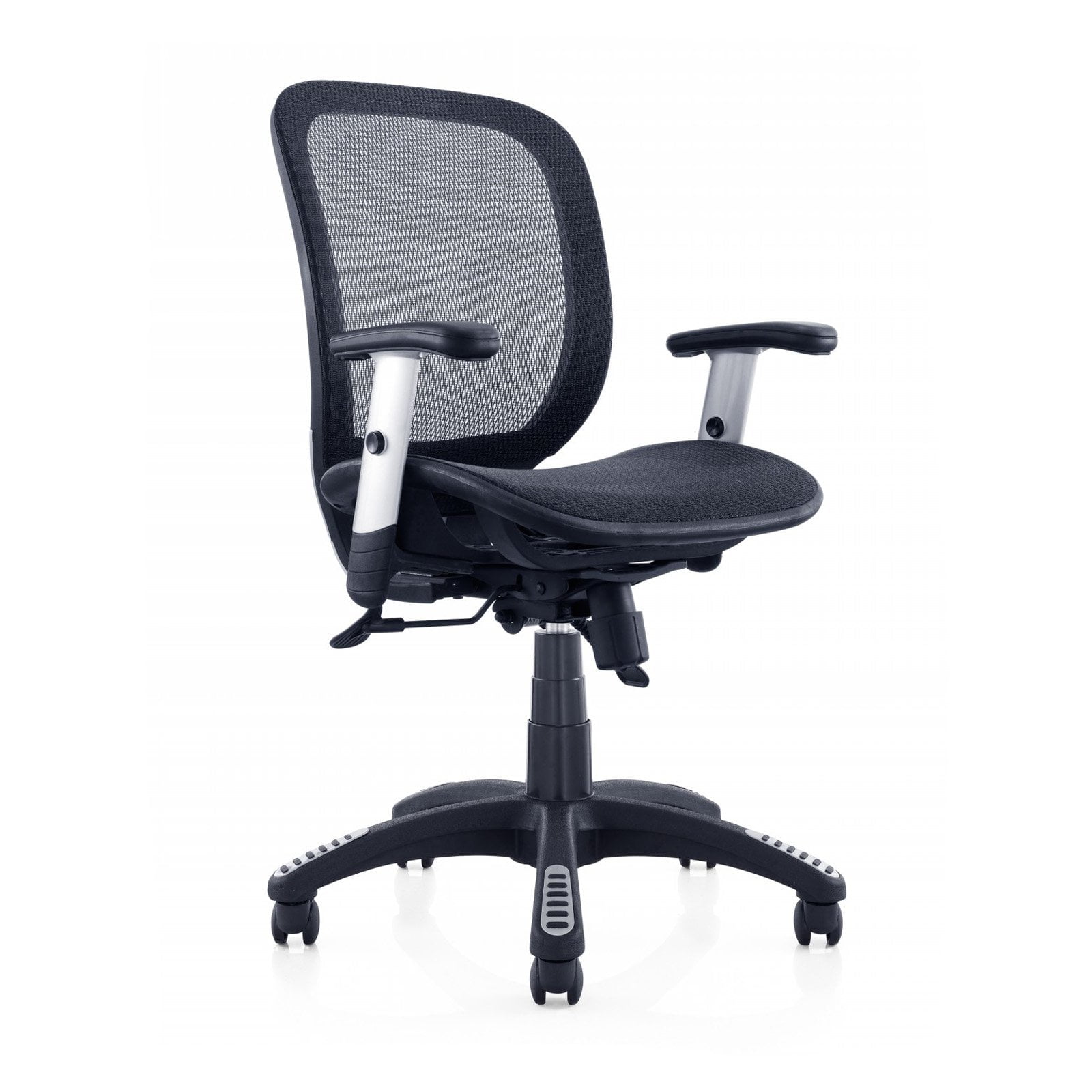
Not every chair labeled “ergonomic” delivers full adjustability. True fully ergonomic seating includes:
- Adjustable Lumbar Support: Height and depth customization that matches the natural curve of your lower back.
- Seat Depth Slider: Ensures optimal thigh support without pressure behind the knees.
- Dynamic Tilt Mechanism: Allows synchronous recline to maintain eye level and circulation while leaning back.
- 4D Armrests: Pivot, height, width, and depth adjustments to support relaxed shoulders.
- Headrest Integration: Reduces cervical strain during long meetings or focused work.
🦴 Spinal Alignment
Active lumbar support and seat pan tilt keep vertebrae stacked naturally, preventing slouching and disc compression.
💪 Muscle Activation
Encourages subtle posture shifts, activating core muscles and reducing fatigue compared to static chairs.
🌬️ Breathability & Thermal Comfort
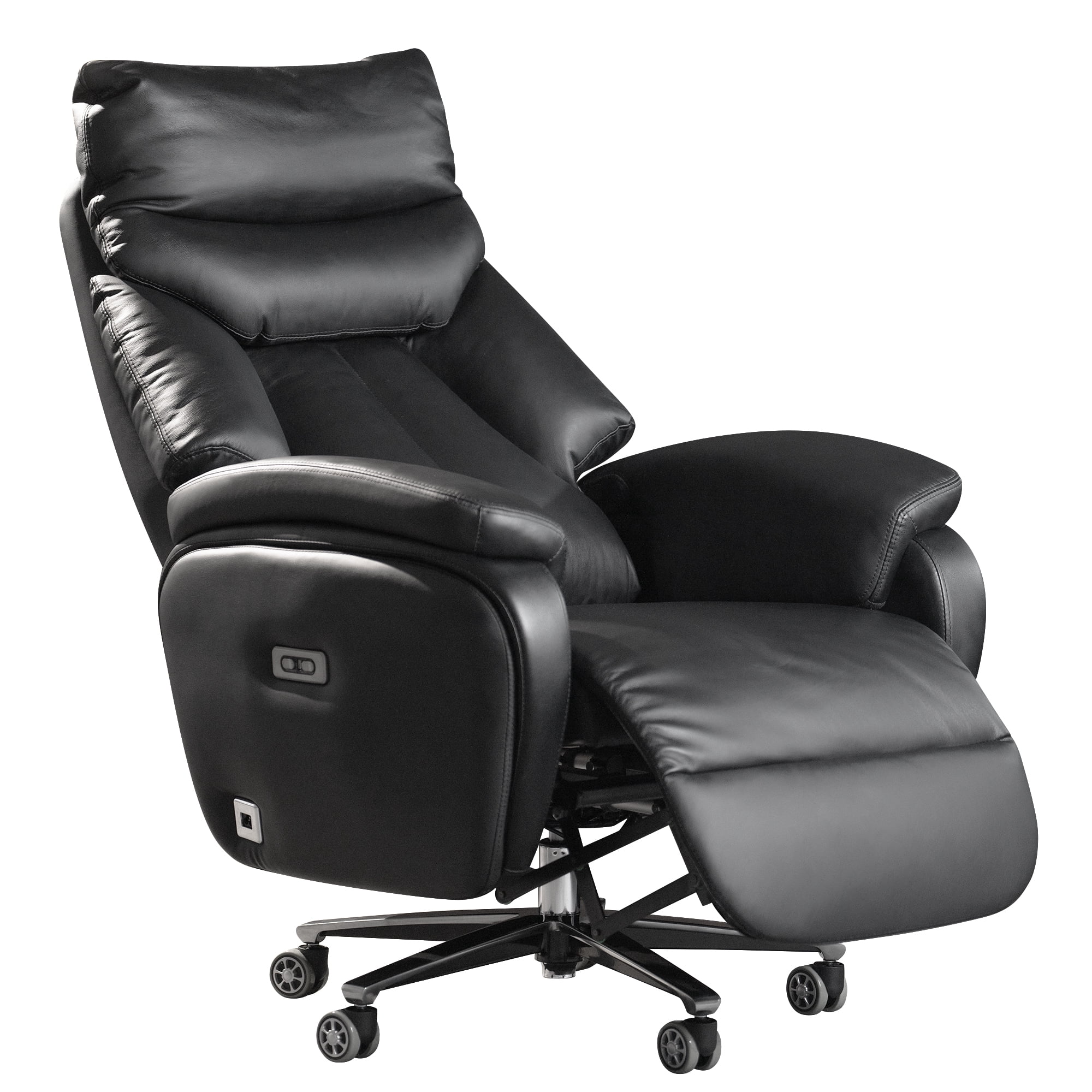
Premium 3D mesh or perforated leather minimizes heat buildup, keeping you cool during intense workflow.
⚙️ Long-Term Durability
Class 4 gas lifts, reinforced aluminum bases, and high-density foam ensure 10+ years of consistent ergonomic support.
How to Configure Your Fully Ergonomic Chair for Maximum Benefit
Even the most advanced chair underperforms without proper setup. Use this step-by-step guide to personalize your ergonomic throne:
Pro Tip: Re-evaluate your settings every 3–6 months, especially after changes in desk height, new monitors, or shifts in work habits. A fully ergonomic office chair should evolve with you.
Material Science: Mesh vs. High-Performance Fabric vs. Leather in Ergonomic Chairs
Each material influences ergonomics, maintenance, and climate control. Here’s how to choose based on your environment:
| Material | Breathability | Ergonomic Adaptability | Best Use Case |
|---|---|---|---|
| Elastic Mesh | Excellent (airflow 5/5) | Conforms dynamically, supportive | Warmer climates, tech offices, long coding sessions |
| Premium Fabric | Moderate (soft, less airflow) | Plush comfort with high-density foam | Executives seeking luxury, cooler office environments |
| Leather / Faux Leather | Low | Classic support, easy to clean | Executive suites, client-facing roles, traditional aesthetics |
Health & Productivity: The ROI of a Fully Ergonomic Chair
Beyond comfort, businesses and remote workers see measurable gains. According to a 2023 workplace study, employees using fully adjustable ergonomic chairs reported 28% less absenteeism due to back pain, and a 19% increase in self-reported productivity. For freelancers and executives, the initial investment (typically $700–$1,600) pays back within 12–18 months through enhanced focus and reduced healthcare costs.
Common Myths About Ergonomic Chairs Debunked
- Myth: “All high-back chairs are ergonomic.” Truth: True ergonomics demand adjustability, not just height. Without lumbar customization, a high back can still force poor posture.
- Myth: “Ergonomic chairs are only for people with existing pain.” Truth: They are preventative tools, promoting neutral posture and reducing cumulative strain.
- Myth: “More expensive always means more ergonomic.” Truth: While premium models offer advanced adjustments, mid-range fully ergonomic chairs with proper features deliver excellent value.