
Understanding Why Your Office Chair Sinks (And Why It's Fixable)
Few things are as frustrating as settling into your workspace only to feel your chair slowly descend. That sinking office chair isn't just an annoyance—it disrupts your posture, productivity, and comfort. The good news? In 90% of cases, the problem is a worn-out gas cylinder (also called a pneumatic lift), and it's a problem you can solve yourself.
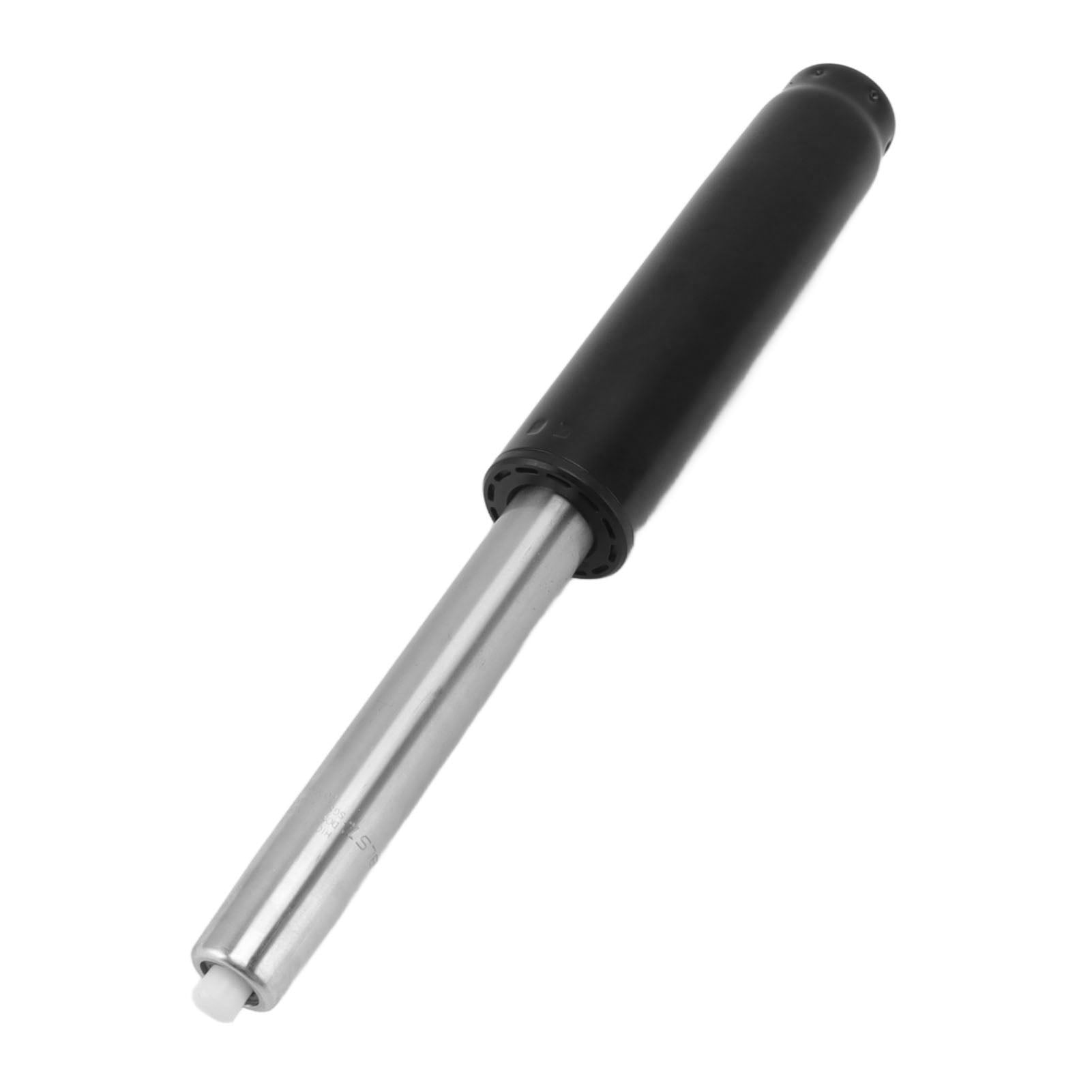
Think of your office chair's gas cylinder like a shock absorber in a car. It uses compressed nitrogen to hold you at your desired height. Over time—usually after 3-7 years of daily use—the internal seals wear down, allowing gas to escape. The result: your chair slowly sinks or drops instantly. The fix, whether temporary or permanent, is simpler than you think. This guide walks you through everything from quick repairs to complete cylinder replacement.
Did You Know? According to office furniture studies, over 60% of office chairs retired prematurely are discarded due to a faulty gas cylinder, a component that costs $20-$50 to replace. Repairing your chair keeps it out of landfills and saves you hundreds compared to buying a new executive chair.
Essential Tools & Materials for the Job
Before starting, gather the right equipment. Having everything ready makes the process smoother. For a permanent fix, you'll need:
- 🔩 Replacement gas cylinder (standard Class 3 or 4)
- 🔨 Rubber mallet (or regular hammer with wood block)
- 🔧 Pipe wrench or large adjustable wrench
- 🛢️ Penetrating oil (WD-40 or PB Blaster)
- 🧤 Work gloves (for protection)
- 📏 Measuring tape (to verify cylinder size)
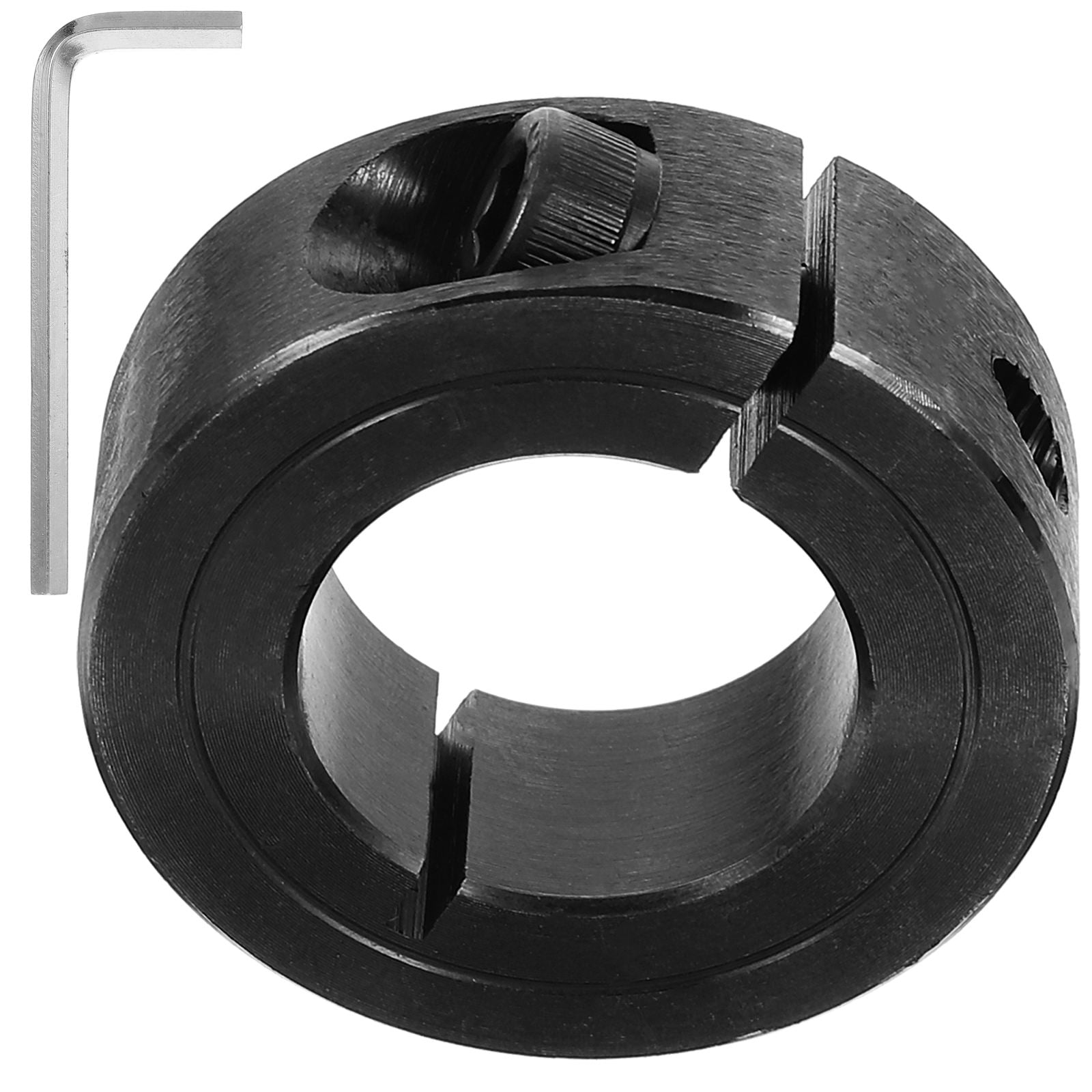
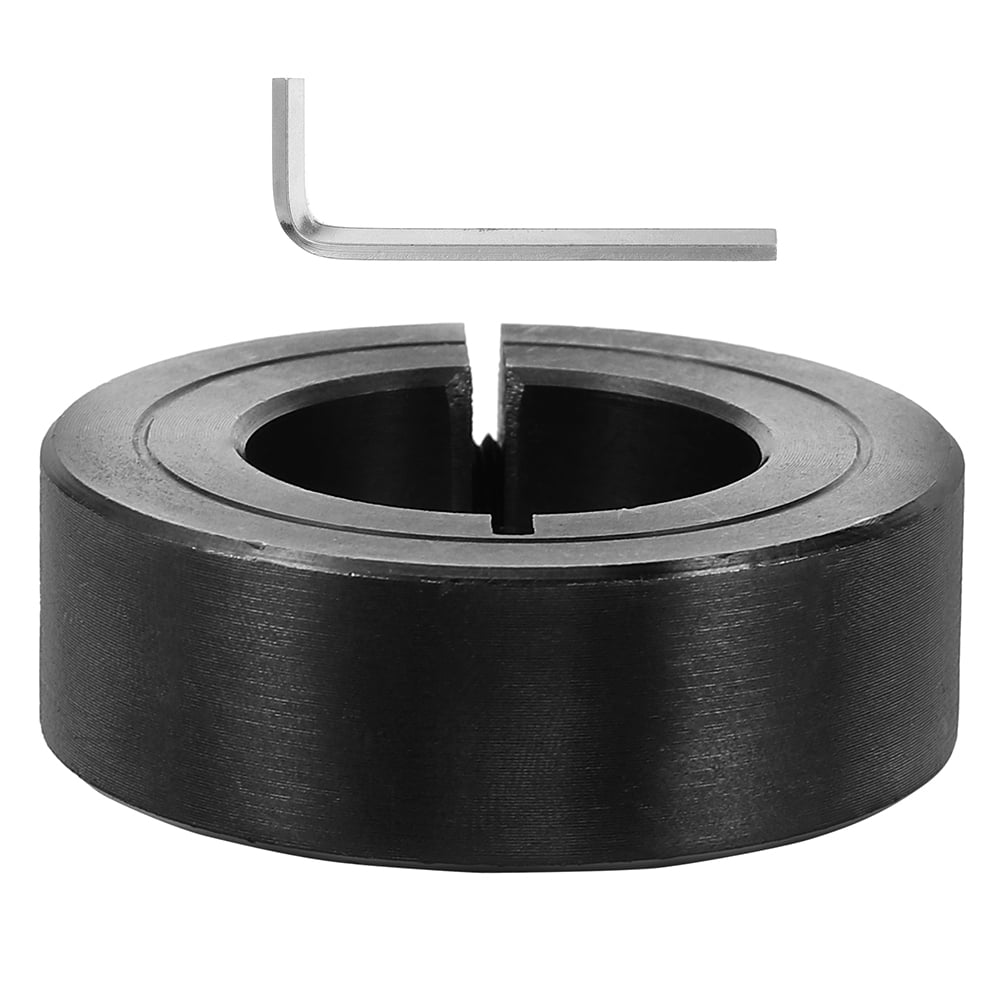
For a temporary quick fix, you might only need a chair cylinder repair sleeve or a simple pipe clamp/hose clamp. We'll cover both approaches in detail.
Method 1: The Temporary Fix – Using a Clamp or Sleeve
If you need a quick solution without waiting for parts, this method works wonders. It's also ideal if you're renting or just need to extend the chair's life for a few more months. A pipe clamp or specialized chair cylinder repair sleeve physically prevents the cylinder from compressing.
Step-by-Step Temporary Repair
- Identify the sinking point: Raise the chair to your desired height. Measure the exposed chrome cylinder rod (the shiny part between the mechanism and the base).
- Choose your clamp: A 2-inch adjustable pipe clamp works perfectly. Alternatively, buy a purpose-made office chair cylinder repair sleeve online.
- Position the clamp: Slide the clamp around the cylinder rod and tighten it just below the chair's mechanism. This creates a physical barrier that prevents the rod from being pushed down.
- Test the stability: Sit on the chair. It should hold firmly at your set height. Adjust clamp position as needed for your ideal seat height.
Method 2: The Permanent Solution – Replacing the Gas Cylinder
Replacing the gas cylinder is the most reliable and professional way to fix a sinking office chair. It restores full functionality and typically lasts another 5-10 years. While it sounds intimidating, the process is straightforward with patience.
Step 1: Removing the Old Cylinder from the Base
- Flip the chair upside down: Place it on a sturdy surface. You'll see the star base with wheels and the cylinder inserted into the center.
- Apply penetrating oil: Spray WD-40 or similar at the joint where the cylinder meets the base. Let it sit for 10-15 minutes to loosen rust and debris.
- Tap with mallet: Using a rubber mallet, firmly strike the bottom of the cylinder's metal tip (where the wheels attach). Rotate the base and tap evenly. The cylinder should start sliding out.
- Separate with leverage: If stubborn, place the base between two sturdy objects (like concrete blocks) and tap the cylinder through. Patience is key.
Step 2: Detaching the Cylinder from the Seat Mechanism
- Turn the chair right-side up: Now, focus on the connection between the cylinder's top and the seat tilt mechanism.
- Use a pipe wrench: Grip the cylinder shaft with a pipe wrench. With a sharp, twisting motion, break the friction fit. It may take a few attempts.
- Tap with mallet: Lightly tap the side of the mechanism near the cylinder while pulling down. The cylinder should eventually release.
- Clean the mechanism housing: Remove any rust or debris from the hole where the new cylinder will sit.
Step 3: Installing the New Gas Cylinder
- Insert the new cylinder into the base: Place the star base on the floor and insert the wide end of the new cylinder into the center hole. Push down firmly until it's fully seated.
- Attach the seat mechanism: With the chair's seat upside down, align the hole in the mechanism with the cylinder's top. Gently lower the seat onto the cylinder.
- Secure by sitting: Carefully flip the chair upright. Sit on it gently to lock the cylinder into place. The weight will create a tight friction fit.
- Test the height adjustment: Use the lever to raise and lower. The chair should now stay at any height you select without sinking.
Choosing the Right Replacement Cylinder
Not all cylinders are identical. Most office chairs use a standard "Class 3" or "Class 4" gas cylinder. Class 4 supports heavier weights and offers smoother operation. Measure your old cylinder's extended and compressed length to ensure compatibility. For most executive chairs, a cylinder with 8-10 inches of travel works perfectly.
| Repair Method | Cost | Time Required | Durability | Skill Level |
|---|---|---|---|---|
| Clamp/Sleeve Fix | $5 - $15 | 5 minutes | 3-12 months | Beginner |
| Gas Cylinder Replacement | $20 - $50 | 30-60 minutes | 5-10 years | Intermediate |
| Professional Repair | $50 - $100 | Same day | 5-10 years | None (hire pro) |
Preventive Maintenance: Keep Your Chair from Sinking Again
Once you've fixed your chair, a little maintenance goes a long way. Follow these tips to maximize the lifespan of your new cylinder and overall chair:
- Clean the cylinder rod: Wipe the chrome rod with a dry cloth occasionally. Dust and debris can wear seals prematurely.
- Avoid extreme heights: Operating the chair at the very top of its range can stress the cylinder over time.
- Lubricate moving parts: Use silicone spray on the cylinder and mechanism joints every 6 months.
- Don't sit on the edge: Leaning excessively on the front edge places uneven pressure on the cylinder and tilt mechanism.
Expert Insight: A study from the Health and Safety Executive notes that properly maintained ergonomic chairs reduce lower back pain complaints by over 40%. Ensuring your chair maintains correct height alignment is crucial for healthy posture.
When to Replace vs. Repair Your Office Chair
While a sinking cylinder is almost always fixable, there are scenarios where buying a new chair might be more practical. Consider replacement if:
- The chair frame is cracked or welded parts are broken.
- The seat cushion is completely compressed and offers no support.
- The chair has no replacement parts available (rare, but happens with off-brand models).
- Your repair attempts have failed due to a damaged tilt mechanism, not just the cylinder.
However, for quality executive chairs, replacing the cylinder is both economical and sustainable. It preserves the high-quality materials (like premium leather or robust frames) that often outlast the pneumatic components.
Signs of Gas Cylinder Failure (Beyond Sinking)
Sometimes, a sinking chair is the first symptom. Look out for these other indicators that confirm your cylinder is the culprit:
- Hissing sounds when you sit down – this indicates air escaping.
- Rough or jerky height adjustment – internal components are failing.
- Chair tilts sideways when raised – the cylinder may be bent or worn unevenly.
If you notice any of these, it's time to act. A failing cylinder can eventually become stuck, making removal more difficult. Early replacement is easier.
Frequently Asked Questions About Fixing a Sinking Office Chair
Conclusion: Restore Your Chair and Your Comfort
A sinking office chair is more than an inconvenience—it's a productivity killer and a potential health hazard. Fortunately, fixing it is one of the most rewarding DIY projects. Whether you opt for a 5-minute clamp solution or a full cylinder replacement, you'll enjoy a stable, ergonomically correct seating experience once again.
By choosing to repair rather than replace, you're not only saving money (anywhere from $150 to $800 compared to a new executive chair) but also reducing waste. High-quality office chairs are built to last, and the gas cylinder is often the only component that needs periodic attention. With the steps and insights provided in this guide, you're now equipped to tackle the problem confidently.
Final tip: After performing your repair, take a moment to clean the casters and check all screws. A well-maintained chair will serve you for years to come. If you're in the market for a new chair, remember that investing in a model with a readily replaceable cylinder can extend its life indefinitely.