
Redefining the Home Workspace: The Rise of the Modern Home Office Chair
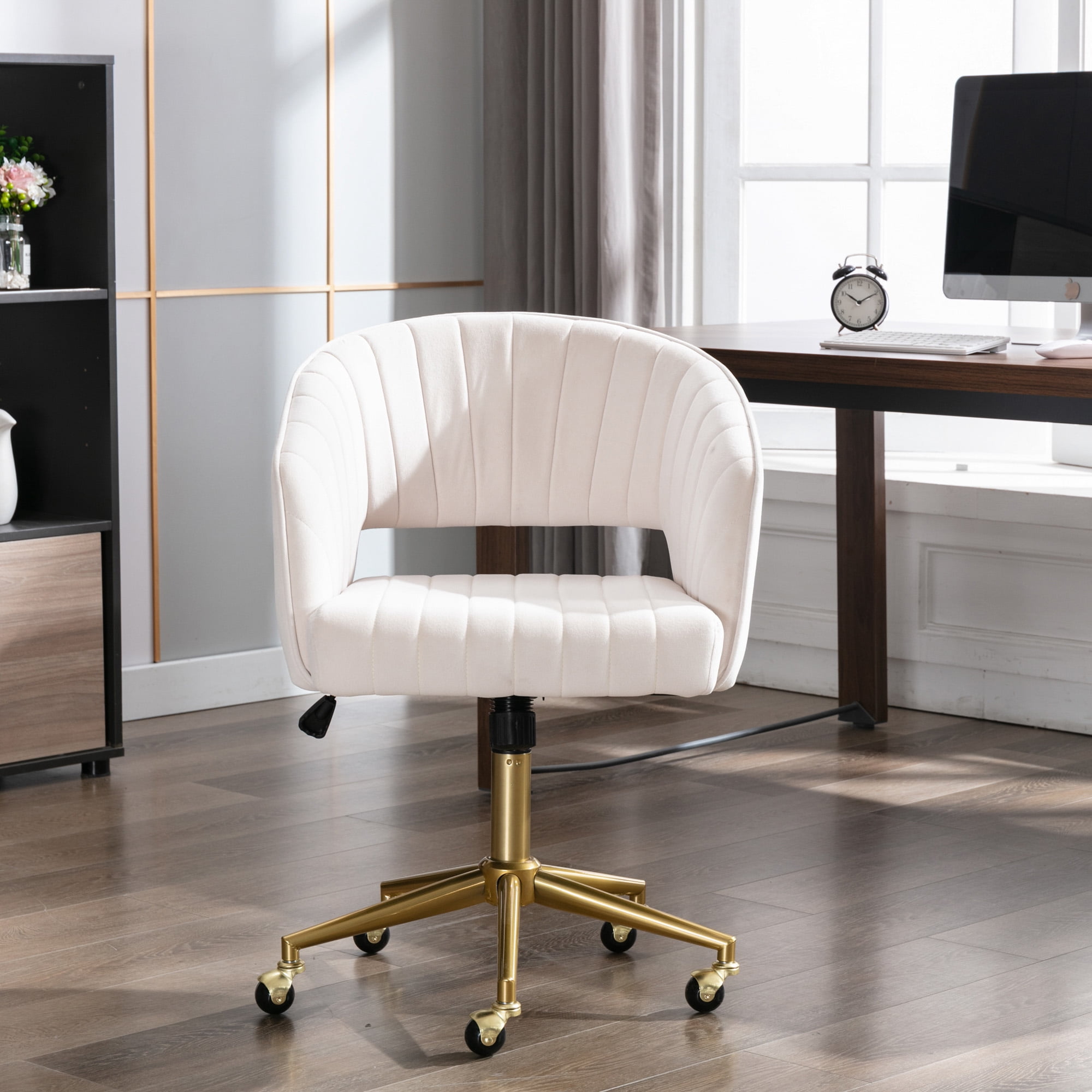
The way we work has fundamentally changed. The home office is no longer a temporary setup but a permanent hub for productivity. As our workspaces have migrated, so has our expectation of what an office chair should be. Enter the modern home office chair: a piece of furniture that must seamlessly bridge the gap between professional ergonomics and residential aesthetics. It's no longer acceptable to hide a bulky, corporate-looking chair in the corner; today's chair is a statement piece that complements your decor while providing the support you need for an eight-hour workday.
Did you know? A survey by the American Home Furnishings Alliance found that 78% of remote workers consider the appearance of their home office furniture just as important as its comfort. The modern home office chair is at the heart of this design-conscious shift.
Anatomy of a Modern Home Office Chair: Key Features Decoded
Understanding what makes a chair "modern" goes beyond its looks. It's a combination of materials, mechanisms, and mindful design. Here are the core components to evaluate:
1. Material Innovation: Beyond Basic Upholstery
Modern chairs utilize materials that are both functional and visually light.
- Breathable Mesh: Often used for the backrest, high-quality mesh (like 3D knitted or Pellicle mesh) conforms to your spine, provides exceptional airflow, and creates a sleek, almost architectural silhouette. It prevents the dreaded "hot back" syndrome during long work sessions.
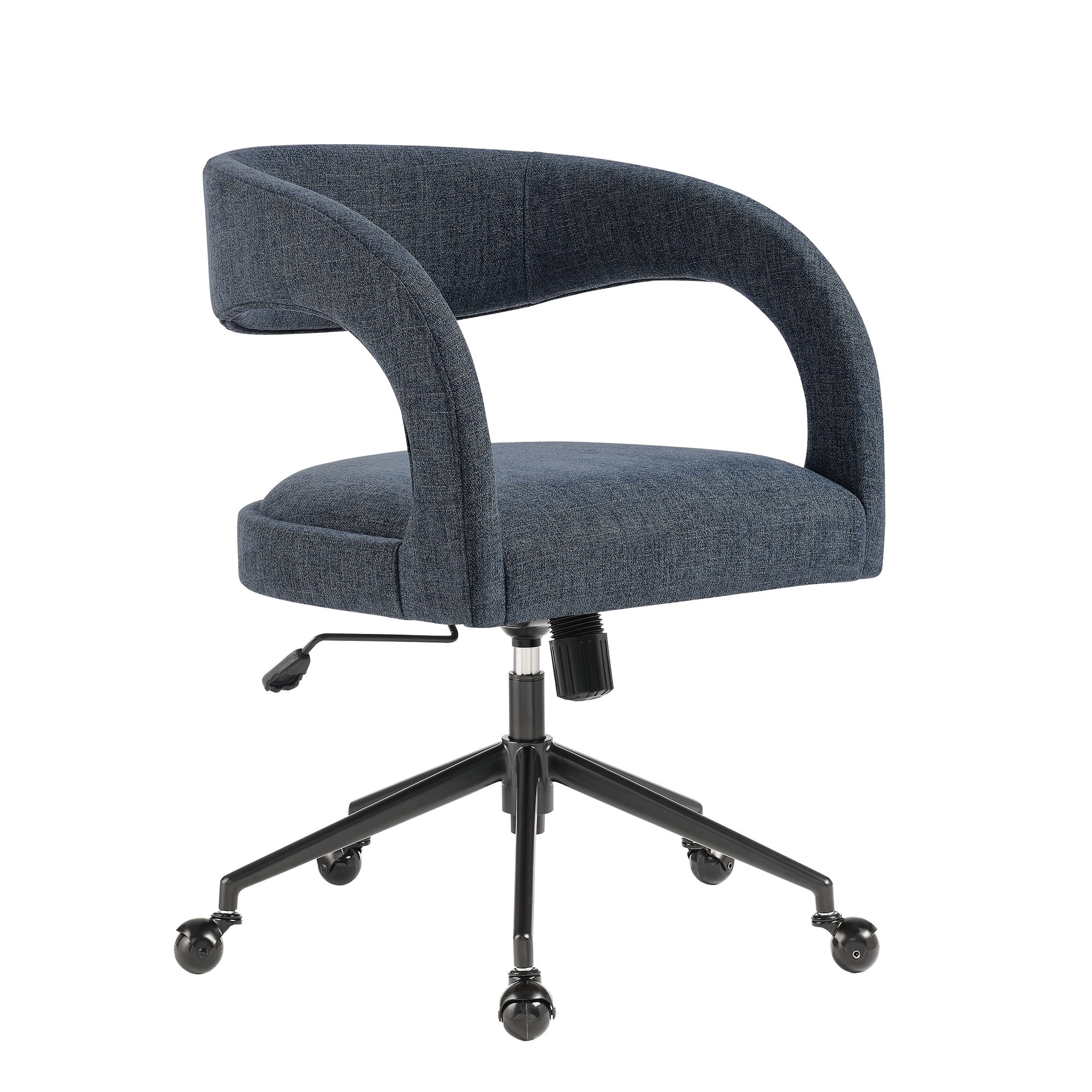
- Sustainable & Textured Fabrics: Think recycled polyester, wool blends, or solution-dyed textiles. These fabrics add warmth and a tactile, residential feel. They are increasingly durable and stain-resistant, available in muted earth tones or bold accent colors.
- Molded Foam & Polymer Frames: Instead of thick padding, modern chairs often use precision-molded foam over a flexible polymer frame. This provides targeted support and allows the chair to move with you, rather than just being a static cushion.
- Refined Finishes: Polished aluminum, matte black steel, or even oak-look plastic bases replace the standard shiny chrome or black plastic, adding a furniture-grade touch.
2. Ergonomic Adaptability: The Invisible Support System
A modern aesthetic doesn't mean one-size-fits-all. The best chairs hide complex adjustability within their simple forms.
- Dynamic Lumbar Support: Look for built-in lumbar curves that are automatically adjusting or easily adjustable. Some chairs feature a tension-controlled backrest that flexes to provide support exactly where you need it.
- Synchronized Tilt Mechanism: This allows the seat and backrest to move in a carefully calibrated ratio (often 2:1 or 3:1) as you recline. It keeps you supported and your feet on the floor, promoting a healthy range of motion.
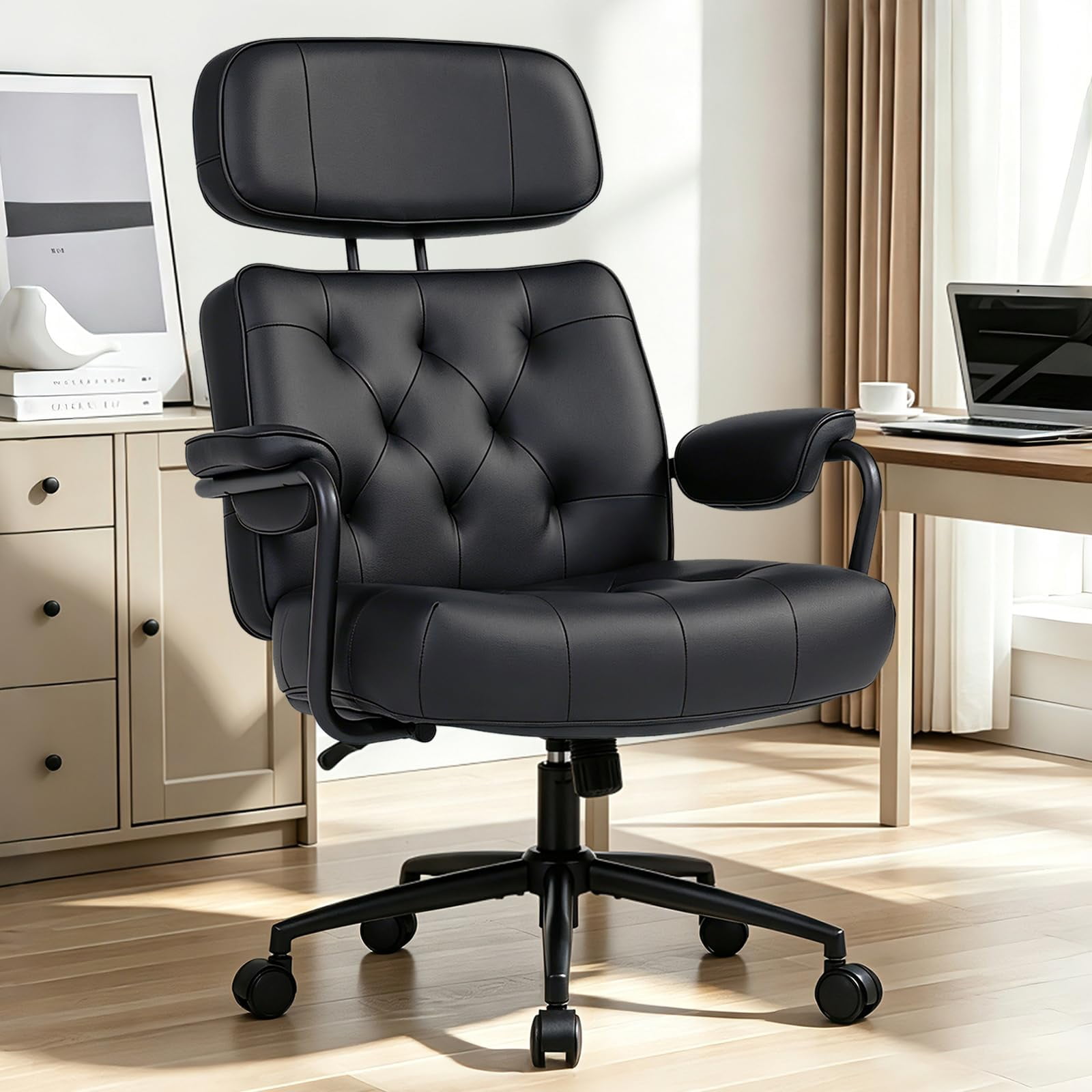
- 4D or 3D Armrests: Adjustable armrests (height, width, depth, and pivot angle) are a hallmark of a serious chair. They allow you to keep your shoulders relaxed and elbows at a 90-degree angle, preventing neck and shoulder strain.
- Seat Depth Adjustment: A sliding seat pan is crucial for proper thigh support. It ensures there's a gap of about two to three fingers between the back of your knee and the seat edge, regardless of your height.
3. Visual Language: Clean, Minimal, Intentional
The aesthetic principles of modern design are evident in every line.
- Clean Lines & Geometric Forms: Absence of ornate detailing. Think of the graceful curve of a mesh back or the precise angle of an aluminum arm.
- Visual Lightness: Even substantial chairs can look light due to open-back mesh designs, slender armrests, or the use of transparent materials like clear polycarbonate on accent models.
- Neutral & Earthy Palette: Colors lean towards greige, charcoal, deep navy, forest green, or warm terracotta, allowing the chair to integrate rather than dominate the room.
Why the "Modern Home Office Chair" is a Smart Investment
Choosing a chair that aligns with modern design principles is about more than just keeping up with trends. It's an investment in your daily well-being and your home's harmony. Here’s a breakdown of the benefits:
Seamless WFH Integration
No more hiding your chair when the workday ends. It looks intentional in your living room, bedroom, or dedicated office.
Enhanced Focus
A clutter-free, aesthetically pleasing environment reduces cognitive load. A chair that feels good and looks good contributes to a calmer, more focused mindset.
Long-Term Comfort
Advanced ergonomics are baked into the design. Features like self-adjusting lumbar and breathable materials actively work to prevent fatigue and pain.
Sustainable Choices
Many modern brands prioritize eco-friendly materials and durable construction, meaning less waste and a smaller carbon footprint over the chair's lifetime.
Modern Chair Selector: Matching Chair to User
| User Profile | Key Focus | Recommended Material | Priority Features |
|---|---|---|---|
| The Designer / Creative | Aesthetics & flexibility | Textured fabric / Wool blend | Color options, slim profile, easy casters for movement |
| The Full-Time Remote Worker | All-day ergonomics | High-end mesh back / Fabric seat | 4D armrests, seat depth adjustment, synchronized recline |
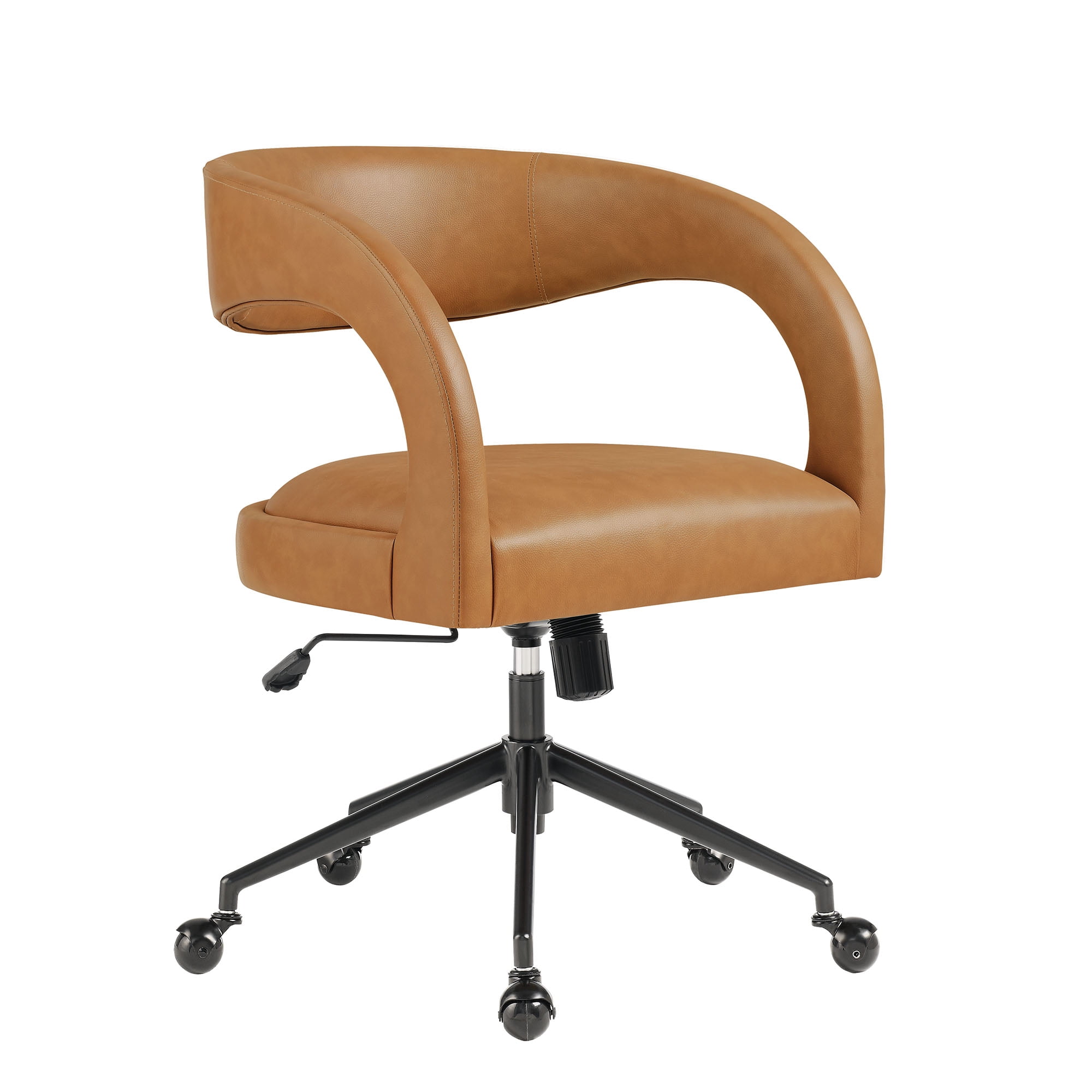
| The Hybrid / Occasional User | Style & value | PU leather / Standard mesh | Good lumbar, pneumatic height, compact footprint |
| The Eco-Conscious Buyer | Sustainability | Recycled materials / Certified green | Frame warranty, replaceable parts, certified fabrics |
Setting Up Your Modern Home Office Chair for Perfect Posture
Even the most advanced chair won't help if it's not adjusted to your body. Follow this simple 4-step process:
- Seat Height: Adjust so your feet are flat on the floor and your knees are at a 90-degree angle (or slightly lower than your hips). Your thighs should be parallel to the floor.
- Seat Depth: If your chair has a sliding seat, adjust it so you can make a fist and slide it easily between the back of your calf and the front edge of the seat.
- Backrest / Lumbar: Sit back in the chair. The lumbar support should fit snugly into the curve of your lower back. Adjust the height or tension until you feel gentle, consistent pressure.
- Armrests: Adjust them so your shoulders are relaxed and your elbows form an L-shape. Your forearms should rest lightly, not be propped up. If they get in the way of sliding under your desk, lower them or adjust them inward.
Pro Tip: Even with a perfect chair, your body needs movement. Aim to stand, stretch, or take a short walk for 2-3 minutes every hour. Consider a chair with a smooth-rolling base to make it easy to glide over to a standing desk converter.
Frequently Asked Questions About Modern Home Office Chairs
Conclusion: Your Workspace, Elevated
The modern home office chair represents a thoughtful evolution in how we furnish our workplaces. It acknowledges that our homes are multi-functional spaces and that the tools we use for work should enhance, not detract from, our living environment. By choosing a chair that masterfully combines ergonomic science with contemporary design, you're not just buying a place to sit—you're investing in your health, your productivity, and the beauty of your home. Take your time, consider the features that matter most to you, and select a chair that will support you and your space for years to come.