


Why Standard Office Chairs Don't Fit Everyone
Imagine wearing a suit that's three sizes too big—the sleeves cover your hands, the shoulders sag. That's exactly how a standard office chair feels if you're under 5'4". Most chairs are built for an average male body (around 5'9" to 5'11"), leaving petite users with dangling feet, poor back support, and edge-of-seat perching. A short office chair solves this mismatch. It's not just a smaller chair; it's an ergonomic tool engineered to align your spine, support your thighs, and let your feet rest flat. For executives, remote workers, or anyone sharing a workspace, the right fit directly impacts productivity and long-term joint health.
Anatomy of a Properly Fitted Short Office Chair
A short office chair isn't merely a scaled-down version. It involves specific design adjustments that cater to a smaller stature while maintaining professional aesthetics and durability. Below we break down the critical zones.
1. Seat Height: The Foundation of Comfort
The most glaring issue with standard chairs for short users is minimum seat height—often 18 to 20 inches. This forces the thighs upward, compressing the backs of legs and cutting circulation. A true short office chair should have a pneumatic cylinder that allows the seat pan to descend to at least 15–16 inches from the floor. Some models go as low as 14.5 inches. This ensures:
- Feet planted firmly on the ground, reducing lower back strain.
- Knees at a 90-degree angle, promoting healthy blood flow.
- Stability when leaning forward to type or write.
According to ergonomic guidelines from the Occupational Safety and Health Administration (OSHA), the ideal seated position requires the angle between torso and thighs to be 90–100 degrees—impossible without correct seat height.
2. Seat Depth: Avoiding Pressure Behind the Knees
Standard seat depths range from 19 to 21 inches. For a shorter person, this often means the seat edge hits the back of the knee, causing numbness or forcing the user to slouch forward to find relief. A short office chair typically features a seat depth of 16 to 18 inches. Look for models with a waterfall edge (a gentle downward curve) to further alleviate pressure. Some chairs offer seat slider adjustment, which is a premium feature allowing you to shorten the effective depth by moving the backrest forward.
3. Backrest Height & Lumbar Positioning
Lumbar support on a standard chair often hits too high—right at the shoulder blades for a petite person—rendering it useless or even painful. Short office chairs position the lumbar curve lower, typically supporting the natural inward curve of the lower back (between the pelvis and ribcage). Additionally, the overall backrest height may be lower to avoid pushing the head forward. Some short chairs are mid-back, while others have adjustable lumbar pads that can slide down to the correct spot.
4. Armrests That Actually Support
Wide, fixed armrests on a big chair force petite users to splay their elbows outward, leading to shoulder tension. The best short office chairs offer:
- Adjustable width: Armrests that move inward to support natural arm position.
- Height adjustment: Lower minimum height so elbows rest at 90 degrees without shoulder shrug.
- Short depth: Pads that don't extend too far forward, interfering with desk reach.
5. Proportional Design & Aesthetics
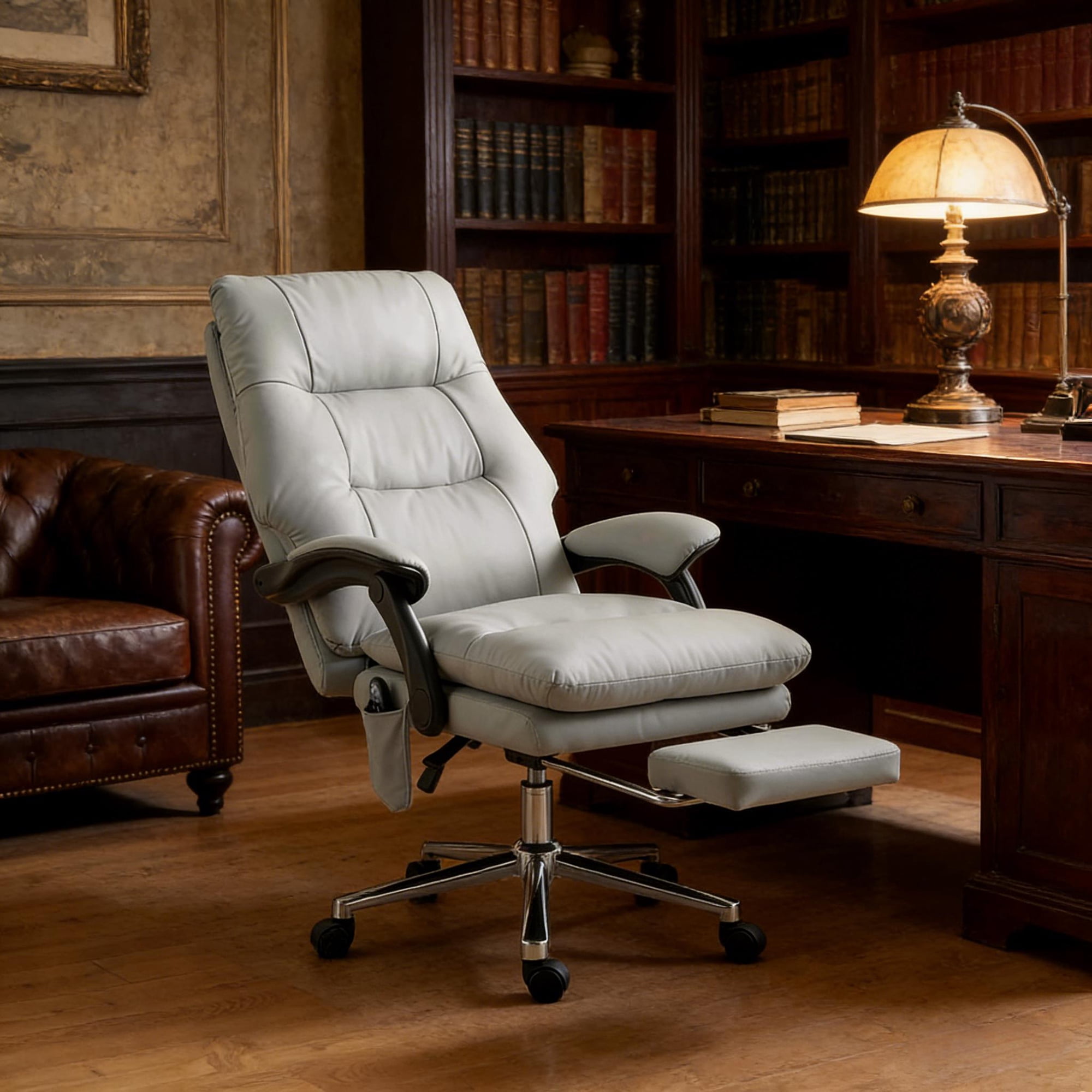
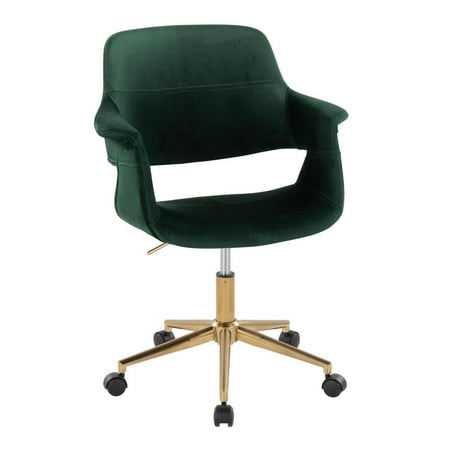
A bulky executive chair can overwhelm a small office and a small person. Short office chairs often feature slimmer profiles, cleaner lines, and materials that don't visually dominate a room. This doesn't mean sacrificing luxury—many compact chairs come in premium leather, breathable mesh, or velvet finishes that convey professionalism and style.
Did You Know? A study published in the journal Ergonomics found that 78% of women under 5'4" reported discomfort when using standard office chairs for more than 4 hours. After switching to a chair with appropriate seat height and depth, discomfort dropped by 63% within two weeks.
Space-Saving Benefits of Short Office Chairs
Beyond ergonomics, these chairs are ideal for compact home offices, studio apartments, or shared workstations. Their smaller footprint means you can tuck them under a low desk or into a corner without sacrificing mobility. Many short office chairs also feature a smaller base diameter, making them easier to maneuver in tight spaces.
| Feature | Short Office Chair | Standard Office Chair |
|---|---|---|
| Seat Height Range | 15" – 19" | 18" – 22" |
| Seat Depth | 16" – 18" | 19" – 21" |
| Backrest Height | 18" – 22" (mid-back) | 22" – 26" (high-back) |
| Ideal User Height | 4'10" – 5'6" | 5'7" – 6'2" |
| Armrest Minimum Width | 16" – 18" (adjustable) | 18" – 22" |
Materials & Durability for Compact Frames
Short office chairs aren't flimsy. Many are built with heavy-duty mechanisms, gas lifts rated for 250–400 lbs, and commercial-grade casters. Material choices include breathable mesh for temperature regulation (great for long meetings), supple leather for executive presence, and stain-resistant fabric for shared workspaces. The key is to verify weight capacity and warranty—compact doesn't mean weak.
Frequently Asked Questions About Short Office Chairs
Conclusion: Invest in Fit, Not Just Furniture
Choosing a short office chair is an investment in your daily well-being and efficiency. When your chair fits, you stop fidgeting, your concentration improves, and you project confidence—whether in a video call or a boardroom. Don't settle for a chair that forces you to adapt; find one that adapts to you. From adjustable lumbar to low-profile seats, today's market offers excellent options that combine ergonomics, style, and durability for the shorter professional. Measure your space, know your body's needs, and prioritize adjustability. Your back—and your productivity—will thank you.