
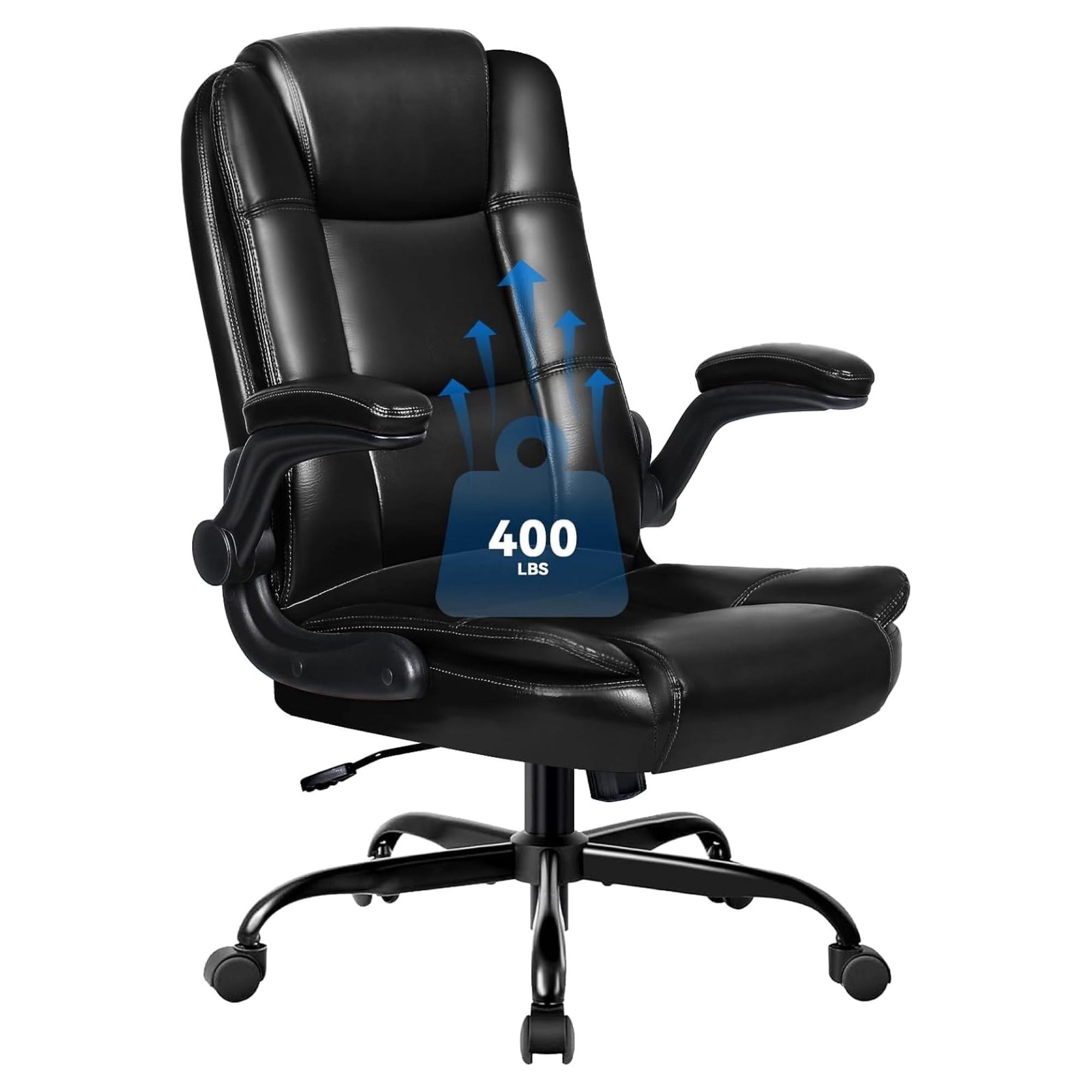
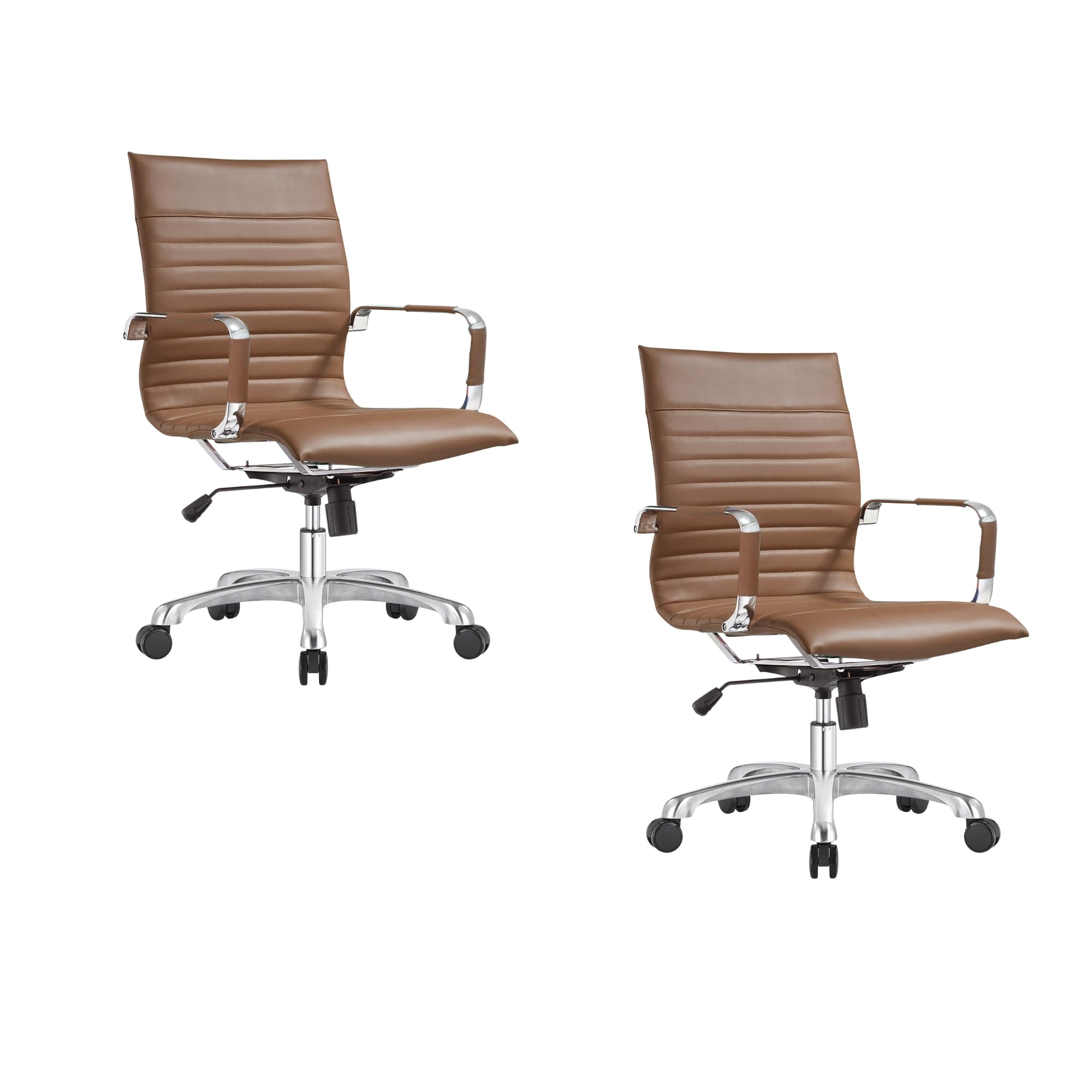
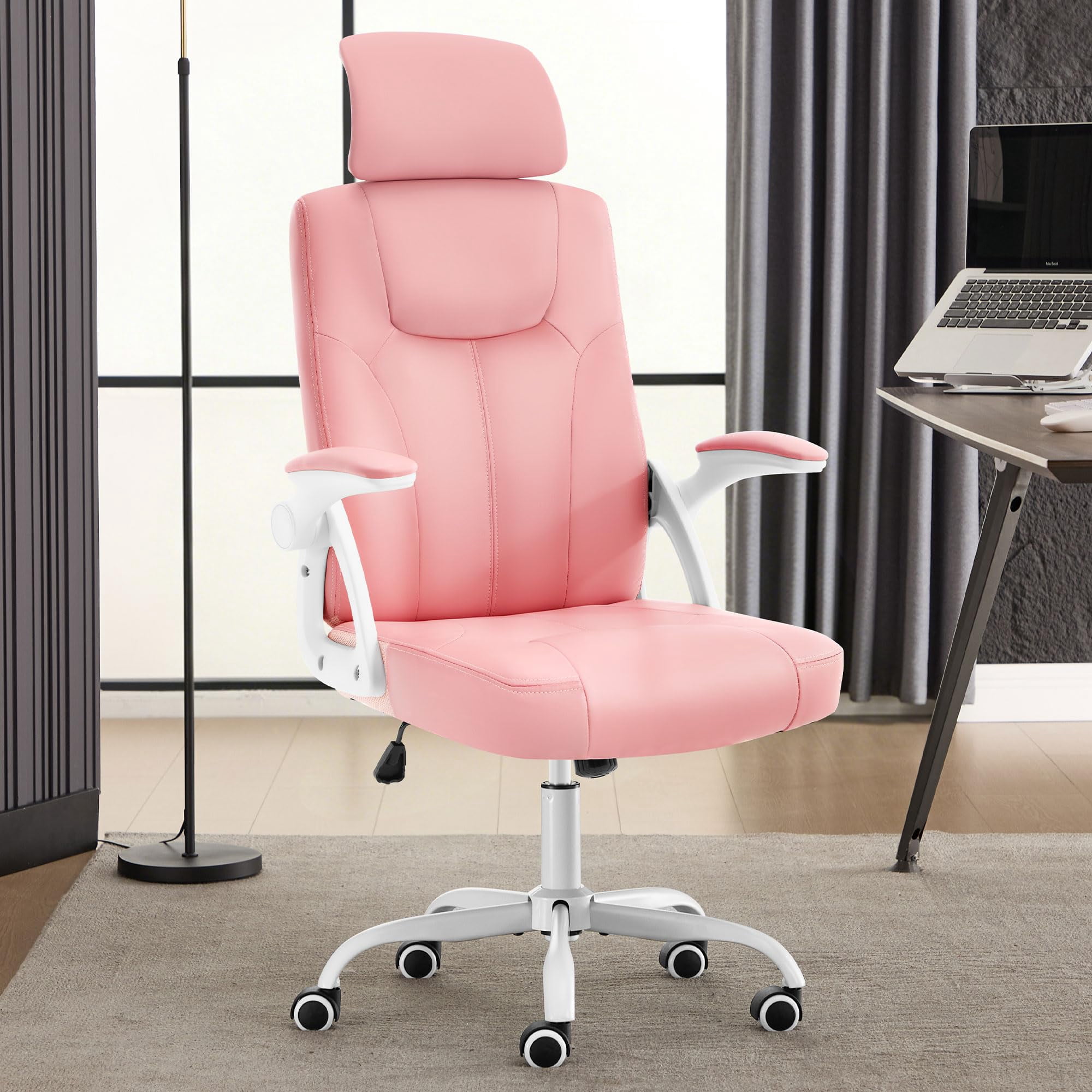
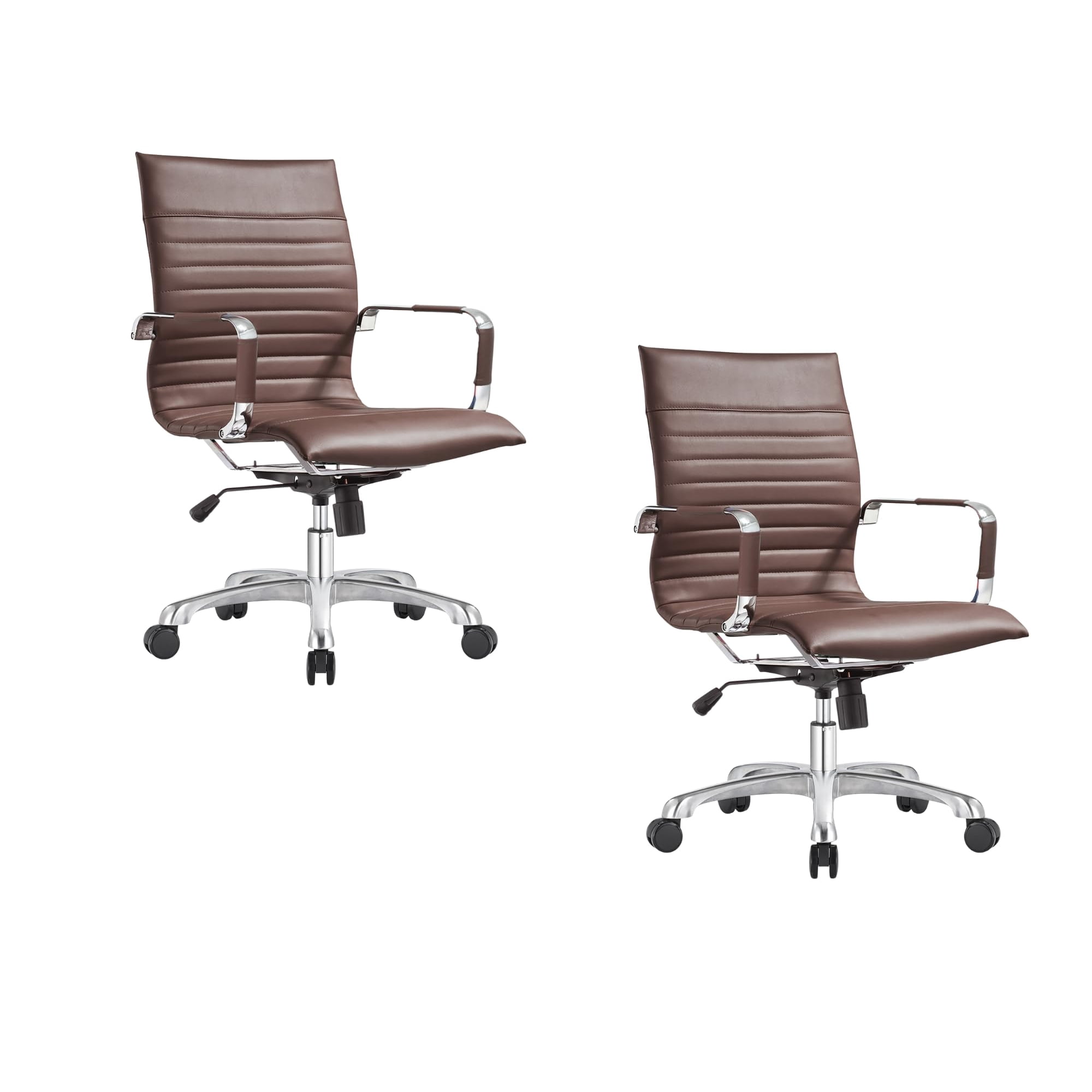
The Strategic Investment: Why Executives Choose Ergonomic Excellence
In the modern business landscape, the distinction between a regular office chair and an ergonomic office chair executive is as significant as the difference between a basic sedan and a luxury performance vehicle. For decision-makers who spend upwards of 2,000 hours a year seated, this choice directly influences cognitive function, physical health, and the ability to lead effectively. A truly ergonomic executive chair is engineered to be an invisible partner in your success, promoting circulation, maintaining spinal alignment, and reducing the micro-strains that accumulate over a 10-hour workday.
Data Insight: A recent study in the Journal of Occupational Health found that executives using advanced ergonomic seating reported a 52% reduction in lower back discomfort and a 38% increase in self-reported concentration levels compared to those using standard high-back chairs. The ROI extends beyond comfort—it's about sustained, high-level performance.
Deconstructing the Ergonomic Executive Chair: Core Technologies
Unlike standard seating, an ergonomic office chair executive grade is built upon a foundation of biomechanical principles. It's not just about padding; it's about dynamic support that moves with you. Here are the essential technologies that define this category:
- Dynamic Lumbar Mechanism: This isn't just a foam pillow. It's a system that often uses air bladders or spring-loaded panels to provide constant, adjustable pressure to the lumbar curve, adapting as you shift throughout the day. This prevents the "slumping" effect that leads to muscle fatigue.
- Synchronized Tilt Technology: This feature allows the seat and backrest to move in a coordinated ratio (often 2:1). As you recline, the seat pan tilts slightly upward, keeping you in a balanced, zero-gravity position that reduces spinal compression and maintains a clear field of vision to your monitor.
- Multi-Dimensional Armrests (4D): For executives who multitask between typing, writing, and phone calls, 4D armrests are non-negotiable. They adjust up/down, in/out, pivot side-to-side, and often angle forward/back, ensuring your shoulders remain relaxed and your wrists are in a neutral position, preventing ulnar and carpal tunnel issues.
- Seat Depth & Angle Adjustment: A proper ergonomic seat allows you to adjust the depth so you have 2-3 fingers of space between the back of your knees and the seat edge. Some premium models also offer a "waterfall edge" and seat angle tilt to further reduce pressure on the popliteal arteries, ensuring healthy circulation.
Material Science: Balancing Comfort, Durability, and Professional Aesthetics
The materials in an ergonomic office chair executive are carefully selected to provide a harmonious blend of function and form. Your choice should reflect your work style and office environment:
1. Advanced Breathable Mesh
- Best for: Extended work hours, warm climates, modern office aesthetics.
- Ergonomic Benefit: Provides passive cooling, reducing sweat and discomfort. High-tension mesh also offers "dynamic" support, acting like a hammock for the spine.
- Consideration: Look for multi-layer mesh that resists sagging. Premium versions have a reinforced frame to maintain tension for years.
2. Premium Leather (Top-Grain)
- Best for: Traditional executive suites, client-facing roles, and those who prefer a classic, authoritative look.
- Ergonomic Benefit: Offers superior durability and molds to the user's shape over time. High-density foam underneath provides a plush yet supportive feel.
- Consideration: Requires occasional conditioning. Ensure the chair has perforations for breathability to prevent heat buildup.
The Ergonomic Selection Checklist for Executives
Choosing the right model involves more than just testing comfort. Use this systematic checklist to evaluate any potential ergonomic office chair executive candidate:
- Assess Your Anthropometrics: Measure your height, weight, and torso length. Ensure the chair's back height aligns with your shoulder blades, and the weight capacity (minimum 300 lbs) provides a safety margin for robust construction.
- Test the Tilt Mechanism: Sit in the chair and recline fully. The motion should be fluid and controlled. Engage the tilt lock at various angles to see if you can comfortably work in a slightly reclined position, which is optimal for reducing spinal pressure.
- Evaluate the Armrests: While seated with shoulders relaxed, adjust the armrests so they sit just below your elbows at a 90-degree angle. Check if they move close enough to your body to support typing without causing shoulder abduction.
- Pressure Map the Seat: Sit for at least 10 minutes. Pay attention to any "hot spots" or pressure under your thighs. A quality seat cushion uses high-resiliency foam or a combination of foam and gel to distribute weight evenly.
- Warranty & Build Quality: A premium chair is defined by its warranty. Look for a 10+ year warranty on the frame and 5+ years on moving parts and upholstery. This is a direct indicator of the manufacturer's confidence in durability.
The Quantifiable Impact: Ergonomics as a Productivity Tool
Viewing an ergonomic office chair executive as a mere comfort item is a missed opportunity. Forward-thinking leaders understand it as a strategic asset that influences key performance indicators. Consider the following ways a correctly selected chair pays dividends:
- Reduced Absenteeism: By mitigating the risk of chronic back, neck, and shoulder pain, you minimize time lost to doctor visits and recovery. Studies suggest ergonomic interventions can cut musculoskeletal-related absenteeism by up to 75%.
- Enhanced Cognitive Stamina: Discomfort is a constant, subconscious drain on mental resources. When your body is properly supported, your brain can allocate 100% of its processing power to complex problem-solving and strategic decision-making.
- Improved Meeting Presence: The ability to sit upright and maintain an open, engaged posture without fidgeting conveys confidence and authority. A chair that facilitates good posture enhances your non-verbal communication.
- Long-Term Health Cost Savings: Investing in a premium chair with advanced ergonomics is a preventive measure against costly medical interventions, physical therapy, and even surgery related to spinal degeneration.