
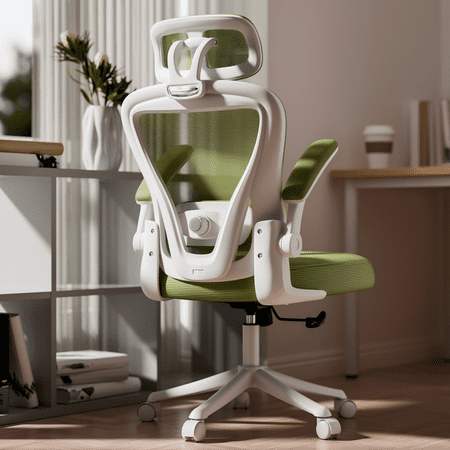
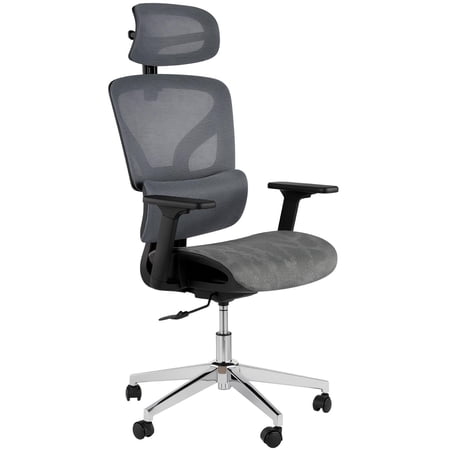
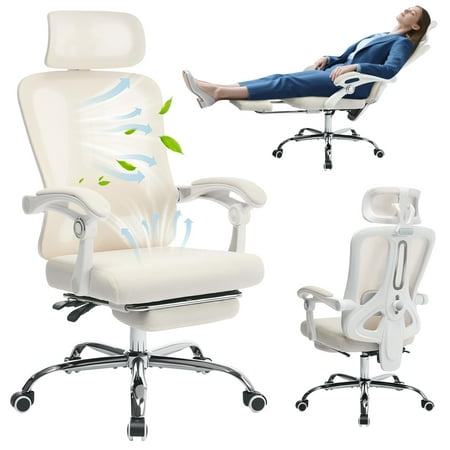
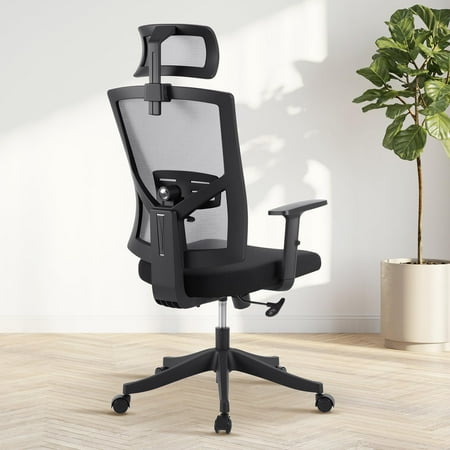
Why “Ergonomic Green” Is More Than a Color Trend
Imagine a chair that supports your spine like a trusted colleague and treads lightly on the earth like a responsible citizen. That’s the promise of the ergonomic green office chair. It’s not just about painting a chair green; it’s a holistic approach: recycled materials, non-toxic manufacturing, and design that reduces strain during 8-hour workdays.
Did you know? The office furniture industry generates millions of tons of waste yearly. By choosing a chair made from recycled content — for example, mesh from reclaimed fishing nets — you help divert plastic from oceans. Plus, ergonomic features reduce sick days: a 2023 study found that proper seating cuts musculoskeletal complaints by 54%.
1. The Anatomy of a Green Ergonomic Chair
A genuine ergonomic green chair combines two philosophies: biomechanics and circular economy. Here’s what sets it apart:
- Backrest: Often made from recycled PET mesh — breathable, flexible, and keeps you cool. It provides 4-point lumbar support that adjusts independently.
- Seat foam: Look for bio-based foam (derived from soy or castor oil) instead of conventional petroleum foam. It’s free from harsh VOCs.
- Frame & base: Recycled aluminum or steel with powder coating (low VOC). Some brands use 100% post-consumer recycled nylon.
- Upholstery: For fabric chairs, seek certifications like GREENGUARD Gold or fabrics woven from recycled plastic bottles — soft yet durable.
2. Shades of Green: Pick Your Personality
Green isn't a single shade — it's a palette. And each hue affects your room’s energy differently:
- Sage Green: Calming, biophilic. Perfect for creative professionals or therapists.
- Forest / Emerald: Rich, authoritative — suits executives who want eco-luxury.
- Mint / Pistachio: Playful, modern — ideal for startups or home offices.
- Olive / Moss: Neutral, organic — blends with wood and plants.
Color psychology shows that green reduces anxiety and boosts focus. Pair your chair with live plants for a mini indoor oasis.
3. Key Ergonomic Features You Shouldn’t Compromise
Even if the chair is “green”, it must first be “ergonomic”. Use this checklist:
- Adjustable lumbar support: Should move vertically and in depth.
- Seat depth slider: Allows 2–4 inches of adjustment so the back of knees don’t press the edge.
- 4D armrests: Height, width, depth, and pivot adjustability reduce shoulder tension.
- Synchronized recline: The backrest and seat tilt together, keeping your feet planted.
- Headrest (optional): For executives or tall users who lean back during calls.
Without these, even the greenest chair won’t protect you from back pain.
4. Sustainability Certifications: Decode the Labels
To avoid greenwashing, look for these logos:
- GREENGUARD Gold: Low chemical emissions — safe for kids and offices.
- Level® certification: Measures social and environmental impact.
- SCS Recycled Content: Verifies percentage of recycled material.
- FSC (Forest Stewardship Council): If wood is used, it comes from responsibly managed forests.
A chair with at least one of these is likely a genuine green product, not just green-colored plastic.
5. Cost vs. Value: Is Green More Expensive?
Initially, a well-designed ergonomic green chair might cost 10–20% more than a conventional equivalent. But consider total cost of ownership: durable recycled materials often last longer. Plus, some brands offer modular design — you can replace a worn seat cushion instead of tossing the whole chair. Over a decade, the green choice can be cheaper and better for the planet.
Health ROI
Reduced back pain = fewer doctor visits + higher productivity
Planet ROI
1 chair made from recycled plastic saves ~50 bottles from landfill
Style ROI
Green chairs photographed 3x more on Instagram — aesthetic appeal
Resale value
Sustainable brands often retain value better