
The Understated Power of a Cream Color Office Chair
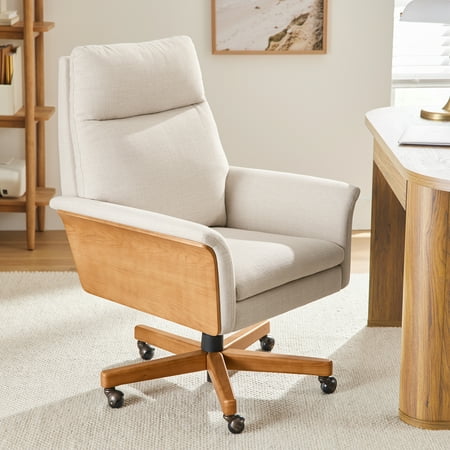
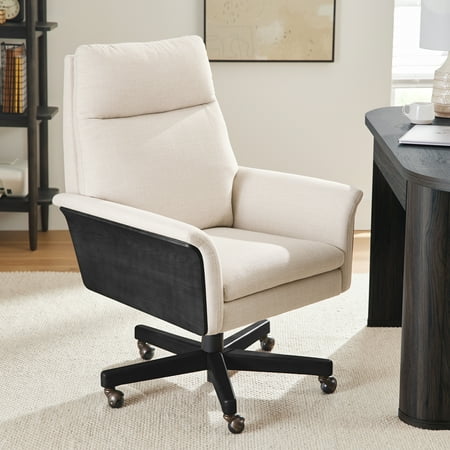
Imagine walking into your home office or corporate suite. The walls are soft white, the desk is light oak, and there—in the center—sits a graceful cream color office chair. It doesn’t shout for attention; it quietly elevates the entire room. This isn’t just a seat; it’s a design statement that also happens to support your spine through eight‑hour workdays. In this guide, we’ll explore why cream chairs are gaining popularity, how to choose the right one, and how to keep it looking pristine.
1. Why Cream? The Psychology and Aesthetics of Neutral Seating
Color affects mood. Dark tones can feel authoritative but sometimes heavy. Bright colors might energize but also distract. Cream sits in a sweet spot: it’s calming, warm, and professional. According to color psychology, beige and cream tones promote focus and reduce anxiety—perfect for high‑pressure environments. They also reflect light, making a room feel larger and airier.
From a design perspective, a cream office chair acts as a chameleon. It adapts to:
- Scandinavian minimalism – paired with white desks and light wood floors.
- Modern farmhouse – combined with rustic wood and black metal accents.
- Boho chic – accessorized with rattan, plants, and textured textiles.
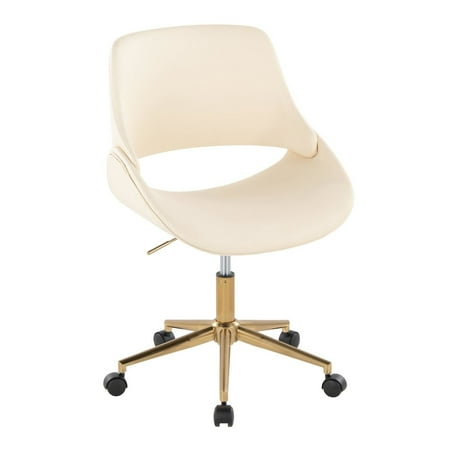
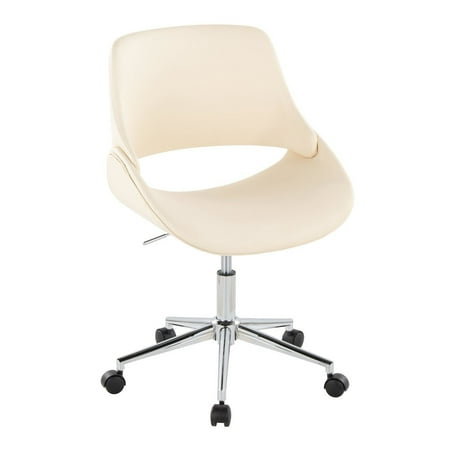
- Luxury executive – dressed with chrome or brass bases and leather upholstery.
Unlike trendy colors that may feel dated in a few years, cream remains timeless. It’s the little black dress of office furniture—only softer.
2. Ergonomics Never Take a Day Off: What to Look For
A beautiful chair that causes back pain is a beautiful mistake. Cream color doesn’t compromise on support, but you must verify the same ergonomic features you’d demand in any high‑end chair. Here’s a checklist:
- Adjustable lumbar support – your lower back needs customized contouring. Look for chairs with both height and depth adjustment.
- Seat depth slider – ensure the seat pan fits your thigh length (usually 2‑3 fingers gap between the seat edge and back of knee).
- 4D armrests – adjustable up/down, left/right, forward/back, and pivot. Your elbows and shoulders will thank you.
- Synchro‑tilt mechanism – allows the seat and backrest to move together, keeping you supported while reclining.
- Headrest (optional but recommended) – if you’re over 5’8” or like to lean back during calls, a padded headrest prevents neck strain.
Many manufacturers now offer cream versions of their best‑selling ergonomic models. Don’t assume a cream chair is “fashion over function”—it’s simply a color option on a solid frame.
3. Material Matters: Cream in Fabric, Leather, and Mesh
Choosing the right upholstery is critical for a light‑colored chair. Here’s how the materials compare:
✅ Cream Fabric (performance textiles)
- Breathable: ideal for long sitting sessions.
- Stain‑resistant: many modern fabrics (like olefin or solution‑dyed polyester) repel spills.
- Soft feel: cozy and inviting.
- Care: vacuum weekly, spot clean with mild soap.
⚠️ Considerations
- Can absorb oils over time if not treated.
- Light pilling may occur in high‑friction areas (but quality fabrics resist this).
✅ Cream Leather (bonded or top‑grain)
- Luxurious appearance: ages beautifully, develops a patina.
- Easy wipe‑down: spills bead up if leather is protected.
- Durable: top‑grain lasts decades.
⚠️ Considerations
- Can be cool in winter, sticky in summer (unless perforated).
- Requires conditioning to prevent drying/cracking.
- Lighter leather may show jeans dye transfer – clean promptly.
✅ Cream Mesh
- Maximum breathability: perfect for warm climates.
- Modern look: translucent effect.
- Easy to clean: wipe with damp cloth.
⚠️ Considerations
- Less common; fewer models available.
- Mesh can snag if you wear jewelry or rough fabrics.
- May lack plush comfort without adequate padding underneath.
4. Real‑World Maintenance: Keeping Your Cream Chair Pristine
A common worry: “Will it look dirty after a week?” With today’s textile technology, no. But you do need a simple routine:
- Pre‑treat fabric with a spray protector (like Scotchgard) every 6 months.
- Leather: use a cleaner and conditioner formulated for light leathers. Test on a hidden spot first.
- Immediate spill action: blot (don’t rub) with a clean microfiber cloth.
- Prevent color transfer: if you wear new dark jeans, consider a light cotton cover or throw for the first few washes.
A survey by the American Home Furnishings Alliance found that 78% of consumers with light‑colored upholstery said regular maintenance kept their furniture looking new for over five years. The cream chair is not a high‑maintenance diva—it’s a reliable colleague.
5. Cream vs. White vs. Beige: subtle differences that matter
It’s easy to confuse them, but here’s a quick guide:
| Shade | Undertone | Mood | Best with |
|---|---|---|---|
| Cream | Yellow/warm | Inviting, cozy | Wood, gold, earth tones |
| White | Blue/gray (cool) or neutral | Crisp, modern | Black, chrome, stark minimalism |
| Beige | Brown/gray | Earthy, conservative | Traditional leather, dark wood |
Cream offers warmth without being too yellow, making it the most versatile of the three. It’s especially forgiving with dust and minor scuffs—much more than pure white.
6. Who Is the Cream Office Chair For?
This chair fits a surprising range of users:
- Home office workers who want their space to feel like part of the home, not a sterile cubicle.
- Designers, architects, creatives – cream acts as a neutral canvas that doesn’t compete with colorful mood boards.
- Executives in corner offices – a cream leather high‑back conveys quiet confidence.
- Reception areas – makes visitors feel welcome without the clinical vibe of white.
- Anyone with small spaces – cream visually expands the room.
7. Cost vs. Value: Is a Cream Chair More Expensive?
Generally, color doesn’t affect the price—a cream chair costs the same as black or gray from the same model line. However, specialty materials (like performance fabric or premium leather) can raise the price. Expect to pay:
- $200–$500: entry‑level fabric or bonded leather with basic ergonomics.
- $500–$900: mid‑range with better lumbar support and more durable upholstery.
- $900–$1,800: high‑end ergonomic (e.g., Steelcase, Herman Miller equivalents) with advanced adjustments and premium cream leather or mesh.
Given the longevity of a well‑built chair (8–12 years), even the higher tier is a sound investment in your health and workspace aesthetics.
Frequently Asked Questions About Cream Color Office Chairs
Conclusion: A Breath of Fresh Air for Your Workspace
Choosing a cream color office chair is not just a decorative whim—it’s a strategic move toward a calmer, more inviting, and visually spacious office. With modern stain‑resistant materials and the same ergonomic integrity as any dark chair, cream proves that you can have both style and substance. Whether you’re outfitting a corporate suite or a cozy home office, let this neutral tone be the foundation of a workspace where you’ll love to sit, focus, and create. Pair it with a light oak desk and a soft rug, and you’ve built a room that whispers “success” without screaming.