
Why a Core Office Chair Defines Your Workday
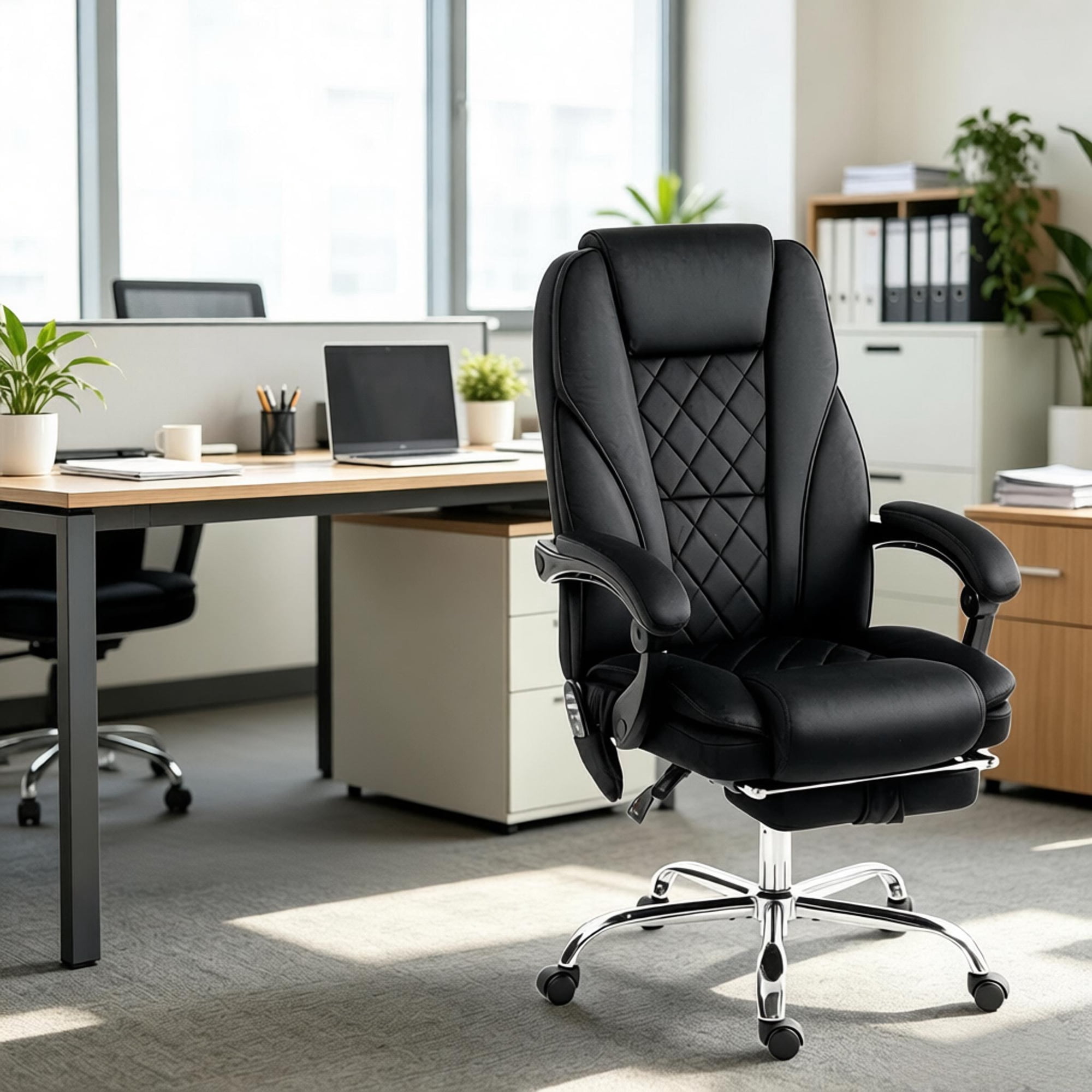
Think of your office chair like the foundation of a house: if it's unstable or poorly built, everything else suffers. A core office chair is the central piece of your workspace—engineered to deliver consistent ergonomic support, durability, and adjustability for the modern professional. Unlike specialized gaming chairs or lavish executive models, the core chair focuses on what matters most: keeping you comfortable, aligned, and productive from your first email to your final task of the day.
Ergonomic Insight: According to a 2024 workplace health study, professionals using a properly adjusted core ergonomic chair reported 31% less fatigue by mid-afternoon and were 2.3x more likely to maintain focus during long projects. The right chair directly impacts both output and physical wellness.
Anatomy of a High-Quality Core Office Chair
A true core office chair stands out through a combination of essential elements. Here are the non-negotiable components that define reliable seating:
- Dynamic Lumbar Mechanism: Adjustable depth and height support that moves with you, preventing slouching and maintaining the spine's natural S-curve.
- Seat Depth Adjustment: Allows the seat pan to slide forward or backward so you maintain a fist-sized gap between the back of your knees and the seat edge, ensuring proper circulation.
- Multi-Dimensional Armrests: At least 3D adjustability (height, width, pivot) so arms rest naturally, reducing shoulder tension and promoting relaxed typing posture.
- Breathable Material Construction: High-quality mesh or breathable fabric that dissipates heat, keeping you cool during marathon work sessions.
- Robust Gas Lift & Base: Class 4 gas cylinder rated for at least 300 lbs and a five-star aluminum or reinforced nylon base for stability and safety.
Choosing Your Ideal Core Office Chair: A Step-by-Step Approach
Selecting a core chair goes beyond aesthetics. Follow this systematic guide to find your perfect match:
Step 1: Define Your Sitting Profile
- Duration: Do you sit 4-6 hours, 6-8 hours, or 8+ hours daily? Extended sitting requires advanced lumbar and seat cushioning.
- Work Style: If you switch between typing, phone calls, and reading, look for flexible armrests and smooth swivel.
- Physical Considerations: Height, weight, and any existing back or neck conditions dictate necessary adjustments (e.g., taller users need taller backrests).
Step 2: Prioritize Adjustability Range
Pro Tip: The best core chairs offer at least 5 adjustment points: seat height (17-21 inches), seat depth (adjustable by 2+ inches), armrest width/height, tilt tension, and lumbar depth. Avoid chairs with fixed or limited adjustments — your body isn't one-size-fits-all.
Step 3: Test Material & Build Quality
- Mesh vs. Fabric: Mesh offers airflow; high-density fabric provides plush comfort. Hybrid designs combine both.
- Weight Capacity: Aim for 275 lb minimum even if you weigh less — it indicates stronger internal construction.
- Warranty: A core chair should come with at least a 5-year frame and parts warranty; 10+ years is a sign of premium confidence.
Core Office Chair vs. Other Chair Types: Quick Comparison
| Chair Type | Primary Focus | Typical Price Range | Best For |
|---|---|---|---|
| Core Office Chair | Ergonomics, durability, essential adjustments | $300 – $800 | Daily all-around use, remote workers, offices |
| Executive Chair | Luxury aesthetics, premium leather, high-back style | $800 – $2,500+ | Corner offices, client-facing roles, traditional settings |
| Gaming Chair | Aggressive styling, bucket seat, high recline | $200 – $600 | Gamers, those preferring firm, sporty seating |
| Task Chair | Basic functionality, budget-friendly | $100 – $300 | Occasional use, guest desks, short-duration seating |
Health Benefits: How a Core Chair Protects Your Body
Spinal Alignment
Proper lumbar support reduces disc compression by up to 30%, preventing chronic lower back pain and promoting better posture even away from the desk.
Neck & Shoulder Relief
Adjustable armrests and headrest options minimize trapezius tension, cutting down on headaches and stiff necks associated with poor sitting habits.
Circulation Boost
Waterfall seat edges and depth adjustment eliminate pressure behind the knees, improving blood flow and reducing the risk of deep vein thrombosis.
Energy & Focus
Comfort reduces micro-movements and fidgeting; studies show ergonomic seating can increase productivity by 17% through sustained concentration.
Top Materials Compared: Mesh, Fabric, and Hybrid
• Maximum airflow • Easy to clean • Resilient over time • Ideal for warm climates
• Soft, cozy feel • Variety of colors • Better sound absorption • Warmer in winter
• Best of both worlds • Breathable back support • Plush seating surface • Balanced comfort
Setting Up Your Core Office Chair for Maximum Ergonomic Benefit
Even the best core chair won't help if not adjusted correctly. Use this quick setup routine:
- Feet Flat: Adjust seat height so feet rest flat on the floor, thighs parallel to ground.
- Lumbar Position: Set lumbar support to fit the curve of your lower back; it should feel supportive, not intrusive.
- Seat Depth: Slide seat pan until there are 2-3 fingers width between back of knees and seat edge.
- Armrest Height: Elbows should rest at 90-100 degrees with shoulders relaxed, wrists straight while typing.
- Tilt Tension: Adjust recline resistance so you can lean back comfortably without abrupt force.
Note: Re-evaluate your settings every few months or after any change in work setup (new desk height, monitor position). Your core chair should adapt to you, not the other way around.