
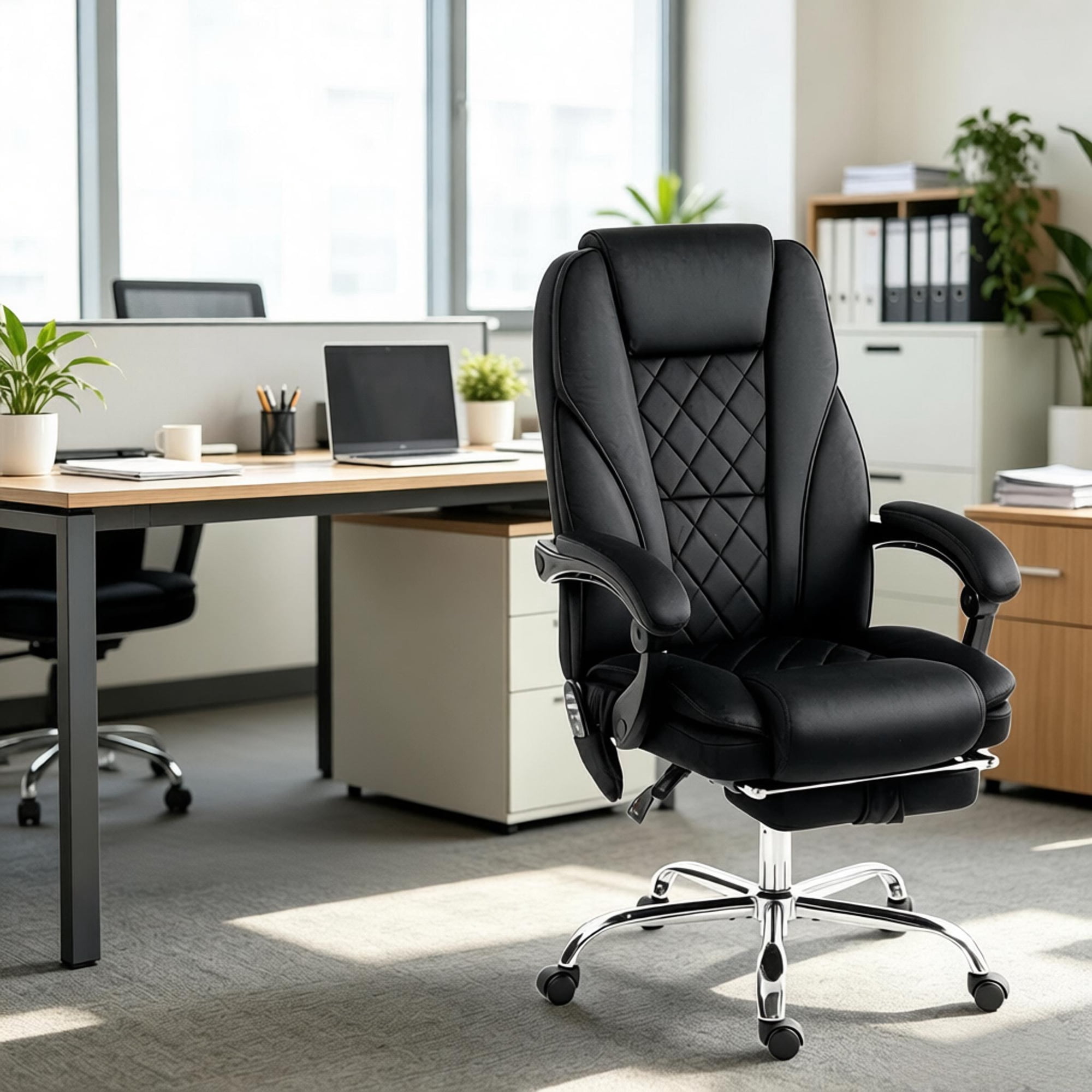
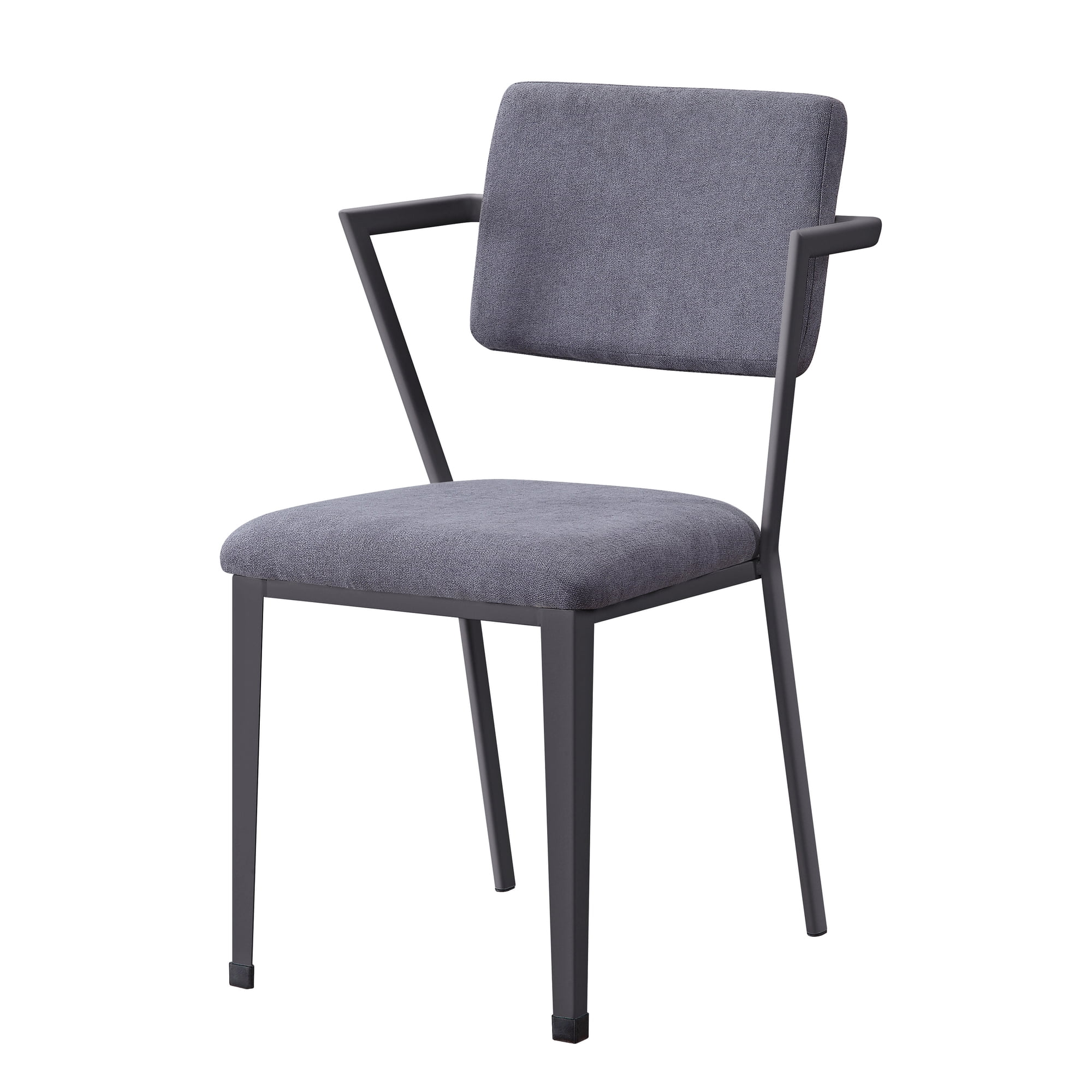
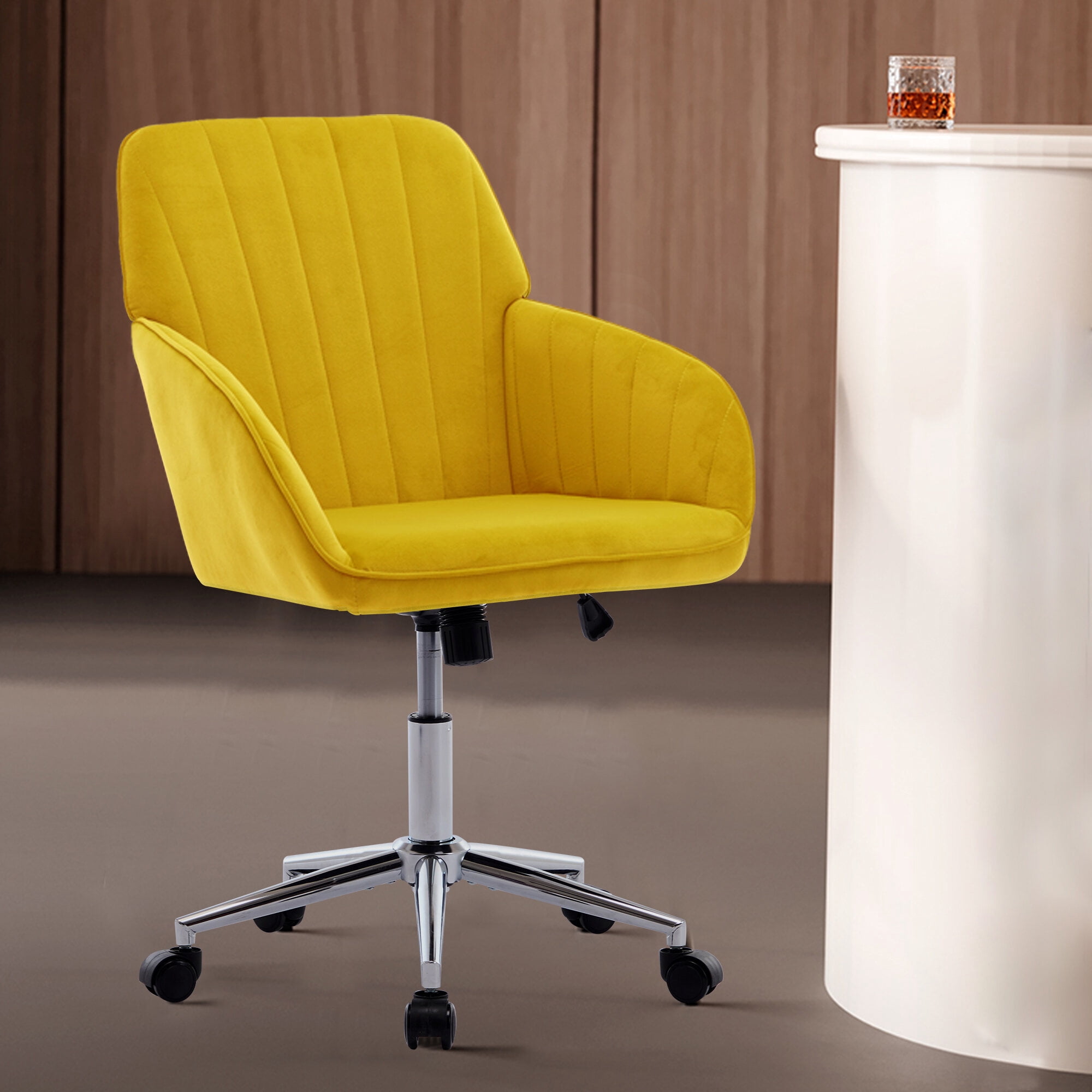
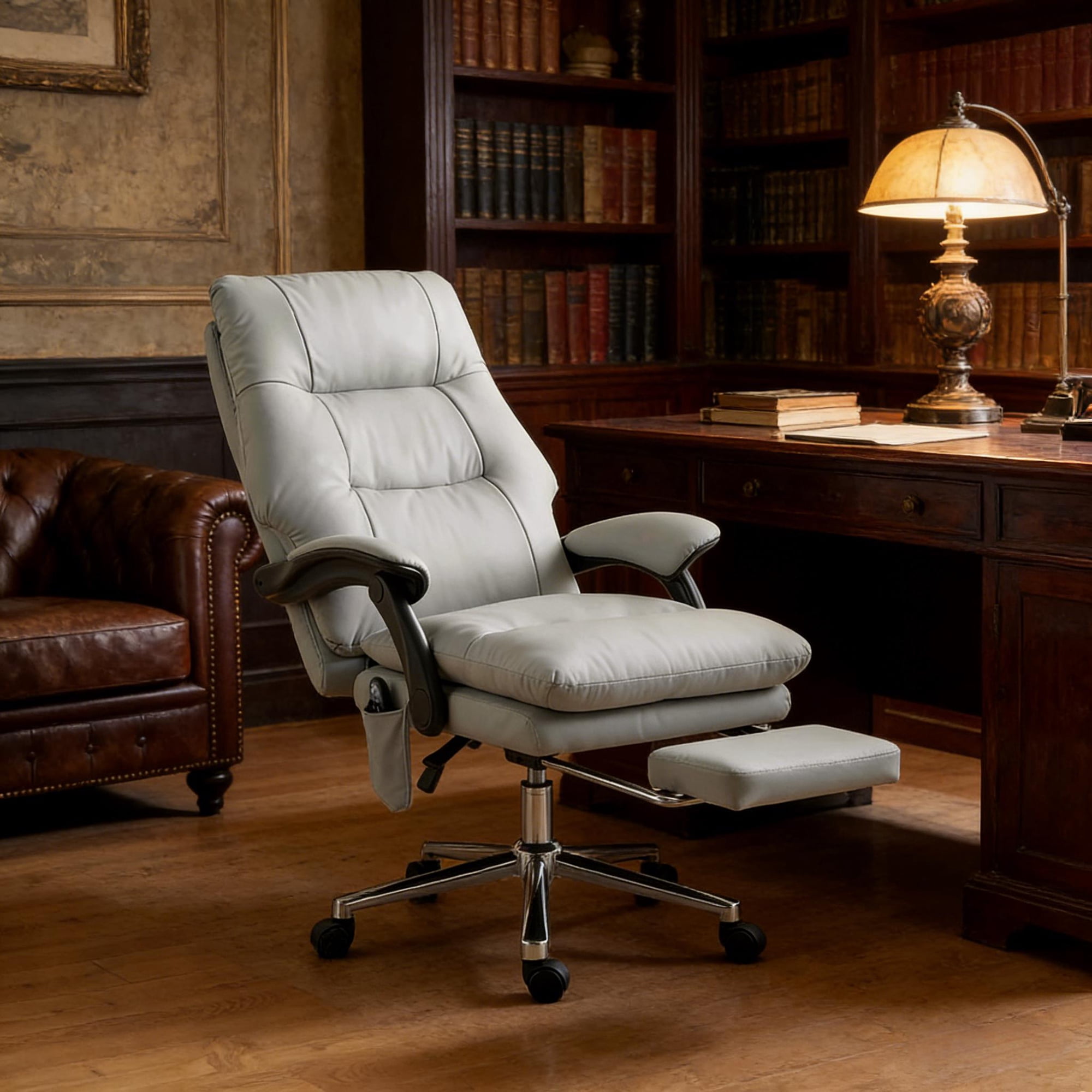
Your Complete Guide to the Regular Office Chair
Walk into any workspace—home office, startup, or large corporation—and you'll find it: the regular office chair. It's the unsung hero of the workday. Unlike flashy gaming thrones or high-back executive models, the regular office chair (often called a task chair) focuses on what matters most: comfortable, supportive seating for the way most of us actually work. Whether you're answering emails, crunching numbers, or joining back-to-back video calls, a reliable chair keeps you going.
Did you know? According to the Bureau of Labor Statistics, the average office worker spends over 1,800 hours per year in their chair. Choosing the right regular office chair can directly impact your energy levels, focus, and even long-term spinal health.
What Defines a "Regular" Office Chair? (And Why It Matters)
A regular office chair is the Goldilocks of seating: not too basic, not too luxurious. It strips away extravagant headrests and premium leather, prioritizing practical ergonomics and value. Typically, these chairs feature:
- Adjustable seat height (pneumatic lift) to match standard desk heights (28-30 inches).
- Basic lumbar support — either built-in curvature or a simple adjustable pad.
- Breathable backrest — often mesh or a fabric panel to prevent sweaty backs.
- Five-star base with durable casters suitable for carpet or hard floors.
- Weight capacity typically around 250-300 lbs, covering most body types.
They're the "everyday heroes" because they're built for the 9-to-5 grind without breaking the bank or overwhelming your space with bulk.
Regular vs. Other Chair Types: A Quick Comparison
To understand the niche of a regular office chair, let's see how it stacks up against other popular categories:
| Chair Type | Typical Use | Key Feature | Price Range |
|---|---|---|---|
| Regular / Task Chair | Daily office work | Balance of ergonomics & cost | $150 – $500 |
| Executive Chair | Managerial / corner office | High-back, leather, prestige | $600 – $2,000+ |
| Ergonomic High-End | Intensive all-day use | Fully adjustable (lumbar, arms, depth) | $800 – $1,500 |
| Gaming Chair | Gamers, style-conscious | Bucket seat, racing stripes | $200 – $600 |
As you can see, the regular office chair is the pragmatic choice—it delivers the core essentials without the premium price tag of specialized models.
5 Essential Features to Look For (Backed by Ergonomics)
Not all regular chairs are created equal. When shopping, use this checklist to ensure you get genuine value:
- Seat Comfort & Depth: Look for high-density foam (at least 2-3 inches thick) and a waterfall edge that curves down gently to prevent pressure behind your knees.
- Adjustable Lumbar Support: Static lumbar curves are okay, but a height-adjustable support is far better. It should fit the natural curve of your lower back.
- Backrest Height & Recline: A mid-back chair (around 20-22 inches tall) is standard. A simple tilt mechanism with tension control lets you lean back comfortably during micro-breaks.
- Armrest Options: Fixed armrests are common, but height-adjustable armrests allow you to relax shoulders and elbows at 90 degrees.
- Caster & Floor Compatibility: Hard casters for carpet, soft rubber casters for hardwood/tile. Many regular chairs now come with dual-purpose casters.
Investing a little extra for adjustability pays off in long-term comfort—think of it as a subscription to a happier back.
Material Matters: Mesh vs. Fabric vs. Faux Leather
The material of your regular office chair affects breathability, maintenance, and feel. Here's how to choose:
- Mesh: The champion of airflow. Ideal if you tend to get warm or live in a humid climate. Modern mesh is stretchy and supportive, but can feel less "cushy."
- Fabric (Polyester / Wool blend): Offers a softer, warmer seat. Available in many colors to match your decor. Requires occasional vacuuming to keep dust-free.
- Faux Leather / PU: Easy to wipe clean and looks sleek. However, it may peel after a few years and can get sticky in summer. Best for part-time use.
Pro tip: For a true "regular" all-rounder, many users prefer a mesh back with a fabric seat—breathability where you need it, softness where you sit.
Setting Up Your Regular Office Chair (Simple Steps)
Even the best chair fails if poorly adjusted. Follow this 2-minute routine:
- Seat height: Sit with feet flat on the floor, thighs parallel to ground. Knees should be at a 90° angle (or slightly lower than hips). Adjust lever until achieved.
- Backrest / Lumbar: Sit back. The lumbar support should press into the curve of your lower back. If adjustable, move it up/down to hit the spot.
- Armrests (if adjustable): Relax shoulders, bend elbows 90°. Raise/lower armrests so they lightly support forearms without hunching shoulders.
- Recline tension: Adjust so you can lean back with moderate effort, but the chair returns forward easily.
Quick check: You should be able to slide a finger easily between the front edge of the seat and the back of your knee—that's proper seat depth.
Common Myths About Regular Office Chairs
- Myth #1: "A more expensive chair is always better for my back." Not necessarily. A well-adjusted regular chair with proper lumbar support often beats a poorly adjusted luxury chair.
- Myth #2: "I don't need adjustable arms." Fixed arms can prevent you from pulling the chair close to the desk, leading to hunching. Adjustable arms offer flexibility.
- Myth #3: "All mesh chairs are uncomfortable." Modern mesh is designed with varying tension zones—firmer in the lumbar, softer in the shoulder area.
Frequently Asked Questions – Regular Office Chair
Conclusion: The Right Foundation for Your Workday
Choosing a regular office chair isn't about settling for "just okay." It's about recognizing that smart design and essential features can deliver exceptional comfort without extravagance. Whether you're equipping a home office or a corporate cubicle, the chairs we've discussed provide the support you need to stay productive and pain-free.
Remember to prioritize adjustability (especially lumbar and seat height), choose a breathable material that suits your climate, and always test the chair's stability. A great regular office chair is an investment in your daily well-being—one that pays dividends with every focused work session. Browse the top picks above and find your perfect match.