
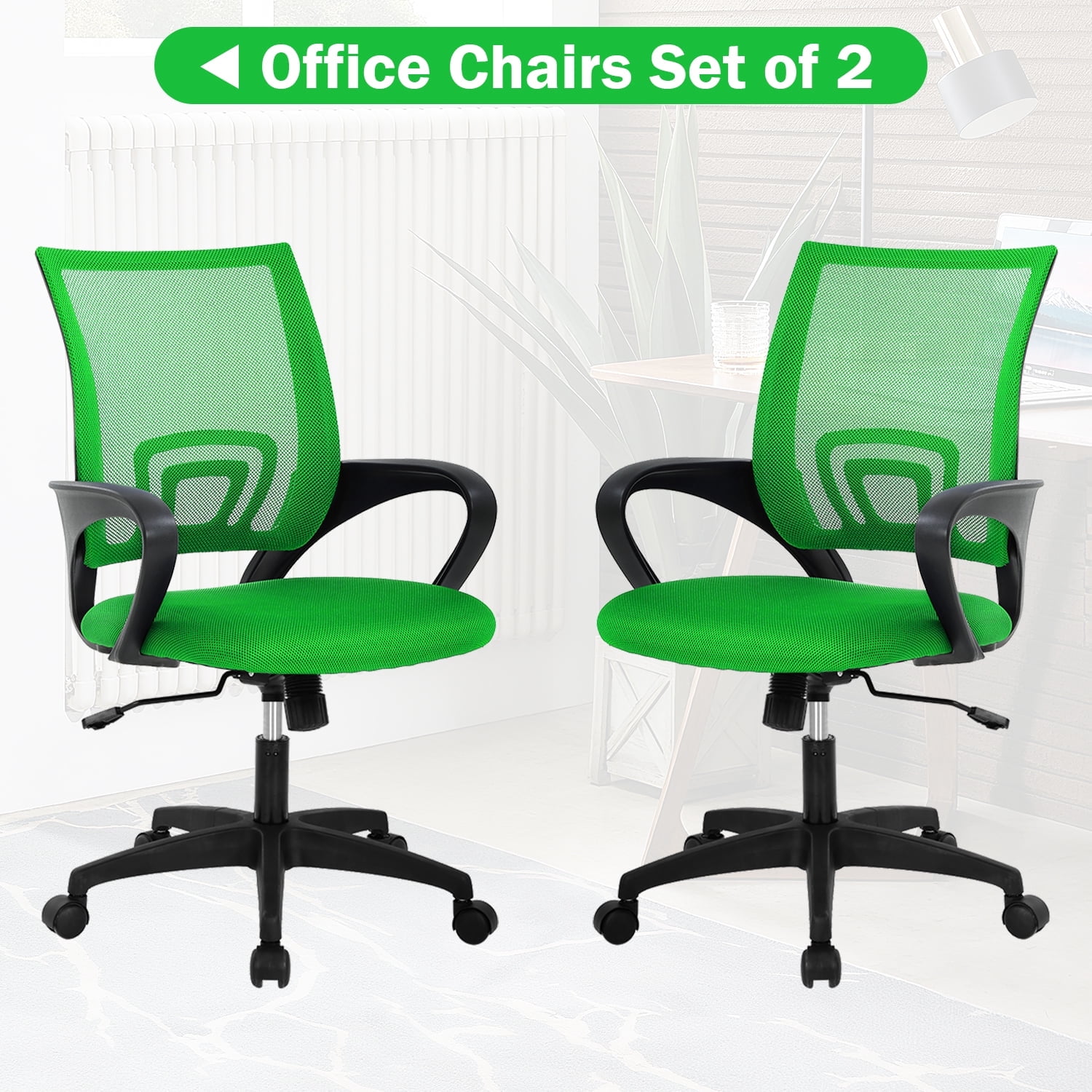
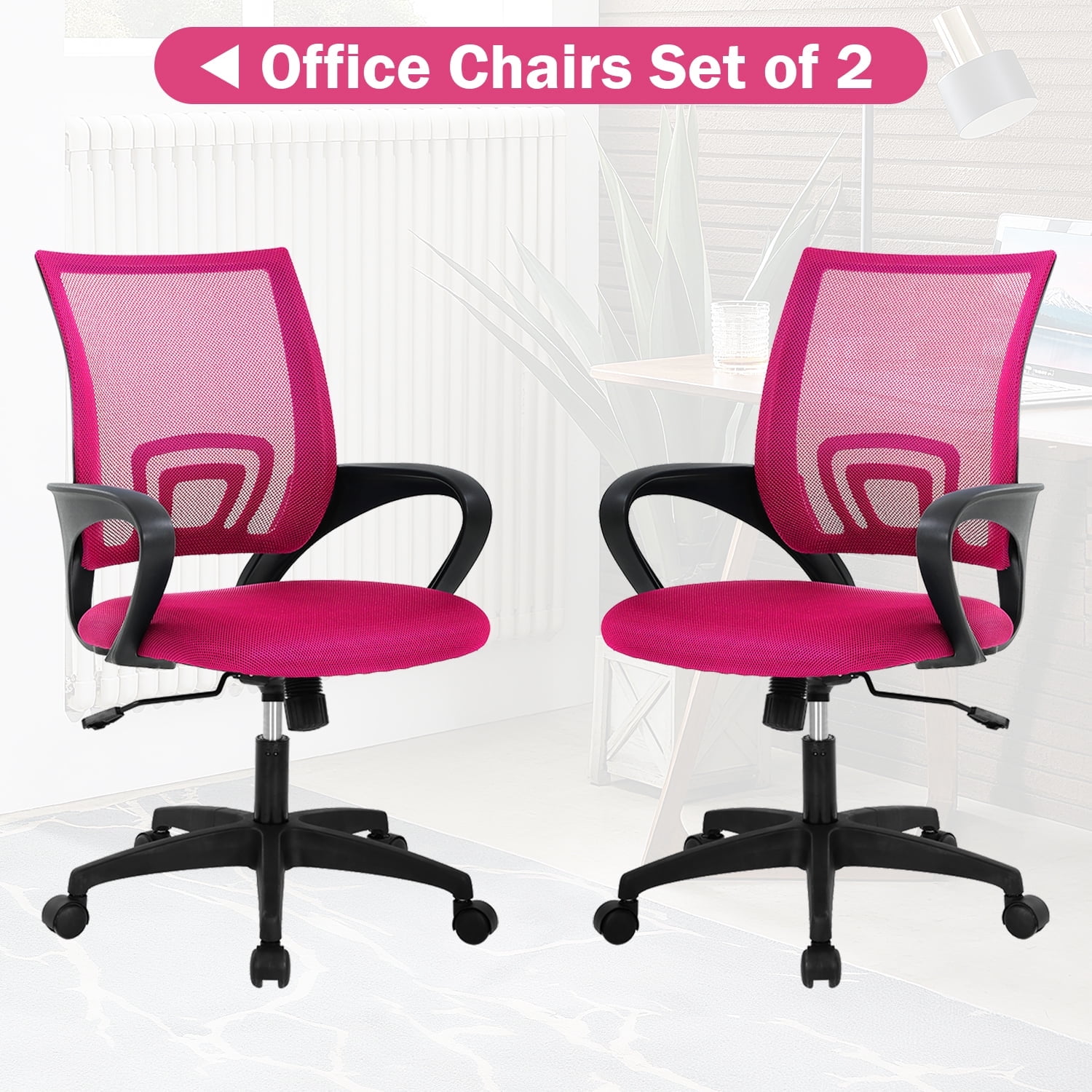
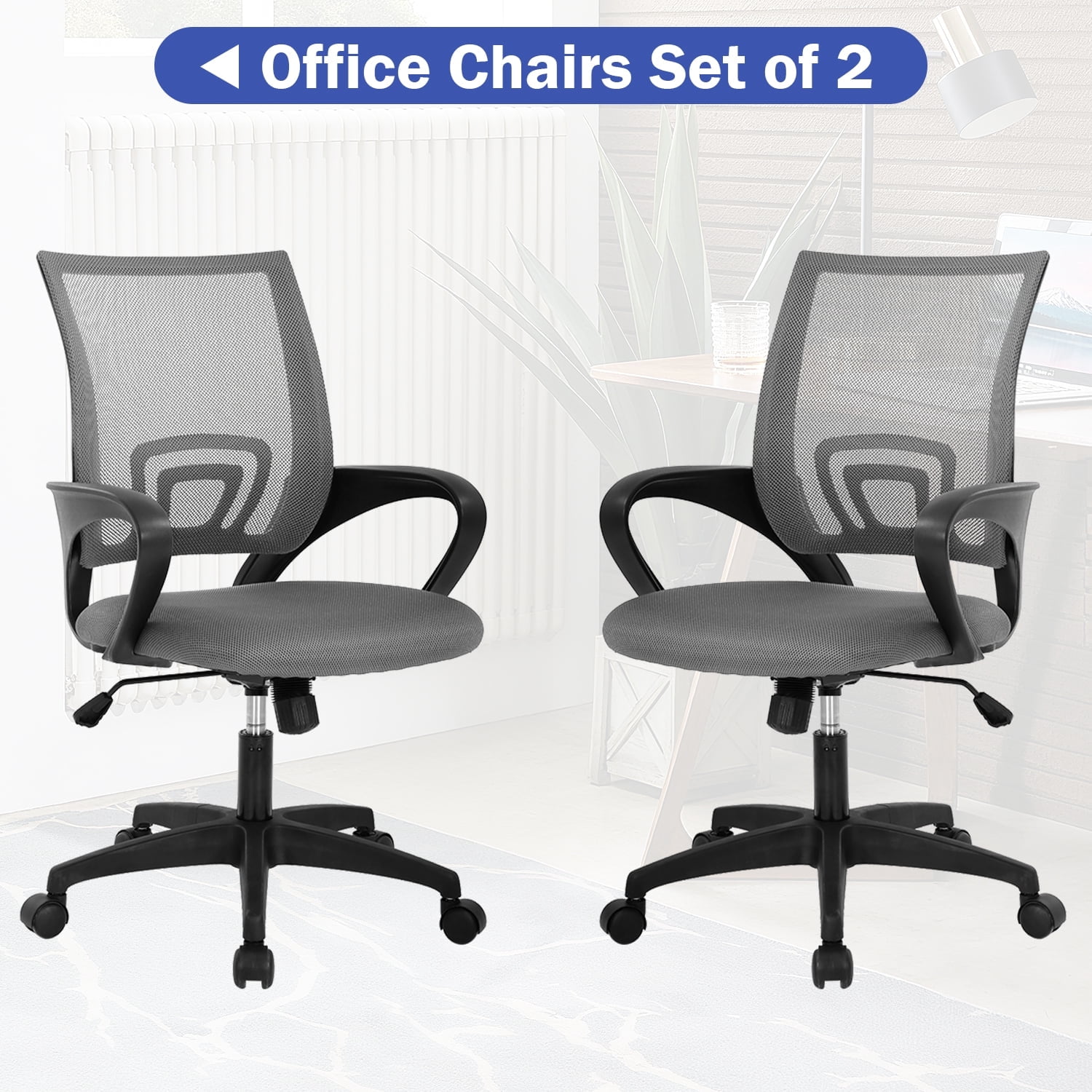
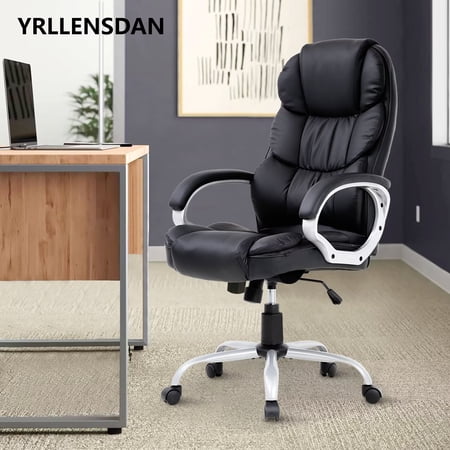
Why "Cheap" Doesn't Mean Low Quality: The Smart Shopper's Guide
The phrase "cheap office desk and chair" often conjures images of wobbly legs, peeling faux leather, and uncomfortable seating. However, the modern market tells a different story. Today, smart manufacturing and fierce competition have led to an array of affordable options that combine surprising durability with genuine ergonomic features. As a savvy professional, your goal is to find that sweet spot where cost-effectiveness meets functional excellence.
Smart Money Fact: According to a 2024 consumer report, 68% of home office workers who purchased desks and chairs in the $150-$300 range reported being "satisfied" or "very satisfied" after 2 years of use. The key is knowing which features matter most and which ones you can skip.
What Defines a High-Value Budget Office Setup?
When evaluating cheap office desk and chair packages, focus on three pillars: structural integrity, essential ergonomics, and material longevity. A great budget desk should have a stable steel frame and a scratch-resistant surface. A good affordable chair must offer adjustable seat height, basic lumbar support, and a breathable back material. Let's break down what to look for.
- Desk Frame Construction: Look for powder-coated steel or reinforced alloy legs. Avoid desks with plastic leg joints — they're prone to cracking under weight.
- Tabletop Material: High-density MDF (medium-density fiberboard) with melamine or laminate coating is best. It resists scratches, spills, and warping better than particleboard.
- Chair Seat Foam: High-density molded foam retains its shape longer. Low-density foam will flatten within months, leading to discomfort.
- Cylinder & Base: Class 3 gas lift cylinders (common in budget chairs) offer 5+ years of reliable height adjustment. A 5-point base provides superior stability compared to 4-point designs.
The Ergonomic Essentials You Can't Ignore (Even on a Budget)
Ergonomics is not a luxury reserved for $1,000 chairs. Many cheap office chairs now incorporate fundamental ergonomic principles that can protect your posture and prevent fatigue. Prioritize these features:
Pneumatic adjustment (standard). Ensure your thighs are parallel to the floor.
Fixed or adjustable curve in the backrest. Essential for lower back health.
At least 17 inches to accommodate most users. Leaves 2-3 fingers between knees and seat edge.
Pro Tip: If a budget chair lacks lumbar adjustment, use a small cushion or rolled towel to create custom support. This simple hack can transform a basic chair into a back-friendly seat.
Top Materials That Offer Best Bang for Your Buck
When selecting a cheap office desk and chair, material choice directly impacts durability and comfort. Here's how different materials stack up in the budget category:
| Component | Budget-Friendly Choice | Why It Works |
|---|---|---|
| Chair Upholstery | Breathable Mesh or Bonded Leather | Mesh offers airflow; bonded leather is easier to clean and looks professional. Both cost less than genuine leather. |
| Desk Surface | Melamine Laminate over MDF | Resists heat, stains, and scratches. Provides a smooth surface for mouse movement. |
| Chair Base | Nylon or Reinforced Plastic | Modern nylon bases are surprisingly strong and lightweight, reducing overall cost without sacrificing safety. |
| Casters | Dual-wheel PU casters | Polyurethane wheels protect flooring and roll smoothly. Dual-wheel design adds stability. |
How to Maximize Longevity of Your Budget Office Set
Even the best cheap office desk and chair require proper care to last. With simple maintenance, you can extend their lifespan by several years. Consider these strategies:
1. Regular Tightening
Every 3 months, inspect and tighten all screws, bolts, and Allen key connections. Vibration from daily use can loosen joints, leading to wobbliness. A quick tightening routine prevents structural failure.
2. Clean Surfaces Appropriately
For laminate desks, use a soft microfiber cloth and mild detergent. Avoid abrasive cleaners that strip the protective coating. For mesh chairs, vacuum weekly to prevent dust buildup in the fibers.
3. Rotate Usage Patterns
If possible, alternate sitting positions and use the recline function to distribute pressure evenly across the chair's mechanism. This prevents premature wear on specific stress points.
Common Misconceptions About Affordable Office Furniture
Let's debunk myths that may prevent you from finding the perfect budget setup:
- Myth 1: "All cheap chairs cause back pain." — Fact: Many budget chairs now incorporate ergonomic curves and lumbar support, reducing strain for users with proper posture.
- Myth 2: "Low-cost desks are always unstable." — Fact: Look for desks with crossbar supports or "L-shaped" leg designs; they provide excellent stability even at lower price points.
- Myth 3: "You must replace budget furniture every year." — Fact: With careful selection and maintenance, a $150 chair and $120 desk can easily last 5-7 years for home office use.