
1. The Rise of the Camel Office Chair: A Blend of Vintage Soul and Modern Ergonomics
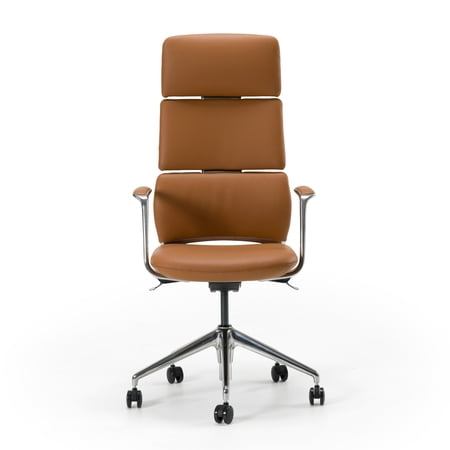
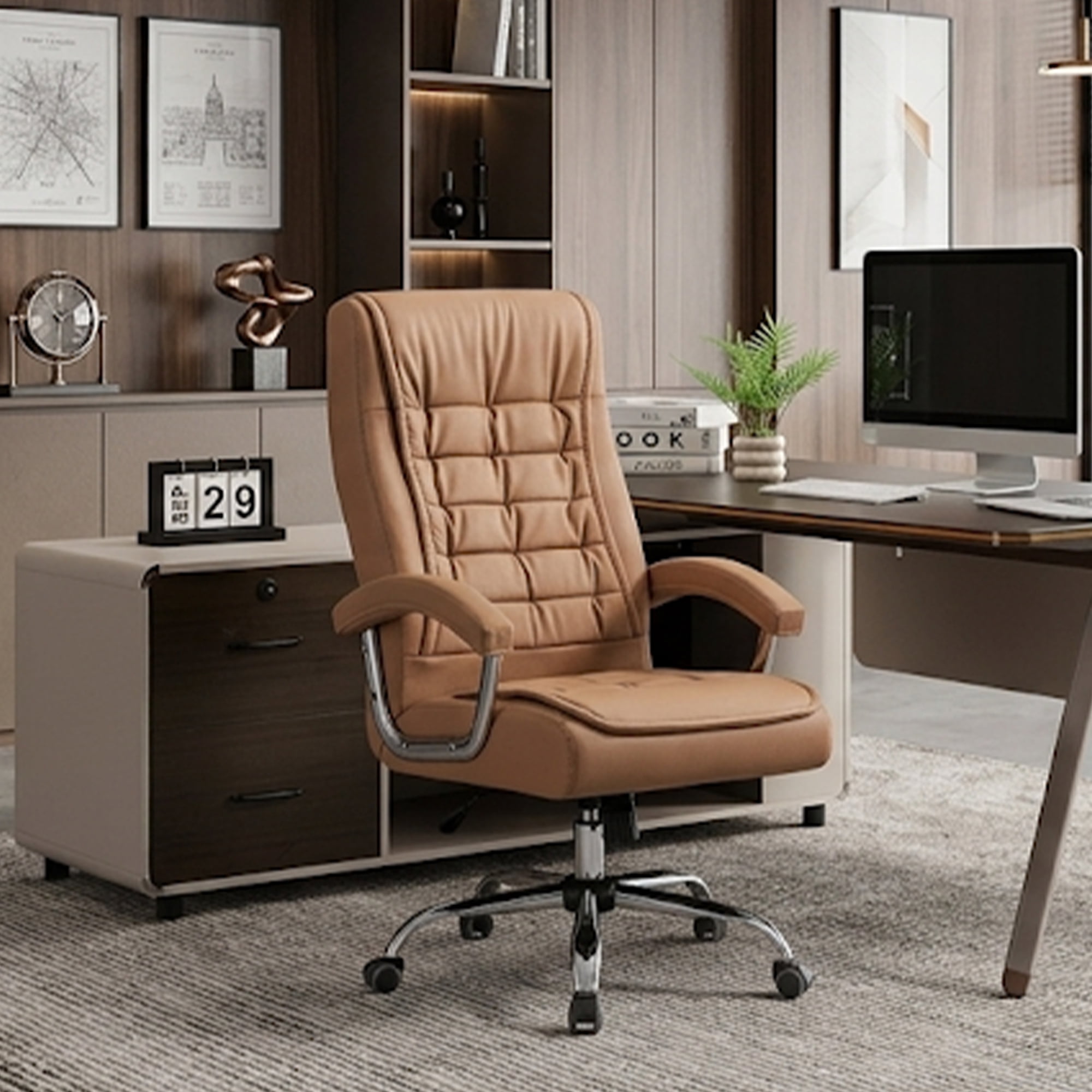
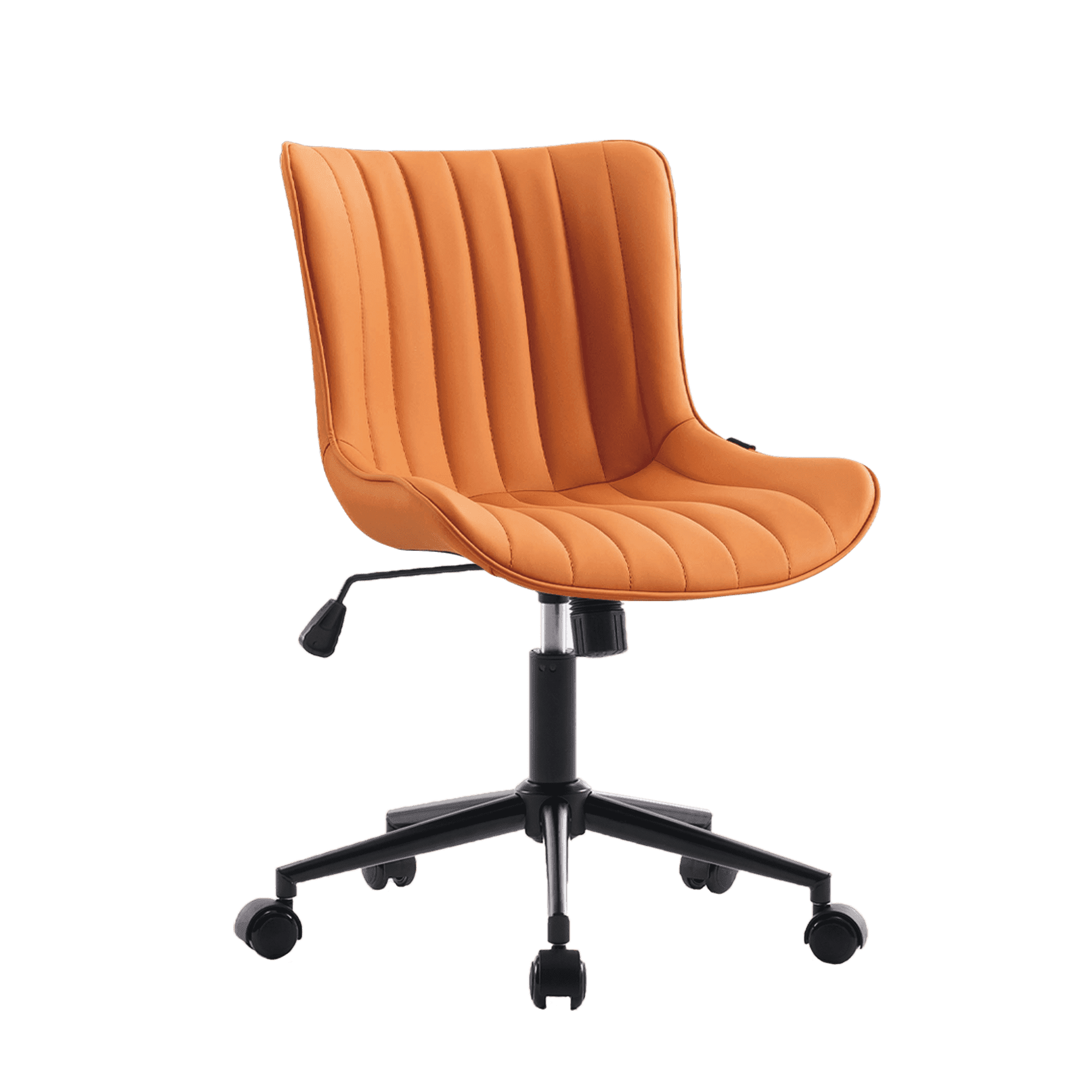
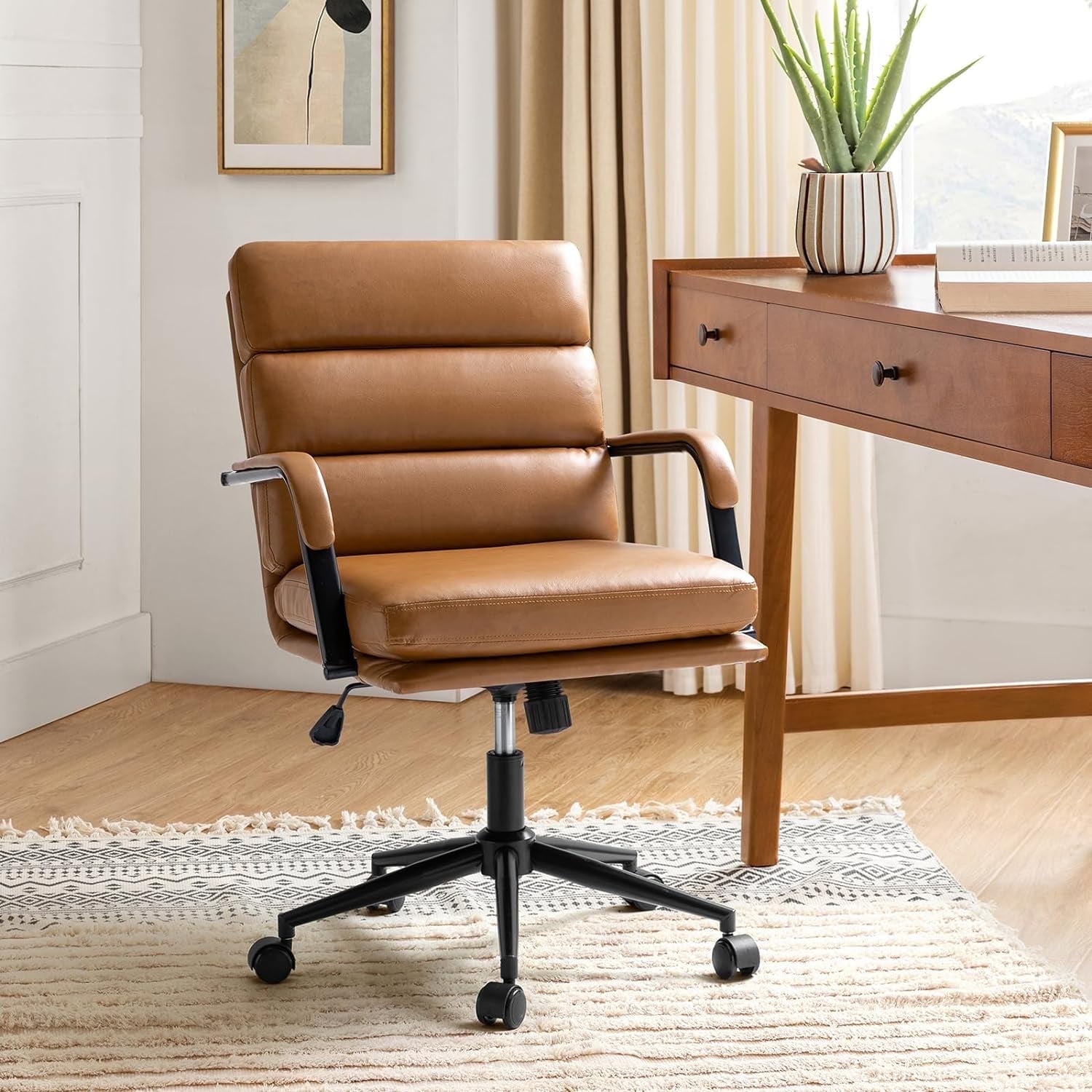
For decades, the office chair was a purely functional object, often shrouded in dull black mesh or uninspiring gray fabric. But the modern workspace is changing. It’s becoming an extension of our personality, a place where comfort meets aesthetic expression. Enter the camel office chair. This isn't just a piece of furniture; it's a design choice that signals warmth, confidence, and a discerning eye for quality.
The camel tone—a rich, medium brown with orange or yellow undertones—has long been associated with luxury goods, from heritage leather jackets to high-end handbags. When applied to an office chair, it transforms the piece from a utilitarian tool into a centerpiece. It evokes the golden age of mid-century modern design, where clean lines were complemented by the natural beauty of wood and leather. But today's camel office chair is not just about looks. It's engineered to support you through long hours of focus, combining that classic aesthetic with the latest in ergonomic science.
Design Insight: Color psychology suggests that warm tones like camel can foster feelings of comfort, stability, and reliability. In a professional setting, a camel chair can make a space feel more approachable and creative, while still retaining an air of executive authority. It’s the perfect balance between the cold efficiency of a boardroom and the cozy feel of a home library.
2. Anatomy of a Camel Chair: Material, Craftsmanship, and Comfort
When shopping for a camel office chair, you'll encounter a range of materials and constructions. Understanding these nuances is key to finding a chair that not only looks the part but will also stand the test of time. The "camel" descriptor primarily refers to the color, but the material it's made from dictates the chair's feel, durability, and maintenance.
2.1. The Material Spectrum: From Premium Leather to Performance Fabric
Choosing the right material is the most critical decision. Here’s how they stack up for a camel-colored chair:
- Full-Grain Camel Leather: This is the pinnacle of luxury. Full-grain leather retains the natural surface texture, including scars and markings, which tells a story of authenticity. A camel leather office chair in full-grain will develop a rich patina over time, becoming uniquely yours. It’s incredibly durable but requires conditioning to prevent drying. Think of it as the leather equivalent of a fine pair of boots.
- Top-Grain Camel Leather: Slightly more processed than full-grain, top-grain leather is sanded and finished to create a more uniform look. It’s more resistant to stains and easier to clean, making it a practical choice for a busy executive. It still offers that premium feel and sophisticated camel hue but with a bit more resilience.
- Faux Leather (PU/Vegan Leather) in Camel: This is an excellent option for those who love the look of leather but are on a budget or prefer a vegan alternative. Modern faux leather can convincingly mimic the color and grain of real camel leather. It’s very easy to wipe clean. However, it’s not as breathable as genuine leather or fabric and may show wear like peeling after several years.
- Performance Fabric in Camel: Don't overlook fabric. High-quality polyester or wool-blend fabrics in a camel tweed or boucle are incredibly on-trend. They offer superior breathability, a soft, cozy feel, and are often treated to be stain-resistant. A fabric camel office chair is perfect for a relaxed, home-office aesthetic.
2.2. The Ergonomic Foundation: Support Disguised as Style
A beautiful chair that causes back pain is merely a sculpture. The best camel office chairs hide advanced ergonomics beneath their stylish exterior. Here are the non-negotiable features to look for:
- Adjustable Lumbar Support: The natural curve of your lower back needs support. Look for a chair with a built-in lumbar mechanism that you can move up and down or in and out. This prevents slouching and the dreaded "office chair slump."
- Seat Depth Adjustment: This is often overlooked. The seat pan should be deep enough to support most of your thighs, but not so deep that it presses against the back of your knees. A chair with a sliding seat mechanism ensures a perfect fit, regardless of your height.
- 4D Armrests: Your arms shouldn't be an afterthought. Chairs with 4D armrests allow you to adjust them up/down, left/right, forward/backward, and even pivot them. This lets you maintain a 90-degree angle at the elbow, relaxing your shoulders and neck.
- Synchro-Tilt Mechanism: This feature allows the seat and backrest to move in a synchronized, ergonomically correct ratio as you recline. It keeps you supported while allowing dynamic movement, which is vital for spinal disc health.
Expert Analogy: Think of a camel office chair as a tailored suit. The color and fabric (the camel leather) make the first impression, but the fit (the ergonomic adjustments) determines how well it serves you throughout the day. A beautiful suit that doesn't fit is useless; a great-fitting chair, even in a neutral color, is an asset.
3. Styling Your Space: How to Integrate a Camel Office Chair
A camel office chair is surprisingly versatile. It can act as a neutral anchor or a statement piece. Here are three distinct ways to style it in your home or corporate office:
- The Modern Minimalist: Pair a sleek camel leather chair with a white or light gray desk. Add black metal or chrome legs for contrast. The space should be uncluttered, with perhaps a single green plant to bring life to the warm tones of the chair. This creates a clean, focused, and airy feel.
- The Mid-Century Modern Vibe: This is where the camel chair truly shines. Combine it with a teak or walnut wood desk. Add brass or gold accents in your desk lamp or picture frames. The rich wood grain and warm metal complement the camel leather beautifully, creating a cohesive, retro-inspired look that is both professional and stylish.
- The Cozy Eclectic: For a home office, use the camel chair as a warm focal point. Pair it with a deep navy or forest green wall. Add texture with a chunky knit throw (draped over a guest chair) and a patterned rug. The camel tone softens the darker colors and makes the space feel inviting and creative.
According to a recent interior design survey, 68% of designers agree that incorporating warm neutrals like camel, taupe, and terracotta into a workspace increases the perceived comfort and creativity of the room's occupants.
4. Preserving the Beauty: Care Tips for Your Camel Chair
To ensure your investment lasts for years, proper care is essential. The routine depends on the material:
- For Leather (Genuine): Dust regularly with a soft cloth. Clean every 3-6 months with a dedicated leather cleaner, followed by a conditioner. This prevents the leather from drying out and cracking. Keep it out of direct sunlight to prevent fading.
- For Faux Leather: Simply wipe down with a mild soap and water solution. Avoid harsh chemicals. Faux leather is susceptible to heat, so keep it away from radiators.
- For Fabric: Vacuum weekly to prevent dirt from settling into the fibers. Treat spills immediately by blotting (not rubbing) with a clean cloth. Consider using a fabric protector spray to add a layer of stain resistance.
Frequently Asked Questions About Camel Office Chairs
Conclusion: Invest in Comfort, Express Your Style
The camel office chair is more than a fleeting trend. It's a return to warmth and personality in the workspace. By choosing a chair in this versatile and timeless hue, you're investing in a piece that enhances both your physical well-being and your professional environment. Whether you opt for the luxurious feel of top-grain leather or the cozy appeal of a textured fabric, prioritize ergonomic features that will keep you comfortable and productive. A camel office chair isn't just where you sit to work; it's a part of your workspace story.