
Why Standard Office Chair Wheels Are a Danger to Hardwood Floors
Imagine spending thousands on gleaming hardwood floors, only to watch them get slowly etched by the tiny, hard plastic wheels of your office chair. It's a common and frustrating problem. Standard casters are typically made of hard nylon or polypropylene. While these are cheap and work well on carpet, on a hard surface they act like sandpaper. Over time, they grind in dirt and grit, creating permanent scuff marks, scratches, and a dull, worn path.
Upgrading to specialized office chair wheels for hardwood floors isn't just about protection; it's about enhancing your entire work experience. The right wheels provide a smoother, quieter glide, and they protect the significant investment you've made in your home or office flooring. Think of it as switching from dragging a heavy box across the floor to rolling it on a furniture dolly—the difference is that dramatic.
Did you know? According to a survey by the National Wood Flooring Association, improper casters and furniture moving are the leading causes of damage to residential hardwood floors. Replacing standard wheels with floor-safe alternatives can extend the life of your flooring by decades.
The 3 Best Types of Wheels for Hardwood Floors
Not all "safe" wheels are created equal. Here’s a breakdown of the most effective options for protecting your hardwood.
1. Rollerblade-Style Polyurethane Wheels
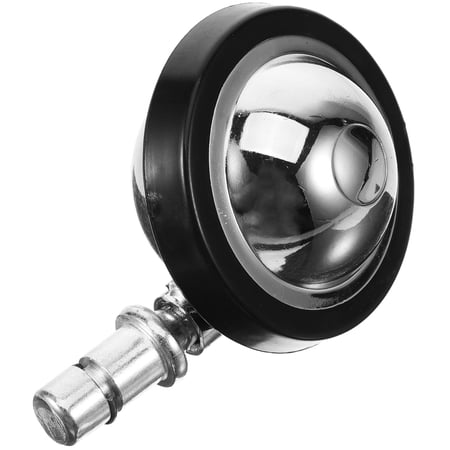
These are the gold standard. Modeled after inline skate wheels, they feature a soft, high-quality polyurethane tread bonded to a durable core. The softness provides grip without abrasion, and the precision bearings allow for near-silent, effortless movement. They are the top recommendation for anyone serious about floor protection.
2. Soft Rubber Casters
Rubber wheels are another excellent, often more affordable, alternative. They offer great traction and are completely non-marking. However, lower-quality rubber can sometimes have a bit more rolling resistance than polyurethane. Look for casters with a high rubber content for the best performance.
3. Urethane-Coated Wheels
These are typically standard wheels that have been coated with a thin layer of urethane. While better than hard plastic, the coating can wear off over time. They are a budget-friendly option, but for long-term durability, solid polyurethane or rubber wheels are a better investment.
🛡️ Scratch Prevention
Soft materials like polyurethane and rubber deform slightly under pressure, gliding over microscopic imperfections instead of scraping them.
🔇 Whisper-Quiet Operation
Eliminate the loud, rattling noise of hard plastic wheels. Soft wheels absorb vibration, making your movements virtually silent.
⚙️ Smooth Glide
High-quality bearings and soft treads provide a fluid, friction-free movement that feels luxurious and requires less effort to push.
🧹 No Dirt Buildup
Hard plastic wheels can grind dirt into your floor. Soft wheels are less likely to pick up and embed debris, keeping your floors cleaner.
How to Choose the Right Replacement Wheels: A Step-by-Step Guide
Selecting the correct wheels is crucial. A wrong size simply won't fit. Follow this simple guide to ensure compatibility.
- Identify Your Chair's Stem Type: Carefully pull one existing caster out of the chair leg. There are two main types:
- Straight Stem (Most Common): A plain metal rod, usually 7/16 inch (11mm) or 10mm in diameter. This is the standard for most office chairs.
- Grip Ring Stem: Has a series of rings around the stem that compress to hold it in place. These are often found on older or heavy-duty chairs.
- Measure the Stem Diameter and Length: Use a caliper or ruler for accuracy. The most common diameter for straight stems is 7/16 inch (11mm) and 10mm (approx. 3/8 inch). The length typically ranges from 7/8 inch to 1-1/2 inches.
- Choose Your Wheel Material: For hardwood, always choose polyurethane or rubber. Avoid anything labeled "hard nylon" or "hard plastic."
- Consider Wheel Size: Larger wheels (2.5 to 3 inches) tend to roll more easily over cords and slight unevenness, while smaller wheels are more compact. Both work well.
- Check for Locking Features: If you have a standing desk or need your chair to stay put, look for wheels with a locking mechanism.
| Stem Type | Common Diameter | Typical Length | Where It's Found |
|---|---|---|---|
| Straight Stem | 7/16" (11mm) | 7/8" - 1.5" | 90% of modern office chairs |
| Straight Stem (Metric) | 10mm (approx. 3/8") | 7/8" - 1.5" | Some European or Asian-made chairs |
| Grip Ring Stem | 7/16" (11mm) at rings | 7/8" - 1.5" | Older chairs, some heavy-duty models |
| Brake/Locking Stem | Varies | Varies | Specialized chairs for medical or industrial use |
Are Rollerblade Wheels Worth the Investment?
In a word: yes. While a set of high-quality polyurethane rollerblade wheels might cost between $30 and $60, this is a tiny fraction of the cost to repair or refinish a scratched hardwood floor. Refinishing a single room can easily run into the hundreds or even thousands of dollars. Beyond protection, users consistently report that their chairs feel "new" again. The smooth, quiet rolling action reduces fatigue and makes moving around your workspace a pleasure rather than a noisy chore.
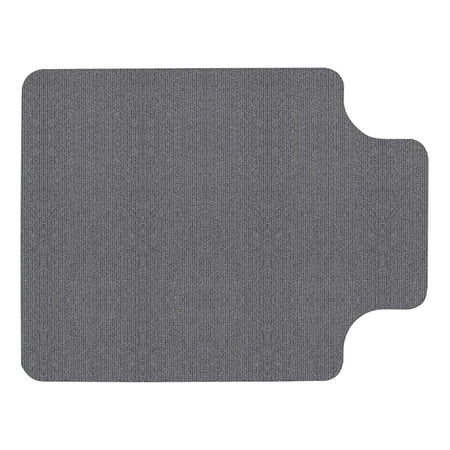
Comparing Floor Protection: Wheels vs. Chair Mats
You might be wondering if you can just buy a cheap chair mat instead of new wheels. Here's a quick comparison to help you decide.
| Feature | High-Quality Soft Wheels | Hard Plastic Chair Mat |
|---|---|---|
| Floor Protection | Excellent (direct protection) | Excellent (physical barrier) |
| Rolling Experience | Smooth and quiet on the bare floor | Can be smooth, but mats can crack and curl |
| Aesthetics | Invisible solution, shows off your floor | Can look bulky and cover the beauty of the wood |
| Cost | $30 - $60 | $50 - $150+ for a good hardwood mat |
| Long-Term Durability | Wheels may wear out in 5-10 years | Mats can crack, yellow, or become brittle |
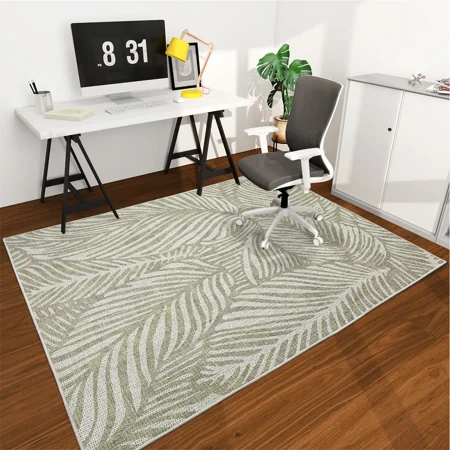
The Verdict: For the best of both worlds, use high-quality soft wheels. They protect your floor while letting its natural beauty shine. A mat can be a useful addition if you have an extremely delicate antique floor or need a perfectly flat surface for writing.
Frequently Asked Questions About Office Chair Wheels for Hardwood
Conclusion: Small Upgrade, Big Difference
Your hardwood floors are an investment in the beauty and value of your home or office. Don't let standard, hard plastic chair wheels slowly erode that investment. Upgrading to specialized office chair wheels for hardwood floors, such as rollerblade-style polyurethane or soft rubber casters, is a simple, affordable fix that pays for itself many times over. You'll enjoy a quieter, smoother rolling experience and the peace of mind that comes from knowing your floors are protected. Measure your stem, choose a high-quality material, and make the switch today.