
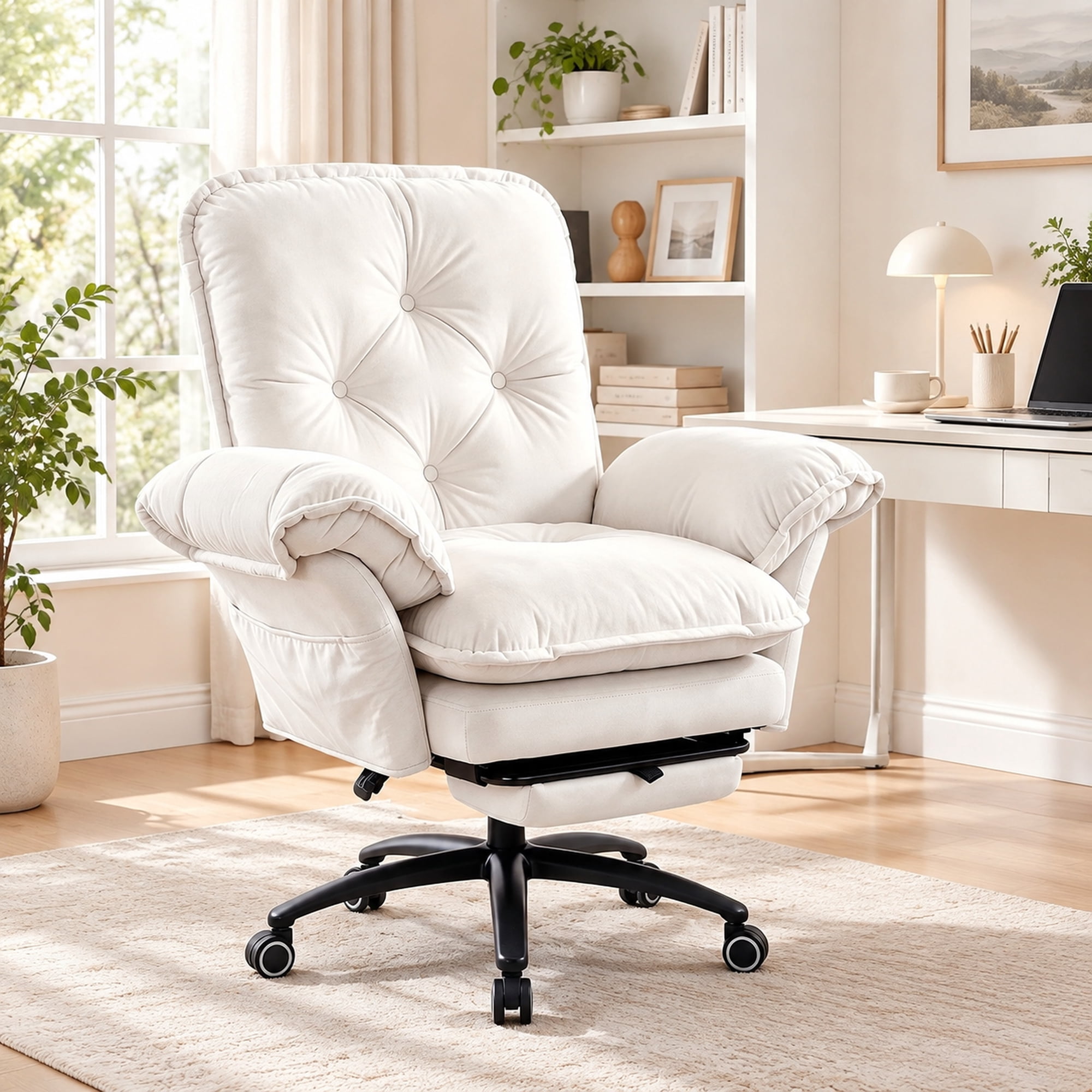
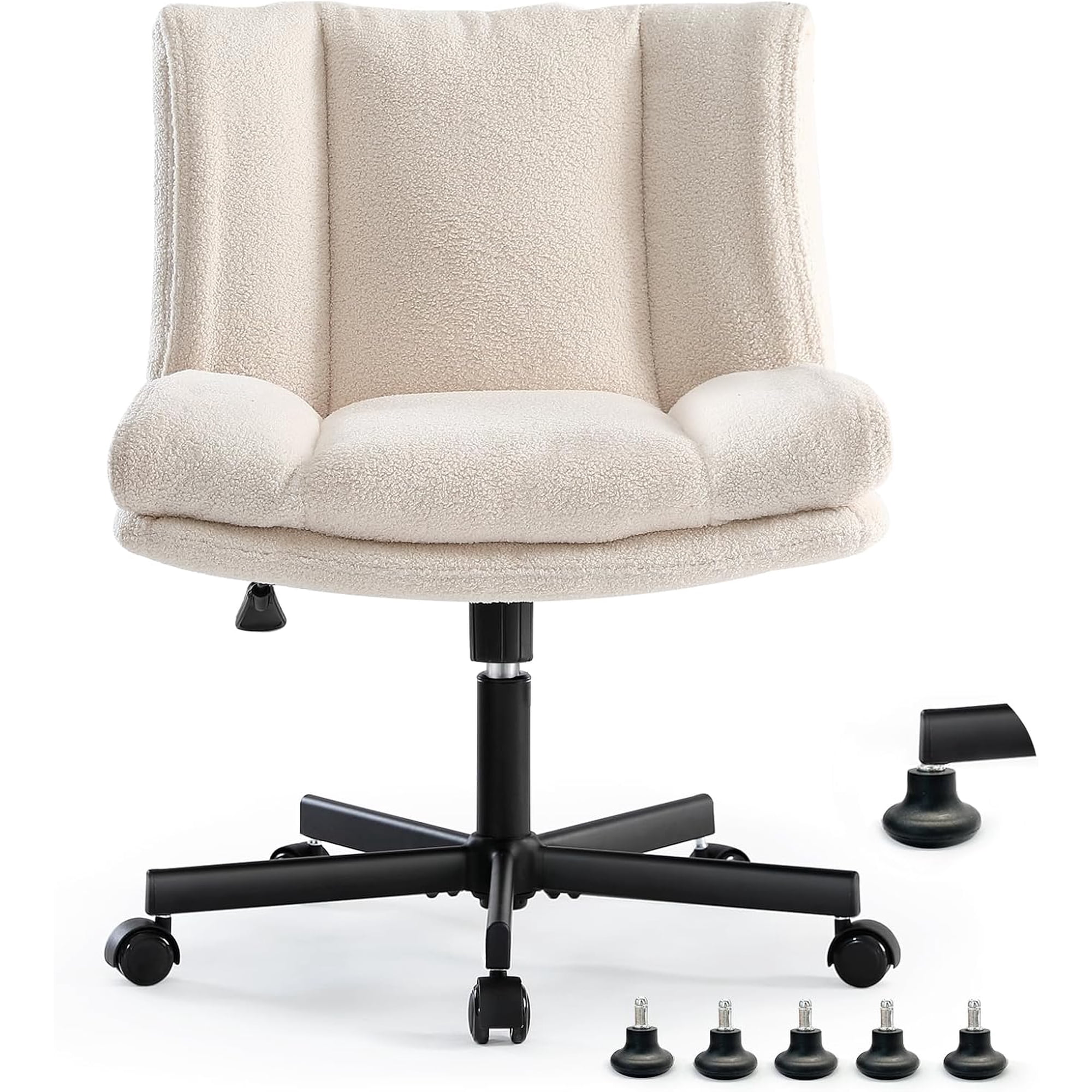
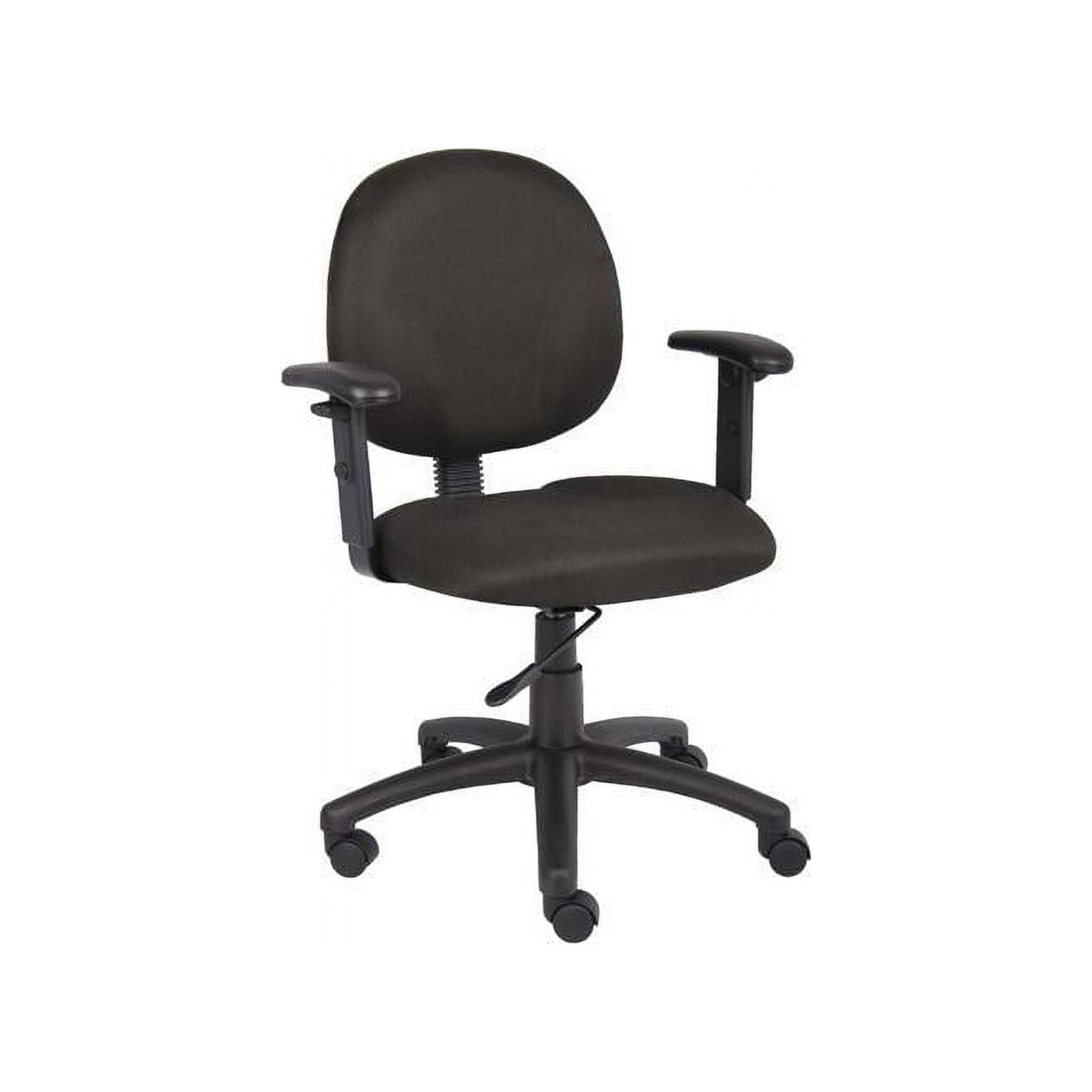
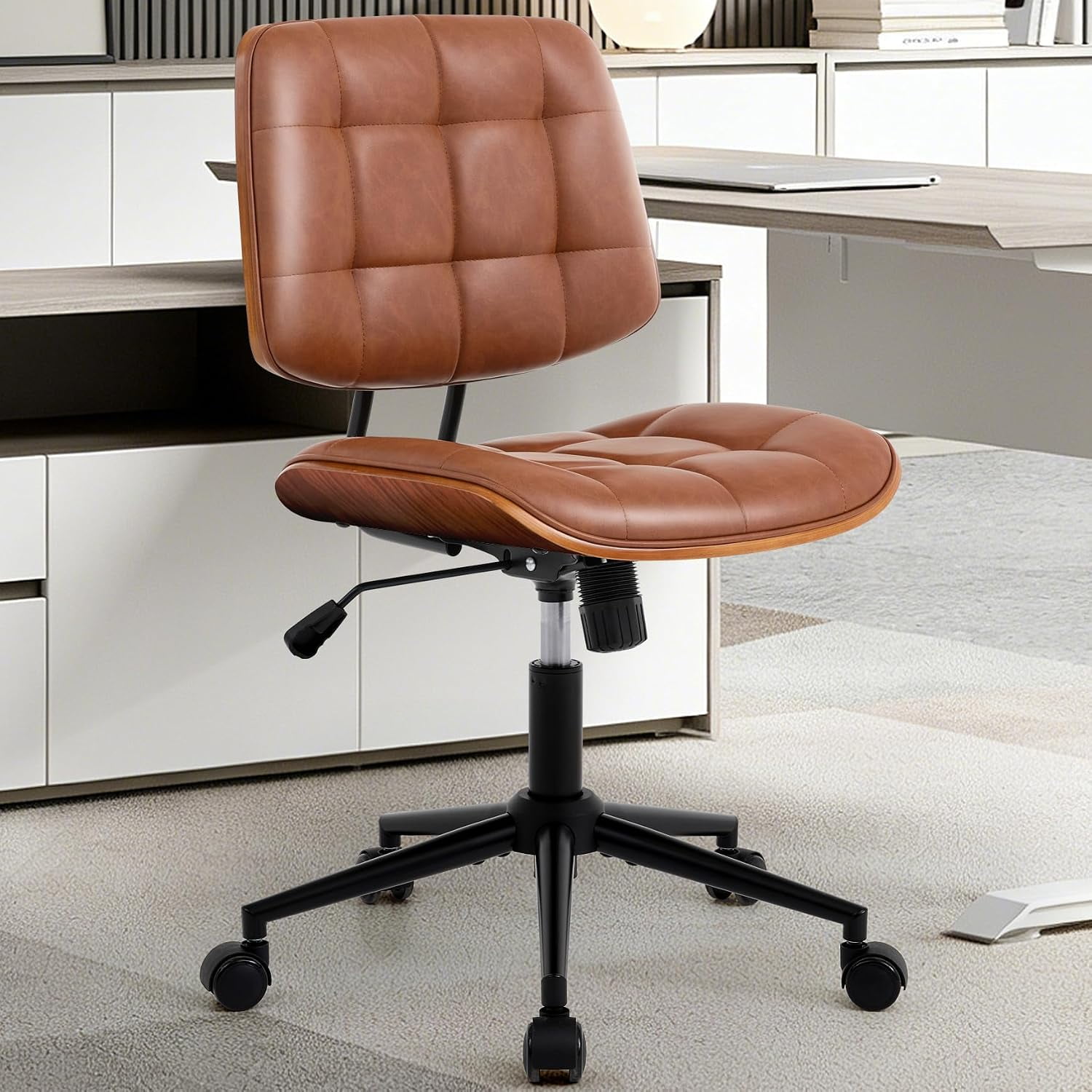
The Ultimate Guide to Wide Seat Office Chairs Without Arms
Choosing the right office chair is crucial for productivity and well-being, especially for those who spend long hours at a desk. A wide seat office chair no arms offers a unique blend of spacious comfort and unrestricted movement. Whether you are a plus-size professional, a creative who likes to sit in various positions, or simply prefer a more open seating experience, this guide will help you find the perfect chair.
Ergonomic Insight: Studies show that restrictive armrests can lead to shoulder tension and poor posture. An armless design encourages a more natural arm and shoulder position, potentially reducing upper body strain by up to 30%.
Why Choose a Wide Seat Armless Design?
Wide seat office chairs without arms are not just about extra space; they offer several functional and ergonomic advantages that can transform your workday.
- Unrestricted Movement: Without armrests, you have the freedom to shift positions, stretch, and reach for items on your desk with ease.
- Versatile Sitting Styles: Many users prefer to sit cross-legged, with one leg tucked, or in other non-traditional positions. A wide, armless seat accommodates these postures comfortably.
- Enhanced Inclusivity: A wider seat is ideal for big and tall individuals or anyone who feels constrained by standard-sized chairs.
- Desk Compatibility: Armless chairs can fit easily under most desks, making them a space-saving solution for compact workstations.
Key Features to Look For
When shopping for a wide seat office chair without arms, consider these essential features to ensure you get the best value and comfort.
| Feature | Importance | What to Look For |
|---|---|---|
| Seat Width & Depth | Critical for overall comfort, especially for larger users. | Look for a seat width of at least 22 inches and a depth that supports your thighs without cutting into the back of your knees. |
| Lumbar Support | Essential for maintaining a healthy spine during long sitting sessions. | Adjustable lumbar support is ideal. Some chairs offer built-in support that can be moved up or down and in or out. |
| Weight Capacity | Indicates the chair's durability and safety. | For a truly durable chair, aim for a minimum of 300 lbs. For heavy-duty use, consider chairs rated for 400-500 lbs. |
| Seat Material | Affects comfort, breathability, and maintenance. | Mesh backs are breathable, while high-density foam cushions provide plush comfort. Leather or faux leather offers a premium look and easy cleaning. |
| Adjustability | Allows you to customize the chair to your body and work style. | Look for height adjustment, tilt tension control, and seat depth adjustment. Pneumatic gas lifts are standard for height adjustment. |
Health and Wellness Benefits
Investing in a quality wide seat office chair without arms is an investment in your health. Here are some key wellness benefits:
Reduced Shoulder Tension
Without armrests, your shoulders can relax into a natural, neutral position, reducing the risk of tension headaches and neck pain.
Improved Circulation
A wide, flat seat distributes your weight evenly, preventing pressure points that can restrict blood flow to your legs.
Better Posture
When you are comfortable, you are more likely to sit upright. This chair type encourages dynamic sitting, which strengthens core muscles.
Increased Comfort
The extra space allows for micro-movements and position changes, which can keep you more comfortable and focused throughout the day.
Materials and Construction: What Matters Most
The build quality and materials of a wide seat office chair without arms determine its longevity and comfort. While many focus on the seat, the backrest, frame, and base are equally important.
Frame and Base
The foundation of your chair is its frame and base. A strong frame ensures stability, especially for heavier users. Look for:
- Steel or Heavy-Duty Metal Frame: Provides the best support and durability. Aluminum is a good lightweight alternative but may not be as sturdy as steel for heavy-duty applications.
- Five-Point Star Base: This is the industry standard for stability. For a wide chair, a larger base offers better balance. Ensure the base is made of metal, not plastic, for long-term reliability.
- Casters: For hardwood floors, look for soft PU or rubber casters that won't scratch. For carpets, standard dual-wheel casters provide smooth rolling. Some chairs come with heavy-duty casters designed for thicker carpets.
Upholstery Options Compared
High-Density Fabric
- Comfort: Soft and breathable, good for all-day seating.
- Durability: Can last 5-7 years with proper care.
- Maintenance: Can be spot-cleaned but may require professional cleaning for deep stains.
- Best For: Users who prefer a cozy, non-slip surface.
Bonded/Leather
- Comfort: Luxurious feel, can be sticky in hot weather.
- Durability: Can crack and peel over time (3-5 years) with heavy use.
- Maintenance: Easy to wipe clean, needs conditioning.
- Best For: Professional environments where appearance matters.
Breathable Mesh
- Comfort: Excellent air circulation, keeps you cool.
- Durability: Modern mesh can last 7-10 years without sagging.
- Maintenance: Easy to clean with a damp cloth.
- Best For: Warm climates and users who tend to sweat.
Specialty Foams
- Comfort: Memory foam or gel-infused foams provide superior pressure relief.
- Durability: High-resilience foam retains shape better than standard foam.
- Maintenance: Usually covered with fabric or leather for easy care.
- Best For: Users with lower back issues or who sit for 8+ hours.
The Importance of Seat Depth
Seat depth is one of the most overlooked but crucial aspects of office chair comfort. For a wide seat chair, the depth should be sufficient to support your thighs without pressing against the back of your knees. A good rule of thumb is to have 2-3 inches of space between the front edge of the seat and the back of your knees when sitting upright. Some wide chairs offer adjustable seat depth, which is a valuable feature for custom fit.
Backrest Support
Without arms, the backrest plays an even more significant role in providing support. Many wide armless chairs feature a high back for full spinal support. Look for:
- Height-Adjustable Backrest: Allows you to position the lumbar curve exactly where you need it.
- Recline Mechanism: A locking recline or a tilt-lock feature lets you lean back for a quick rest without falling backward.
- Overall Curvature: The backrest should follow the natural 'S' curve of your spine, providing support to the lumbar and thoracic regions.
How to Choose the Perfect Wide Seat Armless Chair
Selecting the ideal chair involves more than just picking the first one you see. Follow this step-by-step guide to make an informed decision.
Step 1: Measure Your Space and Body
- Seat Width: Measure the distance between your hip bones. Add 2-3 inches for comfortable movement. This is your minimum seat width.
- Seat Depth: Measure from the back of your knee to the back of your hip. This is the ideal seat depth.
- Desk Height: Ensure the chair's height range is compatible with your desk. You should be able to sit with your feet flat on the floor and thighs parallel to the ground.
- Doorway and Room Clearance: A wide chair may be larger than average. Ensure it can fit through doorways and around your workspace.
Step 2: Define Your Sitting Style
Step 3: Budget Considerations
While a higher price often means better quality, you can find great chairs at various price points. Here’s a breakdown:
Value
Basic chairs with essential adjustments. Good for occasional use or guest seating.
Mid-Range
Better materials, improved ergonomics, and more adjustability. Ideal for daily use.
Premium
High-end design, superior comfort, and long-lasting durability. Built for professionals.
Heavy-Duty
Designed for users over 250 lbs with reinforced frames and extended warranties.
Step 4: Test and Evaluate
Pro Tip: If possible, try the chair in person. Sit in it for at least 10-15 minutes. Check the seat's comfort, the backrest's support, and the ease of adjustments. Simulate your typical work activities to get a feel for the chair.
If buying online, read multiple reviews, paying special attention to comments about size, comfort, and durability. Look for reviews from users with similar body types to yours.
Frequently Asked Questions
Conclusion & Final Recommendations
Finding the right wide seat office chair without arms is a personal journey that depends on your body type, work style, and preferences. By focusing on the key features outlined in this guide—seat width, lumbar support, material quality, and adjustability—you can find a chair that enhances your comfort and productivity.
Quick Selection Summary
Prioritize chairs with a minimum 24-inch seat width, 400+ lb weight capacity, and a reinforced steel frame. A high back with adjustable lumbar is a must.
Look for a very wide, flat seat (26+ inches) with a backrest that provides support even when you're sitting sideways. Consider a chair with a generous recline.
A mid-range chair (around $400) with a breathable mesh back and a thick foam seat offers a great balance of cost and features. Ensure it has height and tilt adjustments.
Remember, your office chair is a long-term investment in your health. A well-chosen wide, armless chair can transform your work experience, providing the comfort and freedom you need to perform at your best.