
The Rise of the Throne Office Chair: Beyond Seating
Imagine a chair that doesn't just hold you up, but announces your presence before you speak. That's the essence of the throne office chair. It's not merely furniture; it's a statement. While typical executive chairs offer comfort, the throne variant elevates it to a visual and ergonomic experience—taller back, broader wings, and a silhouette that echoes authority.
Modern throne chairs are engineered for the marathon of decision-making. With advances in lumbar mechanics and material science, you no longer sacrifice health for aesthetics. Let's dissect why this category is gaining traction among CEOs, creators, and home-office monarchs.
Anatomy of a Throne Chair: What Sets It Apart
A true throne office chair is defined by specific structural DNA. Understanding these elements helps you discern genuine quality from mere marketing.
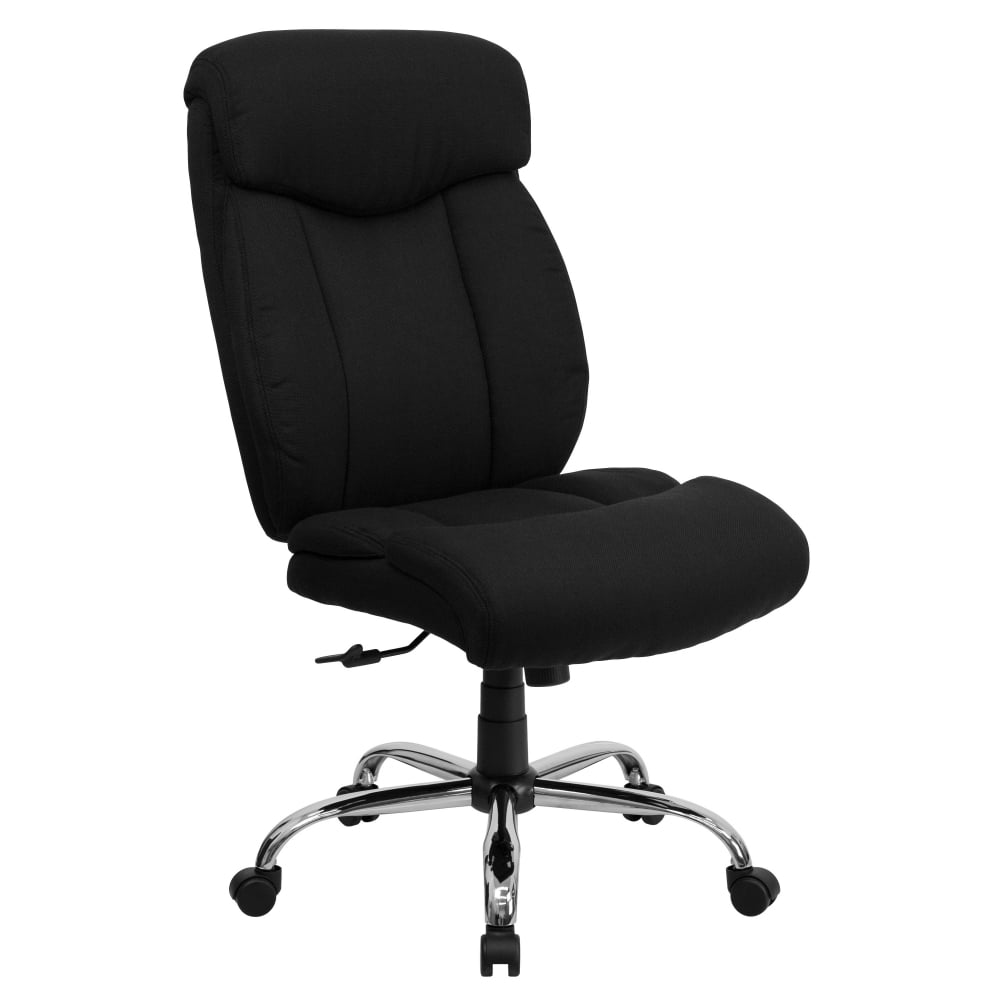
- High-Back Architecture: Typically exceeding 30 inches, the backrest supports the shoulder blades and often includes an integrated headrest. This ensures the cervical spine is aligned, reducing 'text neck' during long strategic sessions.
- Generous Seat Dimensions: Expect seat widths of 22 inches or more, with a depth that accommodates various postures—from upright focus to slightly reclined contemplation.
- Winged or Flared Headrest: Many throne designs incorporate lateral support for the head, allowing you to relax without your neck tilting sideways. It's like the bucket seat of the executive world.
- Premium Base & Casters: To support the larger frame, throne chairs use heavy-duty aluminum or steel bases (often 28-30 inches in diameter) with smooth-rolling casters suitable for carpet or hardwood.
- Command Adjustability: Look for synchronized tilt, seat slider, adjustable lumbar (both height and depth), and 4D armrests. The throne should adapt to you, not vice versa.
Throne Chair vs. Standard Executive Chair: A Comparison
While both belong to the premium segment, throne chairs carve a distinct niche. Use this comparison to gauge your need:
| Feature | Standard Executive Chair | Throne Office Chair |
|---|---|---|
| Back Height | Typically 25-28 inches (mid-high back) | 30-36 inches (full shoulder/head support) |
| Presence | Professional, understated | Authoritative, statement-making |
| Target User | Managers, professionals | Top executives, tall individuals, creative directors |
| Lumbar Focus | Lower back support | Full thoracic & lumbar support |
| Typical Weight Capacity | 250-300 lbs | 300-500 lbs (reinforced build) |
Ergonomics Meets Ego: The Science of Sitting Tall
Some might ask: is the throne chair ergonomic or just ego? The answer lies in engineering. A 2023 posture study suggested that a higher backrest with lateral support can reduce muscle activation in the trapezius by up to 27%, as the chair bears more weight. The throne design naturally encourages an open shoulder position, which facilitates deeper breathing—a subtle advantage during high-stakes negotiations. Furthermore, the generous seat allows for micro-movements, shifting weight without feeling confined. It's the ergonomic equivalent of a standing desk, but for sitting.
Materials and Craftsmanship: What to Look For
Because a throne chair is an investment, material quality determines longevity and comfort.
- Leather Grades: Full-grain leather develops a rich patina and lasts decades. Top-grain is slightly processed but still durable. Avoid 'bonded leather'—it peels. Some modern thrones use premium vegan leather with comparable durability.
- Foam Density: High-density foam (2.5 lbs/cubic ft or higher) resists sagging. Look for cold-cure foam which molds to your shape without becoming mushy.
- Frame Construction: Hardwood plywood or metal-reinforced frames are essential. Knock on the back—it should feel solid, not hollow.
- Mechanism: A German or Italian gas lift mechanism (Class 4) ensures smooth height adjustment and safety. Tilt mechanisms should have tension control to accommodate your weight.
Throne Chair for the Home Office: Making It Work
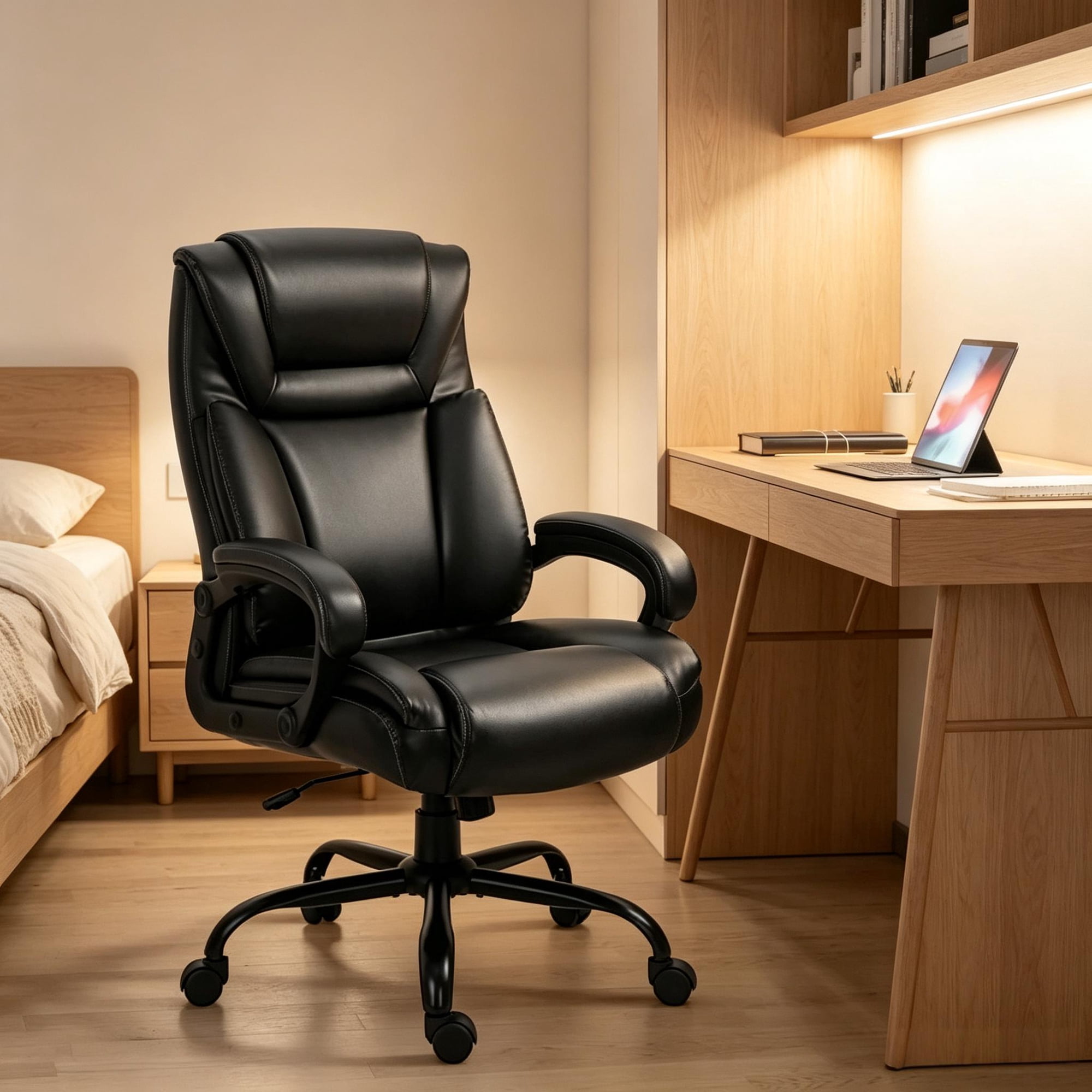
Not everyone runs a corner office in a skyscraper. For home users, a throne chair can transform a spare room into a command center. However, scale matters.
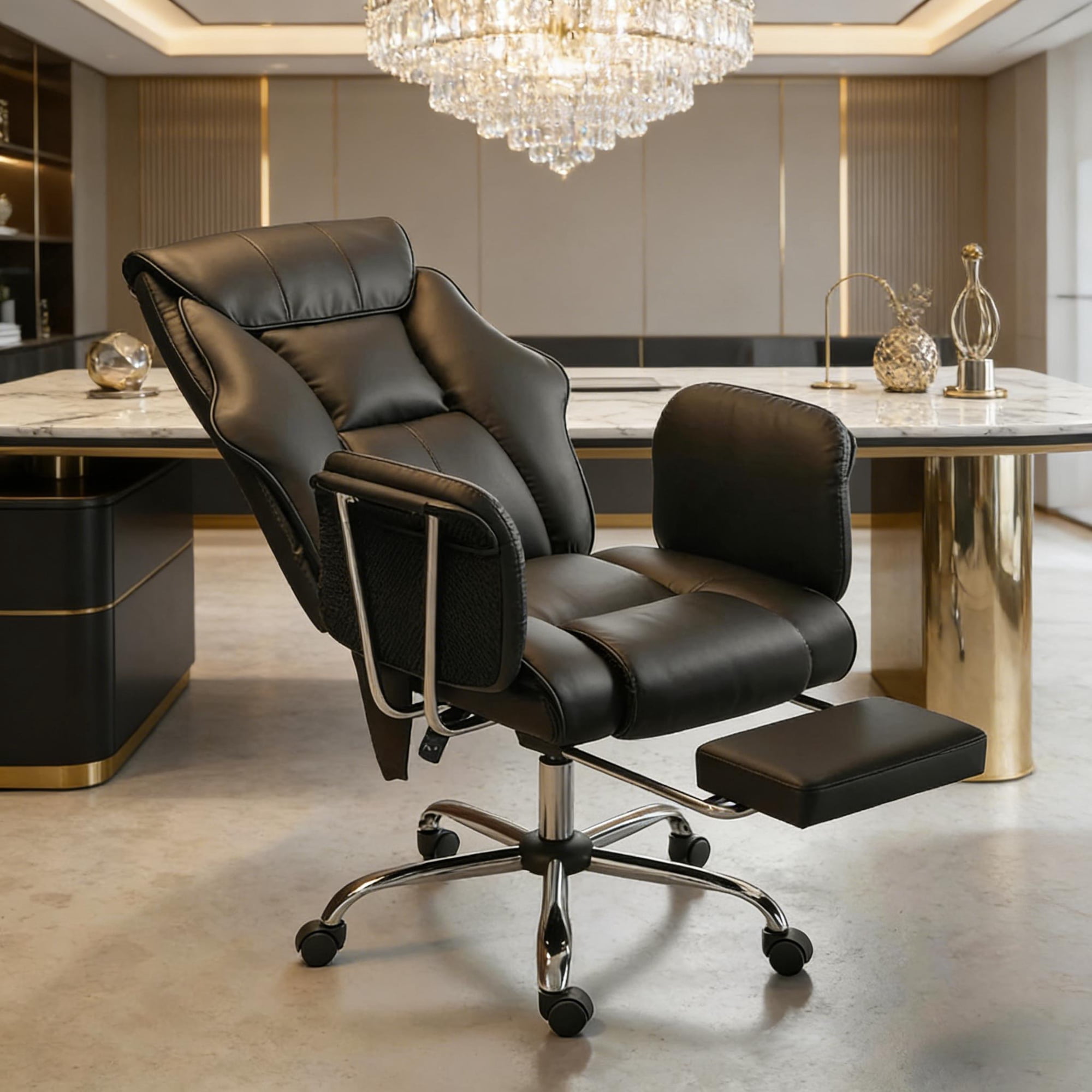
Pro Tip: Measure the room's proportions. A throne chair needs at least 3 feet of clearance behind it for full recline. Pair it with a large desk (minimum 60 inches width) to maintain visual balance. If space is tight, consider a 'petite throne' with a slightly reduced back but retained design language.
Lighting also plays a role. Position the throne so natural light accentuates its lines, reinforcing the 'seat of power' ambiance. Many remote executives find that a throne chair improves their on-camera presence—it looks impressive and encourages upright, confident posture during video calls.
5 Steps to Choose Your Perfect Throne Office Chair
- Assess Your Stature: Measure from your seat to the top of your head. Add 4-6 inches for headrest clearance. Tall users (6'4''+) should prioritize back heights over 34 inches.
- Determine Usage: If you recline often to think, choose a chair with a synchronized mechanism and multi-position lock. For task-intensive work, ensure armrests are adjustable and seat depth can be shortened.
- Select Material Based on Climate: In warmer regions, leather with breathable panels or a combination of leather and mesh prevents heat buildup. In cooler areas, full leather retains warmth.
- Check Weight Capacity: Look for chairs rated at least 50 lbs above your weight for a safety margin. Throne chairs often have heavy-duty ratings—use them.
- Read Return & Warranty: Because of the size, ensure the retailer has a solid return policy. A 10-year warranty on the frame and mechanism indicates manufacturer confidence.
Health Benefits: Beyond the Visual
Investing in a throne office chair yields quantifiable wellness advantages. Chiropractors often recommend high-back chairs for patients with chronic thoracic discomfort. The full-length support maintains the spine's natural 'S' curve, reducing the likelihood of slouching. Additionally, the wider seat distributes pressure evenly, mitigating the risk of sciatic nerve aggravation. For executives managing stress, the ability to recline safely with head support allows for brief rejuvenation breaks without leaving the chair.
According to a survey by the Ergonomic Workplace Institute, leaders who switched to high-back throne-style chairs reported a 38% decrease in end-of-day fatigue compared to those using standard mid-back chairs. The reason cited was the reduced need for micro-adjustments and the feeling of being 'cradled' during focus periods.
Throne Chair Aesthetics: Matching Your Office Vibe
These chairs aren't one-style-fits-all. You'll find:
- Classic Traditional: Rich brown leather, tufted diamond stitching, polished wood accents. Complements mahogany desks and leather-bound books.
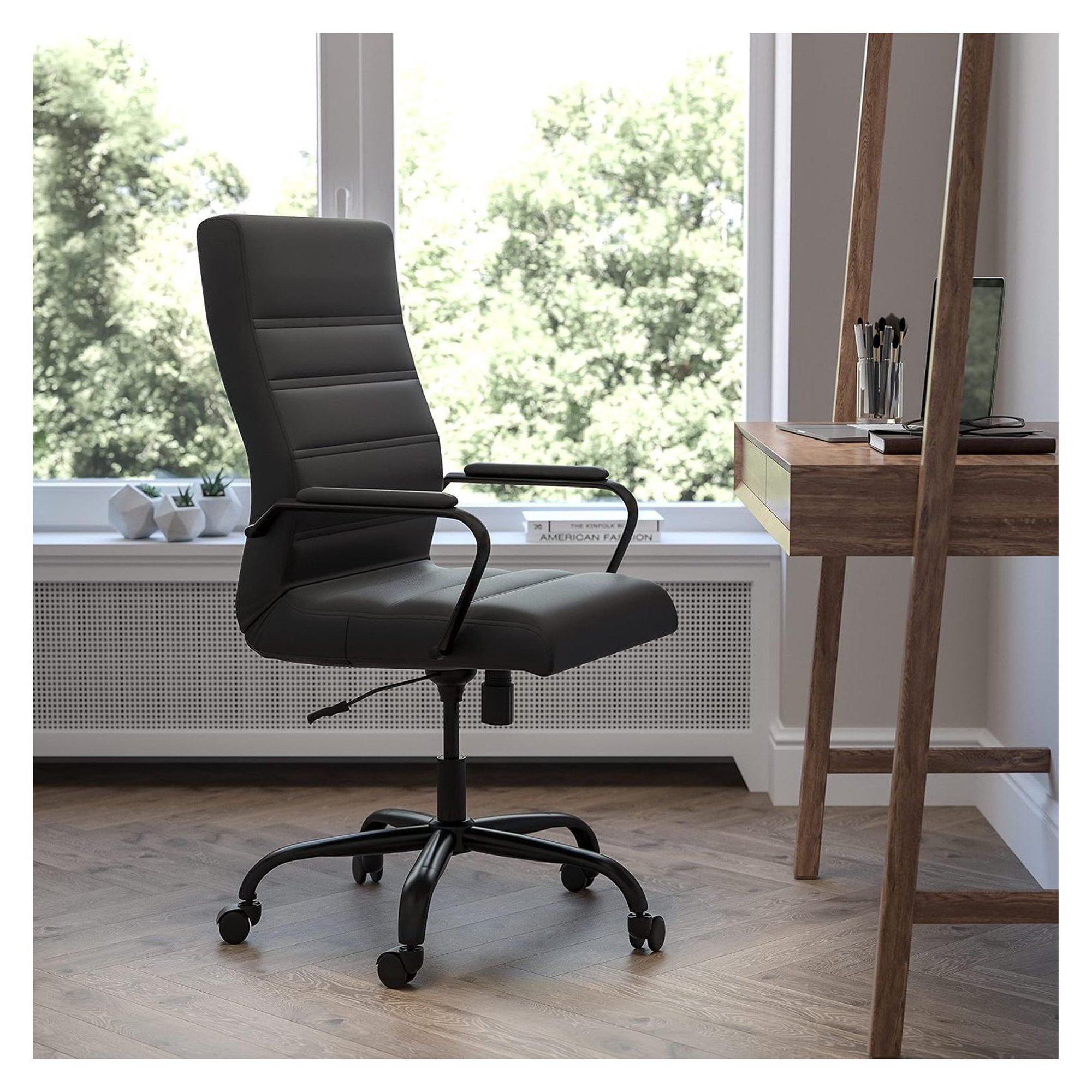
- Modern Minimalist: Clean lines, matte black or white leather, chrome frame. Suits glass desks and minimalist decor.
- Industrial Loft: Combination of distressed leather and exposed metal rivets. Pairs well with reclaimed wood desks.
- Bold Contemporary: Vibrant colors (oxblood, navy, emerald) with unique stitching patterns. For creatives who want their chair to be a conversation piece.
Frequently Asked Questions About Throne Office Chairs
Conclusion: Claim Your Seat
The throne office chair is more than a trend—it's a return to purposeful design in the workplace. It acknowledges that how we sit influences how we think and how we are perceived. Whether you're leading a multinational team or your own creative empire, the right throne chair grounds you, supports you, and quietly signals that you've arrived. As you explore the options above, consider not just the specifications, but the feeling: the quiet confidence of a seat built for the long haul.
Pair your throne chair with proper desk ergonomics and regular movement breaks, and you've built a command post that fosters both health and success. The throne awaits.