
Why the Right Table and Chair Combo Matters for Office Work
Imagine trying to write a masterpiece on a wobbly desk while sitting on a kitchen chair. Back pain, poor posture, and distractions follow. Your workspace is like a pilot's cockpit: every element must be calibrated. When we talk about table and chair for office work, we are really talking about a system that supports your body, organizes your tools, and adapts to your tasks.
Ergonomic Insight: Studies show that an improperly matched desk and chair can reduce productivity by up to 20% and increase the risk of chronic neck and back issues. Matching your table height to your seated elbow height is non-negotiable.
Key Considerations Before Buying an Office Table and Chair Set
Not all sets are created equal. While a matching set looks sleek, you must evaluate each component individually. Here's a checklist used by interior designers and ergonomic experts.
1. Table Dimensions & Shape
- Depth matters: For computer work, you need at least 30 inches depth to maintain proper distance from the screen. For writing, 24 inches may suffice.
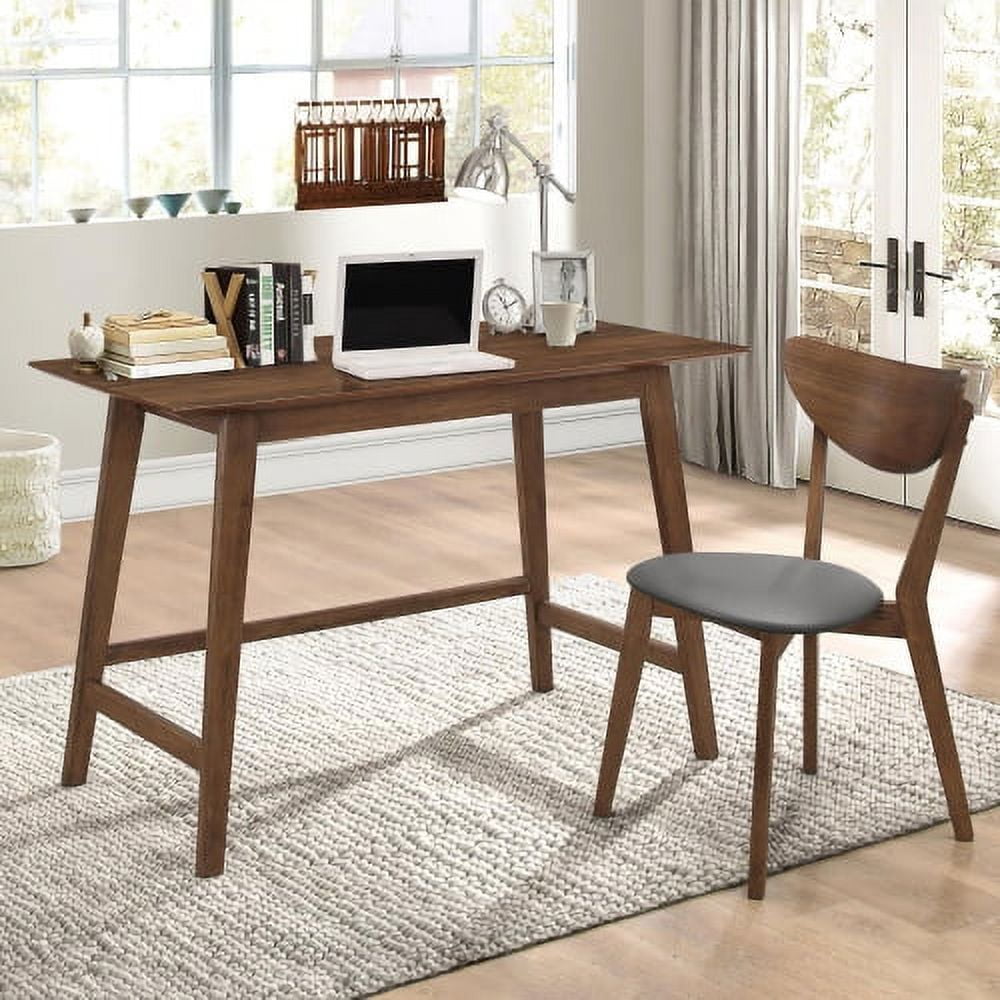
- Shape psychology: Rectangular desks are classic and fit against walls. L-shaped desks give separate zones for computer and paperwork. A curved front (executive) reduces strain when reaching.
- Height adjustability: If you switch between sitting and standing, look for electric or crank adjustable tables. Fixed height should be 28-30" for average adults.
2. Chair Ergonomics (The Real Hero)
- Seat height range: Must allow your feet flat on floor, thighs parallel to ground. Typical range 16-21 inches.
- Backrest and lumbar: Should support the natural S-curve. Adjustable lumbar is ideal because everyone's spine is unique.
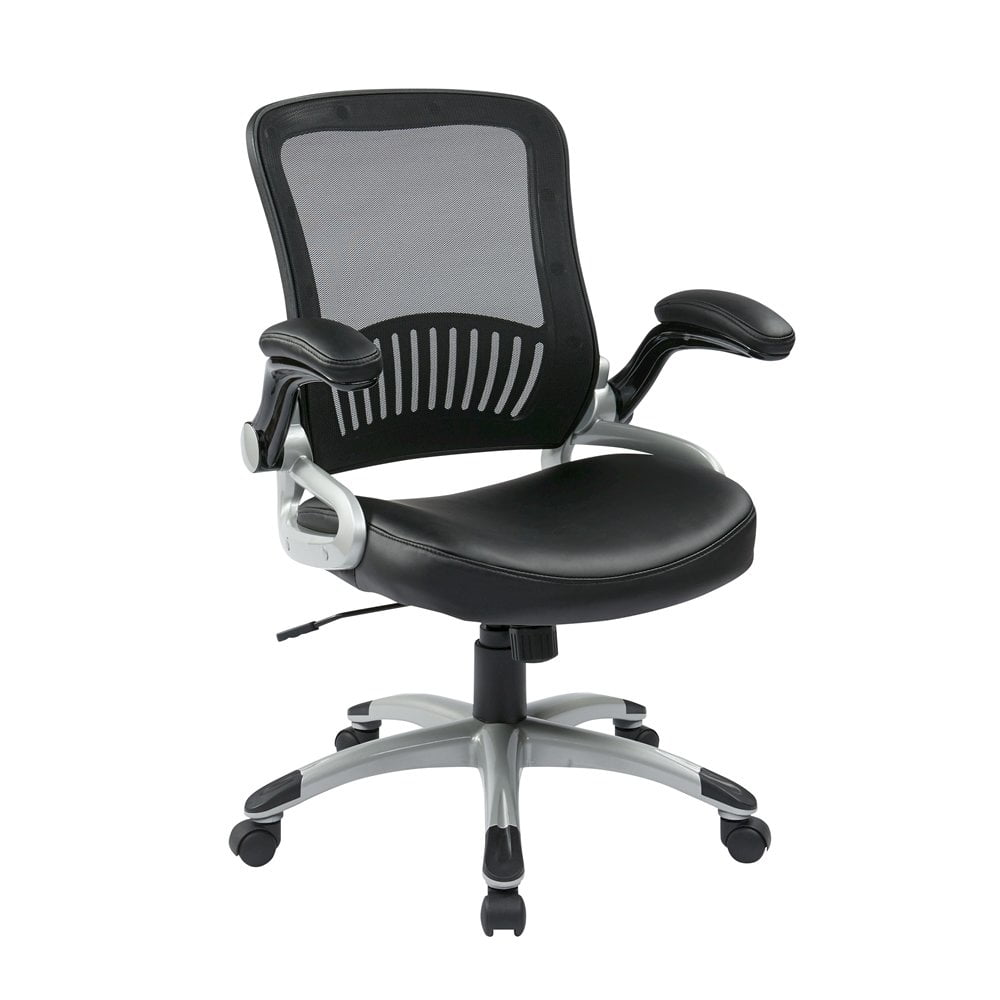
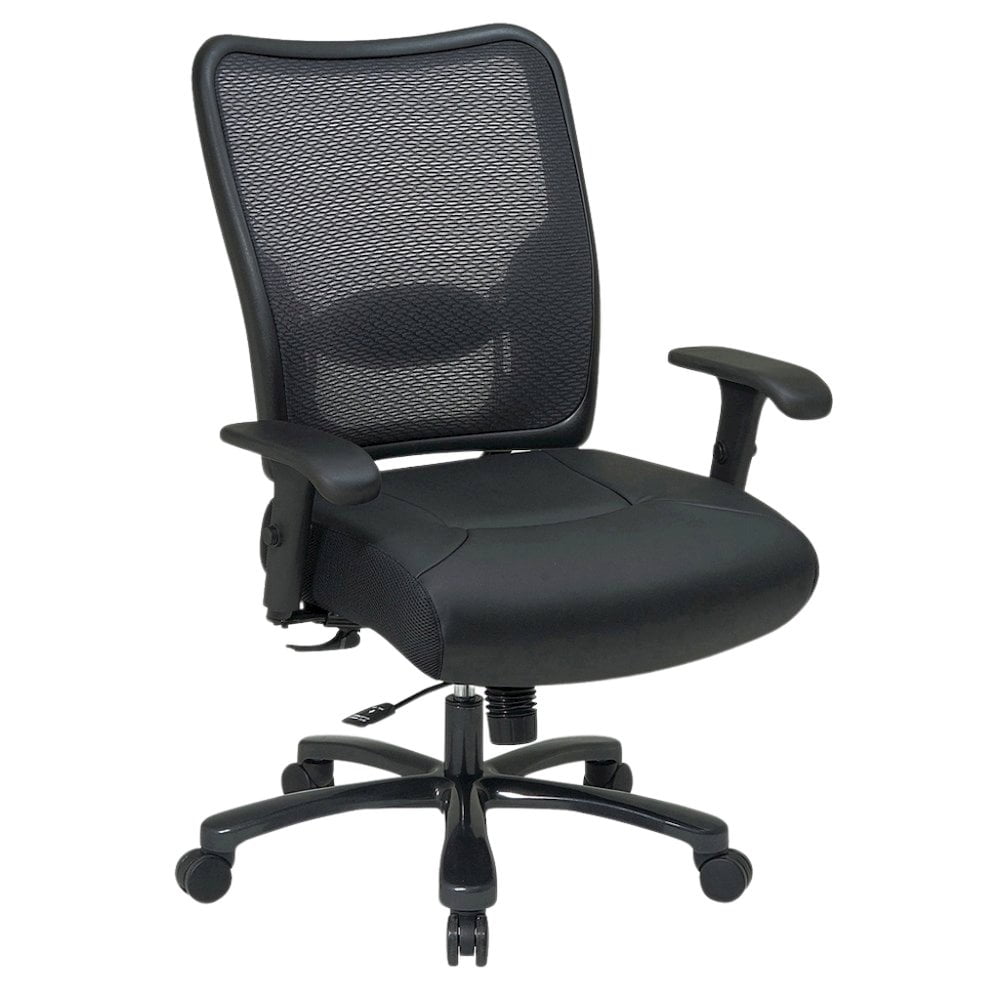
- Armrests: They should allow elbows to rest at 90°, and ideally be adjustable in width and height so you can slide the chair under the table easily.
✨ Pro Setup Tip: The "90-90-90" Rule
When seated, aim for 90-degree angles at your ankles, knees, and elbows. Your table height should allow your forearms to be parallel to the floor when typing. If your table is too high, you'll hunch your shoulders. If too low, you'll slouch. This is why adjustable tables are superior.
Table and Chair Combinations for Different Office Styles
Let's explore popular configurations that match both aesthetics and function.
| Office Style | Table Recommendation | Chair Pairing | Best For |
|---|---|---|---|
| Minimalist / Modern | White or light wood laminate, clean lines, cable management | White mesh ergonomic chair or transparent acrylic chair | Freelancers, designers, small apartments |
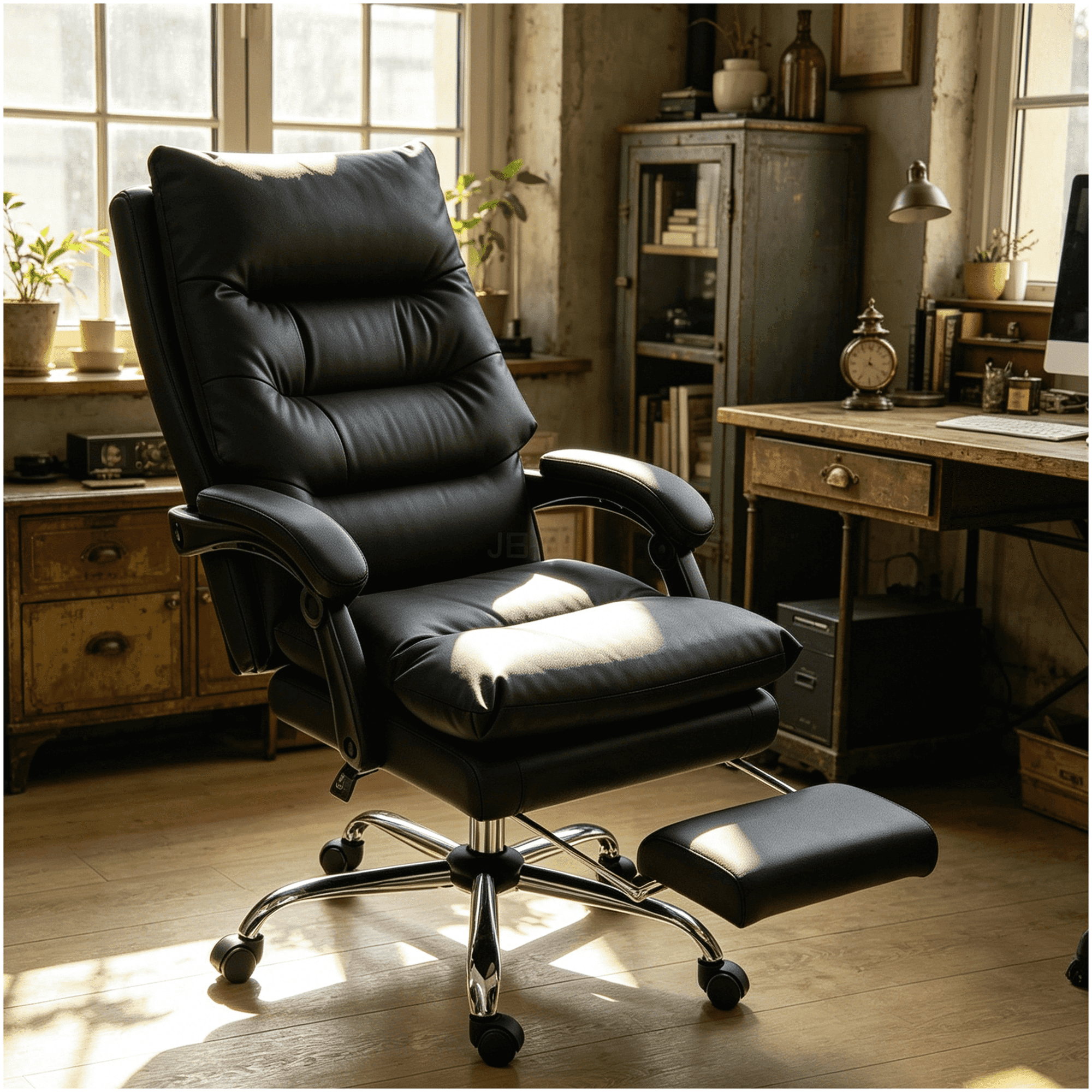
| Executive / Traditional | Dark wood veneer, rectangular with modesty panel | High-back leather chair with polished chrome base | Managers, lawyers, client-facing offices |
| Industrial / Loft | Metal frame with reclaimed wood top, open shelving | Black mesh or brown vintage leather chair with exposed stitching | Creative agencies, tech startups |
| Compact Home Office | Corner desk or wall-mounted drop-leaf table | Armless task chair or small-scale fabric chair | Spare bedroom, studio apartments |
How to Match Chair Height with Table Height
One of the most overlooked aspects. You can buy the world's best chair and desk separately, but if they don't align, you'll feel it. Here's a simple way to calculate compatibility:
- Measure your table height (Ht). Standard is 29 inches.
- When seated, your elbow height (He) should be roughly equal to Ht. To achieve this, your chair seat height needs adjustment.
- Formula: Ideal chair seat height = Ht - (elbow to seat distance). On average, for typing, elbows are about 7-9 inches above the seat.
- Test: Sit comfortably. Raise your chair until your elbows are level with the desk. Ensure your feet still rest flat. If they don't, you need a footrest.
Many office table and chair sets sold together are pre-matched for height, which removes guesswork. However, always verify the chair's seat height range and the table's under-desk clearance (thickness of the table top plus supports).
Material Durability: What Lasts in a Work Environment?
Your office furniture is an investment. Here's how materials stack up for daily 8+ hour use.
Table Tops
- Laminate: Budget-friendly, scratch-resistant, easy to clean. Can peel if water seeps into edges.
- Solid Wood: Premium, can be refinished. Susceptible to dents and moisture rings. Requires care.
- Glass: Modern look, easy to clean, but shows fingerprints and can be cold. Tempered glass is a must for safety.
- Metal/Steel: Industrial, very durable, often used for standing desks. Can be prone to scratches on paint.
Chair Materials
- Mesh: Breathable, great for long hours, but needs good lumbar support built-in.
- Leather (genuine): Durable, professional look, but can get sticky in summer.
- Fabric: Comfortable, warm, wide color range, but can stain and trap odors.
- Faux leather: Budget option, but may peel after 2-3 years.
Adjustability: The Bridge Between Table and Chair
A fixed table can work if you have a highly adjustable chair. Look for these chair features to create a perfect match with any standard desk:
- Seat depth adjustment (slider): Ensures you have 2-3 finger gap behind your knees.
- Backrest height adjustment: Lets lumbar support hit your curve.
- Tilt tension and lock: Allows you to recline slightly while working, which changes the angle to the table.
If you are using a sit-stand desk, ensure your chair has a gas lift that allows quick height changes to match the desk's new positions.
Health Benefits of a Coordinated Office Workstation
When your table and chair work in harmony, you experience fewer physical distractions. A 2022 study in the Journal of Ergonomics indicated that workers with properly matched furniture reported 34% less upper back pain and 28% higher concentration levels. The reason is simple: your brain isn't distracted by discomfort, and your body isn't fighting against poor alignment.
Reduced Spinal Load
Correct height ratio keeps spine neutral.
Improved Circulation
Seat edge not pressing on thighs.
Less Eye Strain
Proper distance to monitor (aided by desk depth).
Higher Energy
Muscles relax, less fatigue by 3 PM.
Case Study: Transforming a Makeshift Home Office
Meet David, a financial analyst who worked from his dining table for 8 months. He developed wrist pain and neck stiffness. We recommended a 55" wide laminate table with cable grommets and an ergonomic mesh chair with 4D armrests. After adjusting the chair height so his elbows were level with the table, his pain subsided within two weeks. His productivity metrics improved by 15%. The key was the synergy: the chair's armrests slide under the table seamlessly, allowing him to sit close without reaching.
Frequently Asked Questions: Table and Chair for Office Work
Conclusion: Build Your Perfect Work Hub
Choosing the right table and chair for office work is not a luxury—it's a necessity for anyone serious about their craft. Start by measuring your space and understanding your work habits. Prioritize adjustability in the chair and ensure the table provides a stable, clutter-free surface. Whether you buy a matching set or mix and match, remember that these two pieces will carry you through thousands of work hours. Invest wisely, and your body will thank you.
Browse our curated selection above, powered by real-time Walmart inventory, to find deals that fit your style and budget. A better workday starts with a smarter setup.