
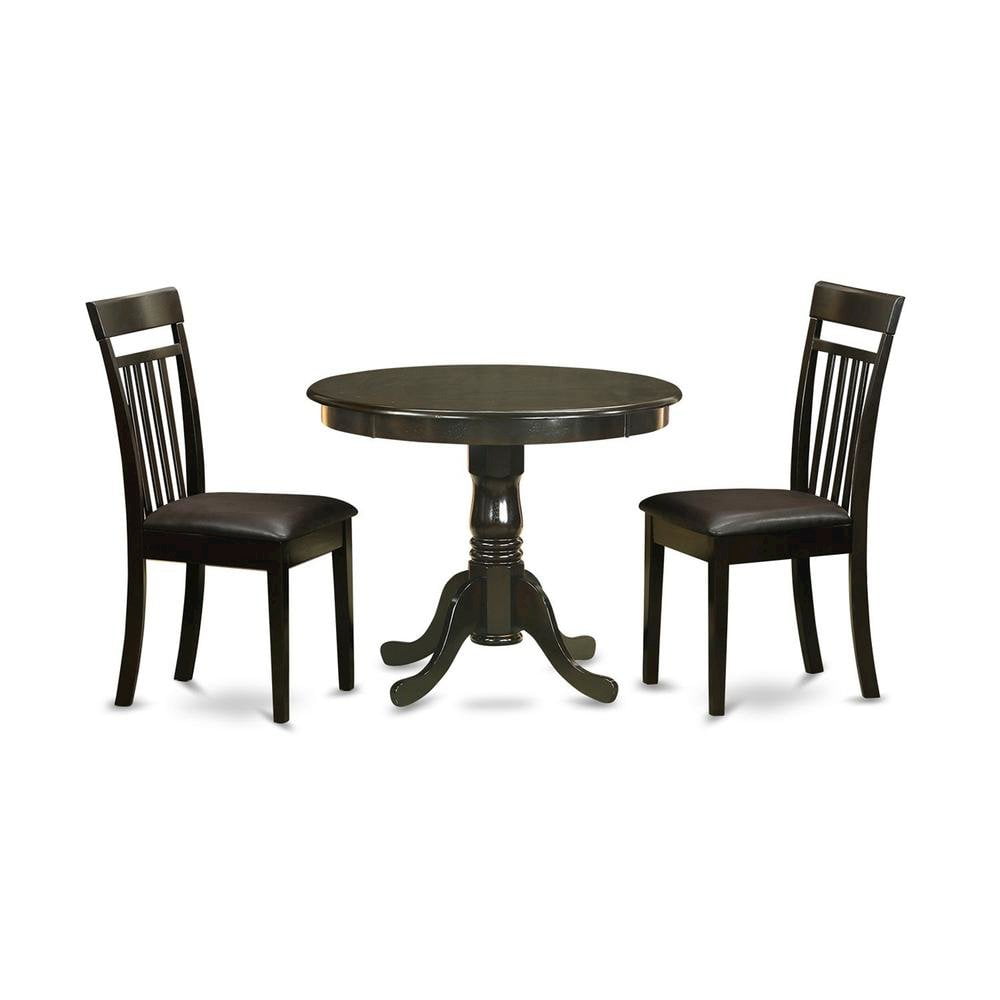
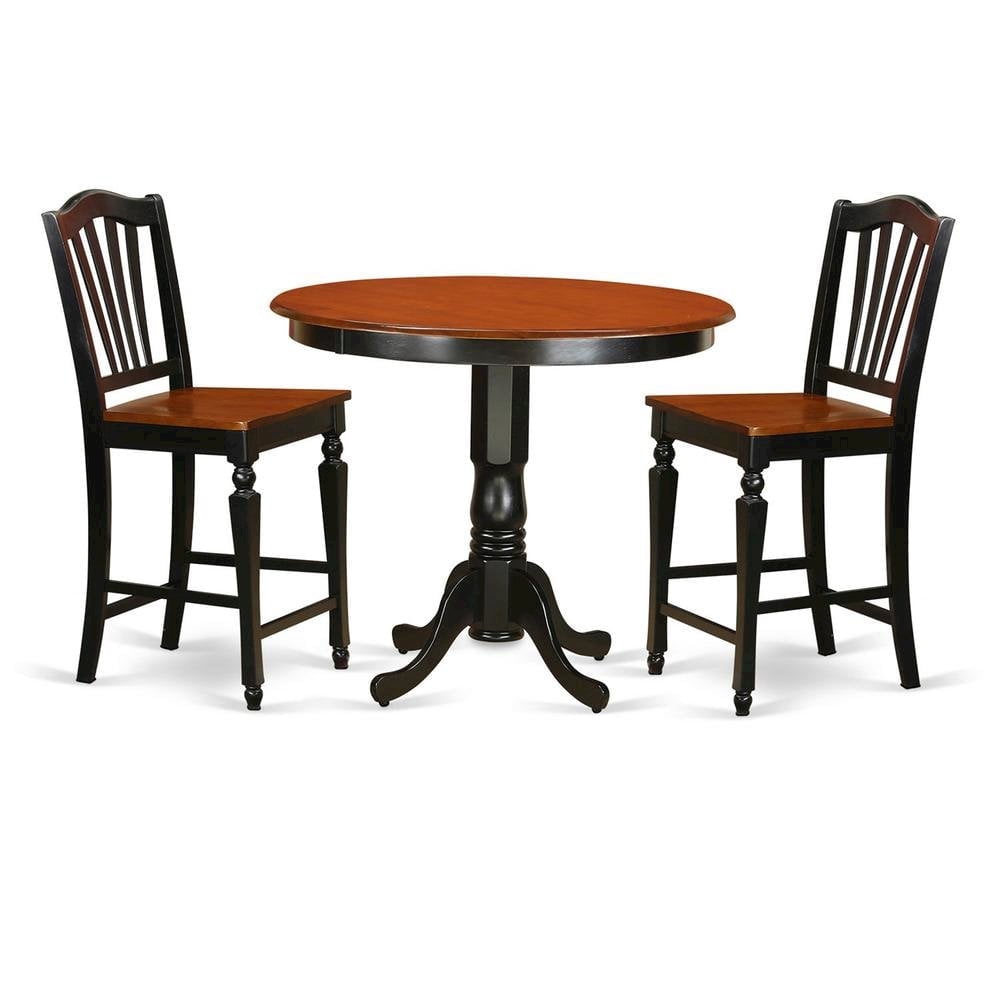
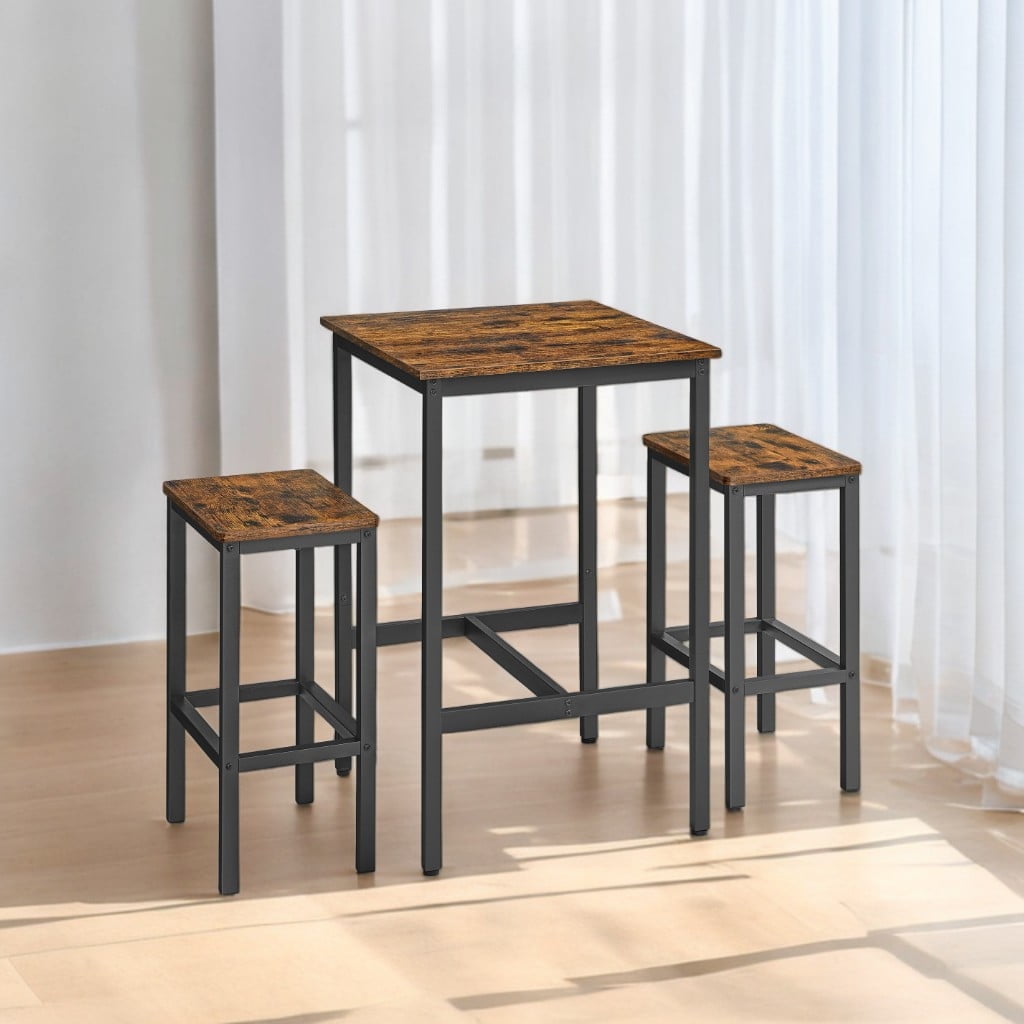
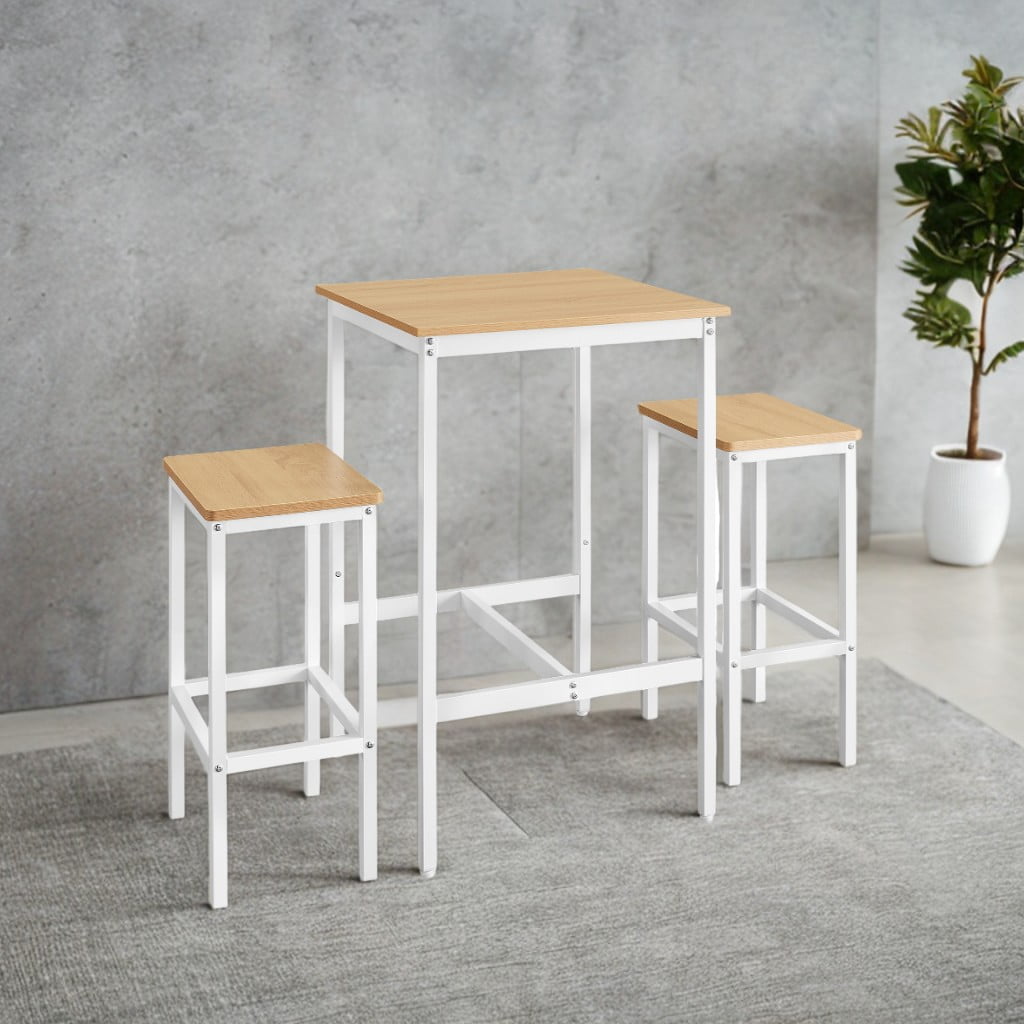
Why High Top Tables & Chairs Are a Game-Changer for Modern Offices
Gone are the days when office furniture was limited to traditional desks and low-back chairs. Today’s dynamic workplaces demand flexibility, collaboration, and ergonomic well-being. Office high top tables and chairs (also known as standing-height or bar-height sets) have emerged as a favorite solution for startups, creative agencies, and even corporate environments looking to break down silos and encourage movement.
Workspace Insight: Studies show that incorporating standing-height elements can reduce sedentary behavior by up to 30%. High top tables naturally promote a "perch and stand" culture, increasing spontaneous collaboration and reducing fatigue associated with prolonged sitting.
Key Benefits of High Top Furniture
Investing in high top tables and the right accompanying chairs transforms how teams interact and work. Here’s what makes them indispensable:
- Ergonomic Flexibility: Encourages alternating between sitting and standing, reducing musculoskeletal stress.
- Space Efficiency: High tables often have a smaller footprint, making them ideal for compact offices or multi-purpose areas.
- Enhanced Collaboration: The elevated height puts participants at eye level during standing meetings, fostering open communication.
- Modern Aesthetics: Sleek, contemporary designs elevate the visual appeal of any workspace, impressing clients and motivating employees.
- Versatility: Perfect for breakrooms, huddle spaces, reception areas, and even home offices where space is multifunctional.
Choosing the Perfect High Top Table & Chair Pair
Selecting the right combination requires careful consideration of height compatibility, material durability, and intended use. Use this comprehensive guide to ensure your investment meets both functional and aesthetic goals.
| Consideration | Why It Matters | Recommendation |
|---|---|---|
| Table Height | Standard desk height is 29-30 inches; high top tables are 40-42 inches. Correct pairing with seating is critical for comfort. | Choose stools with seat heights 24-30 inches. For adjustable tables, look for electric or manual crank models for ultimate flexibility. |
| Seat Comfort & Ergonomics | Extended use requires lumbar support and footrests. High stools can cause pressure on thighs if poorly designed. | Opt for stools with contoured seats, adjustable height, and a sturdy foot ring. Swivel capability is a plus for mobility. |
| Material & Durability | High-traffic areas need scratch-resistant surfaces and sturdy frames. | Laminate or solid wood tops resist spills. Metal frames with powder coating ensure longevity. For upholstery, choose performance fabrics or easy-clean leather. |
| Mobility & Stability | Dynamic spaces often require moving furniture; however, stability is key to prevent tipping. | Tables with lockable casters offer portability. Stools with wide bases and non-slip glides provide safety. |
| Aesthetic Integration | Furniture should complement your brand and office design. | Mix materials: wood for warmth, metal for industrial chic, or glass for minimalist elegance. Color coordination with existing decor creates harmony. |
Ergonomic and Health Benefits
While aesthetics matter, the primary reason to invest in quality high top tables and chairs is the profound impact on employee health and productivity:
Reduced Back Strain
Alternating between sitting and standing reduces spinal compression by up to 30%.
Increased Energy
Standing increases blood flow and oxygen to the brain, combating afternoon slumps.
Better Posture
Counter-height stools encourage a more upright posture than slouching in low chairs.
Collaboration Boost
Informal meetings at high tops are 47% shorter and more efficient than seated conference room meetings.
Material & Design Considerations for High Top Sets
The materials you choose for your high top table and chairs will determine their longevity, maintenance needs, and overall vibe. Here's a deep dive into popular options:
Tabletop Materials
Solid Wood / Butcher Block
- Pros: Timeless appeal, durable, can be refinished.
- Cons: Requires sealing, heavier, susceptible to water rings.
Laminate / Thermofoil
- Pros: Scratch-resistant, affordable, easy to clean.
- Cons: Cannot be refinished, may look less premium.
Metal / Steel
- Pros: Industrial look, incredibly sturdy, rust-resistant with coating.
- Cons: Can feel cold, prone to dents.
Glass
- Pros: Modern, creates openness, easy to clean.
- Cons: Shows fingerprints, risk of breakage, limited weight capacity.
Seating Materials for High Top Stools
Leather / Faux Leather
- Pros: Professional look, easy wipe-clean, durable.
- Cons: Can be sticky in summer, faux leather may peel over time.
Mesh Back
- Pros: Breathable, lightweight, modern.
- Cons: Less formal, may require more frequent cleaning of mesh.
Upholstered Fabric
- Pros: Wide color range, comfortable, soft.
- Cons: Stains easily, requires fabric protection.
Wood / Saddle Stools
- Pros: Minimalist, sturdy, fits rustic or modern decor.
- Cons: No back support, less comfortable for long periods.
Ultimate Selection Guide: Office High Top Tables & Chairs
Whether you're outfitting a bustling breakroom or a chic home office, these steps will help you make the right choice:
Step 1: Define Your Primary Use Case
- Collaboration Zone: Choose larger rectangular tables (72"+) with mobile stools for easy group formation.
- Breakroom Dining: Look for durable, stain-resistant surfaces and comfortable seats with backs.
- Reception/Waiting Area: Focus on aesthetics—sleek metal frames and high-end finishes that reflect your brand.
- Home Office/Standing Desk Alternative: An adjustable height high top with an ergonomic stool can serve as a sit-stand hybrid station.
Step 2: Measure Your Space & Flow
Account for both the table footprint and chair clearance. For high top tables, allow at least 36-48 inches between tables for walkways. Ensure the chair height does not obstruct sightlines if placed against a wall.
Pro Tip: Use painter's tape to outline the table size on your floor. Visualize the space needed for chairs to be pulled out and for people to walk behind seated users.
Step 3: Prioritize Adjustability & Ergonomics
While high top tables are fixed height, the chairs should offer some adjustability. Look for pneumatic height adjustment in stools and a comfortable footrest ring. For tables, if you want ultimate flexibility, consider models with electric or manual height adjustments that can go from standard to high-top.
Step 4: Evaluate Stability & Weight Capacity
High top furniture can be top-heavy. Ensure the table base is weighted or has a wide stance to prevent tipping. Stools should have a weight capacity of at least 300 lbs for safety. Check for anti-tip mechanisms and durable gas lifts.
Frequently Asked Questions About Office High Top Tables & Chairs
Conclusion & Final Recommendations
Investing in office high top tables and chairs is a strategic move toward a more agile, healthy, and collaborative workplace. By carefully selecting materials that match your environment, ensuring ergonomic compatibility, and considering the flow of your space, you can create a hub that employees will gravitate towards.
Summary: High Top Solutions for Every Need
Choose large rectangular or round tables with durable laminate tops and mobile stools with casters. This encourages reconfiguration for team huddles and workshops.
Opt for warm wood finishes and upholstered stools with backs. Consider table bases with built-in power outlets for charging devices during breaks.
An adjustable height high top table (36" to 42") paired with a sleek, backless saddle stool saves space and allows for both seated and standing work modes.
Top Recommendations by Workspace Type
| Workspace Type | Recommended Table Style | Chair/Stool Features to Prioritize | Key Material |
|---|---|---|---|
| Tech Startup / Creative Studio | Mobile, whiteboard surface, or laminate with power grommets | Swivel, footrest, breathable mesh | Metal frame, laminate top |
| Corporate Reception | Solid wood or marble-look, rectangular or round | Luxurious upholstery (leather), fixed with non-marking glides | Wood, polished metal |
| Educational / Training Room | Rectangular, folding or nesting capability | Sturdy, stackable stools with easy-clean surfaces | High-pressure laminate, steel frame |
| Home Office / Multi-Use | Adjustable height high top (36-42 inches) | Adjustable height, ergonomic back support, small footprint | Wood or glass top, metal base |