
Protect Your Floors with the Right Office Depot Desk Chair Mat
Have you ever noticed those unsightly scuffs or indentations on your office floor from your chair's wheels? That's a clear sign you need a quality floor mat. A **desk chair mat** is more than just an accessory; it's a crucial investment in maintaining your office environment. It provides a smooth, durable surface that protects your floor from wear and tear, makes rolling effortless, and even helps reduce fatigue.
Did You Know? According to a study by the Human Factors and Ergonomics Society, using a chair mat can reduce the physical effort required to move your chair by up to 30%. This translates to less strain on your legs and back, contributing to better posture and overall well-being.
Why Choose a Chair Mat for Your Office?
Think of a chair mat as a layer of armor for your floor. Without it, your chair's casters act like tiny, repetitive hammers, gradually damaging the floor's surface. Here’s why a desk chair mat is a wise choice:
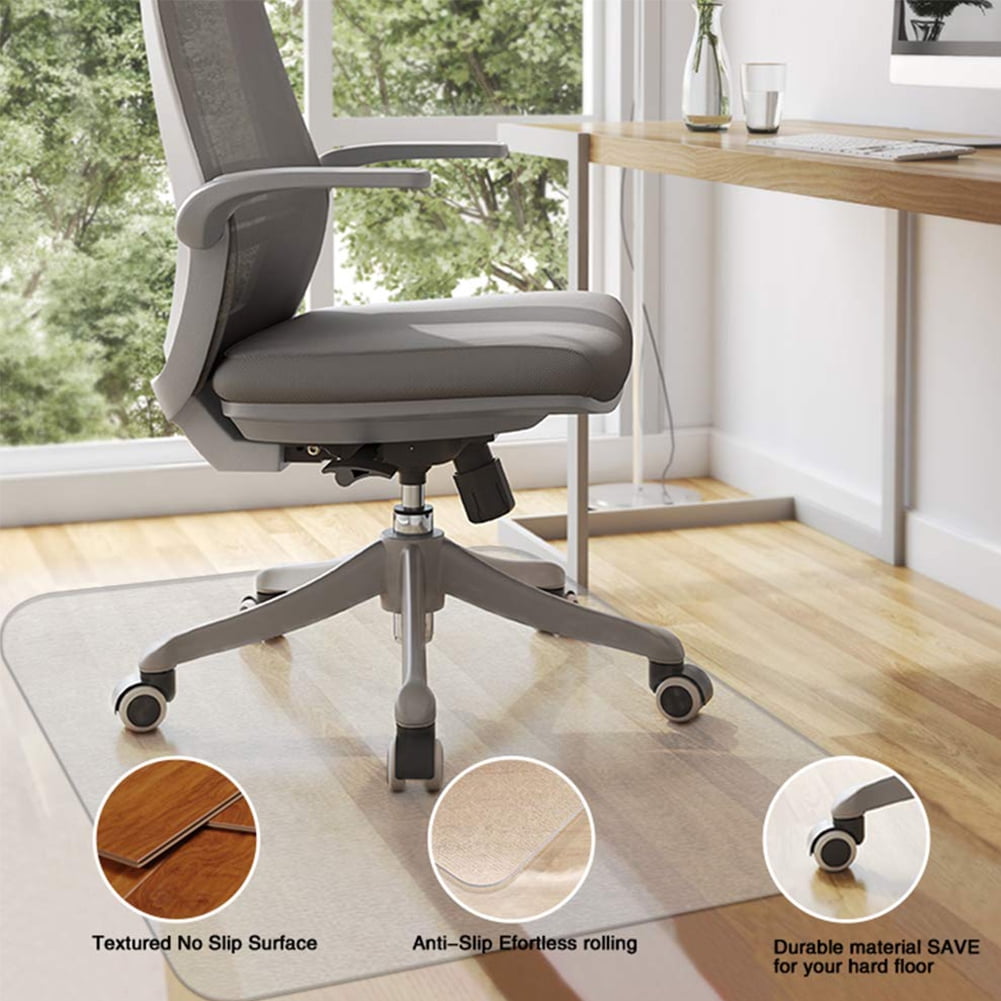
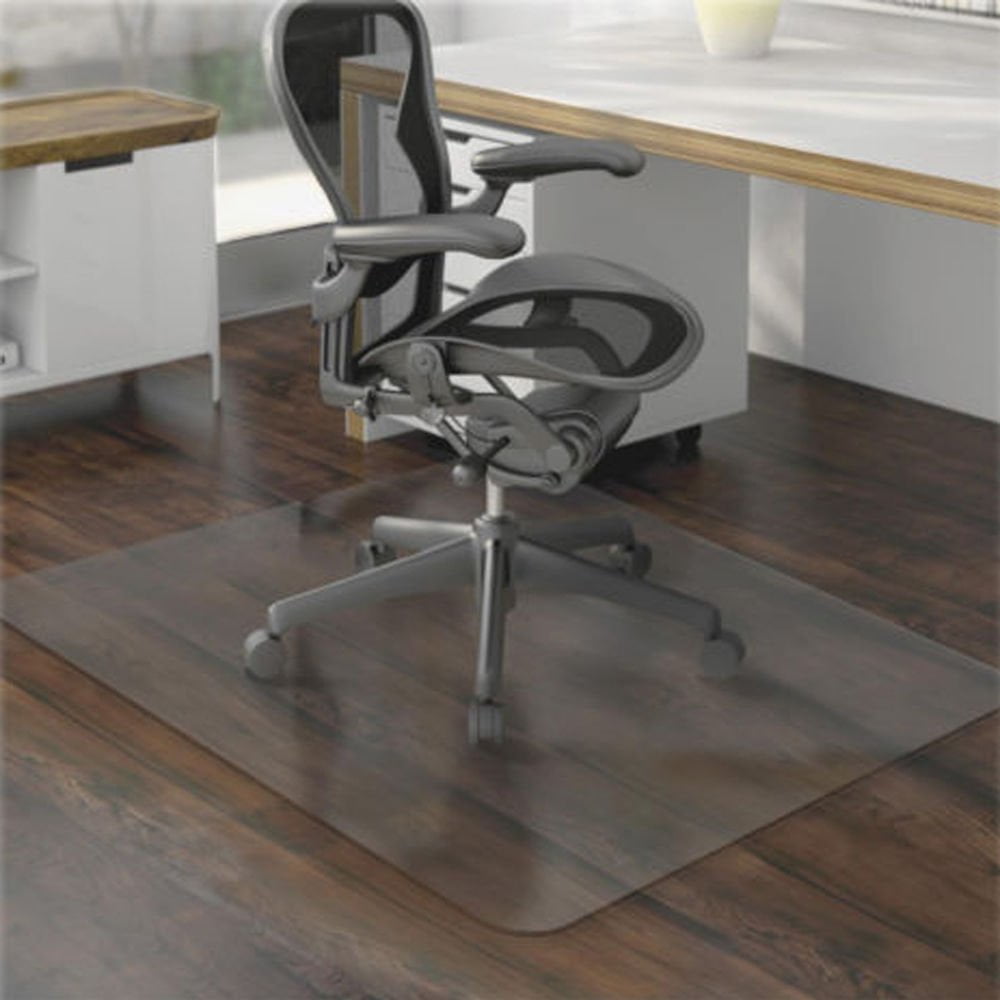
- Floor Protection: Whether it's carpet, hardwood, or tile, a chair mat creates a barrier that prevents your chair from leaving marks, dents, and scratches.
- Enhanced Mobility: A flat, hard surface allows your chair to roll smoothly and effortlessly. This improves your movement and reach across your desk.
- Reduced Fatigue: When your chair doesn't have to fight against the resistance of a carpet or the unevenness of a floor, you use less energy to move. This helps reduce strain on your legs and lower back.
- Ergonomic Benefit: A proper mat can help you maintain a more stable and neutral sitting position, supporting good posture throughout your workday.
- Professional Aesthetics: Chair mats come in various styles and finishes that can complement your office decor, giving it a clean, polished look.
Types of Chair Mats: Finding Your Perfect Match
Choosing the right chair mat depends heavily on the type of flooring you have. Here’s a breakdown of the most common types:
1. Chair Mats for Carpet
If you have a carpeted office, you'll need a mat designed specifically for that surface. These mats typically have a textured bottom with small cleats that grip the carpet, preventing the mat from sliding around. They are generally more rigid and thicker to provide a stable surface on top of the carpet pile.
When shopping for a carpet mat, pay attention to the "carpet pile height." Standard mats work well with low to medium-pile carpets. For high-pile or plush carpets, you'll need a **heavy-duty** mat with deeper cleats and a stronger, more durable construction.
2. Chair Mats for Hardwood Floors
Hardwood floors require a delicate touch. Hard mats with rigid, abrasive bottoms can trap dirt and act like sandpaper, leading to scratches. Look for **hardwood floor chair mats** that have a smooth, non-abrasive base. Some are made of a specific PVC blend that is soft enough to not damage the floor's finish.
You also have the option of glass or bamboo mats, which are naturally gentle on wood surfaces and add a touch of modern elegance to your space.
3. Glass Chair Mats
Glass chair mats are a premium and environmentally conscious option. They are surprisingly durable and scratch-resistant. They are an excellent choice for both carpet and hardwood floors. Their sleek, transparent design makes them virtually invisible, allowing the beauty of your flooring to show through. However, they are a bigger investment and require proper handling for cleaning.
4. Bamboo Chair Mats
For a sustainable and aesthetically pleasing option, bamboo chair mats are a fantastic choice. They are made from renewable resources, offer a smooth rolling surface, and are gentle on your floors. They're particularly popular for hardwood floors and add a warm, natural element to the office.
Key Considerations When Buying a Chair Mat
Before you make a purchase, think about these important factors to ensure you get the perfect mat for your needs:
| Factor | Why It Matters | What to Look For |
|---|---|---|
| Floor Type | This is the most critical factor. A mat designed for carpet will damage a hardwood floor and vice versa. | Clearly identify your floor type: carpet (with pile height), hardwood, laminate, or tile. |
| Mat Size | The mat needs to be large enough to allow you to move freely in your chair without rolling off the edge. | Measure your workspace. Ensure the mat extends at least 12-18 inches beyond your desk on the sides and front for adequate rolling space. |
| Thickness & Durability | A thicker mat is generally more durable and offers better support on carpet. It's less likely to crack or curl at the edges. | Look for mats made from high-quality, virgin PVC or polycarbonate. A thicker gauge (e.g., 0.25 inches or more) indicates better durability. |
| Shape | The shape of the mat can affect how it fits under your desk and how much space you have to move. | Common shapes include rectangular (versatile), lip-shaped (fits under the desk better), and rounded. Choose one that fits your desk setup. |
| Color & Style | While mainly functional, a mat that matches your decor can enhance the professional look of your office. | Clear mats are classic. Others are available in black, gray, or with frosted edges. Glass and bamboo offer unique, premium styles. |