
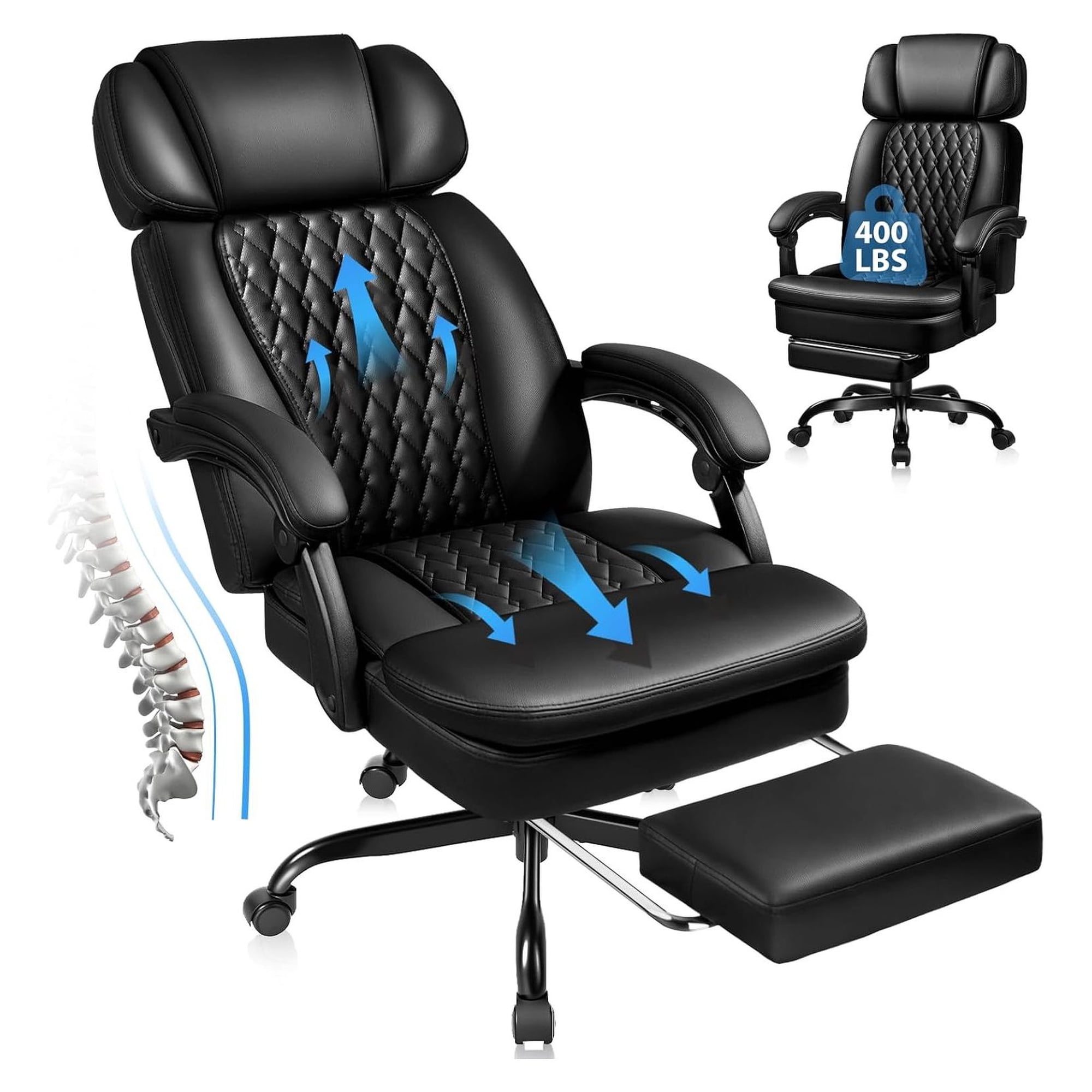
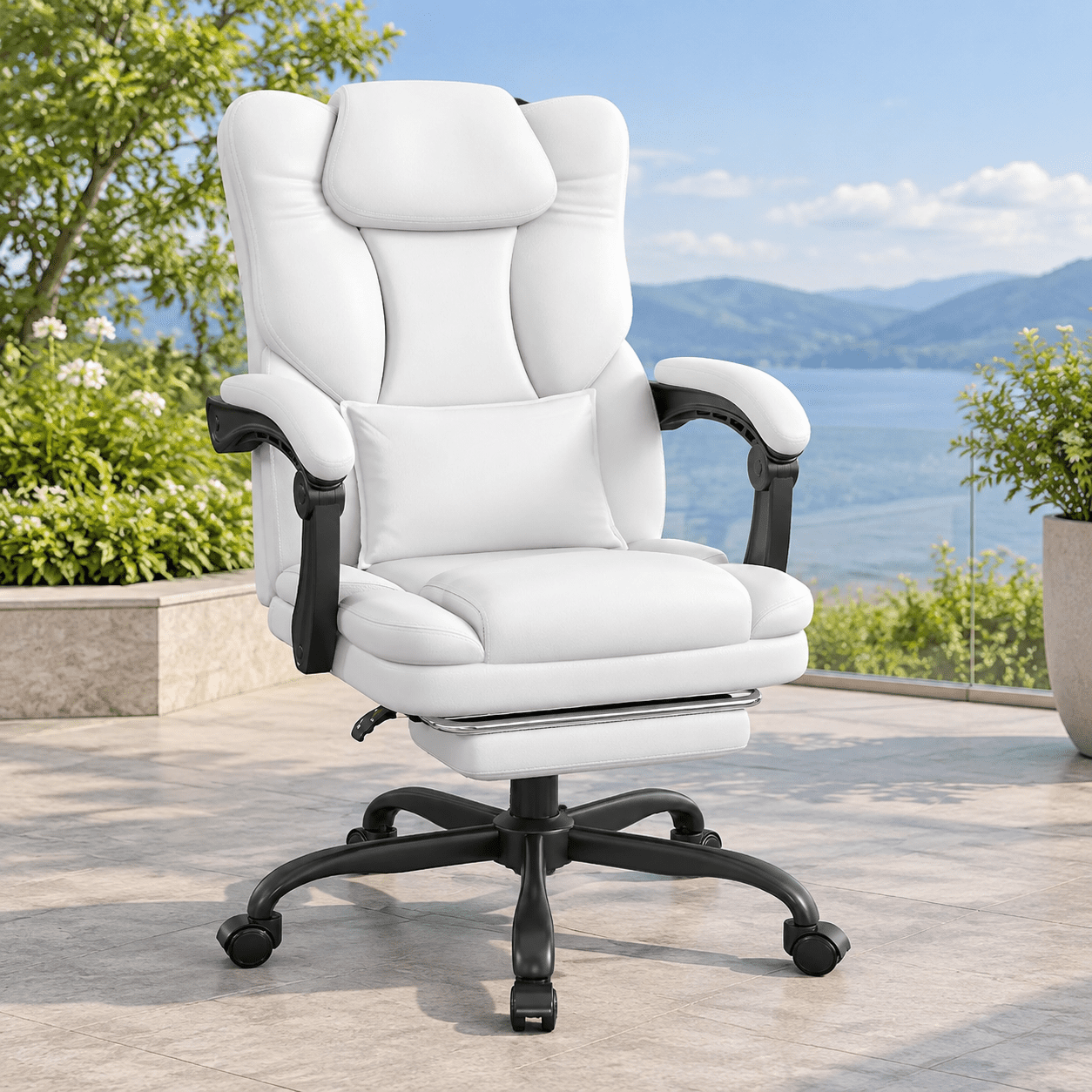
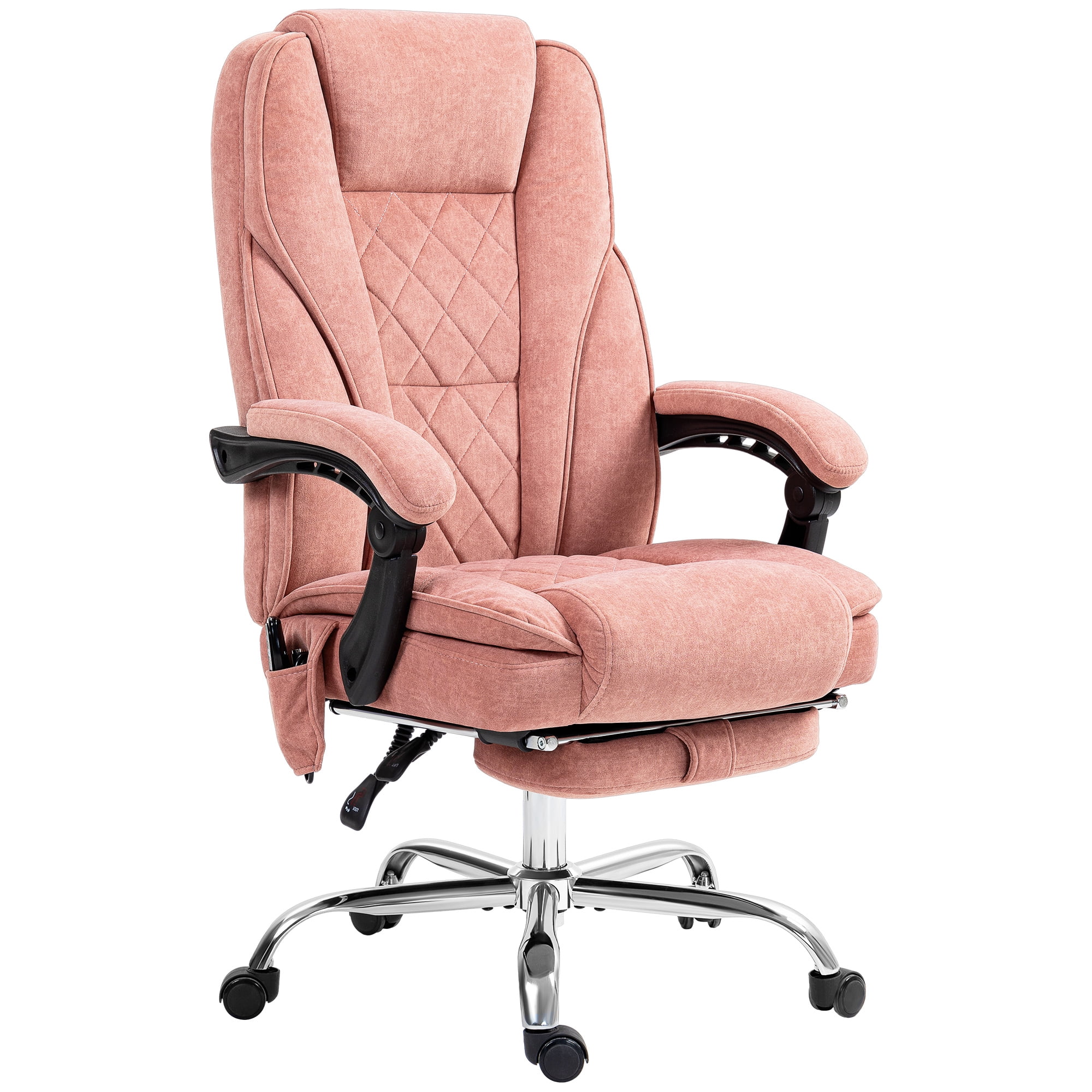
Why Your Next Office Chair Needs a Neck Rest
Imagine driving a car without a headrest—every bump would jolt your neck, and long journeys would become painful. Yet millions of office workers sit for 8+ hours daily in chairs that offer zero support for the cervical spine. An office chair with neck rest (often called a headrest) is not a luxury; it's a tool for long-term musculoskeletal health. According to the American Chiropractic Association, 31% of the U.S. population will experience neck pain at some point, and poor seating ergonomics is a leading contributor.
In this guide, we dive deep into everything you need to know about office chairs with integrated head support. Whether you're tall, short, suffer from tech neck, or simply want to recline comfortably during brainstorming sessions, understanding neck rest features will transform your workday.
1. The Anatomy of a Good Neck Rest: What to Look For
Not all headrests are created equal. A poorly designed neck rest can push your head forward, worsening posture. Here’s a breakdown of the critical components:
1.1. Adjustability: 1D, 2D, and 3D Headrests
- 1D (Fixed or height-only): Basic headrests that move up/down. Common in mid-range chairs.
- 2D (Height + angle): Allows tilting to support the natural curve of your neck. Ideal for most users.
- 3D (Height, angle, depth): Premium adjustment where the headrest moves forward/backward. Perfect for taller individuals or those who prefer the headrest closer to their neck.
Ergonomics Insight: A 2022 study in the Journal of Physical Therapy Science found that adjustable headrests significantly reduced sternocleidomastoid muscle activity compared to fixed ones, indicating lower neck strain.
1.2. Material Matters: Memory Foam vs. Mesh vs. Leather
Memory Foam
Conforms to your unique neck shape. Look for high-density foam that won't flatten over time. Often covered with breathable fabric.
Mesh
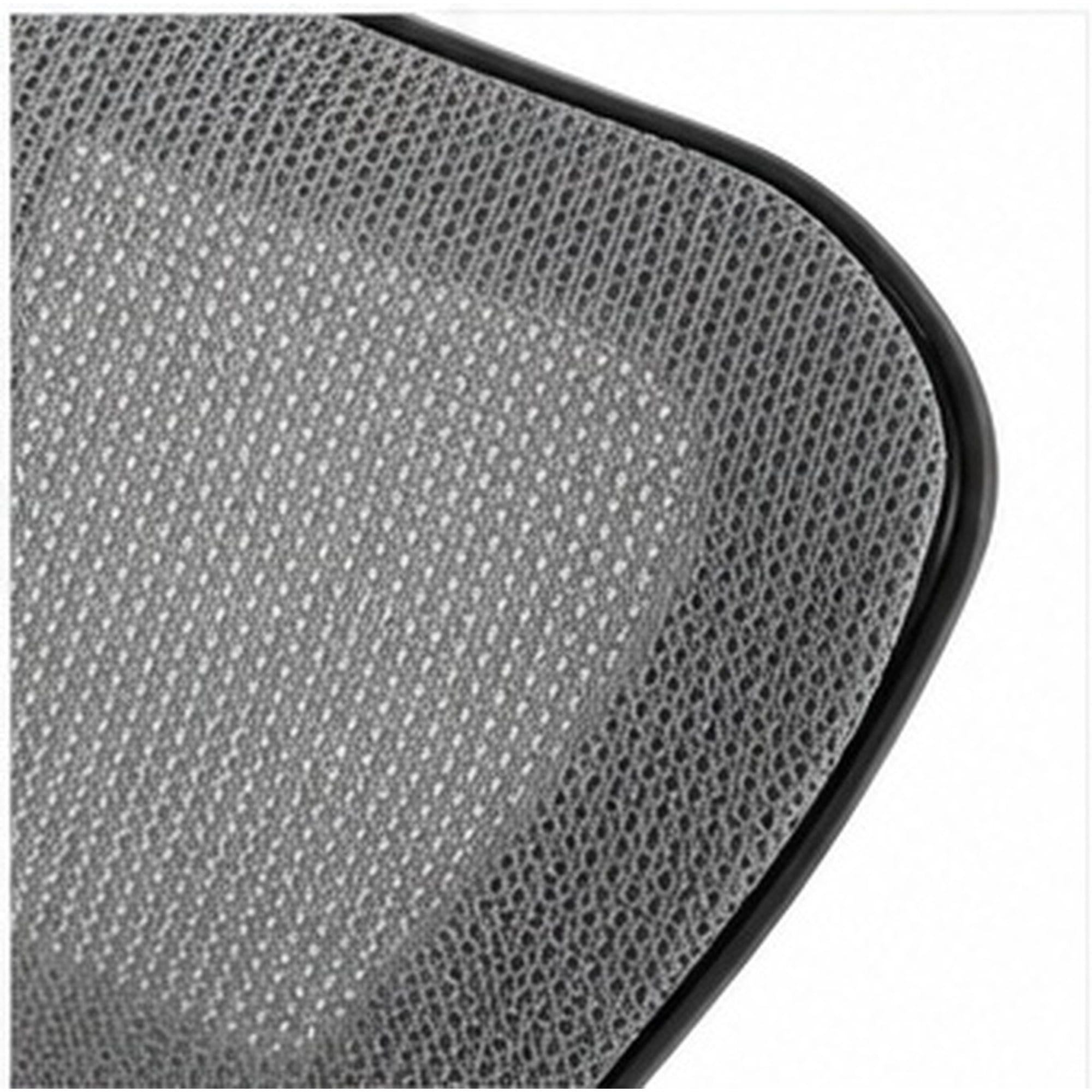
Extremely breathable, ideal for hot climates. Provides firm, even support. May feel less "cushiony" but excellent for airflow.
Leather / PU
Easy to clean and looks professional. Can be warm; better for climate-controlled offices. Usually padded with foam.
2. Who Benefits Most from a Neck Rest Chair?
While almost anyone can benefit, these profiles show why a neck rest is essential:
- The multi-tasker: Frequently turns head to talk to colleagues or look at a second screen.
- The recliner: Likes to lean back during phone calls or deep thinking—a headrest prevents neck strain in semi-reclined positions.
- The tall professional: Standard chairs often end mid-back; a high-back with headrest supports the entire spine.
- Tech neck sufferers: People who catch themselves jutting their chin forward—a headrest serves as a physical reminder to keep the head back.
3. Common Myths About Office Chairs with Headrests
Myth 1: "Headrests are only for sleeping."
False. While they do support reclining, a headrest also helps maintain neutral posture during upright sitting by cradling the natural cervical lordosis.
Myth 2: "They force your head forward."
Only if poorly adjusted or non-adjustable. A proper 2D/3D headrest can be positioned to lightly touch the back of your head without pushing it forward.
Myth 3: "I don't need one if I have good posture."
Even perfect posture benefits from occasional relief. Muscles need rest; a headrest allows brief relaxation without slouching.
4. Step-by-Step Guide to Adjusting Your Neck Rest
Follow these steps to get the perfect fit:
- Sit upright with your back against the chair. Ensure your hips are as far back as possible.
- Loosen the headrest adjustment. Raise or lower it so the center of the headrest pad is at the level of the back of your head (not your neck).
- Adjust the angle. Tilt it so it gently contacts the occipital bone (the bony part at the back of your skull).
- If depth adjustment exists, bring it forward until it's about 1-2 inches from your head, then lean back slightly to make contact.
- Test by reclining. The headrest should keep your head in line with your torso, not jut it forward.
5. Office Chair with Neck Rest vs. Separate Headrest Attachment
Can't replace your current chair? Universal headrests are available, but there are trade-offs:
| Feature | Integrated Headrest | Universal Attachment |
|---|---|---|
| Stability | Rock-solid, designed for the chair | May wobble or slip over time |
| Adjustability | Often 2D/3D, seamless | Limited, usually just height |
| Aesthetics | Looks built-in, professional | Can look like an add-on |
| Cost | Higher initial investment | Budget-friendly ($30-$80) |
If you're buying new, an integrated solution is almost always superior. Attachments work well for existing chairs, especially if you have a mesh back that allows straps.
6. Health Data: The Impact of Neck Support
According to the Occupational Safety and Health Administration (OSHA), poor neck posture can increase compressive forces on the cervical spine by up to 300%. A study by Cornell University's Ergonomics Web noted that using a headrest while reclining reduces disc pressure by up to 50%. For every degree of recline, intradiscal pressure decreases. Combining recline with head support maximizes this benefit.
Reduced Muscle Tension
Upper trapezius activity drops by 20-30% when the head is supported.
Less Tech Neck
Prevents the forward head posture that leads to "text neck."
Better Focus
Discomfort is a distraction; neck support helps you concentrate.
7. Materials and Durability: What to Expect
The headrest is a high-wear area due to constant contact with hair and skin oils. Look for:
- Breathable covers: Mesh or fabric with antimicrobial treatment.
- High-resilience foam: Should retain shape after years of use.
- Metal adjustment mechanisms: Plastic ratchets can wear out; metal is more durable.
Chairs in the $300-$600 range usually offer decent foam; above $800, expect cold-cure foam and premium upholstery.
Frequently Asked Questions About Office Chairs with Neck Rest
Conclusion: Invest in Your Neck Health
Choosing an office chair with a neck rest is a decision that pays dividends in comfort and long-term well-being. Don't view it as an extra—view it as essential spinal hygiene. Whether you opt for a high-back executive model with 3D headrest or a breathable mesh task chair with integrated support, ensure it fits your body and work style. Use our guide to test adjustability, materials, and recline functionality. Your neck (and future self) will thank you.