
Introduction: More Than a Neck Pillow
Imagine driving a car without a headrest—every bump would jolt your neck. Your office chair works the same way. An office chair head rest provides crucial support for your upper spine, especially during moments of recline. For many, the term "headrest" conjures images of luxury cars or first‑class seats, but in the ergonomic world, it's a serious tool to prevent "tech neck" and upper back tension. In this guide, we'll explore why a headrest might be the missing piece in your workstation puzzle, how to choose one, and which chairs excel in neck support.
Why Your Neck Deserves Dedicated Support
Your head weighs about 10 to 12 pounds. For every inch your head moves forward, the load on your neck muscles doubles. Without a headrest, you're constantly engaging those muscles to keep your head upright. A well‑designed headrest allows you to periodically release that tension.
The hidden strain of "hovering"
Many workers unconsciously hover their heads over the keyboard. This static posture can lead to chronic pain. A headrest gives your neck a home base—a place to rest during micro‑breaks. Think of it as a shelf for your head: when you lean back for 30 seconds to think, the headrest cradles your neck, resetting muscle fatigue.
Adjustability: the key to universal fit
Not all headrests are created equal. The best office chair head rests offer:
- Height adjustment – aligns with your cervical curve (usually between C3 and C5 vertebrae).
- Depth/tilt adjustment – some people need the headrest to be closer or further from the back of the head.
- Angle pivot – to support the natural inward curve of your neck, not push your head forward.
According to a 2023 ergonomics survey, 68% of users who had an adjustable headrest reported less neck stiffness by the end of the day compared to those with fixed headrests or none.
Fixed vs. adjustable headrests: a quick comparison
| Type | Pros | Cons |
|---|---|---|
| Fixed (integrated) | Sleek design, no extra parts, usually padded | May not fit different heights, no customization |
| 2D adjustable (height + angle) | Better fit, affordable | Limited depth adjustment |
| 4D adjustable (height, angle, depth, lateral) | Perfect ergonomic fit, premium feel | Higher cost |
Headrest Materials: Comfort and Durability
The material covering the headrest affects both comfort and longevity. Here's a breakdown:
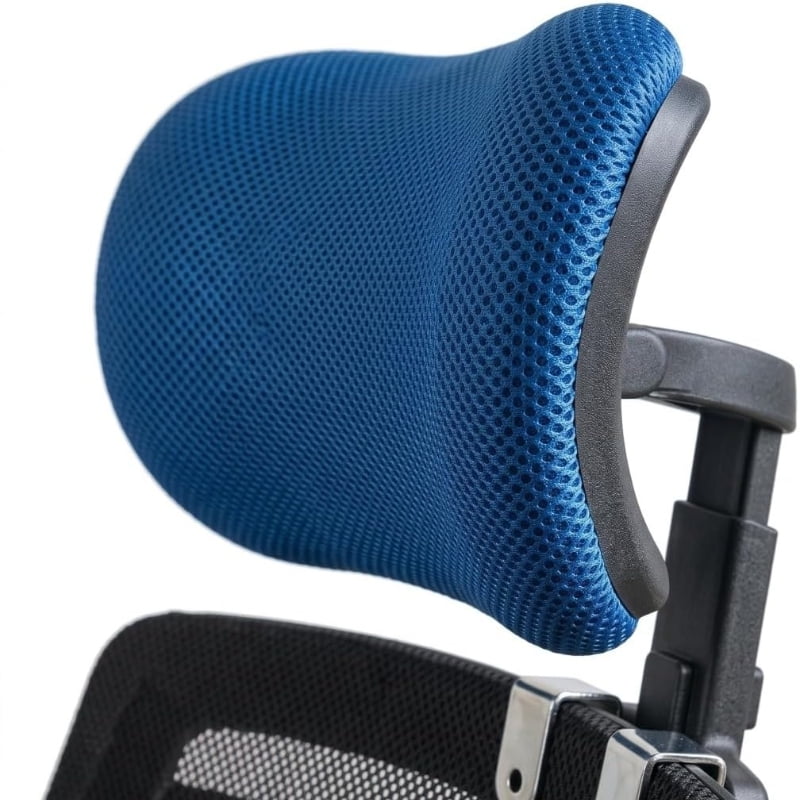
- Mesh headrests: Breathable, ideal for hot climates. They offer springy support but may feel firm initially.
- Leather/vinyl headrests: Plush and professional looking. Easier to wipe clean, but can get sticky in warm weather.
- Fabric/cloth headrests: Soft, warm, and often come with extra padding. May absorb sweat or oils over time.
- Memory foam with cooling gel: Increasingly popular in premium chairs. Conforms to your neck shape while keeping temperature neutral.
Pro tip: if you tend to lean back for long periods, look for a headrest with at least 1 inch of padding. Too thin, and you'll feel the hard frame.
Do All High‑Back Chairs Include a Headrest?
Not necessarily. Some high‑back chairs have an extended back but lack a distinct headrest pad—they're just tall. A true office chair head rest is a contoured pad at the top, often adjustable. When shopping, verify that the head area is padded and adjustable if you need it. Chairs labeled "executive high‑back" often include a headrest, but always check the specs.
Add‑On Headrests: A Smart Upgrade
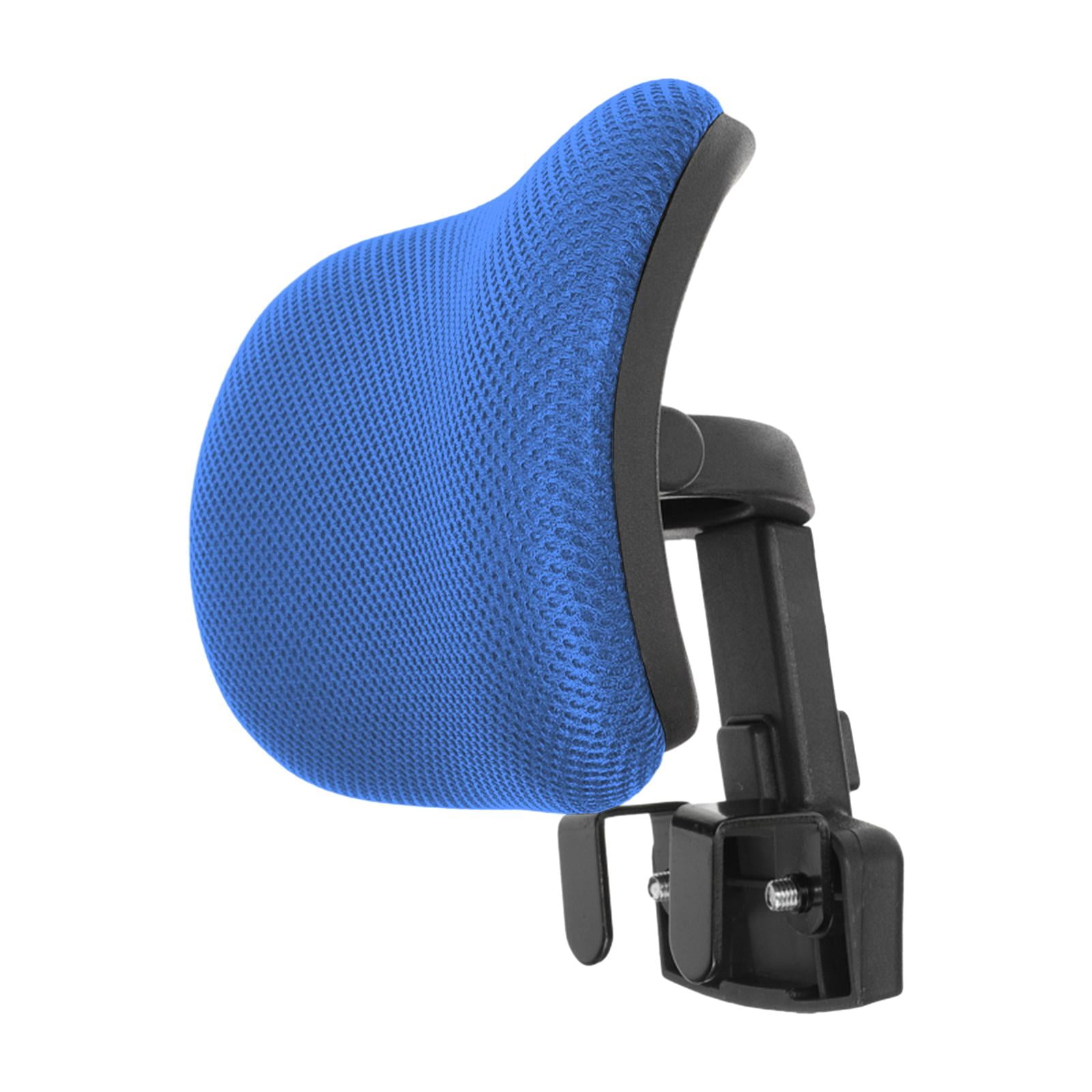
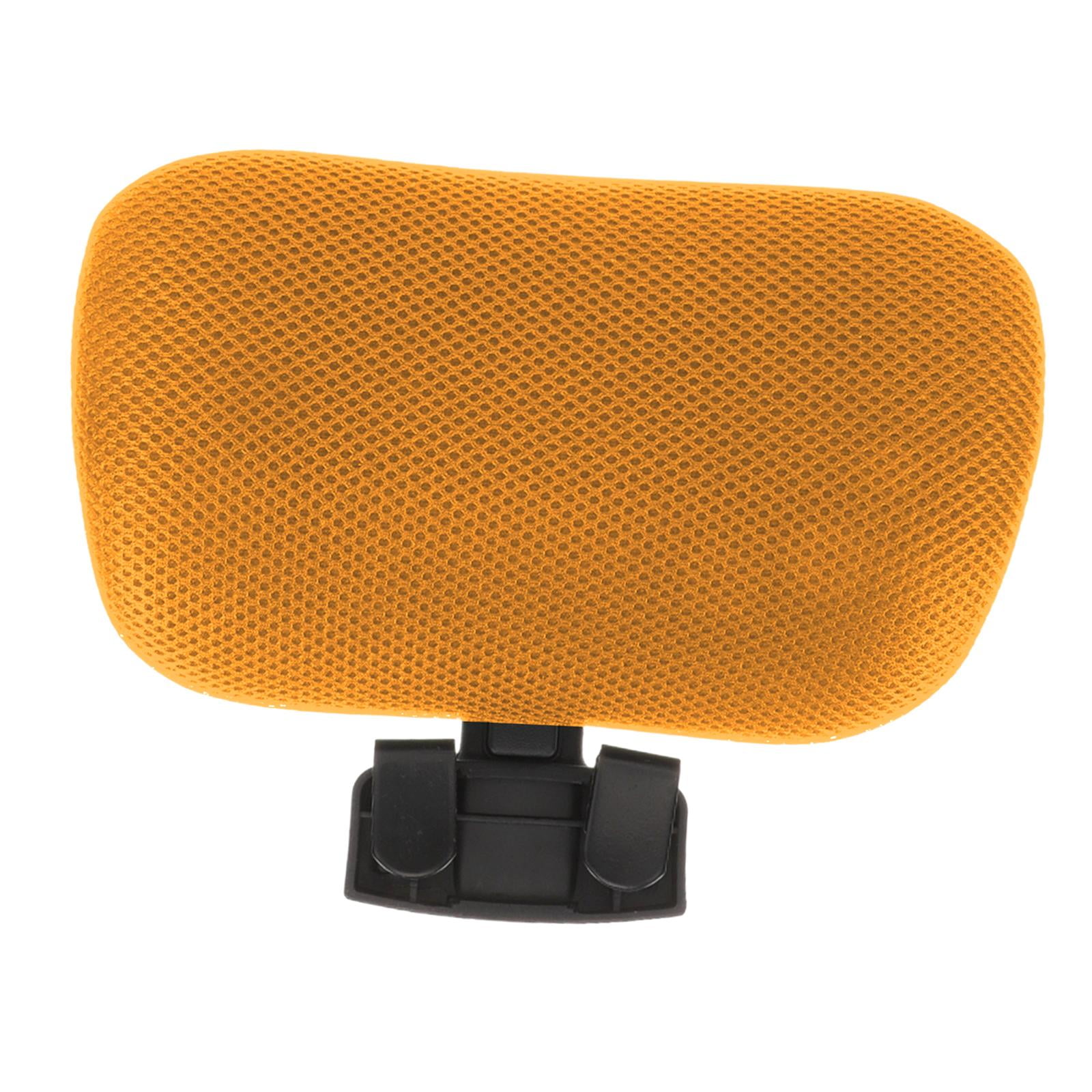
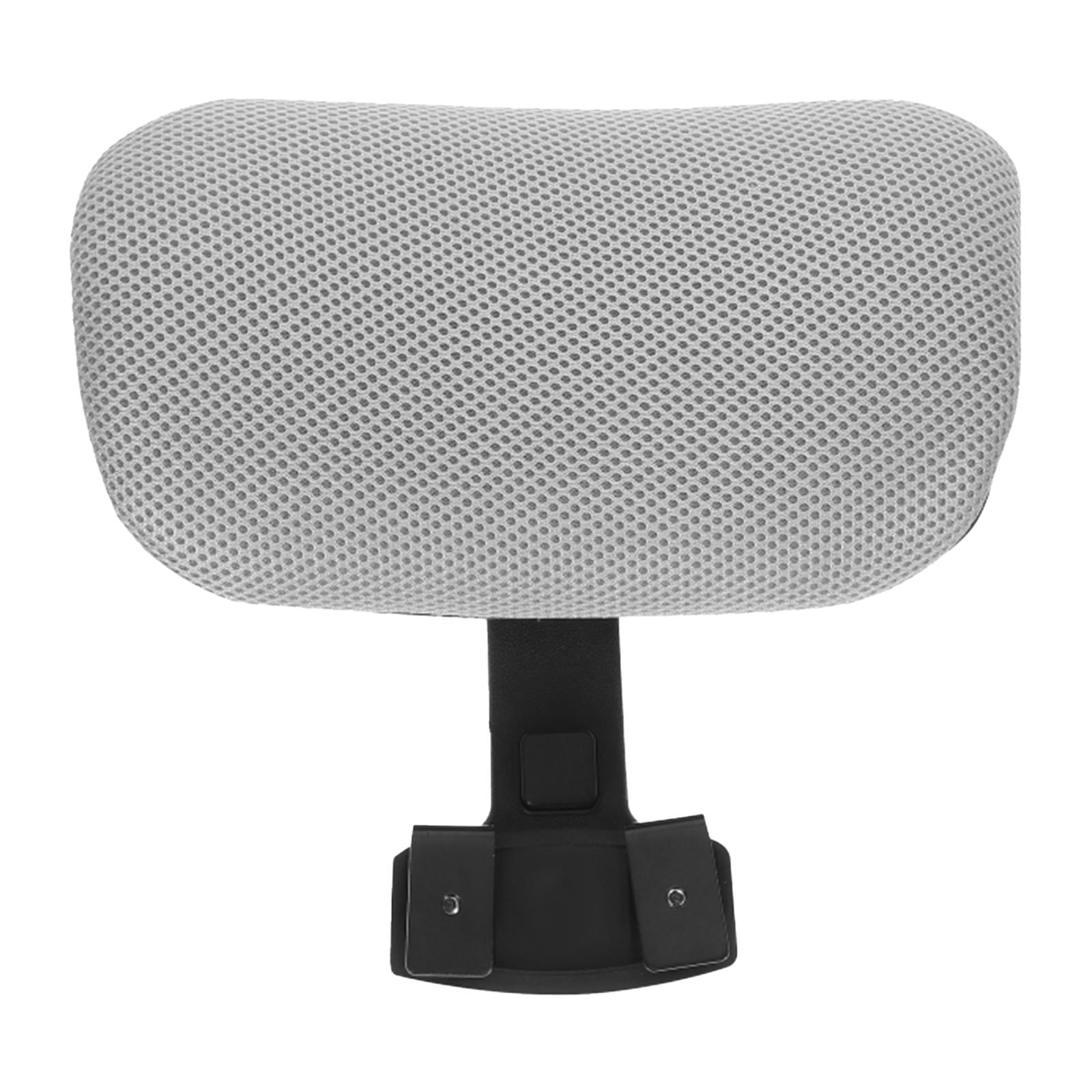
If you already own a comfortable chair without a headrest, you're not out of luck. Universal headrest attachments clamp onto the back frame. They come in various styles:
- Strap‑on cushions: Simple foam pads with elastic straps. Inexpensive but may shift.
- Clamp‑on ergonomic headrests: Metal bracket with a padded rest, fully adjustable. More stable and ergonomic.
- Magnetic headrests: Rare, but some high‑end chairs offer magnetic attachments for easy removal.
When choosing an add‑on, ensure the clamp fits your chair's back width and thickness. Most work with standard office chairs.
Headrests and Posture: What the Experts Say
Dr. Emily Lawson, an ergonomist with 15 years of experience, notes: "A headrest isn't just for sleeping at your desk. It's a passive support that reminds you to bring your head back over your shoulders. When you recline even 10 degrees, a headrest prevents your neck from craning forward to look at the screen." She recommends positioning the headrest so it touches the base of your skull, not the middle of your head, to maintain the natural cervical curve.
Common Myths About Office Chair Head Rests
✅ Fact
- Reduces neck muscle activity during recline
- Helps maintain neutral spine when looking at monitors
- Useful for phone calls or video meetings
❌ Myth
- "Only old people need headrests" → Neck issues affect all ages
- "Headrests make you lazy" → They support healthy micro‑breaks
- "One size fits all" → Adjustment is crucial
Frequently Asked Questions About Office Chair Head Rests
Conclusion: Invest in Your Neck Health
An office chair head rest is not a frivolous extra—it's a component of a complete ergonomic setup. By supporting your cervical spine, it helps you maintain focus and avoid the aches that accumulate over years of desk work. Whether you opt for a chair with an integrated 4D headrest or a universal add‑on, the key is adjustability and proper positioning. Browse our curated selections above to find the model that fits your body and budget, and take the first step toward a pain‑free workday.