
Why Your Office Chair Matters for Back and Neck Health
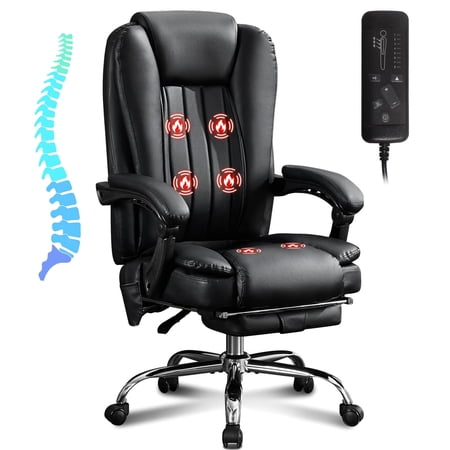
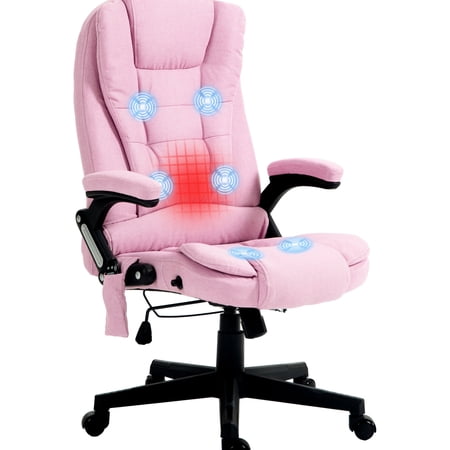
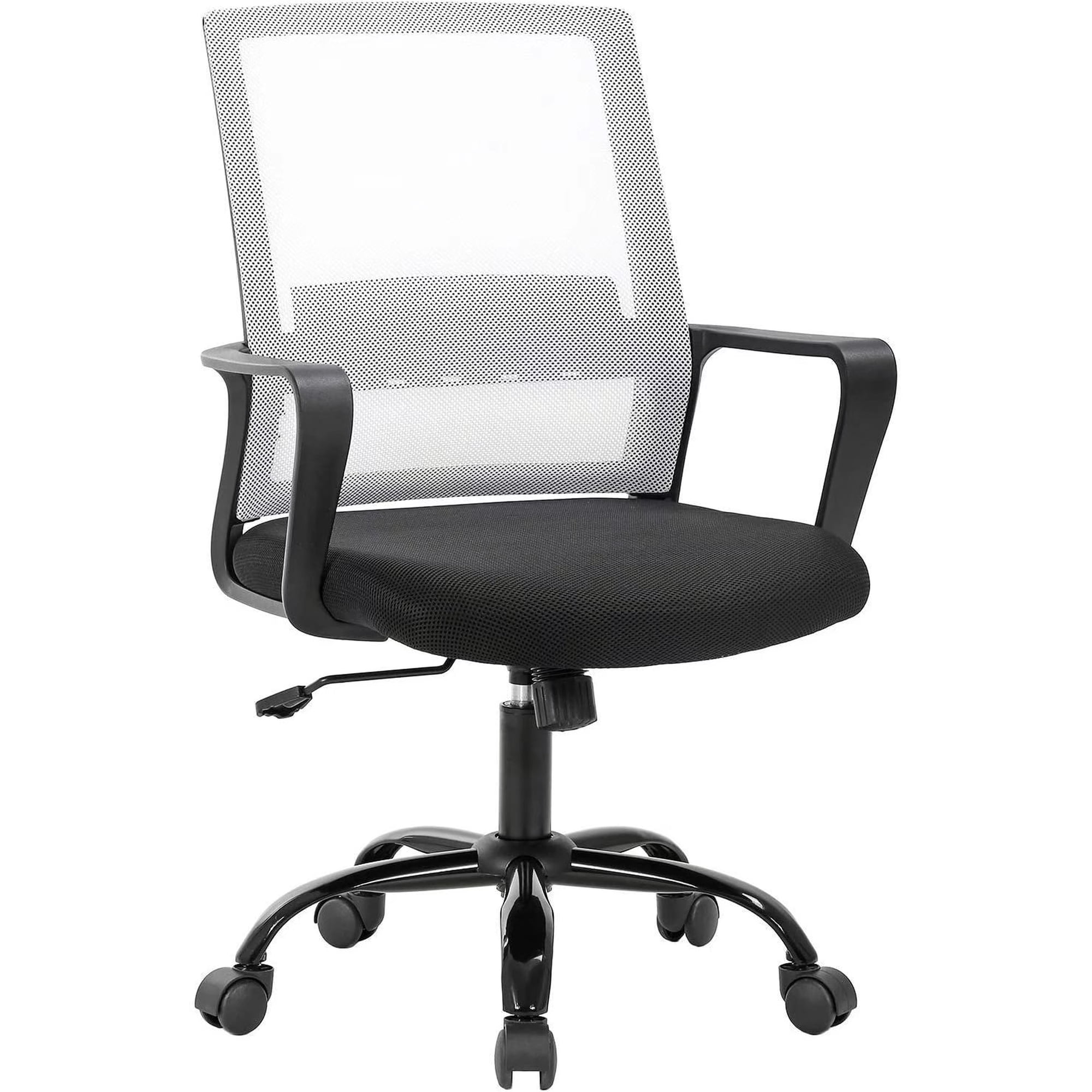
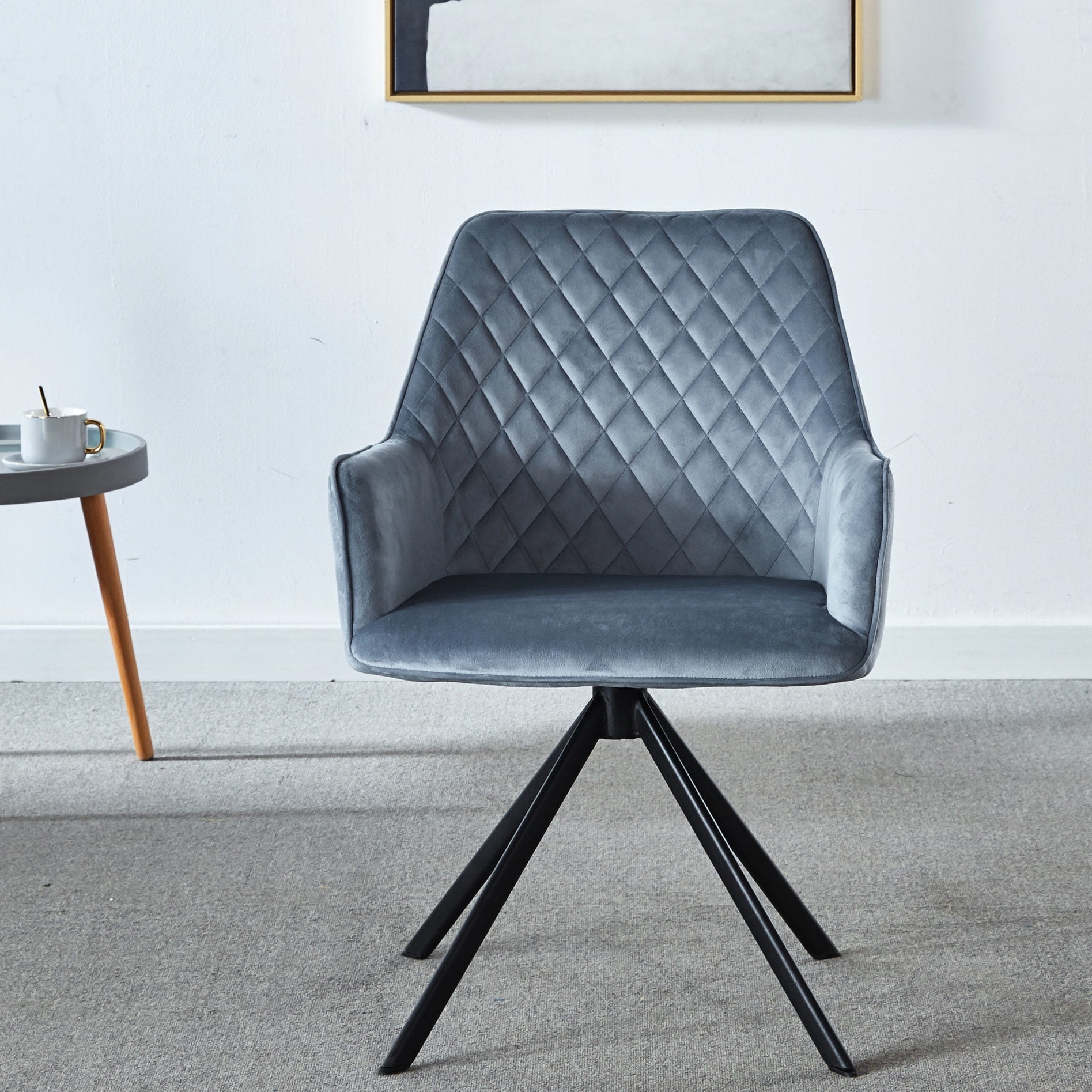
If you spend more than six hours a day sitting, your office chair is not just a piece of furniture. It is your primary tool for staying healthy and productive. An office chair with good back and neck support acts as a silent partner, helping you maintain proper posture and reducing the risk of chronic pain.
Ergonomic Insight: Studies show that poor sitting posture can increase spinal pressure by up to 40%. Investing in a chair with proper lumbar and cervical support can reduce discomfort by over 60% and significantly improve focus and energy levels.
The Anatomy of a Supportive Office Chair
What exactly should you look for in a chair to ensure it offers good back and neck support? It's more than just a padded seat. Here are the critical components:
- Adjustable Lumbar Support: A must-have for supporting the natural inward curve of your lower back. The ideal chair allows you to adjust both the height and depth of the lumbar support for a custom fit.
- High Backrest and Contoured Headrest: A chair that extends to your shoulders and includes a headrest provides essential support for your neck and upper back. This helps combat the dreaded 'forward head' posture.
- Dynamic Recline Mechanism: Look for a chair that allows your back to recline while still providing support. A synchronized tilt mechanism lets your body move naturally, reducing pressure on your spine.
- Adjustable Armrests: When your arms are properly supported, the weight is taken off your shoulders and neck. 3D or 4D armrests allow for width, height, and angle adjustments.
- Seat Depth and Angle: A seat with adjustable depth ensures that you can sit with your back against the backrest while leaving a few inches between the edge of the seat and the back of your knees.
Comparing Support Mechanisms: A Quick Guide
The type of support system in a chair can drastically affect your comfort. Below is a comparison of common support features found in top-rated chairs for back and neck health:
| Feature | Impact on Back & Neck | Key Consideration |
|---|---|---|
| Static Lumbar | Provides fixed, basic lower back support. | May not fit all body types perfectly; best for short-term use. |
| Adjustable Lumbar | Allows precise curve matching for optimum spine alignment. | Look for independent height and depth adjustments for a personalized fit. |
| Integrated Headrest | Supports the neck and head, reducing muscle strain. | Ensure it can be angled to support the natural curve of your neck. |
| Dynamic Tilt Mechanism | Promotes movement, reducing static muscle tension. | Look for adjustable tilt tension to match your body weight and preference. |
| 4D Armrests | Supports the arms and shoulders, relieving neck tension. | More adjustment points (height, depth, angle, width) provide better support. |
The Ergonomic Connection: How Support Translates to Health
You might be wondering, "Can a chair really make that much of a difference?" The answer is a resounding yes. An office chair with good back and neck support is your first line of defense against a host of workplace ailments:
Reduced Muscle Fatigue
Proper support prevents muscles from overworking to maintain posture, reducing fatigue and soreness.
Enhanced Concentration
When you're not fidgeting from discomfort, your brain can focus entirely on the task at hand, boosting productivity.
Long-term Spine Health
Good posture today prevents degenerative spine issues and chronic back pain tomorrow.
Improved Breathing
An upright, supported posture opens your chest cavity, allowing for deeper, more efficient breathing and better energy levels.