

Why Your Next Office Chair Needs Adjustable Neck Support
In today's digital world, many of us spend an alarming amount of time hunched over our desks, peering at screens. This prolonged, static posture is a leading cause of neck pain, a condition often referred to as "tech neck" or "text neck." While a good ergonomic office chair addresses the back and hips, the often-overlooked adjustable neck support is the key to truly comprehensive comfort and spinal health.
Research Insight: Studies show that for every inch your head moves forward, the weight your neck must support increases by approximately 10 pounds. An office chair with proper neck support helps to counteract this gravitational pull, maintaining a neutral spine and reducing the risk of chronic neck and shoulder pain.
The Dangers of Forgetting Your Neck
Many traditional office chairs feature a high back but lack proper support for the neck. This often forces users to crane their necks forward to see the screen, leading to a cycle of discomfort and fatigue. The neck, or cervical spine, naturally has a slight "C" curve. When this curve is compromised, it can lead to:
- Muscle Strain: Overworked neck and shoulder muscles.
- Headaches: Tension headaches originating from the base of the skull.
- Reduced Focus: Pain is a significant distraction, reducing productivity.
- Long-term Issues: Potential for chronic conditions like herniated discs or nerve compression.
Key Features of an Adjustable Neck Support System
Not all neck supports are created equal. When shopping for your new office chair, keep an eye out for these crucial features to ensure you get the support you need.
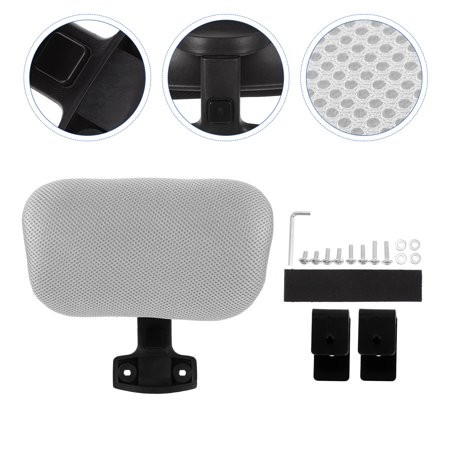
- 4-Way Adjustability: The gold standard. It allows for both vertical (height) and horizontal (depth/angle) adjustments. This precision ensures the support cradles the curve of your neck correctly.
- Independent Mechanism: Look for a neck support that adjusts independently of the backrest. This provides more targeted and customized support.
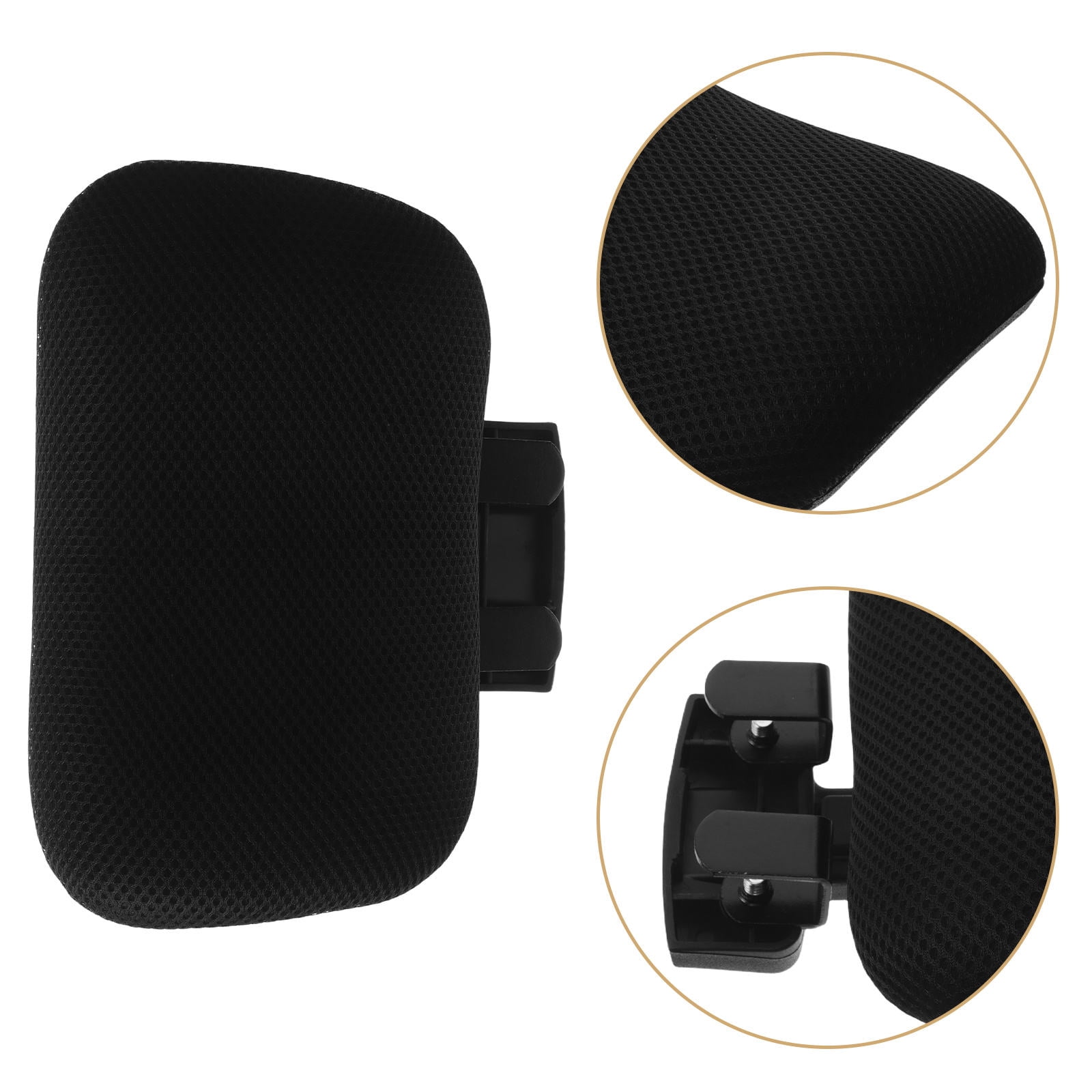
- Quality Padding: Whether it's memory foam, high-density fabric, or breathable mesh, the material should feel supportive without being too hard.
- Ergonomic Curve: The support should be slightly curved to follow the natural shape of your upper spine.
Ergonomic Guide: Adjusting Your Chair's Neck Support
An adjustable neck support is only effective if it's set up correctly. Follow these steps to get the most out of your chair:
| Step | Action | Why It Matters |
|---|---|---|
| 1. Find Your Posture | Sit back in the chair with your back against the lumbar support. | This establishes your baseline position and prevents you from hunching forward. |
| 2. Position the Base | Adjust the height so the support aligns with the base of your skull. | It should cradle your neck, not force your head forward or push it back. |
| 3. Angle the Support | Tilt the support until it makes light contact with your neck without pushing your head forward. | This reduces muscle fatigue by supporting the weight of your head. |
| 4. Check Your Position | Your ears should be aligned with your shoulders. | This confirms that your head is in a neutral, balanced position. |
| 5. Micro-Adjustments | Spend a few days making small tweaks to find the perfect "sweet spot." | Comfort is subjective; perfecting it takes a bit of trial and error. |
Types of Neck Support Materials
When selecting an office chair with adjustable neck support, the material plays a pivotal role in the overall comfort and longevity of the product. Here's a breakdown of the most common materials used in high-quality neck supports.
Breathable Mesh
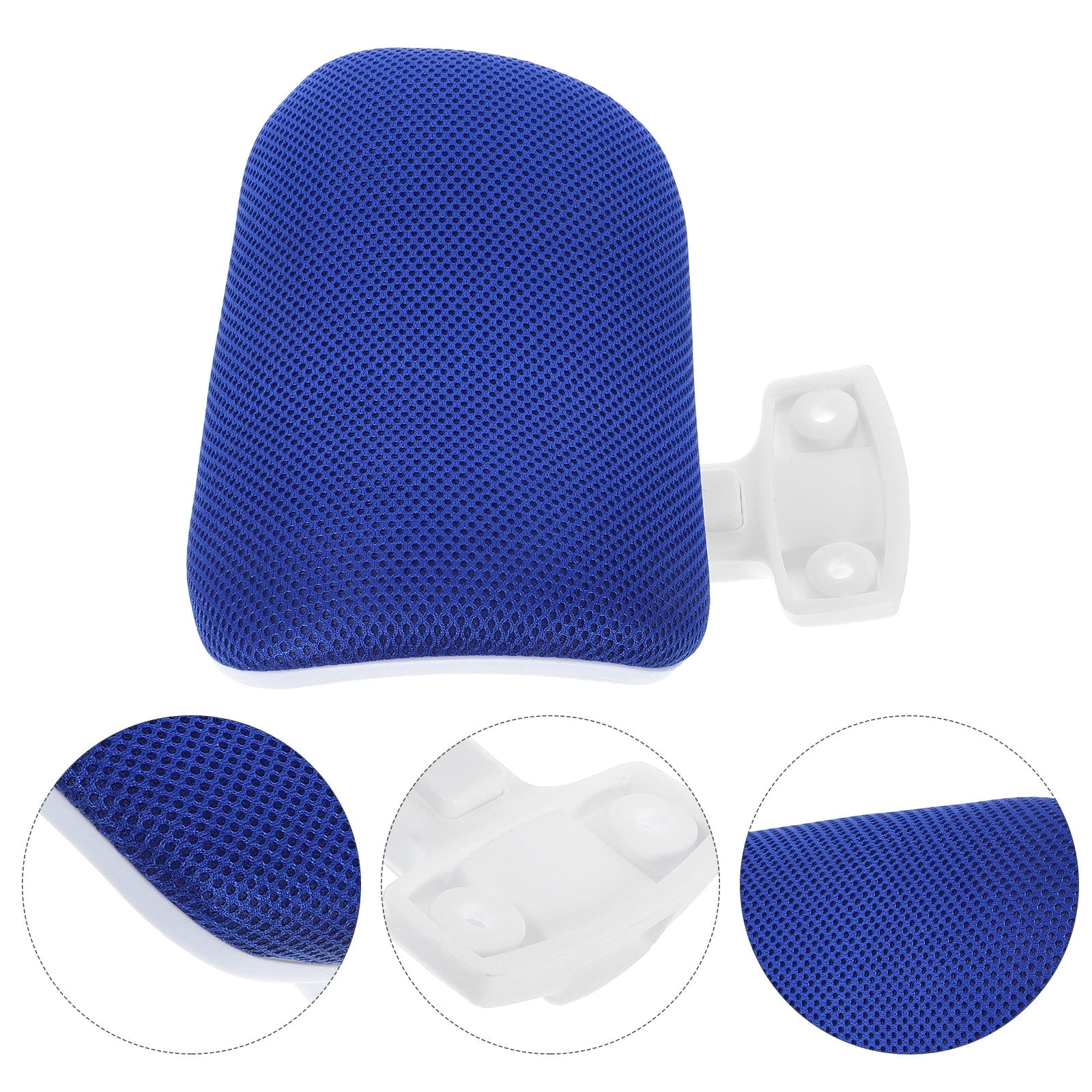
- Airflow: Exceptional breathability, preventing sweat and heat buildup, especially in warm climates.
- Flexibility: Conforms to the shape of your neck, offering a dynamic support system.
- Easy Maintenance: Simple to wipe down and keep clean.
- Lightweight: Often lighter than padded alternatives.
Limitations
- Firmness: Some may find mesh less plush than padded options.
- Durability: Can sometimes show wear faster than high-grade leather.
Premium Leather & Fabric
- Luxury Comfort: Provides a soft, supportive, and plush feel for the user.
- Sophisticated Aesthetics: Often conveys a more executive or high-end professional look.
- Durability: High-quality leather is known for its long lifespan with proper care.
- Warmth: Can be more comfortable in cooler environments.
Limitations
- Heat Retention: Can trap heat and become uncomfortable in summer months.
- Maintenance: Leather requires regular conditioning to prevent cracking.
- Cost: Premium leather options usually carry a higher price tag.
Frequently Asked Questions About Adjustable Neck Support
Conclusion: Invest in Your Comfort and Health
The modern workday is a marathon for your body, and your posture is the most important asset you can protect. Investing in a high-quality office chair with adjustable neck support is a strategic decision to enhance your daily productivity and long-term health.
By selecting a chair with the right features, adjusting it to your unique body, and understanding the materials available, you can create a workspace that is not only more comfortable but also significantly healthier. Don't let neck pain be a barrier to your success. Use our guide to find the perfect ergonomic chair and make your comfort a top priority.
Your Path to a Pain-Free Workday
Look for chairs with 4-way neck support adjustments. This ensures the chair fits your body, not the other way around.
Consider your environment. Mesh is great for hot offices, while leather offers a more premium, plush feel in cooler climates.
Simply having an adjustable support isn't enough. Use our step-by-step guide to correctly position the support for maximum benefit.