
Why an Office Chair Warehouse is Your Smartest Buying Move
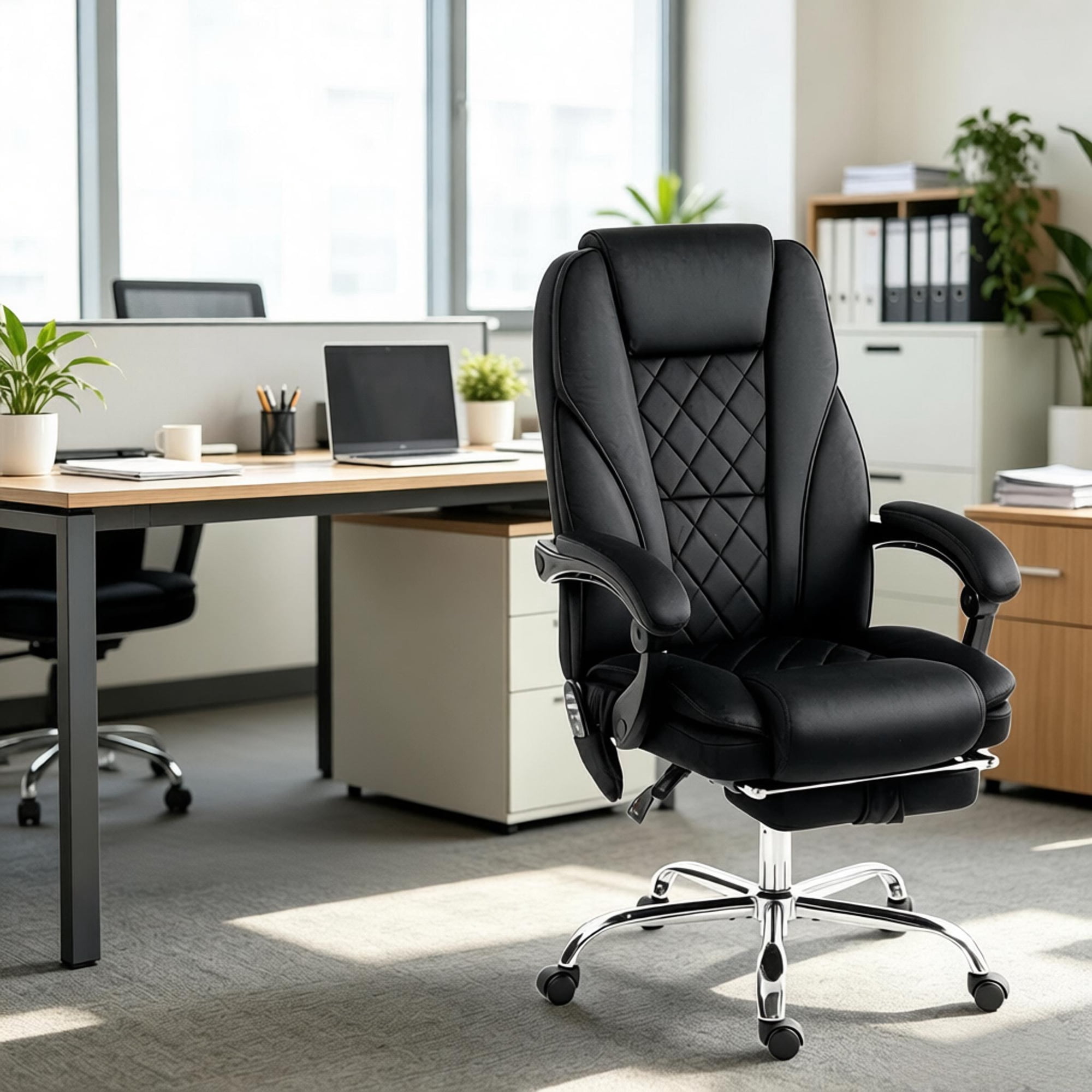
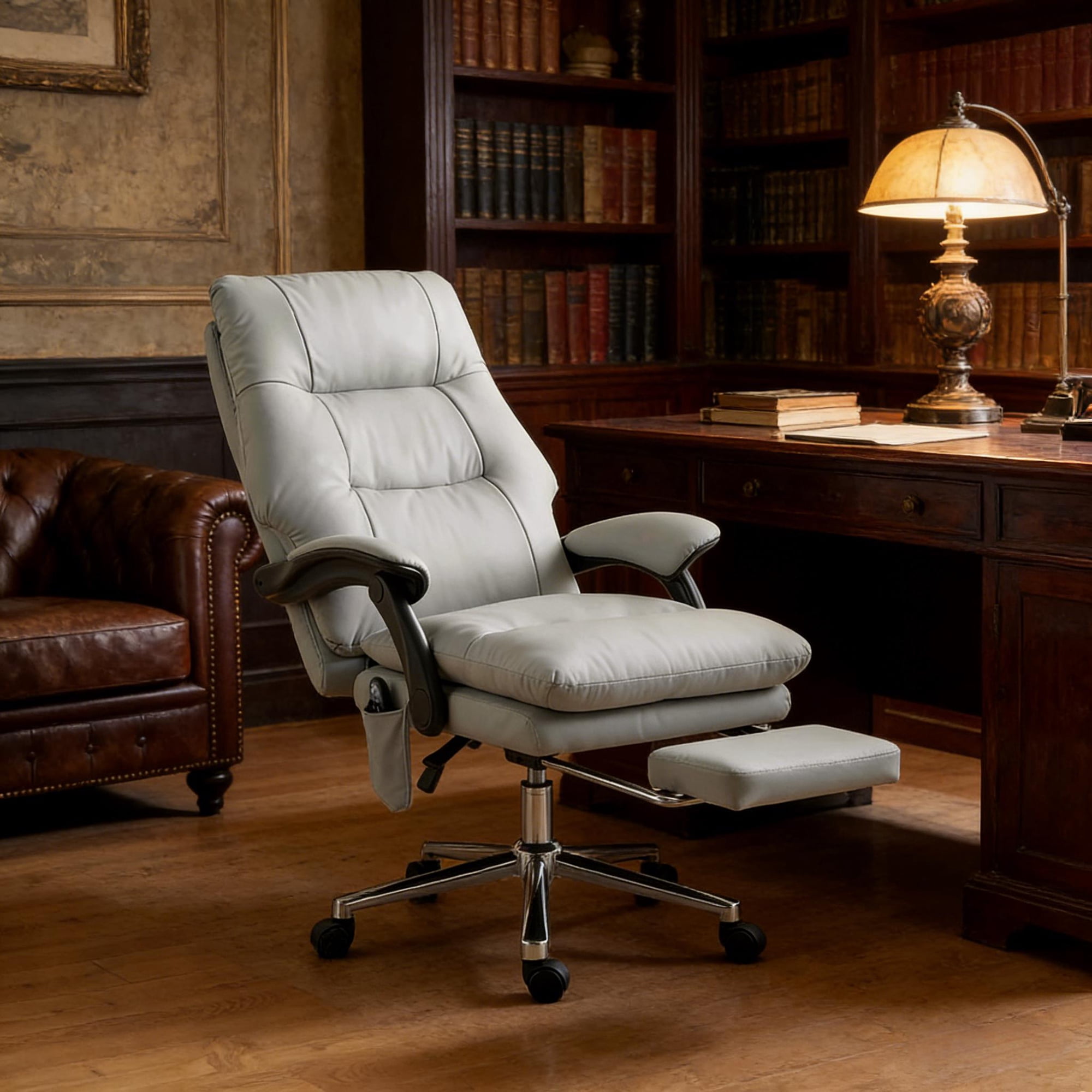
Imagine walking into a massive space filled with rows of office chairs—from sleek task models to plush executive thrones. That is the essence of an office chair warehouse: a hub of selection, value, and immediate availability. But beyond the metaphor of a "candy store for office furniture," choosing a warehouse for your seating needs offers distinct advantages that standard retail often can't match.
Warehouse Insight: According to industry data, businesses that purchase office furniture from warehouse distributors save an average of 30-40% compared to boutique furniture stores, especially on bulk orders of 10+ units. The trade-off? You often assemble the chairs yourself, which keeps costs low.
The Warehouse Advantage: More Than Just Low Prices
When you think "warehouse," you might picture concrete floors and pallets. But modern office chair warehouses are streamlined operations focused on one thing: getting you the right chair quickly and cost-effectively. Here is what sets them apart:
- Massive Inventory Depth: Warehouses stock hundreds of units, meaning popular models rarely run out of stock. Need 25 identical chairs for a call center? A warehouse can usually fulfill that from existing stock.
- Commercial-Grade Focus: Many warehouses cater to businesses, so they carry chairs with heavy-duty gas lifts, reinforced bases, and contract-grade fabrics that withstand 24/7 use.
- Immediate Fulfillment: Unlike made-to-order retailers, warehouses ship within 24-48 hours. Some even offer local pickup—ideal for last-minute office setups.
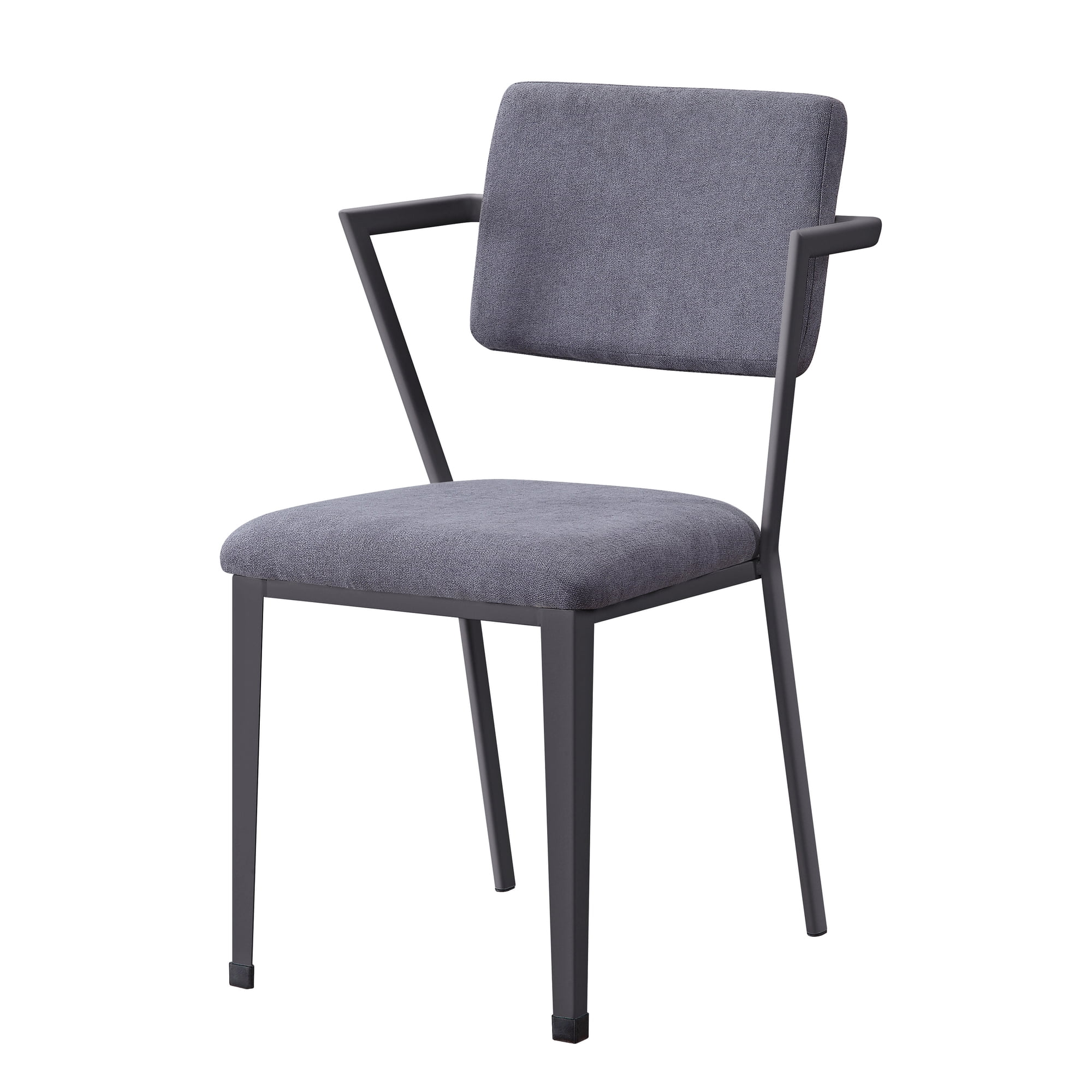
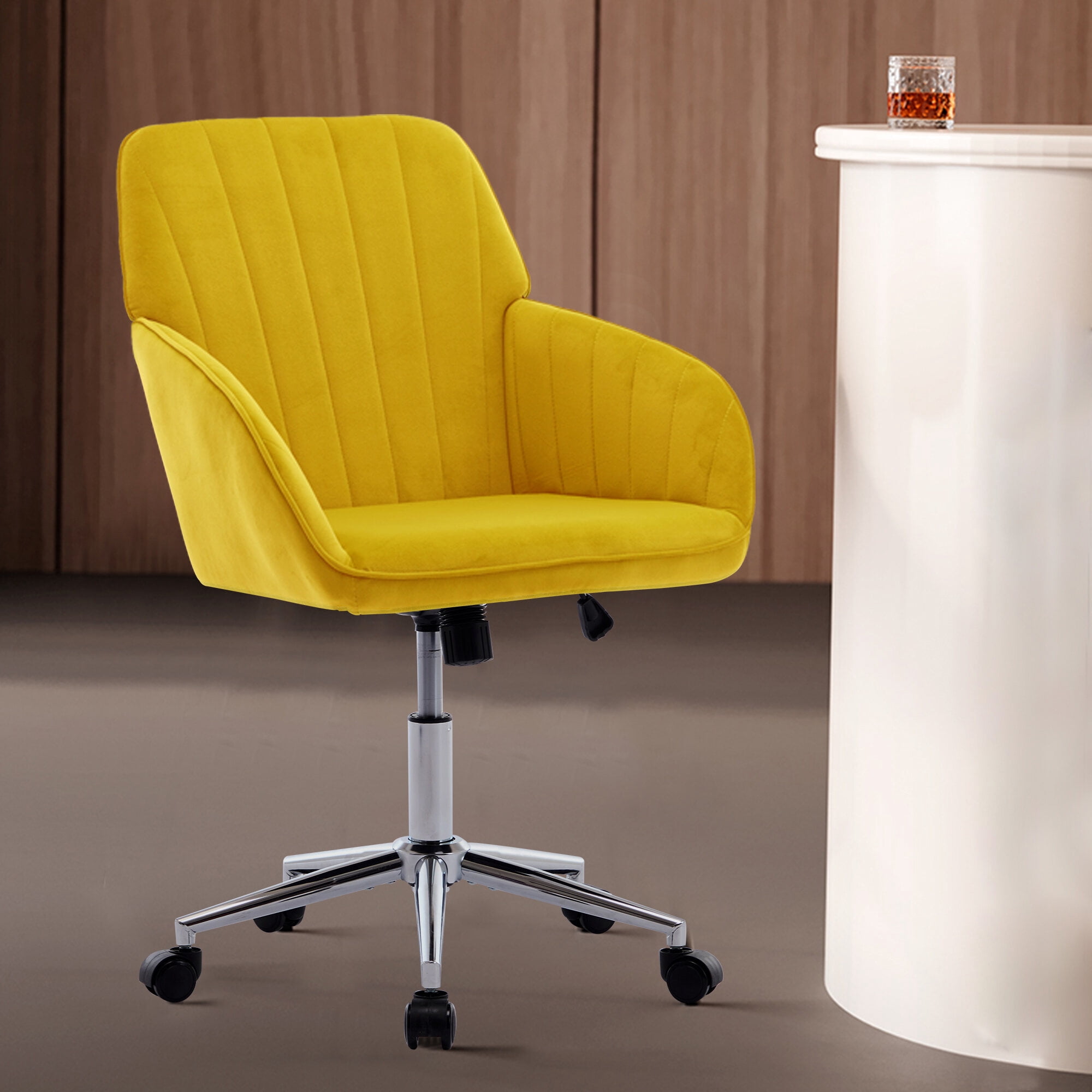
- Price Tiers for Every Budget: From budget-friendly stackable guest chairs to premium ergonomic task chairs, warehouses organize seating by price and function, making comparison easy.
Navigating the Warehouse: Understanding "Tiers" of Office Chairs
Warehouses often group chairs into practical tiers based on usage. Think of it like a home improvement store—you have contractor-grade, pro-sumer, and entry-level. Here is a breakdown of typical warehouse seating tiers:
Best for: Daily desk work, data entry, cubicles.
Features: Pneumatic height adjustment, swivel, basic lumbar, casters. Often mesh or fabric.
Typical Price Range (Wholesale): $80 - $200 per chair.
Best for: Managers, home offices, extended sitting.
Features: Adjustable arms, tilt tension, better lumbar support, breathable mesh backs.
Typical Price Range (Wholesale): $200 - $400 per chair.
Best for: Executives, private offices, client meetings.
Features: Premium upholstery (leather or bonded leather), headrest, deep padding, polished aluminum base.
Typical Price Range (Wholesale): $400 - $800+ per chair.
Best for: Users requiring higher weight capacity (400lbs+).
Features: Reinforced frames, wider seats, heavy-duty mechanisms, steel base.
Typical Price Range (Wholesale): $350 - $700 per chair.
Bulk Buying Decoded: How to Save Big When Outfitting an Office
If you're equipping an entire floor, the warehouse model shines. But "bulk" doesn't always mean a truckload. Even ordering 6 chairs for a small office can trigger discounts. Here's a step-by-step approach to maximize warehouse savings:
- Assess Your Needs by Zone: List how many chairs you need for private offices, open workstations, conference rooms, and reception. Different zones often require different chair types (e.g., guest chairs for conference, task chairs for desks).
- Request a Quote (Even if Prices Are Listed): Many warehouses have unadvertised bulk discounts. Provide them with your SKU list and quantities—you might be surprised by a 15-20% price adjustment.
- Check for "White Glove" vs. "Pallet" Delivery: Pallet delivery (chairs stacked on a pallet at your loading dock) is cheaper but requires you to move boxes inside. White glove includes room placement and assembly. Know which you need.
- Consider Mix-and-Match: Some warehouses offer discounts on mixed orders. For example, order 10 different chair models for different departments and still get a volume discount.
- Inquire About Returns on Bulk Orders: Ensure you understand the return policy. While single chairs might be easily returnable, bulk custom orders may have restocking fees.
Data point: A 2023 office manager survey revealed that 68% of bulk buyers regretted not asking about "floor sample" discounts. Warehouses often sell display models at 40-60% off—perfect for break rooms or less-trafficked areas.
Warehouse-Exclusive Series: What You Might Not Find in Retail Stores
Here is an insider tip: many warehouses carry "commercial series" or "facility manager favorites" that aren't advertised on consumer-facing websites. These chairs focus on replaceable parts and standardized components. For instance, a warehouse might stock a specific task chair model for five years, ensuring you can buy matching replacements or spare parts (casters, gas lifts) long after the initial purchase. This "continuity" is a hidden gem for facility managers.
Condition of Warehouse Chairs: New, Open-Box, or Refurbished?
One common question is about the condition. Reputable office chair warehouses clearly label their inventory. You'll typically find:
- New in Box (NIB): Factory-sealed, full warranty. This is the majority of stock.
- Open-Box / Customer Returns: Often discounted 20-40%, checked for functionality, may have minor cosmetic blemishes. Great for personal use.
- Refurbished by Manufacturer: Less common, but some warehouses partner with manufacturers to sell certified refurbished high-end chairs (like Steelcase or Herman Miller) at deep discounts.
- Floor Samples: Usually one-of-a-kind, heavily discounted. Perfect if you need a single unique chair.
Always check the product condition filter on the warehouse website—it can save you a bundle.
Logistics & Delivery: What to Expect When Ordering from a Warehouse
Ordering from a warehouse often feels different than a standard Amazon delivery. Here’s what to anticipate:
- Freight Shipping for Large Orders: Orders over a certain weight or volume ship via freight carrier. This means scheduling a delivery window and having a way to get heavy boxes inside.
- Curbside vs. Inside Delivery: Curbside drops the pallet at your driveway or loading dock. Inside delivery brings boxes inside your first doorway (for an extra fee).
- Assembly Requirements: Be prepared to assemble chairs. Warehouses rarely offer assembly, but third-party services like "TaskRabbit" or local handymen can handle it. Some warehouses partner with local assembly pros—ask when ordering.
- Lead Times: Because warehouses hold stock, lead times are short—often 3-7 business days for delivery, even for large orders.
Decoding Warehouse Jargon: A Quick Glossary
When talking to a warehouse sales rep, these terms will help you sound like a pro and get what you need:
- SKU Rationalization: The process of standardizing on a few chair models across your entire organization to simplify reordering and parts inventory.
- Backorder: An item not currently in stock. Warehouses aim for zero backorders—ask if an item is "in stock" before ordering.
- Truckload (TL) vs. Less-than-Truckload (LTL): TL is a full truck (massive orders); LTL is smaller shipments that share truck space—more common for offices.
- Slip Sheet: A thin cardboard layer between pallet layers; not a problem, just means chairs are stable.
- BIFMA Level: A certification for furniture sustainability and durability. Many warehouse commercial chairs meet BIFMA standards—look for it if you need long-lasting gear.
Frequently Asked Questions About Office Chair Warehouses
Final Thoughts: Is an Office Chair Warehouse Right for You?
Whether you're a facility manager ordering for 100 employees, a startup founder furnishing a new loft, or a home user seeking a specific ergonomic model without waiting weeks, an office chair warehouse offers a compelling mix of value, speed, and variety. The key is knowing how to navigate the inventory—understanding tiers, asking about bulk discounts, and being prepared for some assembly. Think of it as the "Costco of office chairs": you might need to buy in slightly larger quantities or pack it yourself, but the savings and selection are hard to beat.
Our recommendation? Start with the product grid above (powered by real-time Walmart warehouse inventory) to see current deals. Then, use the guides in this article to make an informed choice. Happy seating!