
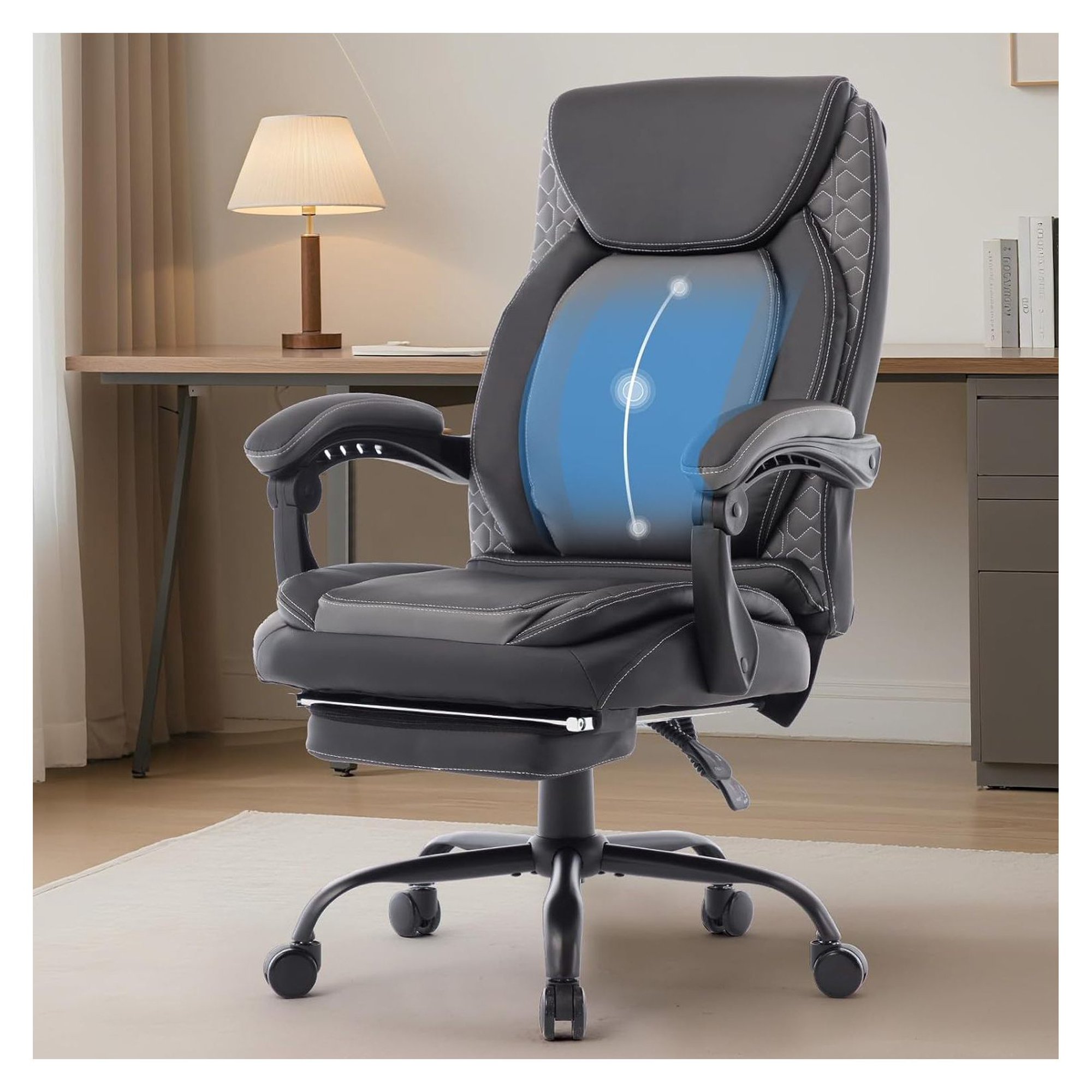
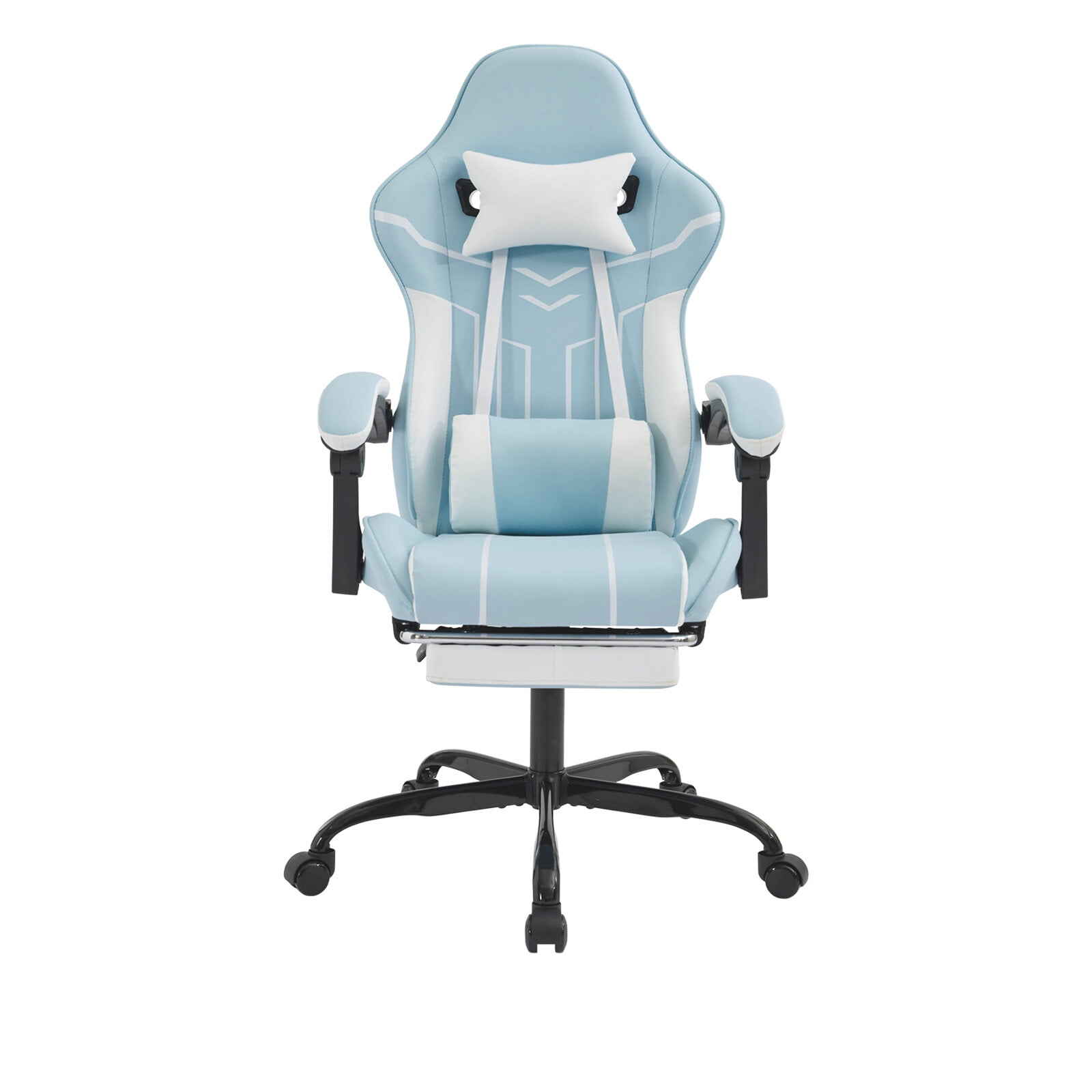
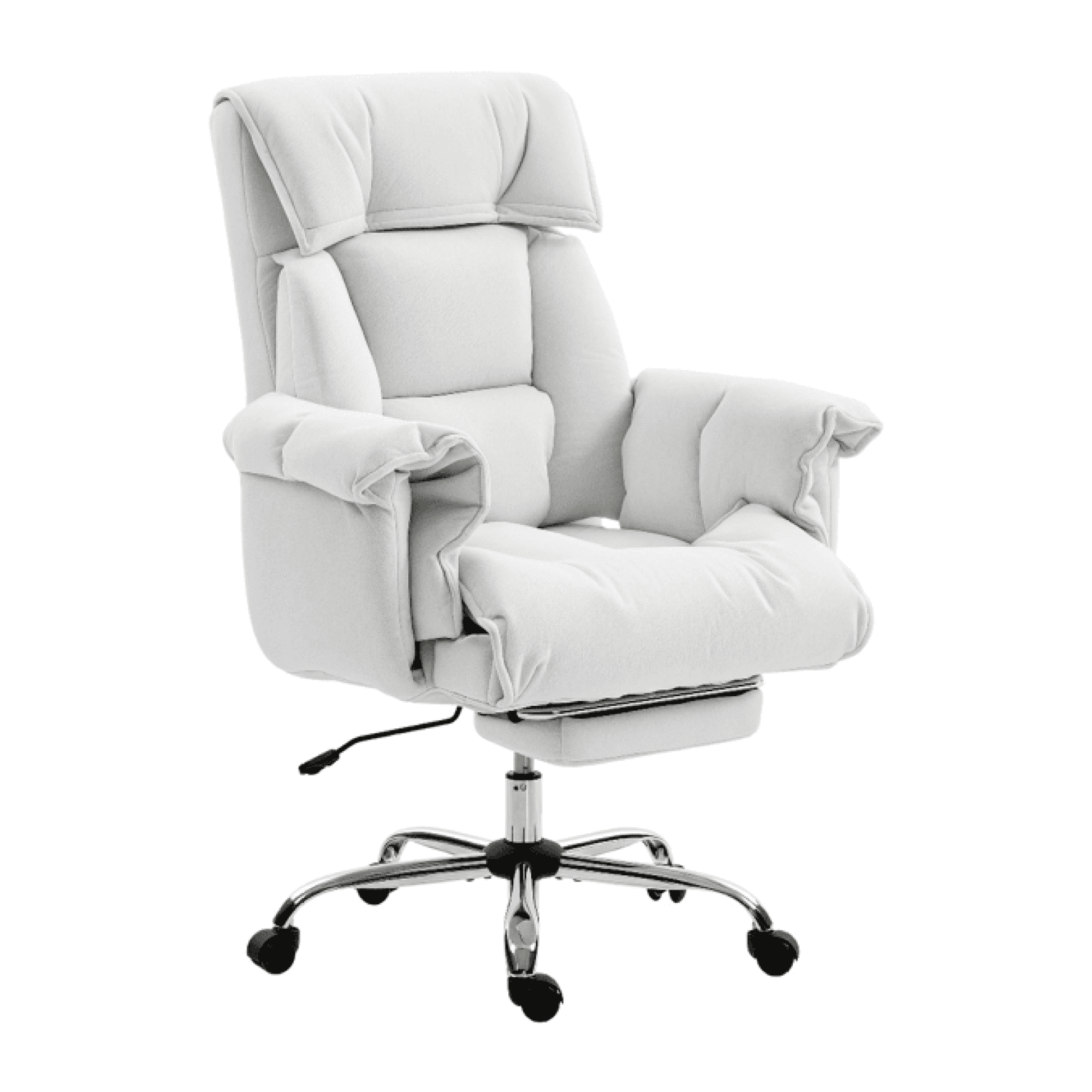
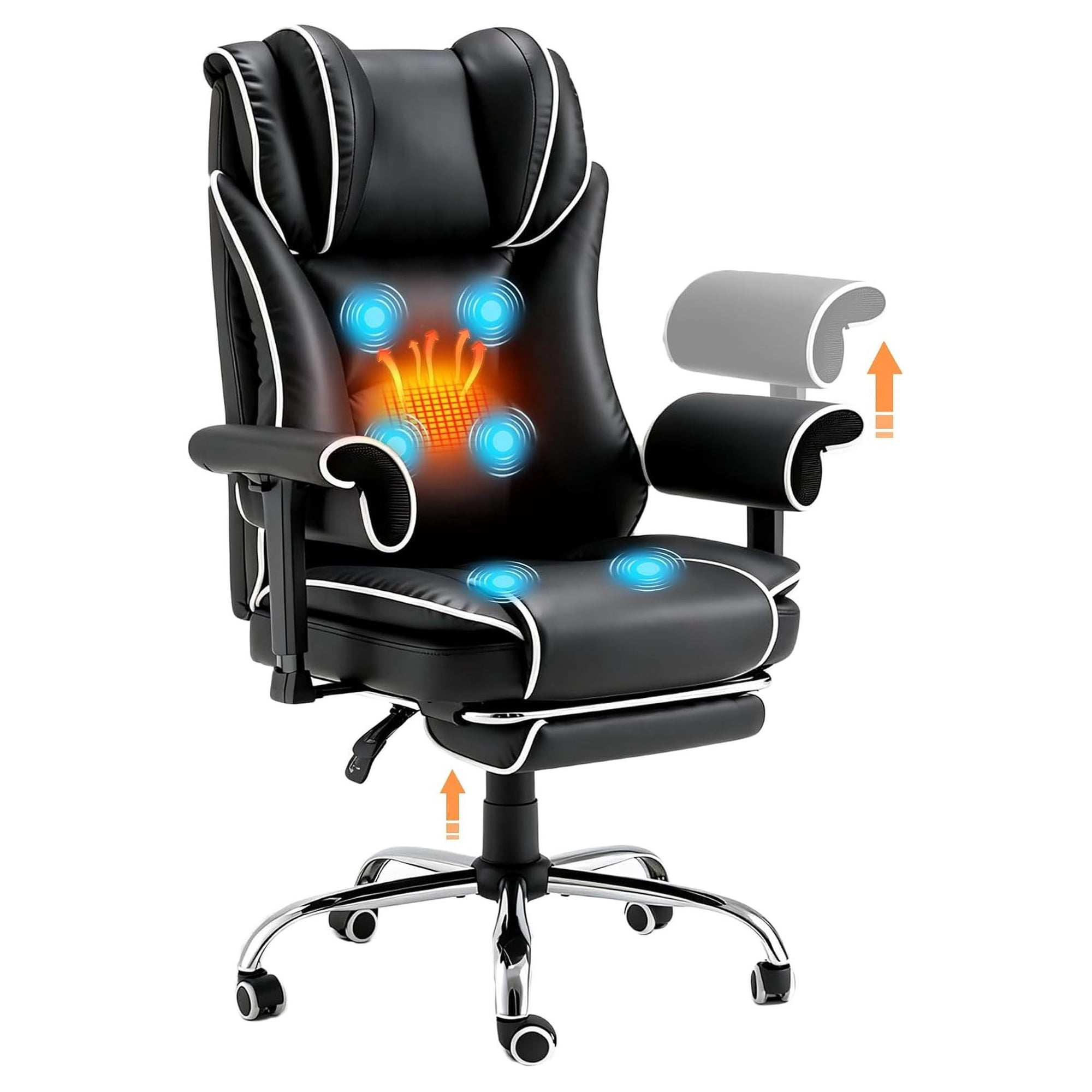
Why Foot Support Is a Non-Negotiable for Your Office Chair
When we talk about ergonomic office chairs, much attention goes to lumbar support, seat cushion, and armrests. However, one critical component often overlooked is foot support. Your feet act as the base of your entire kinetic chain. When they dangle or rest improperly, it forces your pelvis to tilt backward, collapsing the natural curve of your spine. This leads to a domino effect: slouched shoulders, neck strain, and eventual back pain.
Ergonomic Insight: According to occupational health research, up to 78% of office workers experience some form of lower back or leg discomfort linked to poor foot positioning. Adding a simple footrest or utilizing a chair with a foot ring can reduce lower back strain by nearly 40% and improve productivity by reducing physical distractions.
Types of Office Chair Foot Support Solutions
Not all foot supports are created equal. Understanding the different options helps you choose the perfect fit for your body and workspace.
- Under-Desk Footrests: Freestanding platforms placed on the floor. They come in adjustable height, angled, or rocking designs. Ideal for standard office chairs that lack integrated foot rings.
- Built-in Foot Rings: Circular bars attached to the chair's base, common on drafting stools and high-task chairs. They provide a fixed rest but lack adjustability.
- Rocking & Wobble Footrests: Dynamic supports that allow subtle foot movement, promoting circulation and engaging core muscles. Perfect for those who fidget or sit for long periods.
- Memory Foam Cushion Footrests: Soft, supportive blocks that provide comfort while encouraging correct foot angle. Often used for shorter desks or individuals who prefer a cushioned feel.
- Heel Support & Foot Slings: Newer ergonomic accessories that cradle the heel or allow feet to swing gently, reducing pressure on the back of the thighs.
Key Ergonomic Benefits of Proper Foot Positioning
Improved Spinal Alignment
When feet are flat and supported, your pelvis remains neutral, preserving the natural lumbar curve. This prevents the “C” curve slouch that causes chronic back issues.
Enhanced Circulation
Dangling feet compress the back of the thighs, restricting blood flow. A footrest relieves this pressure, reducing numbness, tingling, and swelling in the legs.
Reduced Fatigue
Supporting your feet lowers muscle tension in the legs and lower back, allowing you to concentrate longer without shifting uncomfortably.
Dynamic Micro-Movements
Rocking footrests encourage subtle leg movements that keep joints lubricated and muscles active, reducing the risks of sedentary behavior.
How to Choose the Right Foot Support for Your Needs
Selecting the ideal foot support depends on your height, desk setup, chair type, and personal comfort preferences. Follow this step-by-step approach to find your match.
Step 1: Assess Your Current Seating Posture
- Check your knee angle: When seated, your knees should be bent at roughly 90 degrees, with thighs parallel to the floor. If your feet don't touch the ground, you need foot support.
- Observe your lower back: Is there a gap between your lumbar curve and the chair? Poor foot support often leads to posterior pelvic tilt, increasing this gap.
- Note any discomfort: Frequent leg numbness, lower back ache, or a tendency to tuck your feet under the chair indicates missing foot support.
Step 2: Measure Your Desk-to-Floor Gap
- Standard desks: Approximately 29 inches high. If your chair is set to the proper height (elbows at 90 degrees), your feet may hover.
- Height requirement: Measure from the floor to the bottom of your thigh when seated. This is the minimum footrest height needed.
- Adjustable footrests: Look for models offering at least 4–8 inches of height adjustment to accommodate various desk and chair setups.
Step 3: Choose the Right Type Based on Work Style
• Sedentary desk job (8+ hours): Opt for a rocking or wobble footrest to promote movement. Memory foam models also provide long-term cushioning.
• Sit-stand desk user: Choose a lightweight, portable footrest with a non-slip base that you can slide under the desk when sitting and remove when standing.
• Drafting or tall chair: Ensure the chair has a durable, wide foot ring positioned at the correct height for your leg length. Some models allow foot ring height adjustment.
Step 4: Consider Material & Durability
- Plastic with textured surface: Easy to clean, durable, and provides grip for shoes or bare feet.
- Wood or bamboo: Aesthetic appeal for home offices, but ensure it has a non-slip pad.
- Memory foam with washable cover: Maximum comfort, ideal for those who remove shoes while working.
- Metal frame footrests: Heavy-duty stability for users over 250 lbs or high-use environments.
Comparison of Popular Foot Support Styles
| Foot Support Type | Best For | Key Benefit | Typical Price Range |
|---|---|---|---|
| Adjustable Height Footrest | Users with varying desk heights, multiple workstations | Customizable angle & height, supports dynamic posture | $30 - $80 |
| Rocking/Wobble Footrest | Active sitters, those with restless legs | Improves circulation, engages lower body muscles | $40 - $90 |
| Memory Foam Footrest | Barefoot workers, people with sensitive feet | Pressure relief, soft comfort | $25 - $60 |
| Built-in Foot Ring (Drafting Chair) | Standing-height desks, creative professionals | Integrated stability, space-saving | Included with chair ($200+ chairs) |
| Under-Desk Foot Hammock | People who prefer to swing feet, small spaces | Minimalist, adjustable strap tension | $20 - $45 |
Health Impact: More Than Just Comfort
Investing in a quality foot support isn't merely about comfort; it's a health investment. Poor foot positioning has been linked to:
- Chronic lower back pain due to sacroiliac joint stress.
- Varicose veins from prolonged venous stasis in the legs.
- Hip flexor tightness that leads to reduced mobility over time.
- Increased fatigue and cognitive drain because your body constantly corrects imbalance.
Conversely, a proper footrest promotes active sitting. Even subtle rocking movements keep your spine nourished and engaged, reducing the risks associated with sedentary work. A 2021 study in the Journal of Occupational Health found that participants using adjustable footrests reported 32% less leg discomfort and 27% improvement in concentration by mid-afternoon compared to those without support.
Frequently Asked Questions About Office Chair Foot Support
Conclusion & Final Recommendations: Step Up Your Seating Game
Your feet are the unsung heroes of ergonomic seating. Overlooking them can undermine the benefits of even the most expensive executive chair. Whether you choose a dynamic rocking footrest to keep your body active, a memory foam cushion for plush comfort, or an adjustable platform for precision, the right foot support will elevate your workday experience.
Quick Summary: Best Foot Support Based on User Profile
Remember, the goal is to achieve a neutral posture where your hips, knees, and ankles are at comfortable angles. Adding a foot support isn't just an accessory—it's a foundational element of ergonomic health. Explore the products above to find the perfect match for your workspace and feel the difference proper foot support can make.