
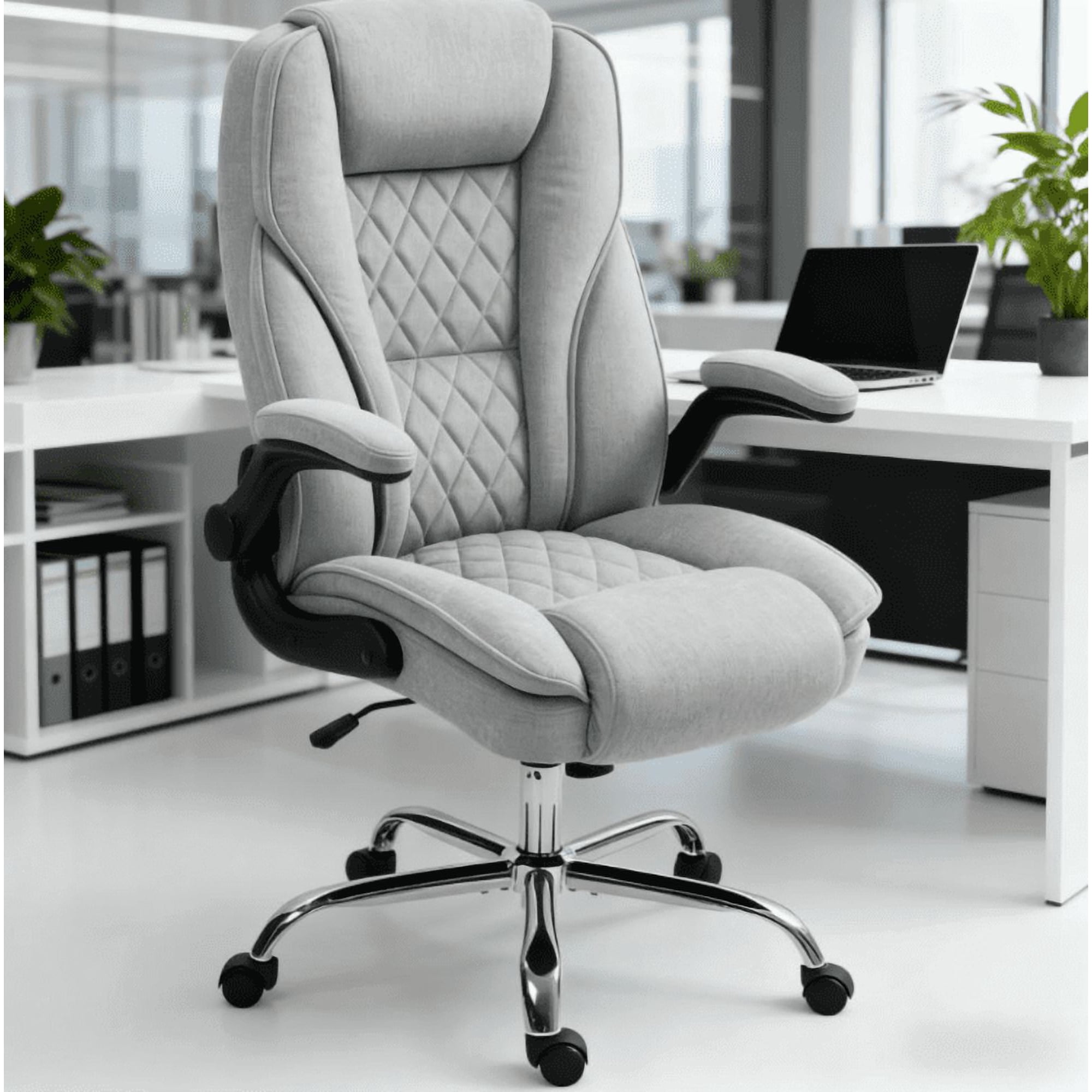

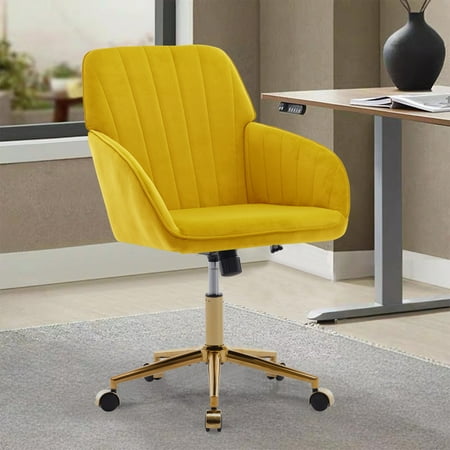
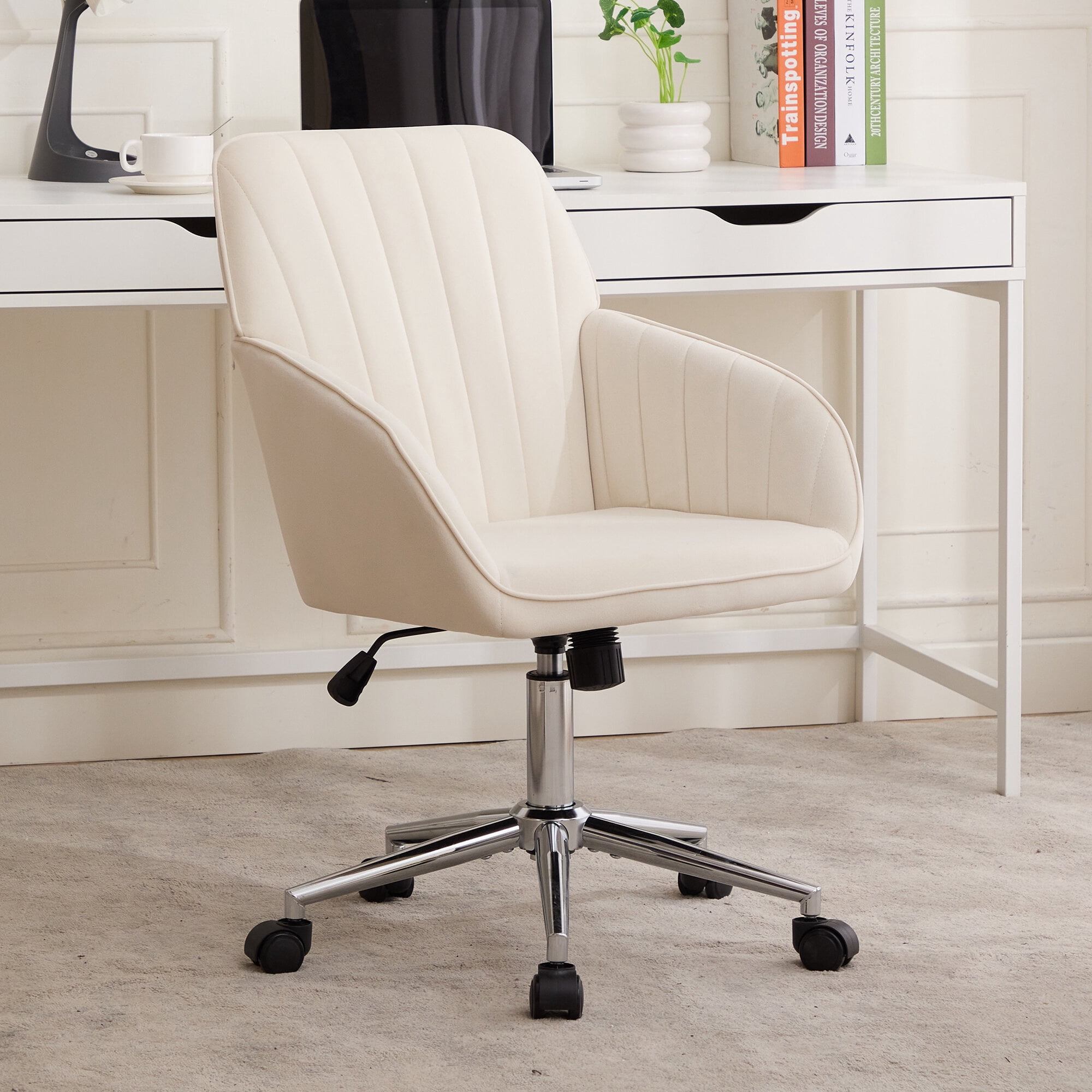
Why the Most Popular Ergonomic Office Chairs Are a Smart Investment
In today's hybrid work environment, your office chair is the epicenter of productivity and well-being. The most popular ergonomic office chairs aren't just about style—they're engineered to reduce fatigue, improve focus, and adapt to your unique body mechanics. Industry data shows that professionals using advanced ergonomic seating report 28% less discomfort by the end of the workday, translating directly to sharper decision-making and sustained energy.
Ergonomics in action: A study from the Human Factors and Ergonomics Society revealed that adjustable lumbar support and seat depth customization reduce spinal loading by over 35%, making these chairs a preferred choice for software engineers, executives, and creative directors alike.
What Defines a "Top-Rated" Ergonomic Chair?
Popularity in the ergonomic category is driven by a fusion of science-backed features and real-world user satisfaction. Here are the non-negotiable elements that set market leaders apart:
- Dynamic Lumbar Mechanism: Instead of fixed cushions, top chairs offer adjustable depth and height that move with you, maintaining spine curvature even during recline.
- Breathable Material Innovation: Multi-layer mesh or hybrid fabric that dissipates heat while providing firm yet flexible support.
- Micro-Adjustability: 4D armrests (height, width, pivot, depth), seat angle, and tension control allow personalized fit within seconds.
- All-Day Testing Certification: Many popular models are BIFMA certified and tested for 24/7 use, ensuring mechanical reliability under continuous sitting.
Active Seat Technology
Leading ergonomic chairs incorporate a slight forward tilt or multi-surface seat that promotes pelvic rotation and core engagement. This micro-motion prevents stiffness, keeping blood flowing even during marathon meetings.
Headrest Integration
Popular models now include adjustable headrests that support the cervical spine during reclined work or phone calls. This reduces neck strain by up to 45% compared to standard high-back chairs.
Sustainable Materials
Many top-rated chairs use recycled ocean plastics, Greenguard Gold certified fabrics, and aluminum bases with lower carbon footprint — aligning performance with environmental values.
How to Choose From the Most Popular Ergonomic Office Chairs (Step-by-Step)
- Analyze your sitting duration: If you sit 6+ hours daily, prioritize models with seat depth adjustment and waterfall edges.
- Test recline mechanics: Look for synchronized tilt that maintains eye-to-monitor alignment. Chairs with tilt lock and tension knob offer the most flexibility.
- Material matchup: Mesh = breathability for warmer climates; fabric = softness; leather = easy cleaning. Hybrids now dominate best-seller lists.
- Check weight capacity and base construction: The most durable chairs feature a heavy-duty nylon or polished aluminum base with dual-wheel casters rated for carpet and hardwood.
- Warranty length: 7–12 years on mechanical parts signals confidence from manufacturers and ensures your investment is protected.
Surprising Health Benefits Beyond Posture
Enhanced Cognitive Focus
Proper ergonomic alignment increases oxygen flow to the brain, leading to sharper concentration and less afternoon fog.
Reduced Sciatica Risk
Seat depth adjustment prevents pressure on the sciatic nerve, a common complaint among desk workers.
Lower Workplace Stress
Intuitive adjustability and comfort reduce physical stress markers, indirectly lowering cortisol levels.
Long-Term Hip Mobility
A seat that supports proper hip positioning helps maintain flexibility and reduces lower back tightness over years of use.
Quick Comparison: Mesh vs. Fabric vs. Hybrid Upholstery
Airflow: ★★★★★
Cleaning: ★★★★☆
Longevity: ★★★★☆
Airflow: ★★★☆☆
Cleaning: ★★★☆☆
Longevity: ★★★★☆
Airflow: ★★★★☆
Cleaning: ★★★★☆
Longevity: ★★★★★