
The Truth About Comfort & Value: You Don't Have to Choose
For years, office chair marketing has made us believe that true comfort requires a $1,000+ investment. But the reality is different. The most comfortable office chair for the money isn't necessarily the most expensive one—it's the chair that delivers the right ergonomic features, durable construction, and personalized fit at a price that reflects real value.
Smart Shopping Insight: According to industry data, chairs priced between $250 and $450 represent the "value peak" where you get approximately 85-90% of the comfort and durability of $800+ models. The law of diminishing returns kicks in hard after $500, with luxury features adding minimal comfort benefits for most users.
What "Value" Really Means in Office Chairs
When we talk about the most comfortable office chair for the money, we're evaluating three critical factors that together define true value:
- Long-term comfort score: How well the chair supports your body during 6-10 hour sitting sessions
- Durability index: Materials and construction that maintain their integrity for years
- Feature-to-cost ratio: Essential adjustments present without paying for unnecessary frills
The perfect value chair balances these elements without compromise. You shouldn't have to sacrifice your back health just because you're budget-conscious.
Key Features That Deliver the Best Comfort for Your Dollar
Let's break down exactly what features matter most when you're looking for the best return on investment in office seating comfort:
The Comfort Value Matrix: What to Expect at Different Price Points
Understanding what your money buys at each tier helps you identify the true sweet spot for comfort and value.
Budget Zone ($150 - $250)
Entry Level
- Basic foam seat (may flatten in 1-2 years)
- Fixed or non-adjustable lumbar
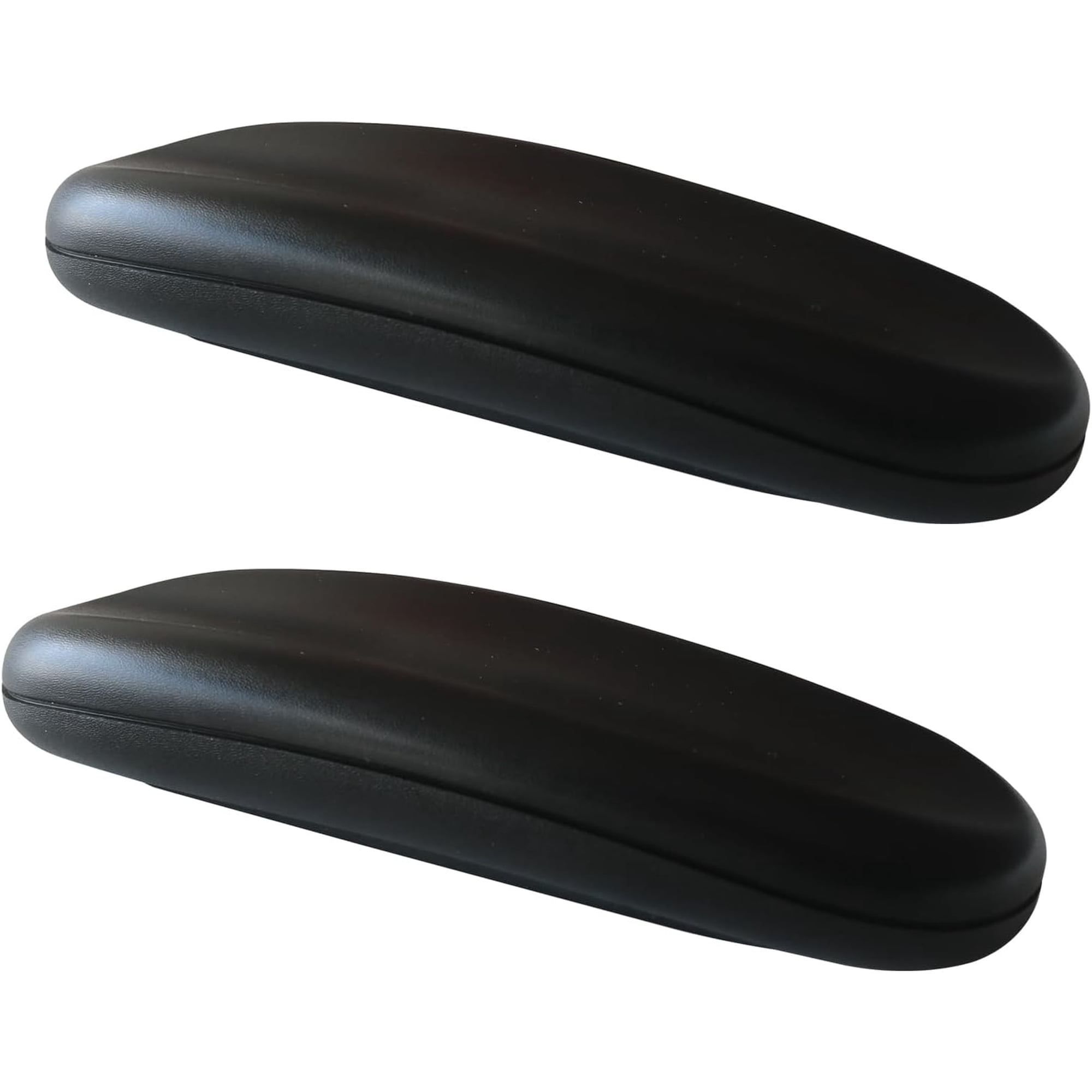
- 2D armrests (up/down only)
- Single tilt lock
- Best for: Part-time use or guest chairs
Value Sweet Spot ($250 - $450)
Best Balance
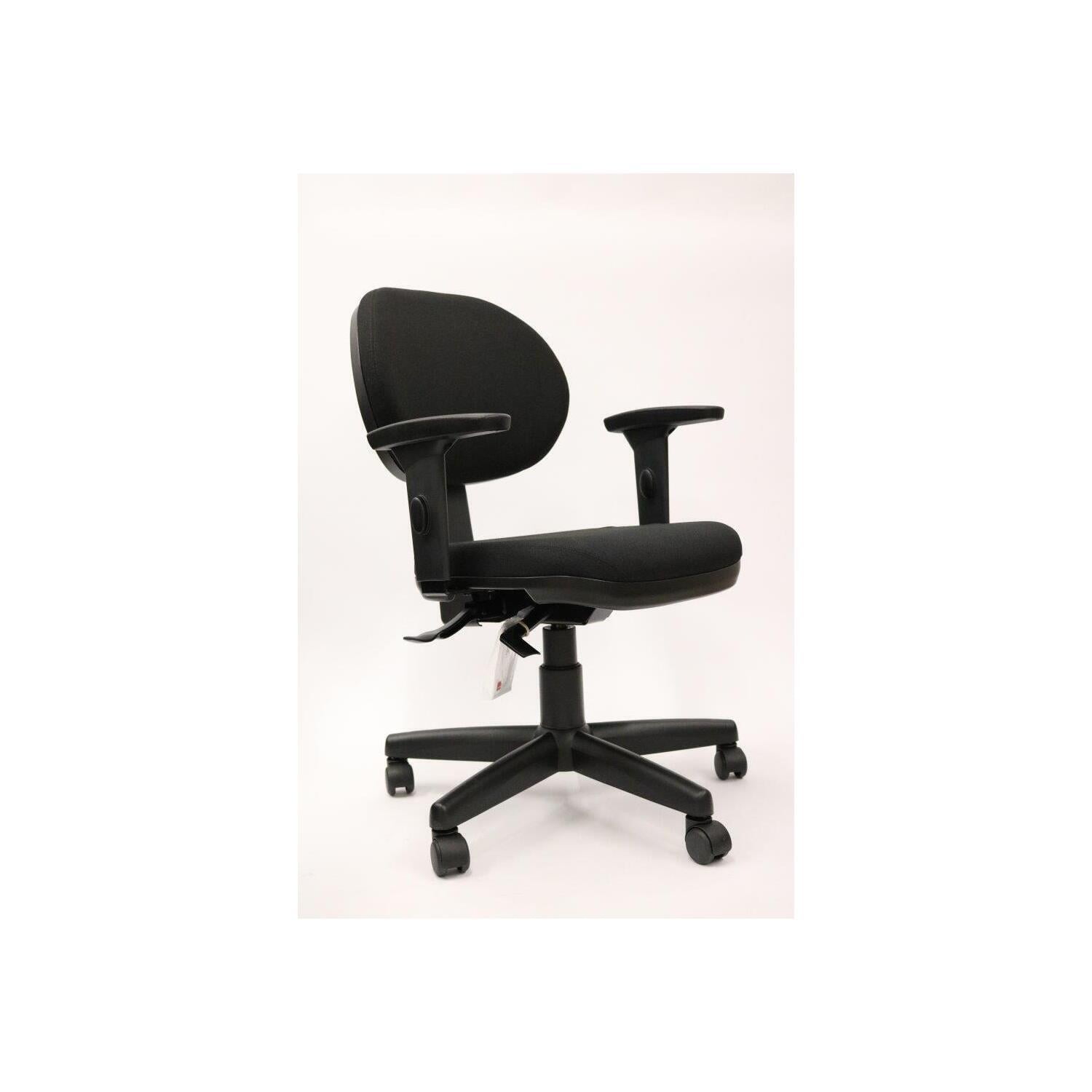
- High-density foam, contoured seat
- Height-adjustable lumbar
- Height-adjustable arms + sometimes pivot
- Multi-lock tilt + tension control
- Best for: Full-time workers seeking real comfort
Premium Light ($450 - $700)
Enhanced Features
- Advanced foam + gel layers
- 4D adjustable lumbar support
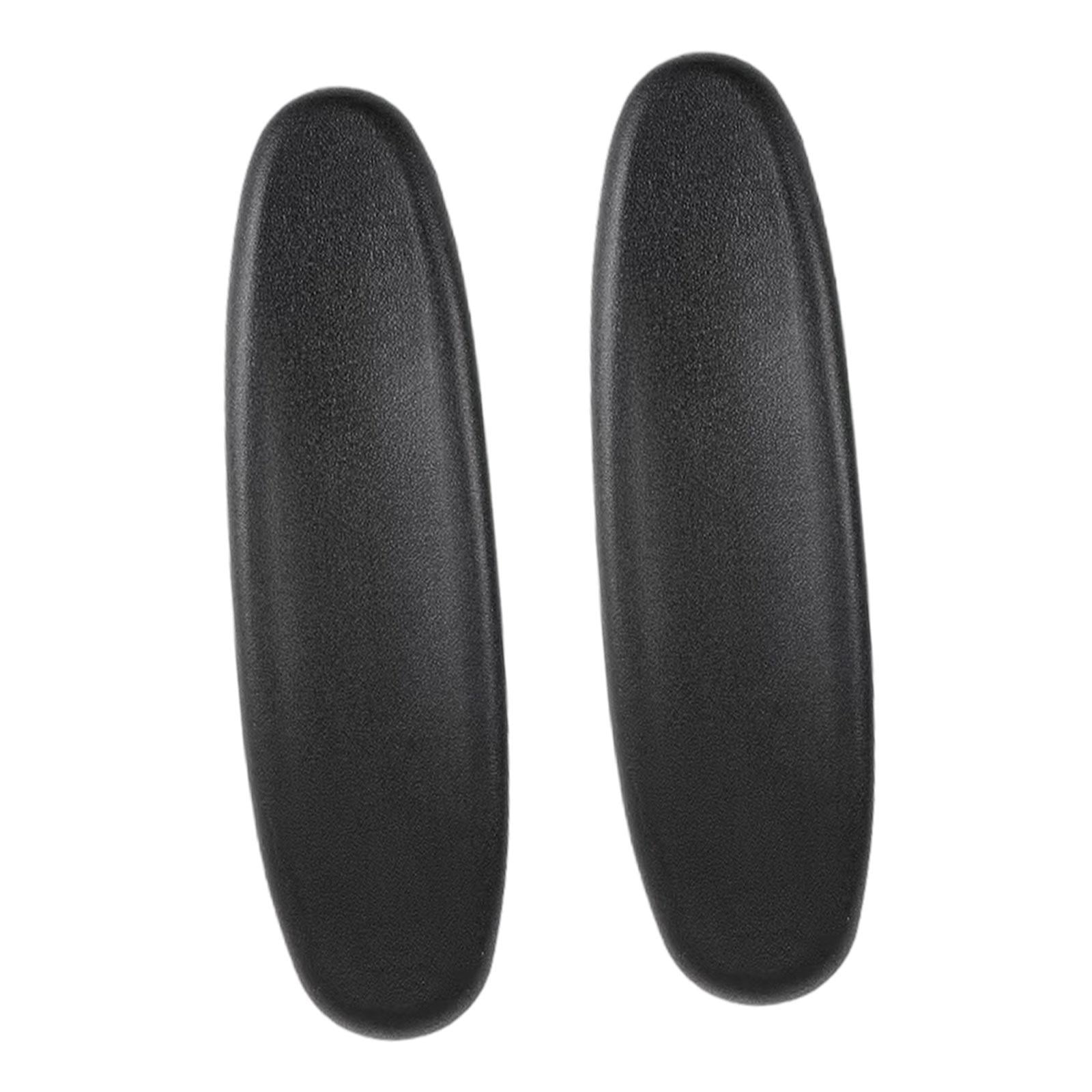
- 4D armrests with multiple adjustments
- Synchronous tilt mechanisms
- Best for: Those wanting luxury without full premium cost
Why the $300-$400 Range is the Comfort Value Champion
Based on analysis of hundreds of user reviews and durability tests, the $300-$400 price bracket consistently delivers the highest satisfaction-to-cost ratio. Here's why:
- Component quality threshold: At this price, manufacturers use Class 3 or 4 gas lifts (the same used in $800 chairs), ensuring height adjustment longevity.
- Foam density sweet spot: You get foam that maintains its shape for 4-6 years of daily use without feeling rock-hard.
- Warranty coverage: Most chairs in this range offer 5-year frame warranties and 2-3 year component coverage—enough to protect your investment.
- Feature completeness: You get all essential ergonomic adjustments without paying extra for materials like real leather or polished aluminum bases that don't improve comfort.
In short, spending $350 on a well-designed chair often yields 95% of the comfort of a $1,200 chair, making it the smart financial choice for most users.
Material Choices That Maximize Value and Comfort
Your chair's materials directly impact both comfort and how long that comfort lasts. Here's what to look for when evaluating value:
Seat Materials: The Foundation of Comfort
- High-density polyurethane foam (2.5-3.5lb density): The gold standard for value chairs. It resists permanent compression and provides consistent support.
- Molded foam vs. layered foam: Molded foam (one-piece) generally lasts longer and maintains shape better than layered foam glued together.
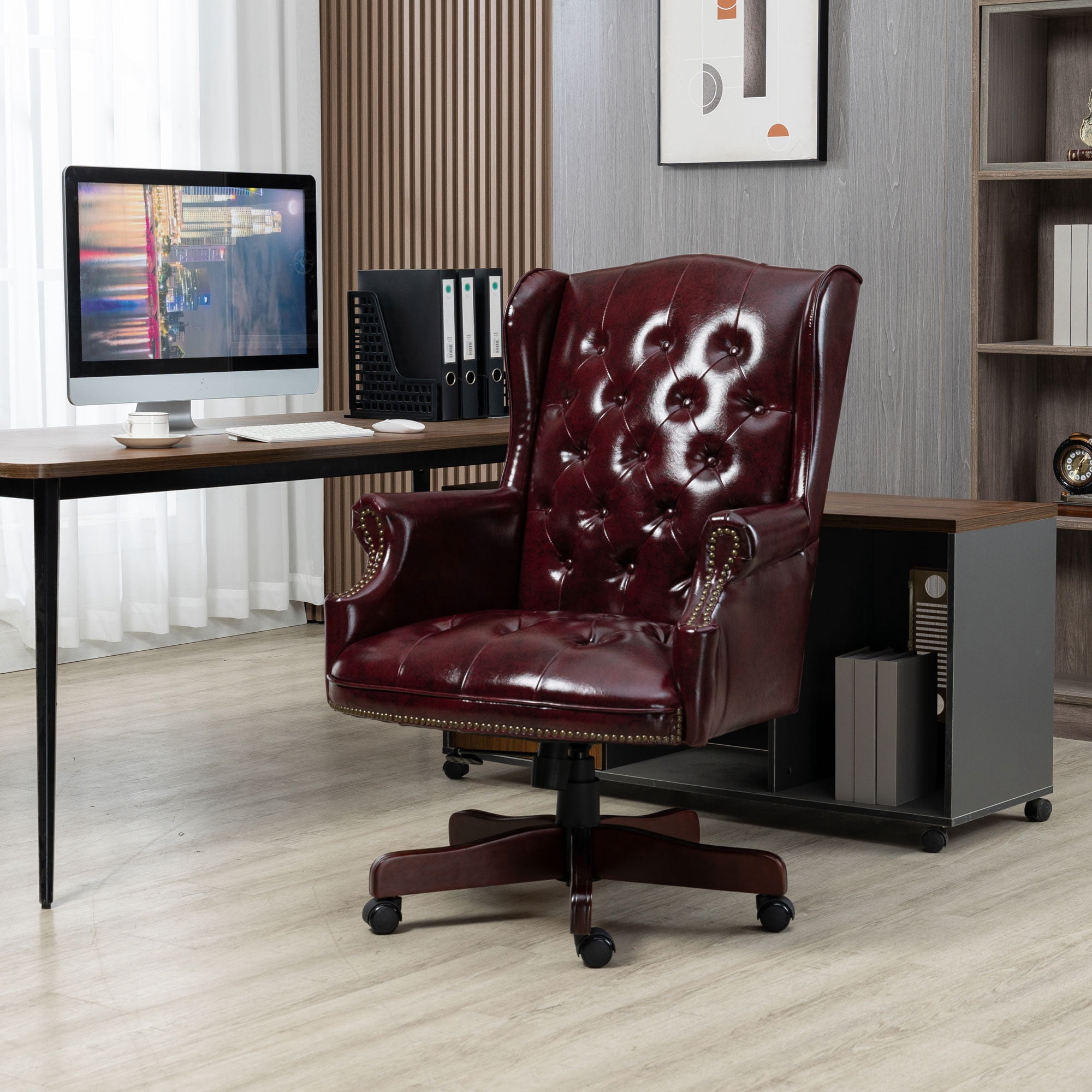
- Fabric vs. faux leather: For value chairs, high-quality breathable fabric or mesh outperforms faux leather, which tends to crack and peel after 2-3 years. Fabric also provides better temperature regulation.
Back Materials: Support Meets Breathability
- Elastic mesh: Provides adaptive support and unmatched airflow. Quality mesh in the $300 range should maintain tension for 5+ years.
- Fabric over foam: Offers more plushness but less breathability. Good for cooler climates or users who prefer a softer backrest.
- Hybrid designs: Mesh back with padded seat—the ideal value configuration for most users.
Common Myths About Budget-Friendly Comfort Chairs
Let's address the misconceptions that might prevent you from finding the most comfortable office chair for the money:
Reality: Many chairs in the $250-$400 range now feature adjustable lumbar systems that rival premium models. The difference is often in materials (plastic vs. metal mechanisms) rather than support effectiveness.
Reality: High-quality mesh with proper tension and a waterfall seat edge can be extremely comfortable for 8+ hours. The key is ensuring the mesh isn't too loose or too tight—quality value chairs get this balance right.
Reality: While true for sub-$150 chairs, the $250-$450 category includes many chairs with warranties and build quality that match chairs twice their price. Choose wisely, and a value chair can last 5-7 years.
Real-World Testing: How to Evaluate Comfort Before Buying
Since you can't always test chairs in person before purchase, here's a practical method to evaluate value chairs online:
- Check user photos, not just product images: Look for real-world photos showing the chair's condition after months of use. This reveals actual foam thickness and wear patterns.
- Read negative reviews for pattern detection: If multiple users mention the same issue (e.g., "seat cushion flattened after 3 months"), it's likely a design flaw, not an outlier.
- Verify return policy: The best value chairs come from retailers with at least 30-day free returns. This allows you to test comfort in your actual workspace.
- Compare dimensions to your current chair: Measure seat depth, width, and back height against a chair you already find comfortable. This prevents sizing surprises.
Long-Term Value: Maintenance That Extends Comfort
To ensure your comfortable office chair remains comfortable for years, follow these maintenance practices:
- Clean mesh/fabric monthly: Use a vacuum with upholstery attachment to remove dust and debris that can break down fibers.
- Tighten screws every 6 months: Loose connections can cause wobbling that affects comfort and stability.
- Rotate usage if possible: If you work hybrid, giving your chair a break on office days extends foam life.
- Lubricate moving parts annually: A silicone-based lubricant keeps tilt mechanisms smooth and quiet.
Expert Takeaway: The most comfortable office chair for the money is one that fits your body type, provides essential adjustments, and uses quality materials that will last. Focus on ergonomic fundamentals rather than luxury branding, and you'll find exceptional comfort at a reasonable price point.