
Why Choose Metal Office Chair Wheels?
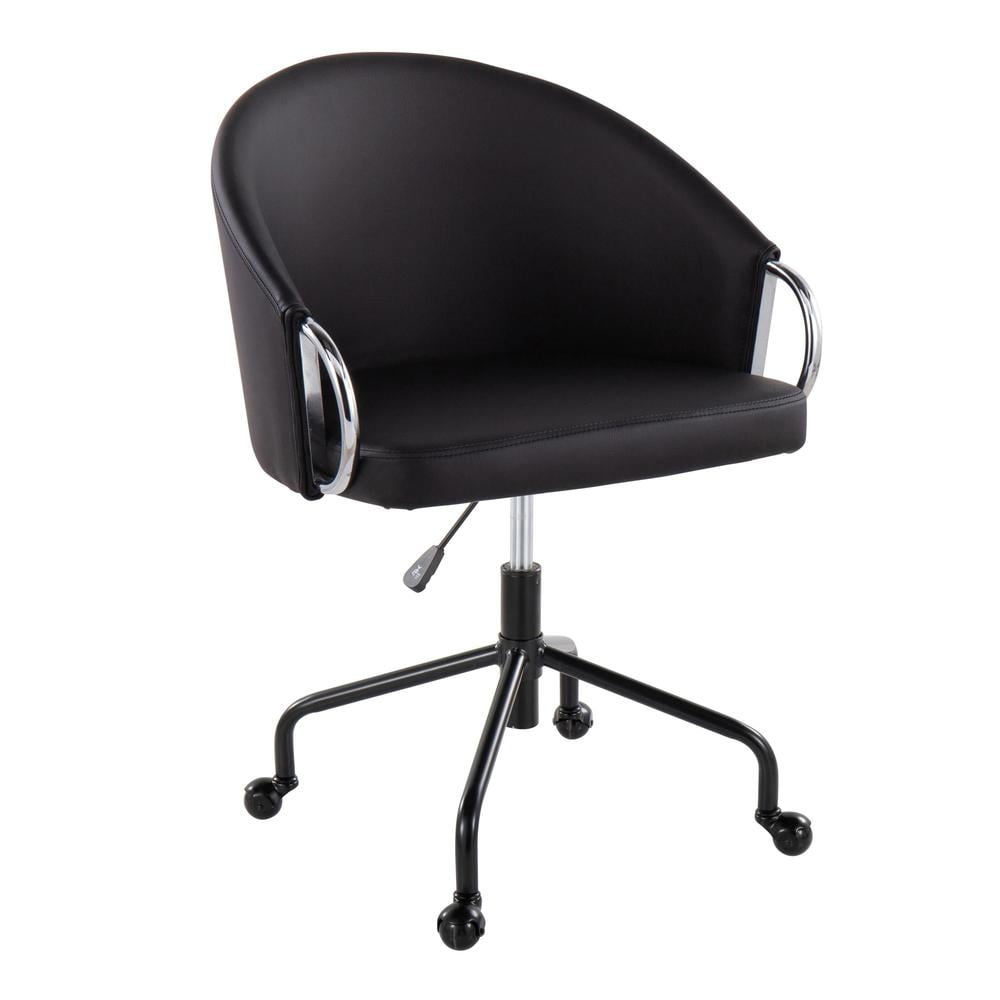
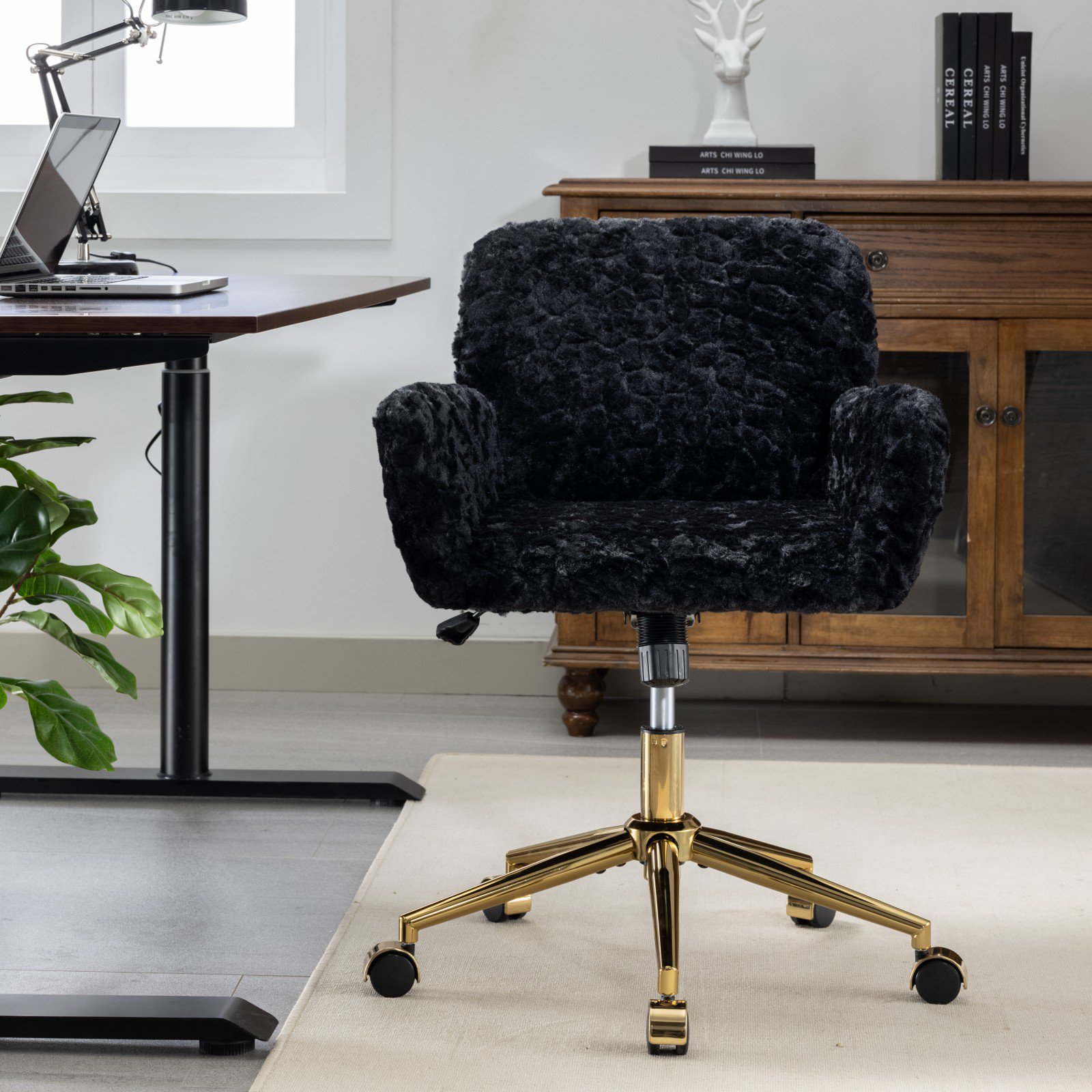
Standard plastic casters often break, squeak, or damage floors. Metal office chair wheels are the ultimate upgrade for anyone seeking longevity, smooth gliding, and floor protection. Unlike plastic, metal wheels resist cracking under heavy loads and provide a quieter, more professional rolling experience.
Ergonomic Insight: Upgrading to metal wheels can reduce the effort needed to move your chair by up to 40%, minimizing strain on your shoulders and back during daily use.
Key Benefits of Metal Casters
- Exceptional Durability: Metal wheels handle heavier weights (up to 300+ lbs) without deforming.
- Floor-Friendly: Many metal wheels feature soft polyurethane treads that protect hardwood and tile.
- Silent Operation: Precision bearings eliminate squeaking and rattling.
- Universal Fit: Most metal wheels use standard stem sizes (7/16″ or 1/4″) for easy replacement.
- Professional Aesthetics: Sleek metal finishes complement modern and executive office designs.
Metal vs. Plastic Office Chair Wheels
| Feature | Metal Wheels | Plastic Wheels |
|---|---|---|
| Durability | Excellent (10+ years) | Fair (3-5 years) |
| Weight Capacity | 300-500 lbs | 200-250 lbs |
| Floor Protection | High (with polyurethane tread) | Low to Medium (scratches) |
| Noise Level | Quiet | Squeaky over time |
| Cost | $25 - $60 per set | $10 - $25 per set |
How to Choose the Right Metal Wheels for Your Chair
1. Check Your Chair's Stem Type
- Standard stem: 7/16″ diameter with a 7/8″ length – fits most office chairs.
- Furniture stem: 1/4″ diameter – common on older or light-duty chairs.
- Grip ring stem: For chairs without brake mechanisms – often used in task chairs.
2. Consider Your Floor Type
3. Evaluate Load Capacity
Add your weight + the weight of the chair. Choose wheels rated at least 20% higher than that total for safety. For big & tall users, metal wheels with 400+ lb capacity are recommended.
4. Check Warranty and Reviews
Look for sets that offer a 1-3 year warranty. Verified reviews often highlight real-world durability and ease of installation.
Installation Tips for Metal Office Chair Wheels
- Remove old wheels: Pull firmly or use a flathead screwdriver to pry out plastic casters.
- Clean the stem hole: Remove debris or old grease to ensure a snug fit.
- Insert new metal wheels: Push straight in until you hear a click (for grip-ring stems) or fully seated.
- Test swivel and roll: Move the chair gently to check for smoothness and stability.
If your chair has a brake mechanism, ensure the new wheels are compatible (most are not, but some sets include locking casters).
Understanding Metal Wheel Construction: What Makes Them Superior?
The core of a metal office chair wheel is usually steel or aluminum, providing a rigid, unbreakable core. The outer layer is often polyurethane or rubber, which absorbs shock and protects floors. This combination offers the best of both worlds: the strength of metal and the silence of soft materials.
Steel Core Wheels
- High weight capacity (up to 500 lbs)
- Extreme durability – ideal for 24/7 use
- Resistant to cracking even under heavy loads
- Premium feel and professional appearance
Aluminum Core Wheels
- Lighter weight – easier to move your chair
- Corrosion-resistant – good for humid environments
- Slightly lower capacity than steel (up to 350 lbs)
- Modern aesthetic with brushed or polished finishes
Metal Office Chair Wheels Selection Guide
Follow this framework to pick the perfect set for your workspace. Think of it like choosing tires for a car: the terrain (floor type) and load (weight) determine the best fit.
Step 1: Assess Your Floor Type
- Hardwood / Laminate: Soft polyurethane tread (durometer 60-70) – no scratches.
- Carpet (low pile): 2″ to 2.5″ wheels with dual-wheel design for easier gliding.
- Carpet (high pile / thick): Oversized 3″ metal wheels with wide tread.
- Tile / Stone: Smooth tread to prevent vibration and noise.
Step 2: Define Your Usage Pattern
Step 3: Set Your Budget
Entry Level
Good basic metal wheels with standard tread.
Mid-Range
Steel core + premium polyurethane, quiet bearings.
Premium
Heavy-duty, oversized wheels with dual-ball bearings and scratch-proof tread.
Commercial Grade
Industrial metal casters for 24/7 use, 500+ lb capacity.
Frequently Asked Questions About Metal Office Chair Wheels
Conclusion & Final Recommendations
Upgrading to metal office chair wheels is one of the most cost-effective improvements you can make to your workspace. They offer durability, silence, and floor protection that plastic casters simply cannot match.
Quick Pick Guide
Choose metal wheels with soft polyurethane tread and a 2″ diameter. Smooth rolling with zero scratches.
Oversized 2.5″ – 3″ metal wheels with a wide contact patch. Glides effortlessly over low to medium pile.
Steel core wheels with 400+ lb capacity. Ensure the tread is thick and bearings are sealed for longevity.