

Why Medical Facilities Rely on Specialized Reception Seating
In a healthcare setting, every element of your office communicates professionalism and care. Medical office reception chairs are engineered to meet stringent hygiene standards, endure constant use, and provide comfort to patients who may be anxious or physically uncomfortable. Unlike standard office chairs, medical-grade seating incorporates antimicrobial surfaces, heavy-duty frames, and ergonomic profiles designed for diverse patient populations.
Healthcare Facility Insight: According to a 2024 study by the Center for Health Design, 78% of patients associate the condition of waiting room furniture with the overall quality of medical care. Investing in durable, clean, and comfortable reception chairs directly influences patient satisfaction scores and practice reputation.
Essential Characteristics of Medical Reception Chairs
Choosing the right chairs for a medical reception area goes beyond aesthetics. Below are the critical attributes that define top-tier healthcare seating:
Hygienic Materials
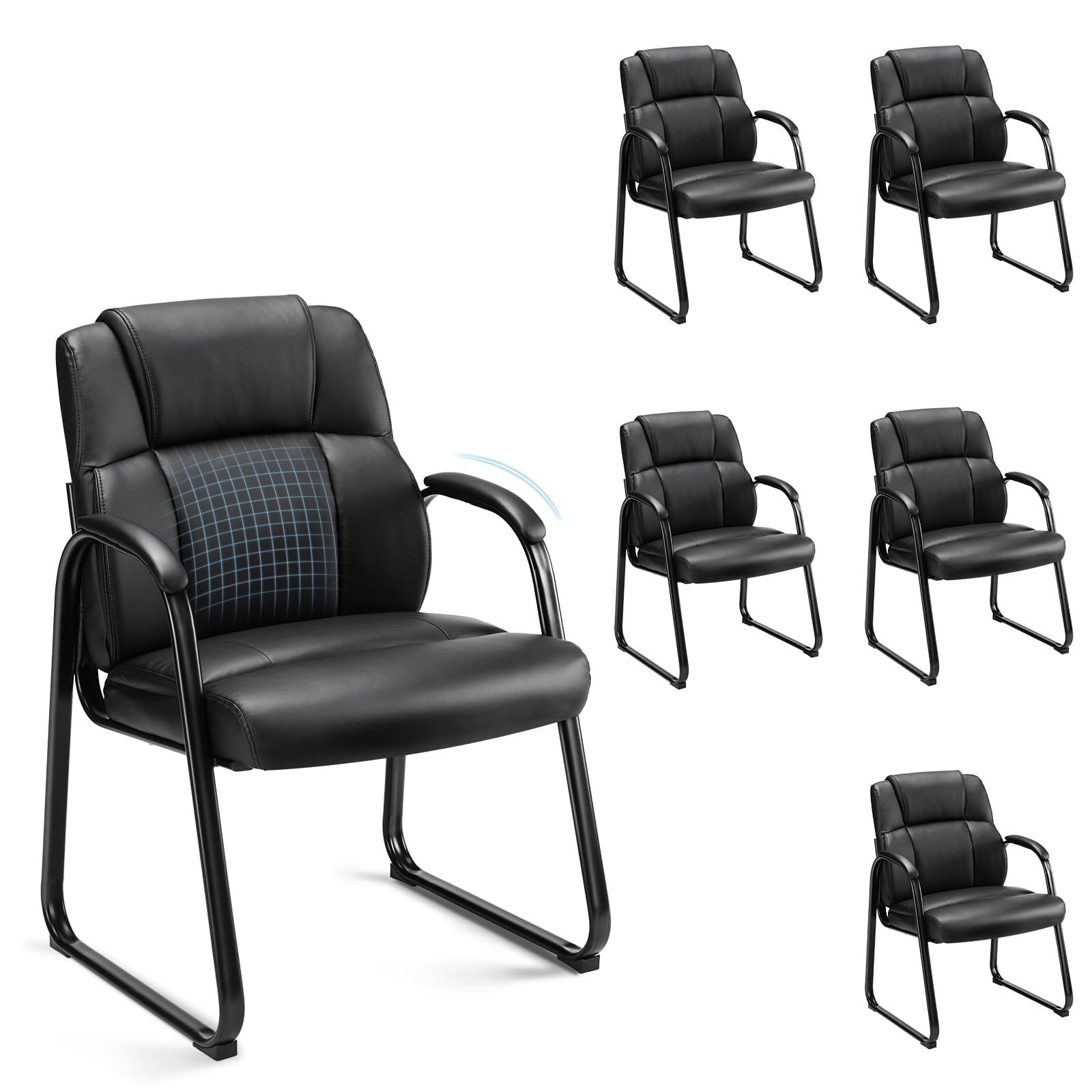
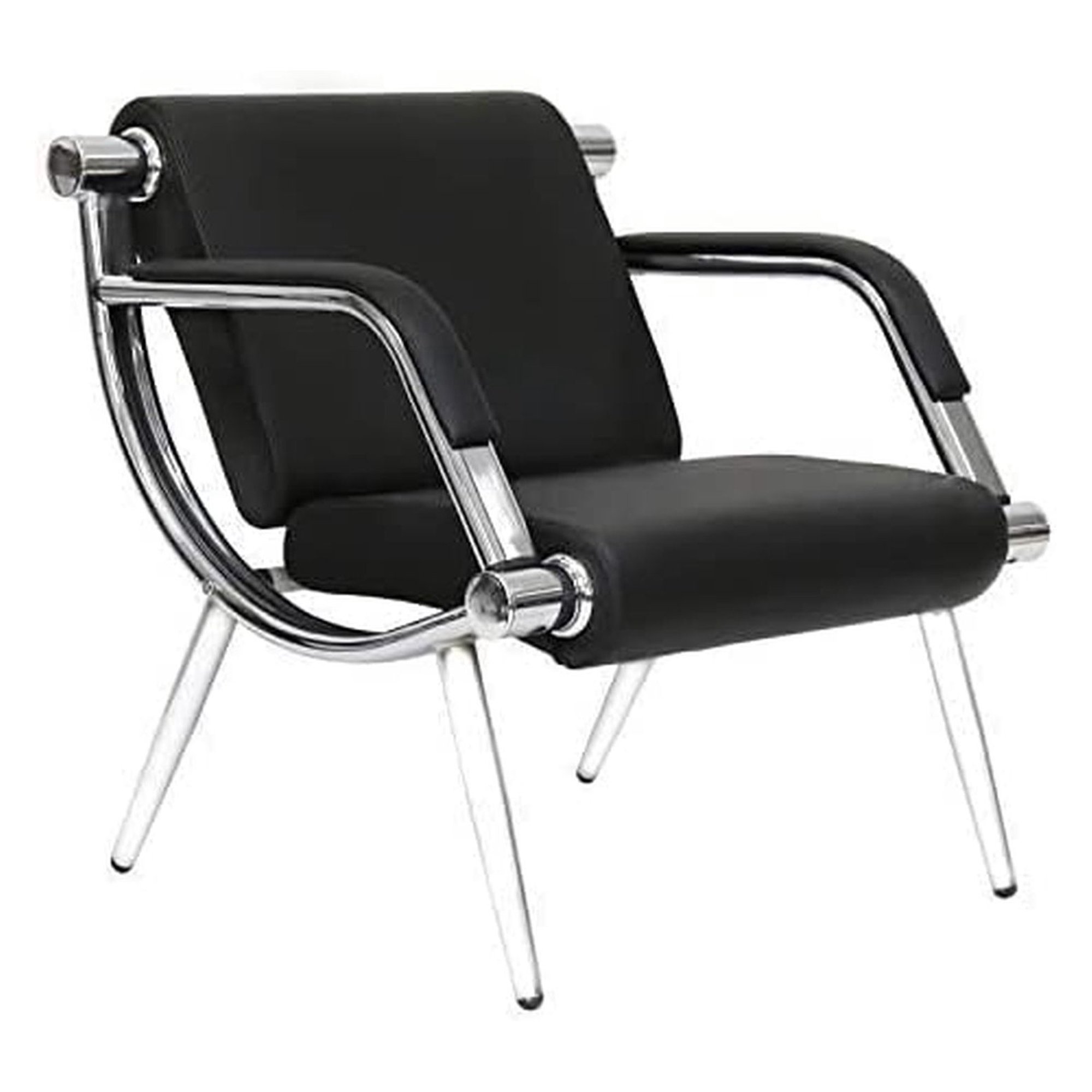
Vinyl, polyurethane (PU), and medical-grade fabrics with antimicrobial treatments resist moisture, stains, and bacterial growth. Seamless upholstery prevents fluid seepage, enabling quick disinfection between patients.
Heavy-Duty Construction
Reinforced steel frames, high-density foam that retains shape, and double-stitched seams ensure longevity even in high-traffic waiting rooms. Look for certifications like BIFMA for commercial-grade performance.
Ergonomic Support
Contoured backrests, generously padded seats, and armrests designed for easy entry/exit accommodate patients with mobility limitations. Proper lumbar support reduces fatigue during extended waits.
Stability & Mobility
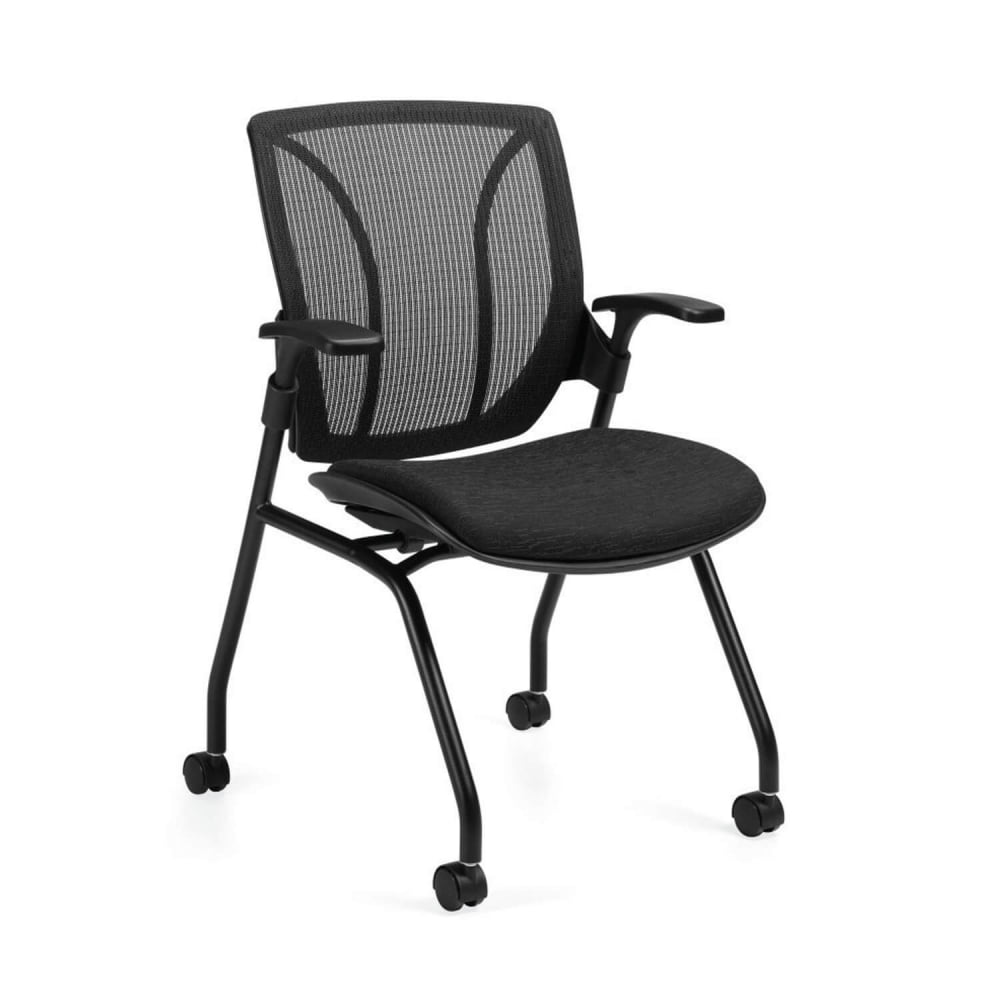
Wide bases prevent tipping, while smooth-rolling casters (or glides for stationary arrangements) maintain stability. Many medical chairs include self-skimming casters for quiet, safe movement.
Material Deep-Dive: Choosing the Right Upholstery
Material selection directly impacts infection prevention, maintenance costs, and patient perception. Here’s a comparison of popular options for medical reception areas:
🧼 Vinyl / PU Leather
- Pros: Waterproof, easy to sanitize, affordable, available in medical-grade variants
- Cons: Can feel warm or sticky in humid climates; lower-end vinyl may crack over time
- Best For: High-turnover clinics, urgent care, pediatric offices (easy to wipe clean)
🌿 Crypton / Stain-Resistant Fabric
- Pros: Breathable, moisture-barrier technology, antimicrobial, soft texture
- Cons: Higher initial cost, requires specific cleaning agents
- Best For: Specialty clinics, cosmetic practices, upscale medical offices
🛡️ High-Performance Mesh
- Pros: Breathable, lightweight, modern aesthetic, easy spot-cleaning
- Cons: Less padding, may not convey “luxury” feel
- Best For: Modern clinics, physical therapy centers, warm climates
Key Ergonomic Considerations for Patient Waiting Areas
Patients often spend 15–45 minutes in reception, and for those with chronic pain or limited mobility, poor seating can exacerbate discomfort. Prioritize these ergonomic features:
- Seat Height & Depth: Adjustable-height chairs (18–22 inches) allow patients to sit and stand with ease. Seat depth between 18–20 inches supports proper thigh contact without pressure behind knees.
- Armrest Design: Armrests that are padded and positioned at the right height (8–10 inches above seat) assist elderly or post-surgery patients when rising.
- Lumbar Contour: Built-in lumbar support reduces lower back strain during longer waits. Some high-end models offer passive lumbar flex.
- Waterfall Seat Edge: A gentle curved front edge prevents circulation restriction in legs—critical for diabetic or vascular patients.
✅ Pro Tip for Medical Administrators: Consider stacking a combination of bariatric-capable chairs (supporting 400–500 lbs) alongside standard seating to accommodate diverse patient body types. This approach demonstrates inclusivity and prevents equipment damage from overloading.
Compliance & Safety Standards You Should Know
Medical office furniture must meet specific safety and fire regulations. When sourcing reception chairs, verify compliance with these standards:
- CAL 117 / TB 117-2013: Fire retardancy requirements for upholstered furniture used in commercial and healthcare settings.
- BIFMA X5.1: American National Standard for office seating, ensuring structural integrity and durability.
- HEPA / Infection Control Certifications: Some manufacturers offer chairs tested for cleanability and microbial resistance per CDC guidelines.
- Warranty Coverage: Look for minimum 5-year frame and component warranties; healthcare-grade products often include extended coverage for high-use environments.
Arranging Your Medical Reception Area for Flow & Accessibility
Strategic layout of medical office reception chairs improves traffic flow and complies with ADA requirements. Consider these practical tips:
- Create Clear Pathways: Ensure at least 36 inches between rows of chairs to accommodate wheelchairs and walkers.
- Position Seating for Visibility: Place chairs so patients can see the reception desk without turning awkwardly.
- Offer Varied Seating Options: Include armchairs, side chairs without arms (for easier lateral transfers), and occasional bariatric seats.
- Consider Modular Arrangements: Group chairs in clusters of 2–4 with small side tables for personal items and forms.
- Use Color & Design to Reduce Anxiety: Soft, neutral tones with accent colors create a calming environment—research shows muted blues and greens lower patient stress levels.
Budgeting for Quality Medical Reception Chairs
Investing in commercial-grade medical chairs reduces long-term replacement costs. Below is a general budget guide:
| Chair Category | Typical Price Range (Per Unit) | Expected Lifespan | Best Use Case |
|---|---|---|---|
| Economy Medical Chairs | $150 – $300 | 2–4 years | Low-traffic clinics, temporary setups |
| Mid-Range Commercial | $350 – $600 | 5–8 years | General practice, dental offices, outpatient clinics |
| Premium Healthcare Grade | $700 – $1,200+ | 8–12 years | Hospitals, specialty centers, high-volume practices |
Remember that premium chairs often include warranties, antimicrobial treatments, and replaceable components (casters, arm pads), offering better total cost of ownership over time.
Frequently Asked Questions About Medical Office Reception Chairs
Conclusion: Investing in Medical-Grade Reception Seating
Selecting medical office reception chairs is a decision that blends patient care, operational efficiency, and brand image. By prioritizing hygienic materials, commercial-grade durability, and ergonomic design, healthcare facilities create a positive first impression and reduce long-term furniture replacement costs.
Final Recommendations Based on Practice Type
Opt for heavy-duty vinyl chairs with reinforced frames and easy-glide casters. Modular seating arrangements with bariatric options provide versatility.
Choose stain-resistant Crypton fabric or PU leather with sleek modern designs. Compact chairs that save space while maintaining comfort are ideal.
Invest in premium leather-like materials with ergonomic contours. Warm wood accents and high-end finishes reinforce trust and sophistication.
Prioritize chairs with supportive armrests, higher seat heights, and sturdy bases to assist patients with mobility challenges. Mesh backs aid breathability during movement.
Take time to evaluate your patient demographics, daily traffic, and cleaning protocols before purchasing. A well-chosen medical reception chair not only elevates the patient experience but also streamlines housekeeping and reinforces your commitment to safety and care.