
Why a Budget Ergonomic Office Chair is a Game-Changer for Remote Workers
The shift to hybrid and remote work has made the home office a permanent fixture for millions. Yet, many professionals still use dining chairs or outdated hand-me-downs that cause fatigue, back pain, and reduced productivity. A dedicated ergonomic office chair budget doesn't mean sacrificing quality — it means investing wisely in features that matter most. Modern affordable ergonomic chairs now incorporate research-backed designs that promote spinal alignment, reduce pressure points, and support dynamic sitting.
Data Point: A study by the American Chiropractic Association found that individuals using ergonomic chairs with adjustable lumbar support reported 54% less lower back discomfort compared to those using standard office chairs. Even within the $150-$300 price range, key ergonomic features deliver measurable health benefits.
Essential Features to Look For in an Affordable Ergonomic Chair
When evaluating chairs within a modest budget, knowing which features are non-negotiable versus nice-to-have helps you make an informed decision. Prioritize these three core elements:
- Adjustable Seat Height: Look for pneumatic adjustment levers that allow your thighs to rest parallel to the floor with feet flat. This prevents circulation issues and reduces hip strain.
- Lumbar Support: Even budget models now include height-adjustable lumbar pads or built-in curves. This support maintains the natural S-curve of your spine, preventing slouching during long hours.
- Seat Depth & Width: A seat pan that is too short or too long can cause discomfort. Aim for at least 18 inches of width and depth that leaves 2-3 fingers of space behind your knees when seated.
- Breathable Back Material: Mesh-back chairs are often more affordable than leather and provide excellent airflow, keeping you cool during intense work sessions.
- Sturdy Base & Casters: A five-point nylon base with smooth-rolling casters ensures stability and protects your floors. Check weight capacity — ideally 250 lbs or more for long-term durability.
Smart Shopping Strategy: Instead of chasing the lowest price, focus on chairs that offer a balance of core ergonomics and positive user reviews. Many reputable brands provide budget lines with warranties (2-5 years) that cover mechanical parts. Look for chairs with tilt tension adjustment and lockable recline — these features extend comfort without a premium price tag.
Material Choices in Budget Ergonomic Seating
Affordability often influences material selection, but modern fabrics and composites offer surprising durability and comfort. Here's how different materials stack up for value-conscious buyers:
🔹 Breathable Mesh Backs
Pros: Superior ventilation, lightweight, conforms to spine shape. Cons: May show wear over years, less formal appearance. Best for: Warm climates and users prone to sweating during long sits.
🔹 High-Density Foam Seats
Pros: Supportive, retains shape longer than cheap foam, comfortable for 8-hour days. Cons: Can be firmer initially. Best for: Those needing stable, cushioned support without sagging.
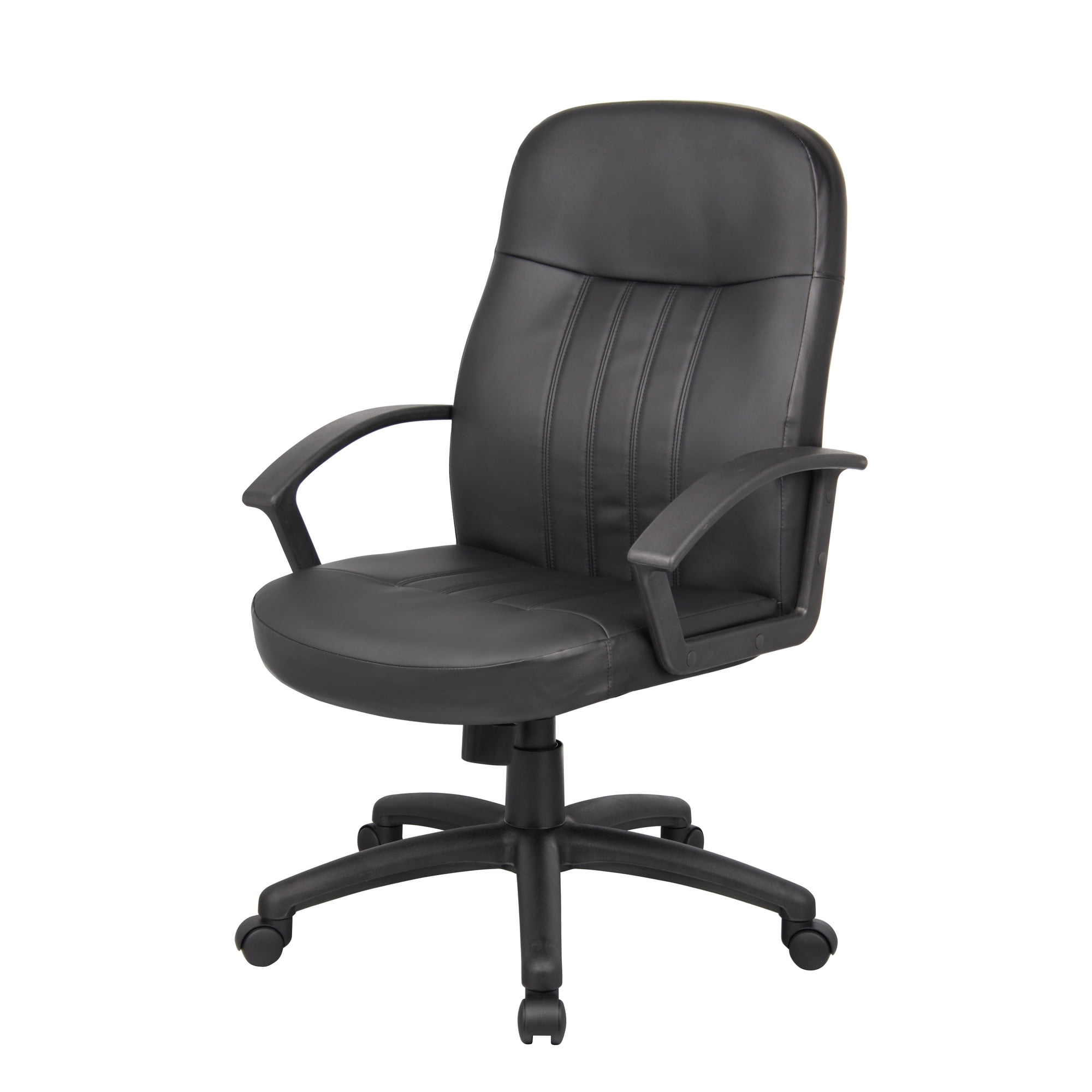
🔹 Bonded Leather / PU
Pros: Easy to clean, professional look. Cons: Less breathable, may peel after 2-3 years. Best for: Light to moderate use in home offices with climate control.
🔹 Nylon & Polymer Frames
Pros: Lightweight, durable, lower cost than metal. Cons: Less premium feel. Best for: Budget-conscious buyers seeking sturdy construction without weight.
Understanding Your Sitting Habits: Which Budget Chair Fits Your Routine?
Your daily workflow influences which ergonomic features are most valuable. Consider these common work patterns and the ideal budget chair match:
Look for chairs with swivel ease, adjustable armrests that tuck away, and a headrest if you spend 4+ hours on calls. A breathable mesh back helps maintain a professional appearance without overheating.
Prioritize robust lumbar support and seat depth adjustment. A chair with tilt lock allows you to recline slightly during brainstorming, then lock upright for precise desk work.
Choose a chair with flexible back tension and a waterfall seat edge that encourages movement. Models with 3D armrests (up/down, in/out) offer flexibility for sketching or using a tablet.
If you sit 3-5 hours daily, a basic ergonomic chair with seat height adjustment and fixed lumbar may suffice. Focus on compact designs that fit smaller spaces.
Top Budget Ergonomic Chair Categories Compared
| Category | Price Range (USD) | Best Features for Value | Ideal User |
|---|---|---|---|
| Mesh Back Task Chairs | $120 - $220 | Breathable back, adjustable lumbar, tilt tension | Students, remote workers in warm climates |
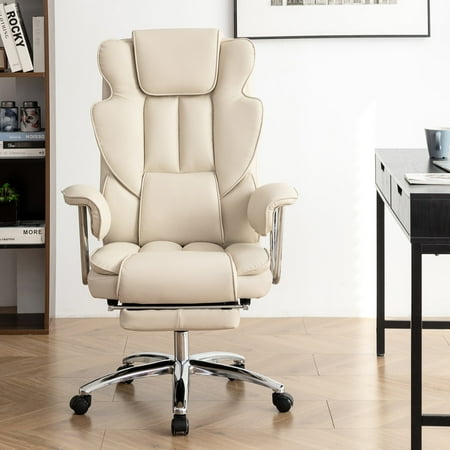
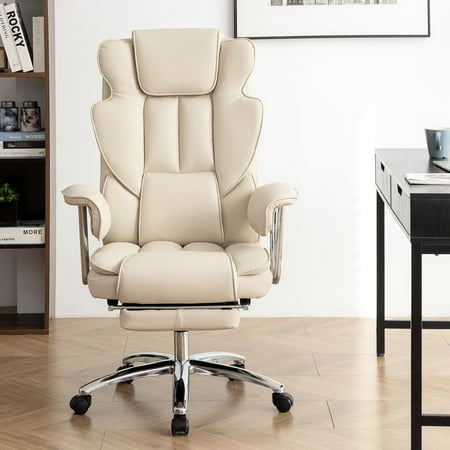
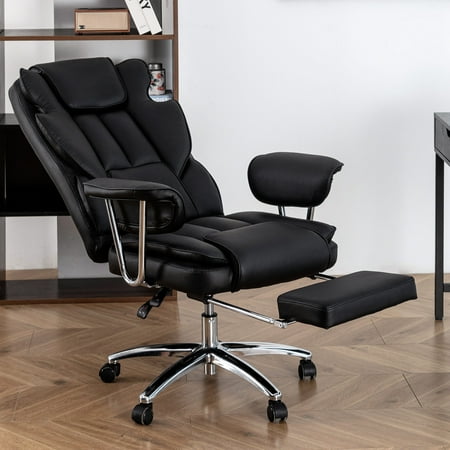
| High-Back Ergonomic with Headrest | $180 - $280 | Full back support, headrest, recline function | Tall individuals, all-day sitters (6+ hours) |
| Mid-Back Budget Chairs | $90 - $150 | Compact design, basic adjustability, lightweight | Part-time users, secondary home offices |
| Big & Tall Affordable Models | $200 - $300 | Reinforced frame, wider seat, higher weight capacity | Users needing extra seat width and durability |
Long-Term Value: How to Extend the Life of Your Budget Ergonomic Chair
Maximizing your investment means proper care and occasional upgrades. Follow these maintenance tips to ensure your affordable ergonomic chair serves you well for years:
- Clean mesh/fabric monthly: Use a vacuum with brush attachment to remove dust and debris. For spills, spot clean with mild soap and water.
- Check and tighten bolts: Every 3 months, inspect all screws and gas lift mechanism. Loose hardware can cause wobbling and premature wear.
- Use a chair mat: Protect casters and flooring, especially on carpets. This also reduces rolling resistance and strain on the base.
- Avoid overloading: Respect the manufacturer’s weight limit. Even occasional overloading can stress the gas cylinder and base.
- Add aftermarket cushions: If the seat foam compresses over time, a gel or memory foam cushion can restore comfort at a fraction of replacement cost.
Expert Insight: "Many budget ergonomic chairs fail not because of poor design but due to lack of maintenance. A simple check of the tilt mechanism and caster cleaning twice a year can double the chair's functional lifespan." — Office Furniture Ergonomist Review