
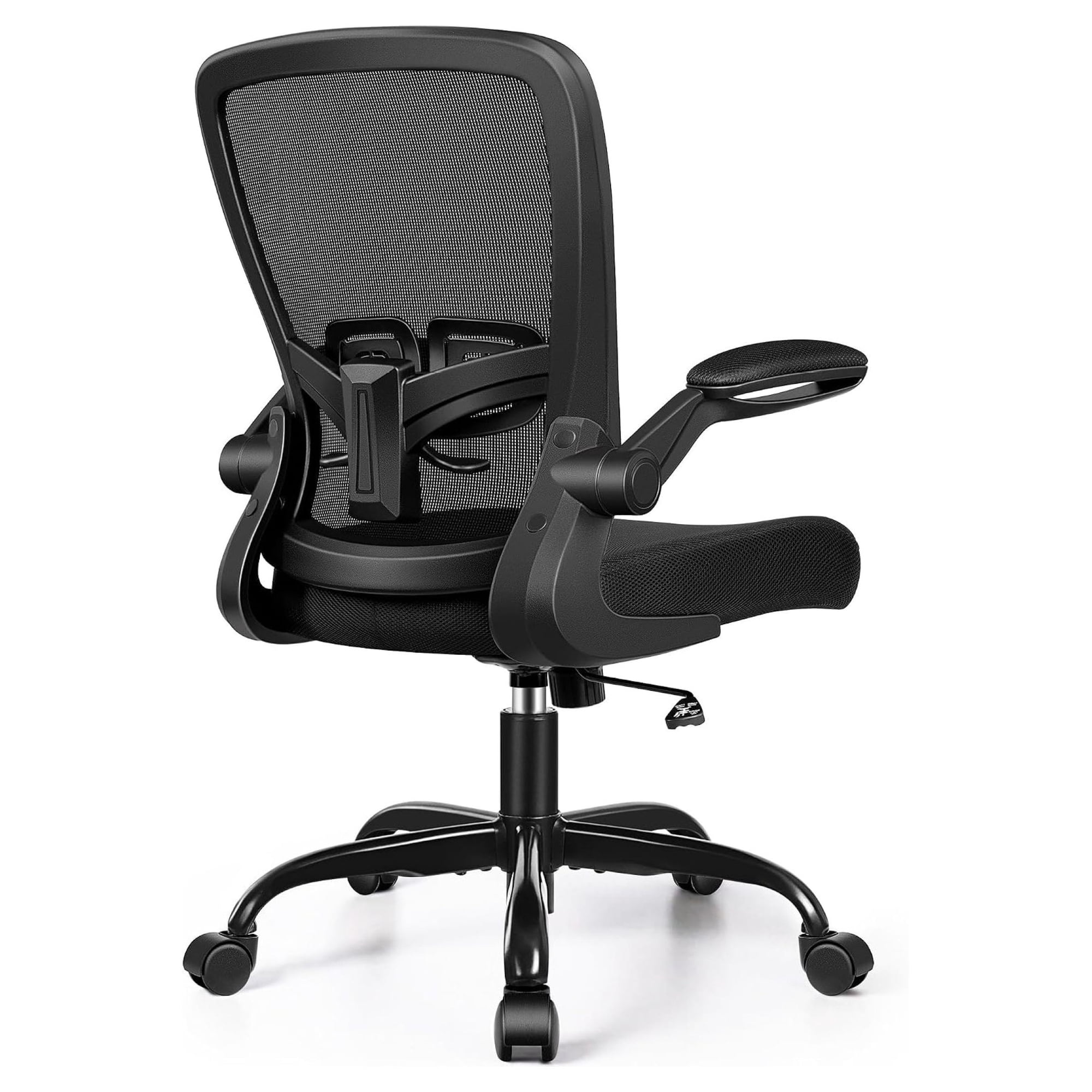
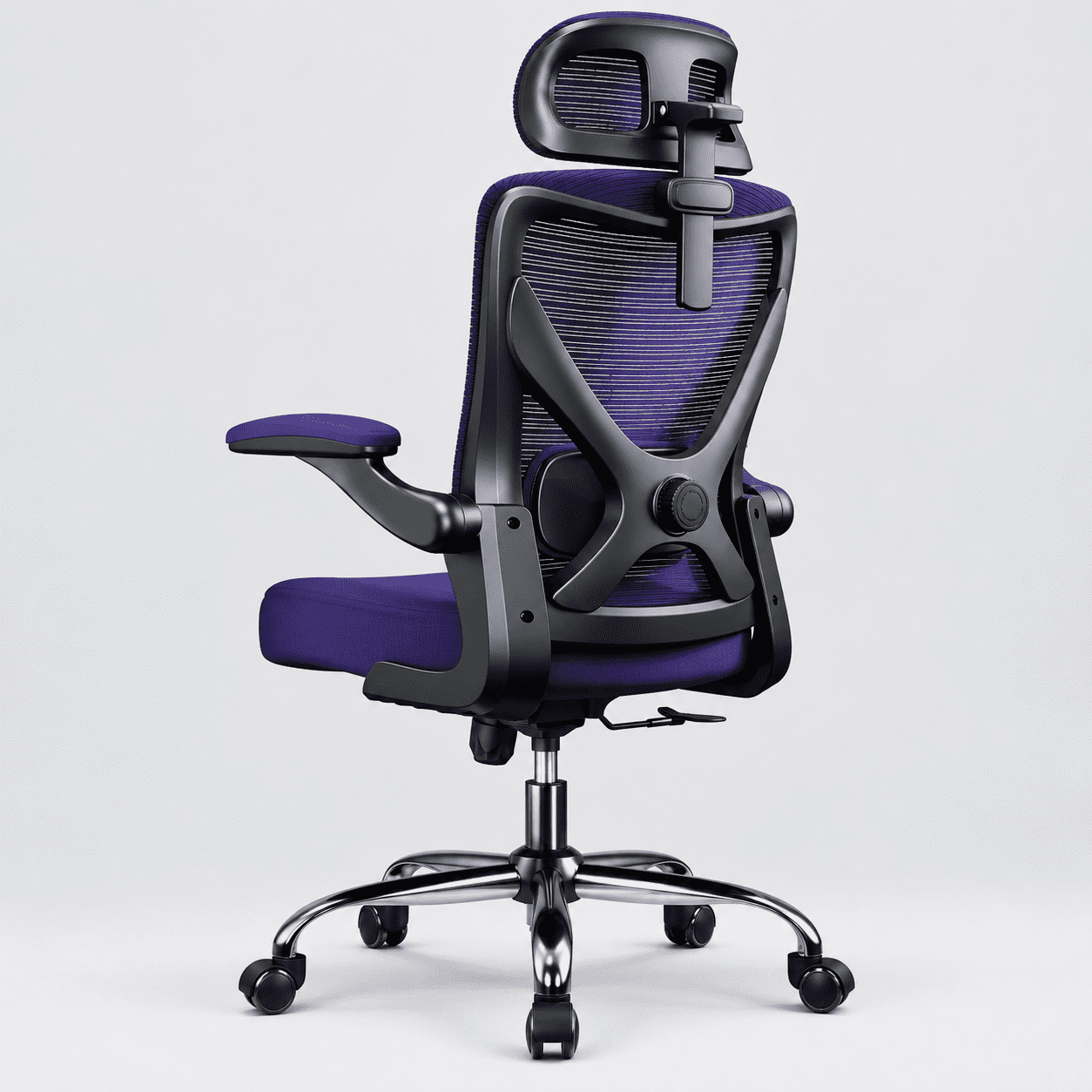
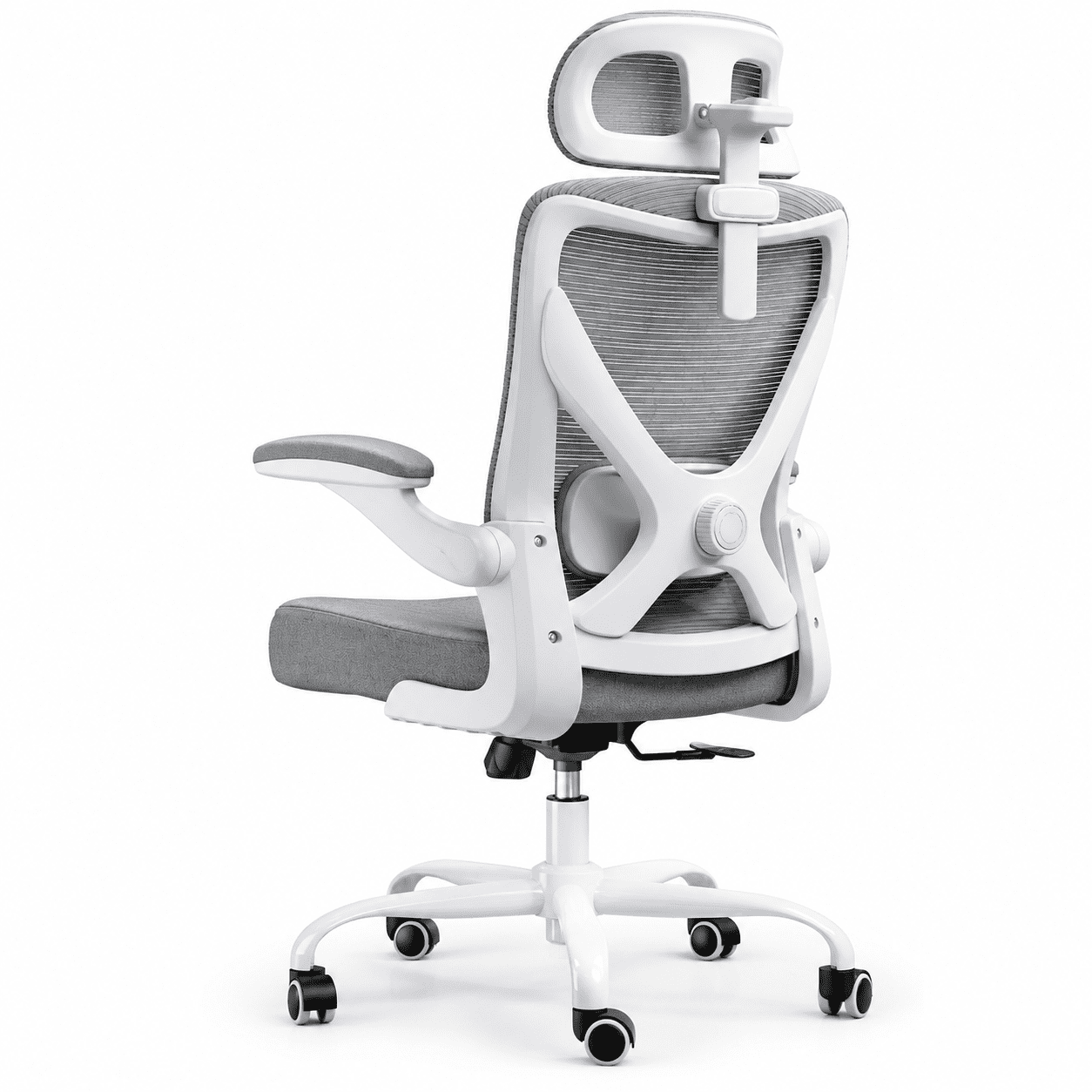
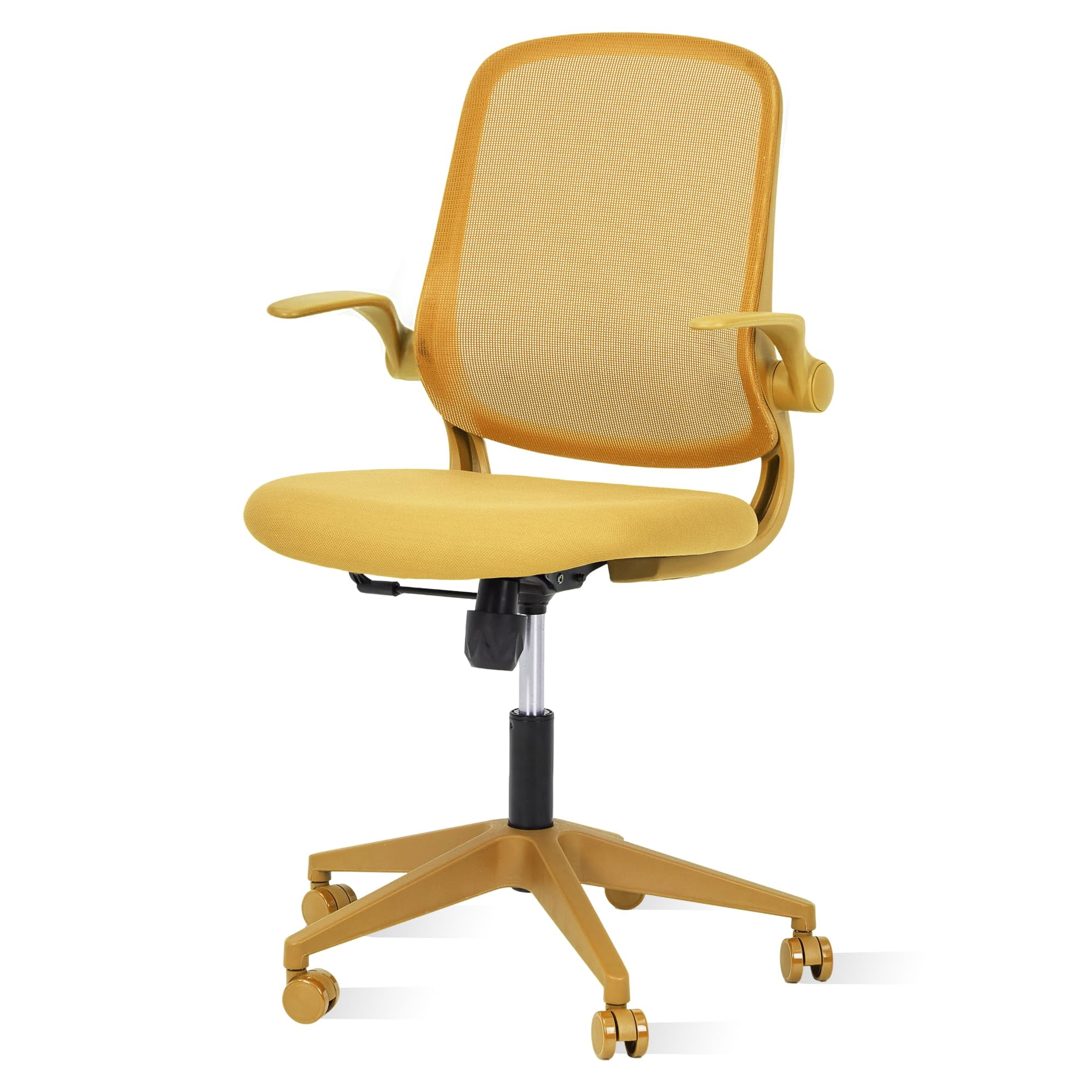
Why Your Next Chair Should Be an Ergonomic Comfy Office Chair
In today's hybrid work culture, your office chair is the command center of your productivity. An ergonomic comfy office chair isn't just about soft cushions — it's a precision tool that supports your spine, enhances circulation, and prevents the fatigue that creeps in after hours of sitting. Studies from the American Chiropractic Association show that 80% of professionals will experience back pain at some point, and the primary culprit is poor seating. Investing in a high-quality ergonomic chair can reduce discomfort by over 60% and boost daily output.
Did You Know? The human spine is not designed for static sitting. Dynamic ergonomic chairs encourage micro-movements, which increase oxygen flow to the brain and improve focus by up to 23% compared to traditional office chairs.
Core Elements of True Ergonomic Comfort
Not every chair labeled "ergonomic" delivers real comfort. Here's what separates a genuinely supportive ergonomic comfy office chair from the rest:
🌬️ Breathable Mesh Back
Advanced 3D mesh allows air circulation, preventing heat buildup while providing adaptive lumbar support that moves with you. Ideal for warm climates or long shifts.
🔄 Multi-Dimensional Adjustability
Seat height, depth, armrest width/pivot, back tilt, and headrest angle — the more micro-adjustments, the more personalized your comfort zone.
🌀 Dynamic Lumbar Support
Active lumbar that automatically responds to pressure changes, maintaining the natural S-curve of your spine even when you lean or shift.
💺 Waterfall Seat Edge
A gently curved front edge reduces pressure behind your knees, promoting healthy blood flow and preventing leg numbness during extended sitting.
Ergonomic Comfy Office Chair vs. Standard Office Chair
| Feature | Ergonomic Comfy Chair | Standard Office Chair |
|---|---|---|
| Lumbar Support | Adjustable in height & depth, often dynamic | Fixed or minimal padding |
| Seat Depth | Sliding mechanism for thigh support | Fixed depth, may cause pressure points |
| Armrests | 4D (height, width, pivot, depth) adjustable | Fixed or only height adjustable |
| Recline Mechanism | Multi-angle lock with tilt tension control | Simple tilt or no recline |
| Material Quality | High-density foam, breathable mesh, premium fabrics | Basic foam, polyester fabric |
| Weight Capacity | 250–400 lbs, reinforced base | Usually ≤250 lbs |
Health & Productivity Benefits Backed by Science
Switching to an ergonomic comfy office chair yields measurable improvements:
- Reduced Musculoskeletal Disorders: Proper posture alignment decreases strain on neck, shoulders, and lower back by up to 55%.
- Increased Energy Levels: Less muscular fatigue means sustained mental clarity — users report 34% less afternoon slump.
- Enhanced Concentration: Comfort eliminates fidgeting, allowing deeper focus on complex tasks.
- Long-Term Spinal Health: Consistent ergonomic support helps prevent disc degeneration and chronic pain conditions.
Ergonomic Tip: Even the best ergonomic comfy office chair needs proper setup. Adjust seat height so your feet rest flat, knees at 90°, and eyes level with the top of your monitor. Take micro-breaks every 30 minutes to reset posture.
How to Select Your Perfect Ergonomic Comfy Office Chair
Follow this step-by-step guide to avoid buyer's remorse and find the chair that fits your body like a glove:
Step 1: Identify Your Body Metrics
- Measure your height and weight — tall individuals need high backrests (20+ inches), while heavier users should look for chairs with class-4 gas lifts and steel bases.
- Check your desk height: your arms should form a 90° angle when typing.
Step 2: Prioritize Adjustability Features
- Seat Depth: At least 2 inches of slide range.
- Lumbar: Both height and depth adjustment (or dynamic self-adjusting).
- Armrests: Minimum 3D adjustment (height, width, pivot) for proper shoulder relaxation.
- Headrest: Essential for tall users or those who recline frequently.
Step 3: Choose Material Based on Environment
- Mesh: Best for hot offices or high activity — stays cool and offers firm support.
- Fabric/Upholstery: Plush and cozy, great for cooler climates.
- Leather/Leatherette: Easy to clean, professional look, but may trap heat.
Step 4: Test Long-Haul Comfort
- Sit for at least 15 minutes if possible. Check for pressure points under thighs and lumbar fit.
- Simulate typing and leaning back. Armrests should support elbows without raising shoulders.
Step 5: Verify Warranty & Build Quality
- Premium ergonomic chairs offer 5–12 years warranty on frame and moving parts.
- Check user reviews for long-term durability — consistent positive feedback on mechanisms is a good sign.
Maintenance Tips to Extend Chair Life
Your ergonomic comfy office chair is an investment. Protect it with these simple habits:
- Weekly Cleaning: Vacuum mesh/fabric to remove dust; wipe leather with conditioner every 3 months.
- Tighten Screws: Check armrest and base screws bi-annually to prevent wobbling.
- Lubricate Moving Parts: A silicone spray on tilt mechanisms keeps them smooth.
- Avoid Overloading: Respect weight limits to prevent gas lift failure.
Pro Insight: According to a 2024 workplace wellness report, companies that provide ergonomic seating see a 27% reduction in employee absenteeism and a 41% increase in self-reported job satisfaction.