
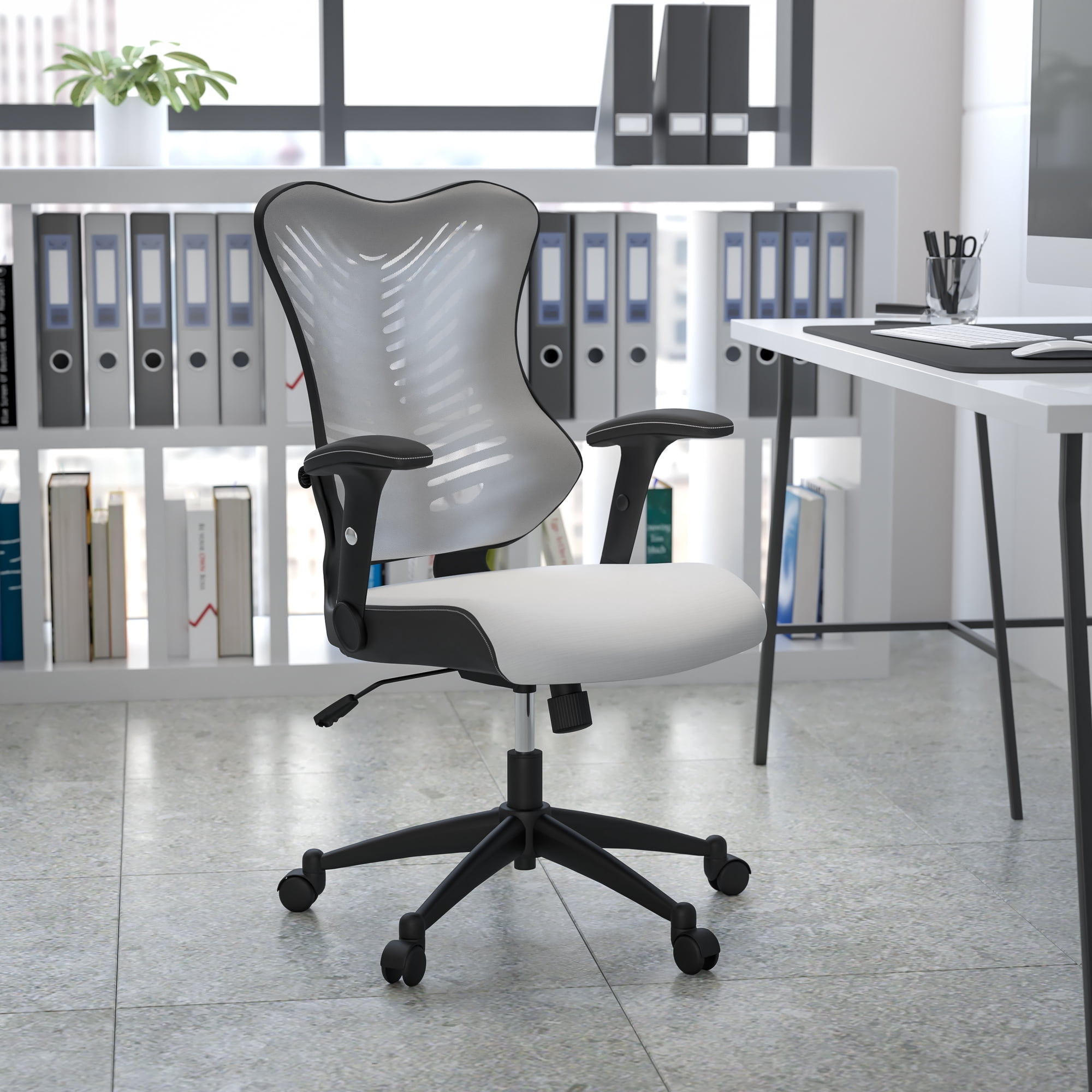
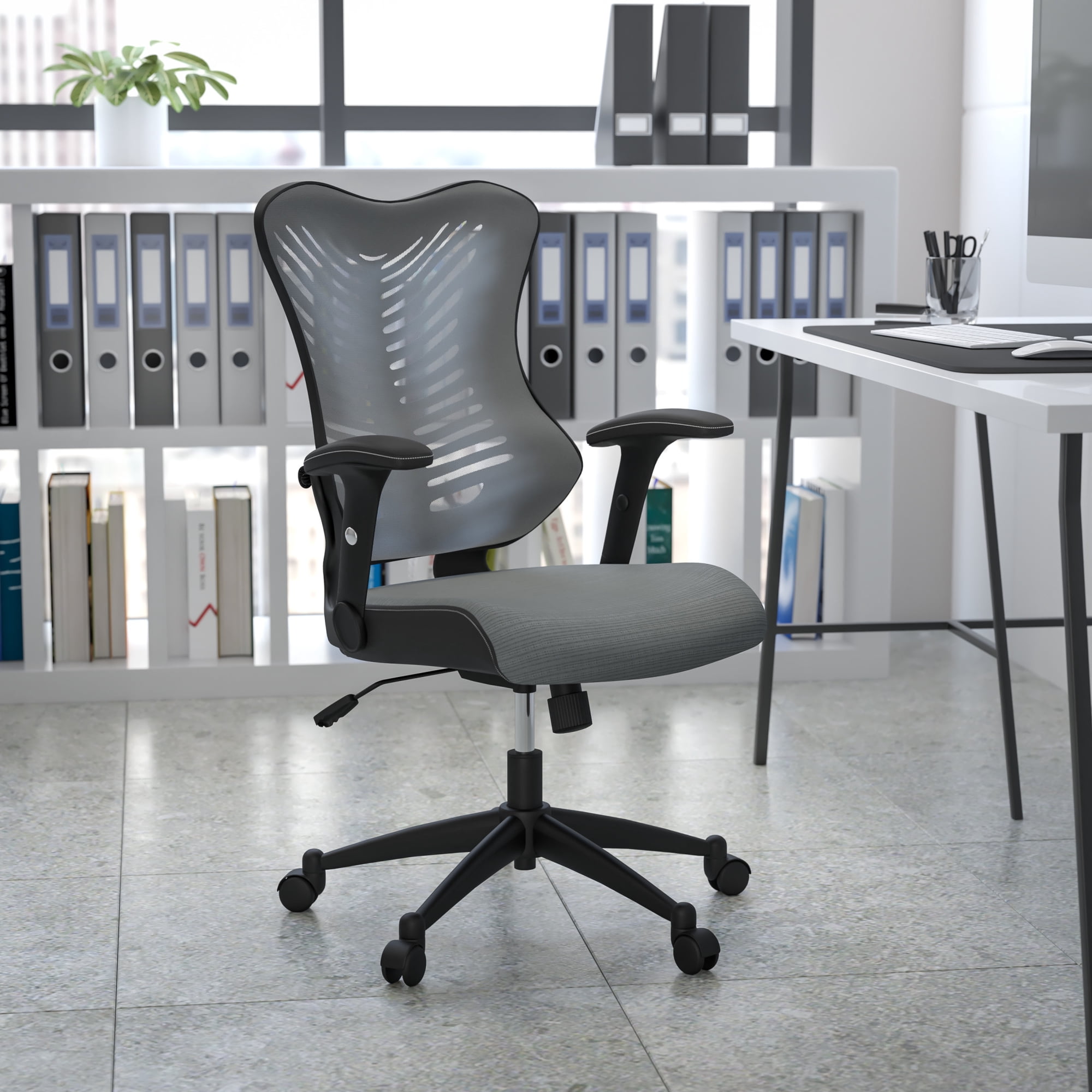
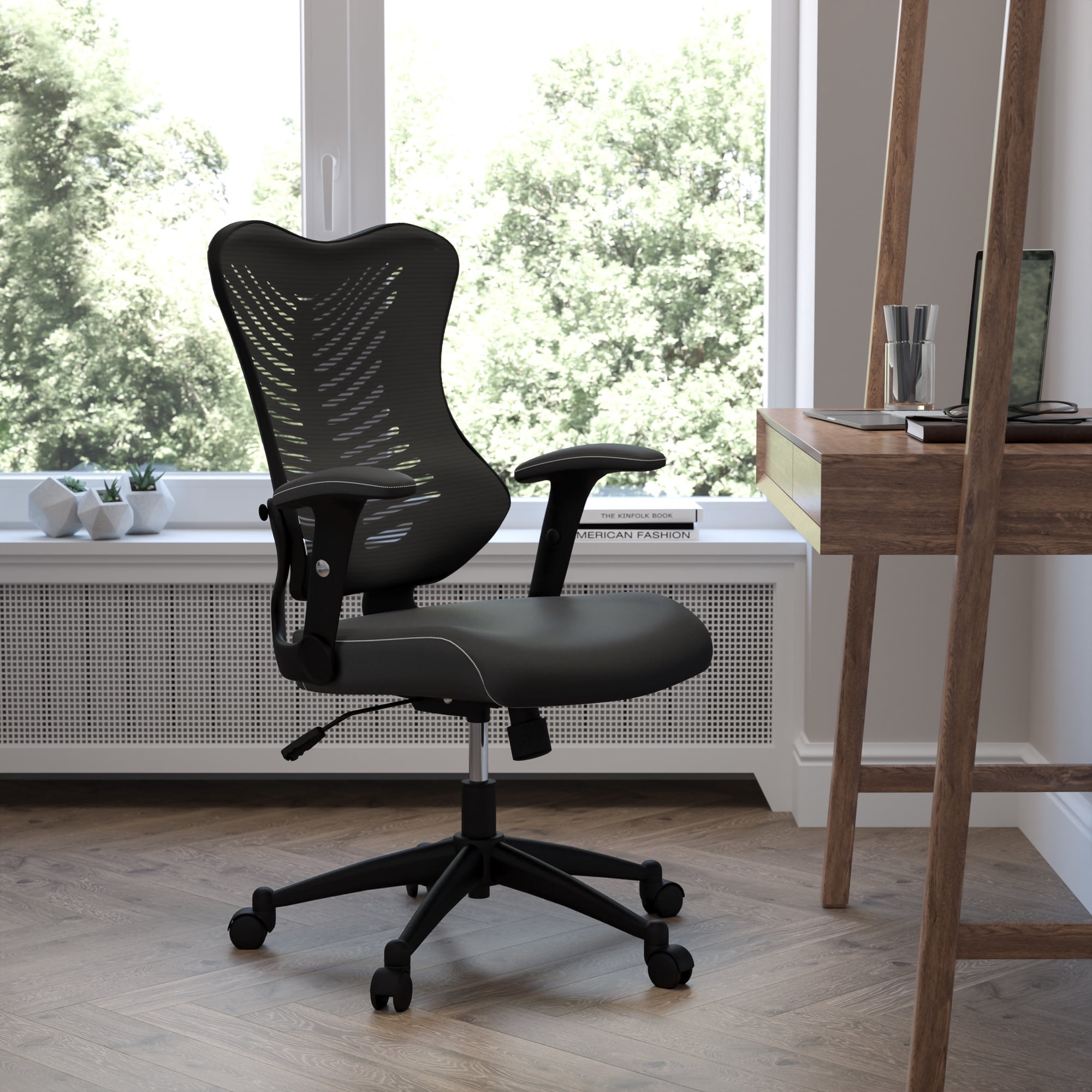
The Renaissance of the Workspace: Why Designer Ergonomic Chairs Matter
For decades, the office chair was a purely utilitarian object—a functional tool hidden away, valued only for its adjustability. Today, the narrative has flipped. As our workspaces move into our homes and become a reflection of our personal identity, the demand for furniture that is both beautiful and beneficial has skyrocketed. Enter the designer ergonomic office chair: a piece where award-winning aesthetics meet cutting-edge spinal science.
Think of it as the tailored suit of seating. It’s not just about covering the basics; it's about a perfect fit, premium materials, and a silhouette that commands respect. This guide explores the unique intersection of high design and human-centric engineering, helping you choose a chair that supports your body while inspiring your mind. According to a recent workplace study, employees in aesthetically pleasing environments report a 31% increase in focus and creativity. Your chair is the cornerstone of that environment.
The Anatomy of a Masterpiece: Key Elements of Designer Ergonomic Seating
Unlike mass-market task chairs, designer ergonomic chairs are conceived with a holistic philosophy. They are the result of collaborations between industrial designers, material scientists, and ergonomic experts. Here are the core principles that set them apart.
✦ Sculptural Silhouette
The chair's form is its first statement. Designers play with curves, angles, and negative space to create a visual identity. Think of the graceful arc of a high-back wood-framed chair or the floating mesh of a modern cantilevered design. It’s furniture that doesn't fade into the background.
✦ Material Alchemy
Premium materials are non-negotiable. This means sustainably sourced molded plywood, polished aluminum bases, and upholstery in Italian full-grain leather or Kvadrat wool blends. These materials age gracefully, developing a patina that tells a story.
✦ Intuitive Ergonomics
Adjustability is designed to be simple and instinctive. Instead of levers and knobs everywhere, you might find a single, smooth weight-activated recline mechanism or a lumbar support that automatically syncs with your movement. The technology works with you, not against you.
Beyond the Back: The Holistic Health Approach
A designer chair's approach to well-being extends beyond just the spine. It considers the entire kinetic chain of sitting. Here’s how:
- Dynamic Movement: Many high-end models use a "synchronized mechanism" where the seat and backrest move in a perfect 2:1 or 3:1 ratio. This encourages micro-movements throughout the day, pumping nutrients into spinal discs and preventing stiffness. This is a leap beyond a simple tilt lock.
- Pressure Mapping: The foam or mesh is not uniform. Designers use multi-density foam or precisely tensioned mesh zones to distribute your weight evenly. This eliminates "hot spots" on your thighs and sit bones, promoting better circulation for hours of focused work.
- The "Waterfall" Edge: A hallmark of a well-designed seat pan is a gently sloping, or "waterfall," front edge. This relieves pressure on the back of your legs, ensuring blood flows freely to your feet and preventing that numb feeling after long meetings.
Designer vs. Traditional Ergonomic: A Quick Comparison
To truly appreciate the difference, let's place them side-by-side:
| Feature | Traditional Ergonomic Chair | Designer Ergonomic Chair |
|---|---|---|
| Primary Focus | Function & adjustability | Harmony of form & function |
| Material Choice | Durable, cost-effective mesh/fabric | Premium, tactile, sustainable materials (leather, wool, wood) |
| Design Language | Utilitarian, often generic | Distinct, architectural, makes a statement |
| Mechanism | Complex levers and knobs | Intuitive, often auto-adaptive |
| Longevity | Replaced when function fails | Cherished as a piece of furniture; often restored |
How to Select Your Ideal Designer Ergonomic Chair
Choosing a chair in this category is a personal journey. Follow this step-by-step guide to find your perfect match:
- Define Your Aesthetic: Do you gravitate towards the warmth of wooden office chairs and organic forms, or the cool, technical look of polished aluminum and breathable mesh? Browse design studios (like Herman Miller, Humanscale, or HAY) to identify your style.
- Prioritize Your "Non-Negotiables": Make a list of must-have ergonomic features. Is deep, adjustable lumbar support critical for your lower back? Do you need a headrest for task variation? Know your physical requirements before falling in love with a look.
- Experience the Material: Whenever possible, visit a showroom. Sit on the Italian leather versus the wool blend. Feel the coolness of the mesh. The tactile experience is a huge part of a designer chair's value.
- Assess the Mechanism's Intuition: Sit in the chair and try to adjust it without reading a manual. Does the recline feel natural? Can you easily find a comfortable position? The best designs are inherently understandable.
Frequently Asked Questions About Designer Ergonomic Office Chairs
Conclusion: Your Workspace, Your Masterpiece
Choosing a designer ergonomic office chair is an act of self-care and self-expression. It's a declaration that your comfort matters and your environment should inspire you. You are not just buying a place to sit; you are investing in a tool that enhances your focus, protects your physical well-being, and elevates the very act of working. By considering the interplay of silhouette, material, and intuitive ergonomics, you can find a chair that serves as the silent partner in your daily success—a true masterpiece for your workspace.
Explore the curated selection above, and take the first step toward transforming your office into a gallery of productivity and style.