
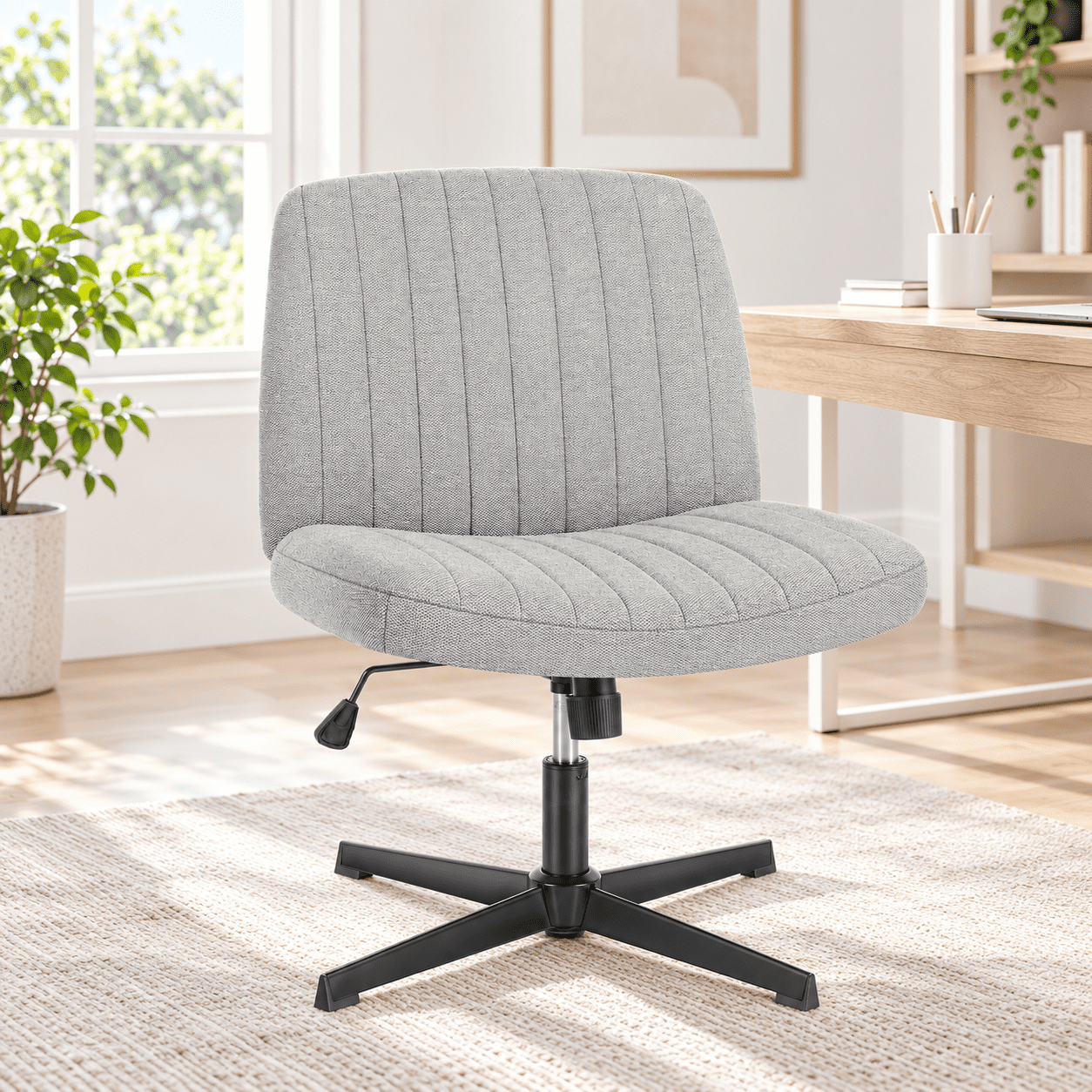
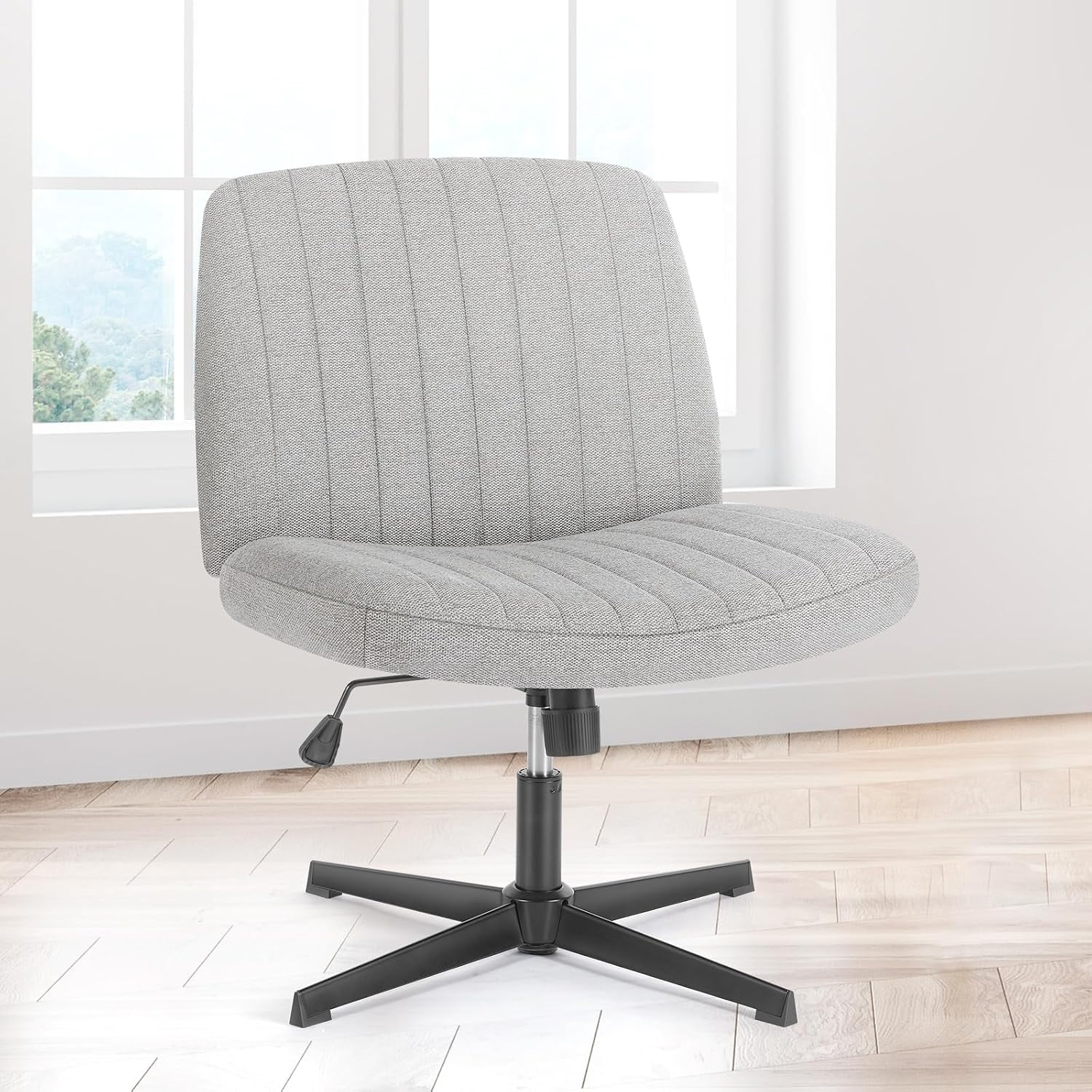
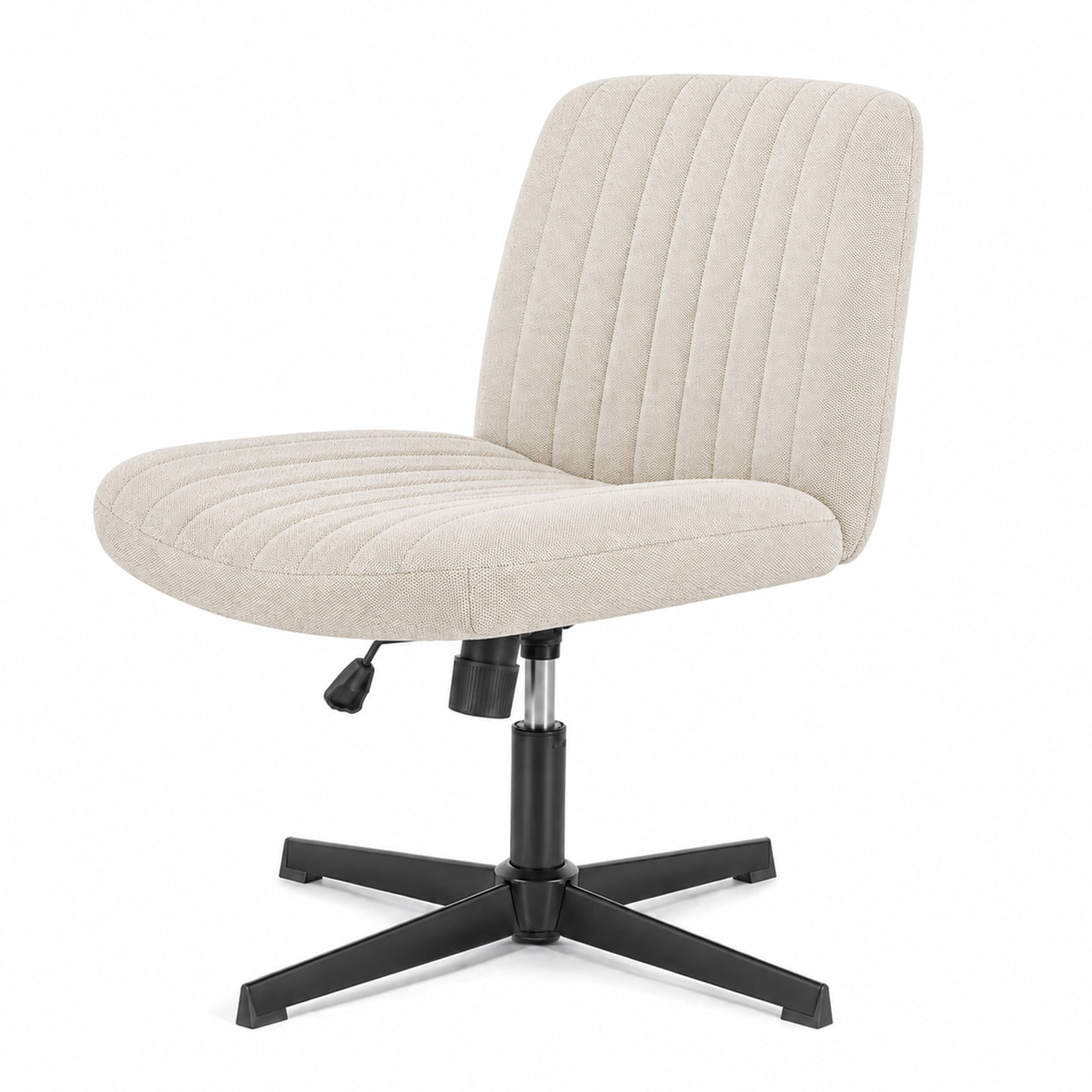
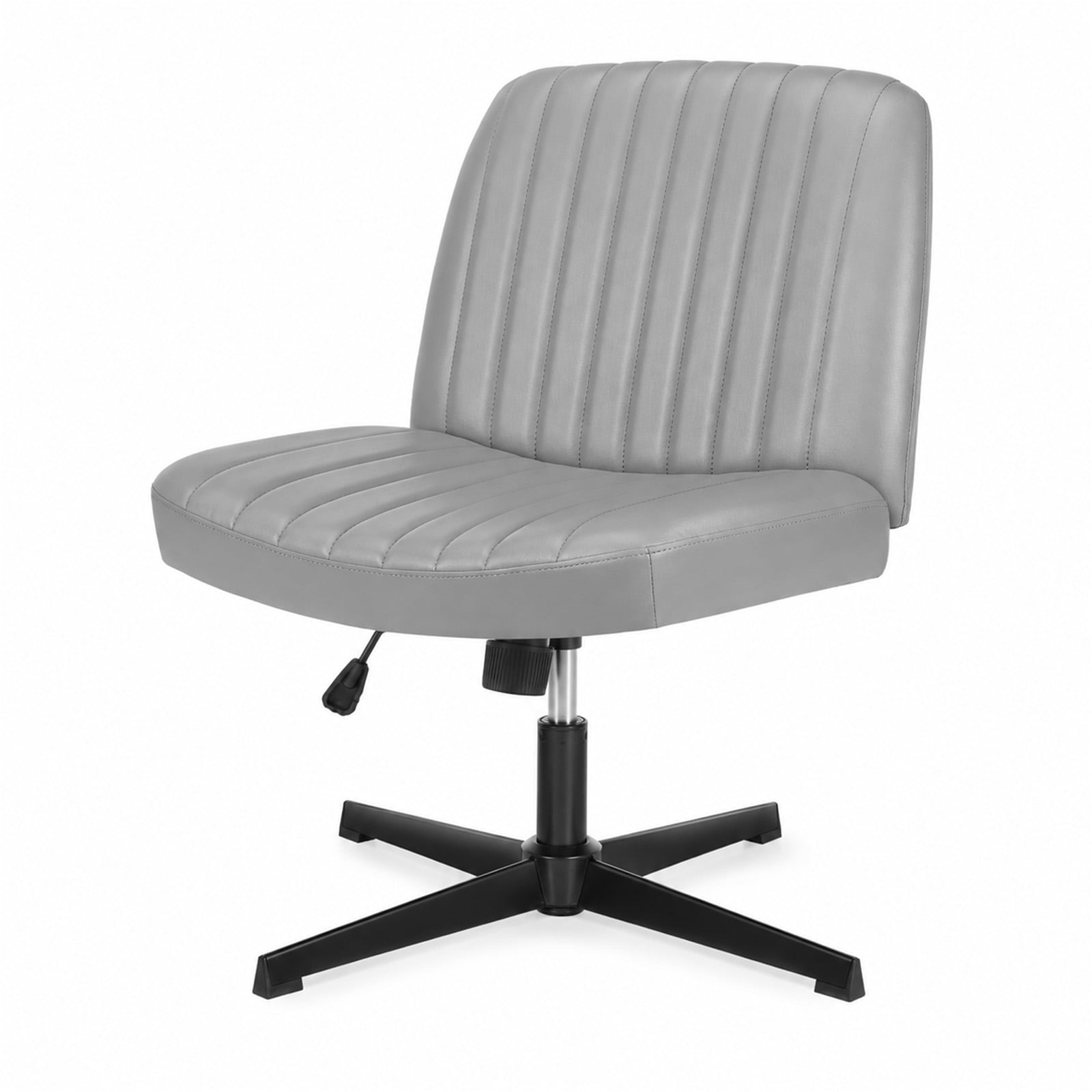
1. Understanding the Criss Cross Office Chair Phenomenon
The modern workforce is redefining comfort. The criss cross office chair (also called a cross-legged office chair or yoga office chair) emerged from the simple observation that humans rarely sit still. We fidget, cross our legs, tuck one foot under, or kneel. Traditional office chairs with rigid edges and fixed seat pans fight this natural instinct. A criss cross chair embraces it.
Unlike conventional seating, these chairs feature a wider, often cushion-contoured seat that allows you to sit in multiple positions without the plastic frame digging into your thighs. It's like having the freedom of a floor cushion, but with the back support and height adjustability of an office chair.
Who Needs a Criss Cross Chair?
- The Creative Professional: Writers, designers, and programmers who spend hours in deep thought and need to shift positions frequently.
- Yoga/Meditation Enthusiasts: Those who want to maintain flexibility while working.
- Individuals with Hip Discomfort: People who find traditional seats put pressure on hips or sciatic nerves.
- Home Office Users: Anyone seeking a cozy, relaxed vibe without sacrificing ergonomics.
Statistic: A study by the American Posture Institute noted that workers who alternated between sitting positions every 20-30 minutes reported a 43% reduction in midday fatigue. Criss cross chairs facilitate this natural movement seamlessly.
2. Key Design Features of a Quality Criss Cross Chair
Not all flexible seating is created equal. When shopping for a criss cross office chair, look for these engineering details:
2.1. The Seat: Width, Depth, and Cushioning
The seat is the star. A true criss cross chair has a seat width of at least 22 inches and a depth of 18-21 inches. This gives your legs room to fold without hanging off the edge. High-density foam or memory foam cushioning prevents numbness during long sits.
2.2. Backrest Ergonomics
Just because the seat is flexible doesn't mean the backrest is an afterthought. The best models have a contoured backrest that supports the lumbar region even when you're sitting cross-legged. Look for adjustable lumbar support or built-in curves that mimic the spine's S-shape.
2.3. Base and Mobility
Most criss cross chairs use a standard 5-star base with smooth-rolling casters. However, because you might sit in unique positions, the chair's center of gravity shifts. A sturdy base with a wide footprint (at least 27 inches in diameter) prevents tipping. For carpeted floors, look for larger wheels; for hardwood, ensure they're non-marking.
- Waterfall Edge: A soft, downward-sloping front edge that doesn't press against the back of your knees when legs are crossed.
- Breathable Fabric: Mesh or breathable upholstery is vital because sitting cross-legged can increase body heat.
- Adjustable Height: Pneumatic lift to match your desk, whether you're sitting traditionally or cross-legged (which may raise your knees slightly).
3. Criss Cross vs. Traditional Office Chairs: A Comparative Look
How does a criss cross chair stack up against a standard executive or task chair? Here's a breakdown.
| Feature | Criss Cross Office Chair | Traditional Office Chair |
|---|---|---|
| Sitting Positions Allowed | Cross-legged, kneeling, one leg up, standard, side-saddle | Primarily standard seated with legs at 90° |
| Seat Edge Comfort | Soft, wide, no hard frame | Often has hard plastic or firm edge that restricts leg crossing |
| Back Support Flexibility | Backrest moves with you, often with recline | Fixed or limited recline, designed for one posture |
| Best For | Long, creative sessions; home offices; flexible workers | Structured meetings; formal corporate settings; task work |
| Typical Weight Capacity | 250-400 lbs (depending on model) | 200-300 lbs for standard; up to 500 for big & tall |
4. Health Benefits: Why Your Body Loves to Sit Cross-Legged
Sitting cross-legged isn't just comfortable—it can be beneficial when done correctly.
🦵 Hip Mobility
Cross-legged sitting gently stretches the hip external rotators and glutes, counteracting the tightness from prolonged sitting in a chair.
🧘 Postural Variety
Changing positions redistributes pressure on spinal discs. A 2019 study in the Journal of Ergonomics found that dynamic sitting reduces disc compression by up to 26%.
🩸 Circulation
Alternating leg positions encourages blood flow. However, avoid sitting on one leg for too long—a good criss cross chair prompts you to shift naturally.
🧠 Focus & Comfort
When you're comfortable, you're less distracted. 78% of remote workers in a 2023 survey said flexible seating improved their concentration.
5. How to Choose the Right Criss Cross Chair for Your Body
Follow this simple guide to find your perfect match:
- Measure your seat depth preference: Sit on a flat surface with your legs crossed. Measure from the back of your knee to the back of your buttocks. Add 2-3 inches for comfort. This is your ideal seat depth.
- Check the width: Ensure the seat pan is at least 22 inches wide so your legs don't hang over the edge when crossed.
- Backrest height: Decide if you want a high-back (supports shoulders) or mid-back (freedom to move). High-back is great for lounging; mid-back for active work.
- Material matters: If you tend to get warm, choose breathable mesh or a moisture-wicking fabric. Leather-look may be easier to clean but can be less breathable.
- Test the recline: A slight recline helps relax the spine when sitting cross-legged. Look for a tilt mechanism with adjustable tension.
Expert Tip: If you're between sizes, size up. A slightly larger seat gives you more room to experiment with positions.
6. Frequently Asked Questions About Criss Cross Office Chairs
7. Conclusion: Is a Criss Cross Chair Right for You?
The criss cross office chair represents a shift toward human-centric office design. It acknowledges that bodies are not meant to be static. If you value comfort, flexibility, and a relaxed yet productive work style, this chair type is worth serious consideration. It's not a replacement for standing desks or regular movement, but it's a powerful tool to make your seated hours more enjoyable and less damaging.
Remember to prioritize seat width, cushion quality, and lumbar support. Check the product listings above for current top-rated criss cross chairs—each is loaded via our Walmart API to ensure accurate, real-time pricing and availability. Happy (flexible) sitting!