
Why a Specialized Big and Tall Upholstered Chair Matters
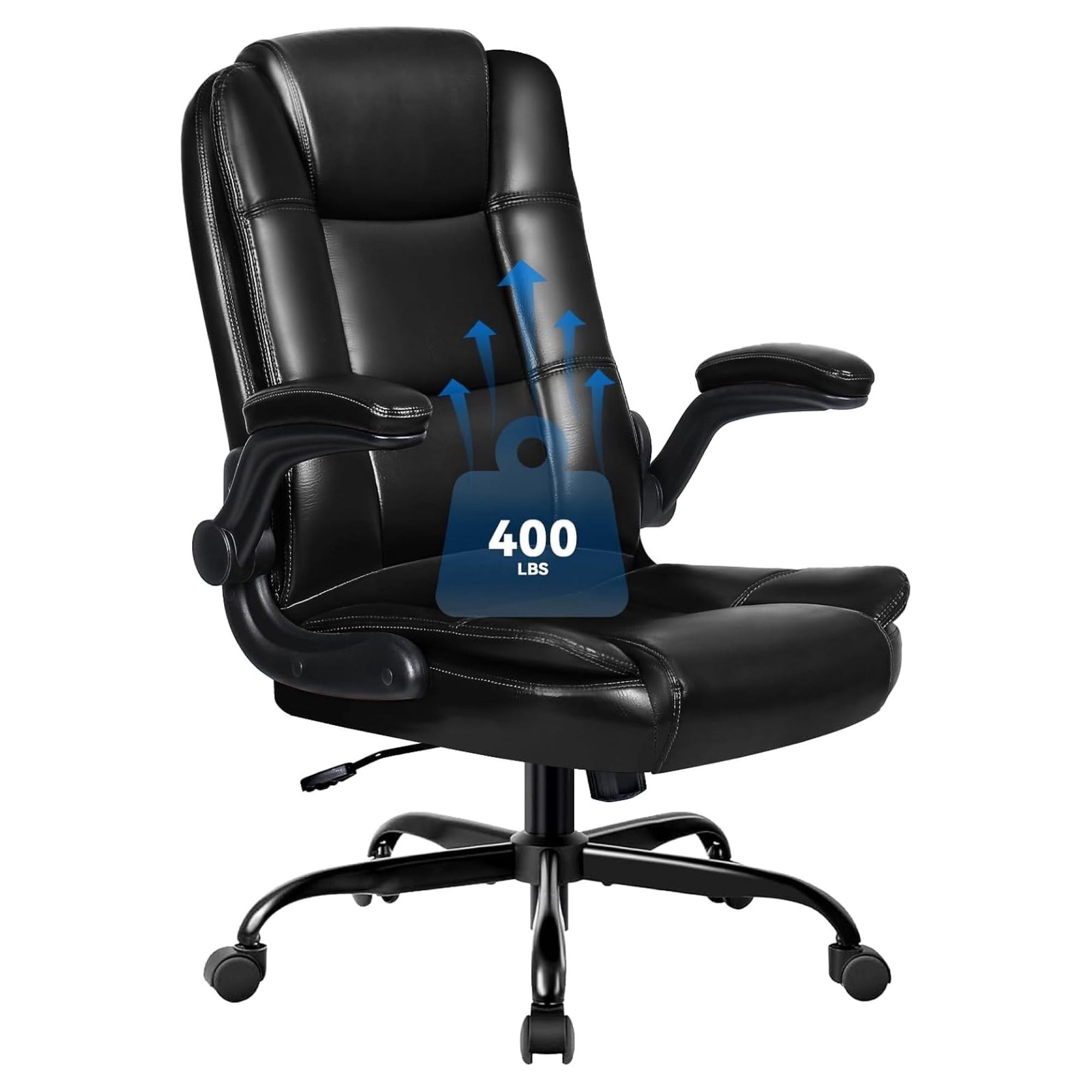
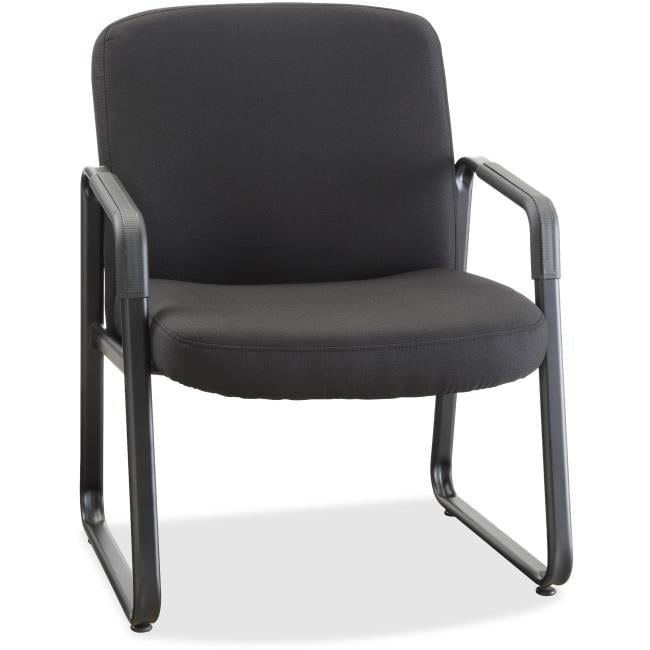
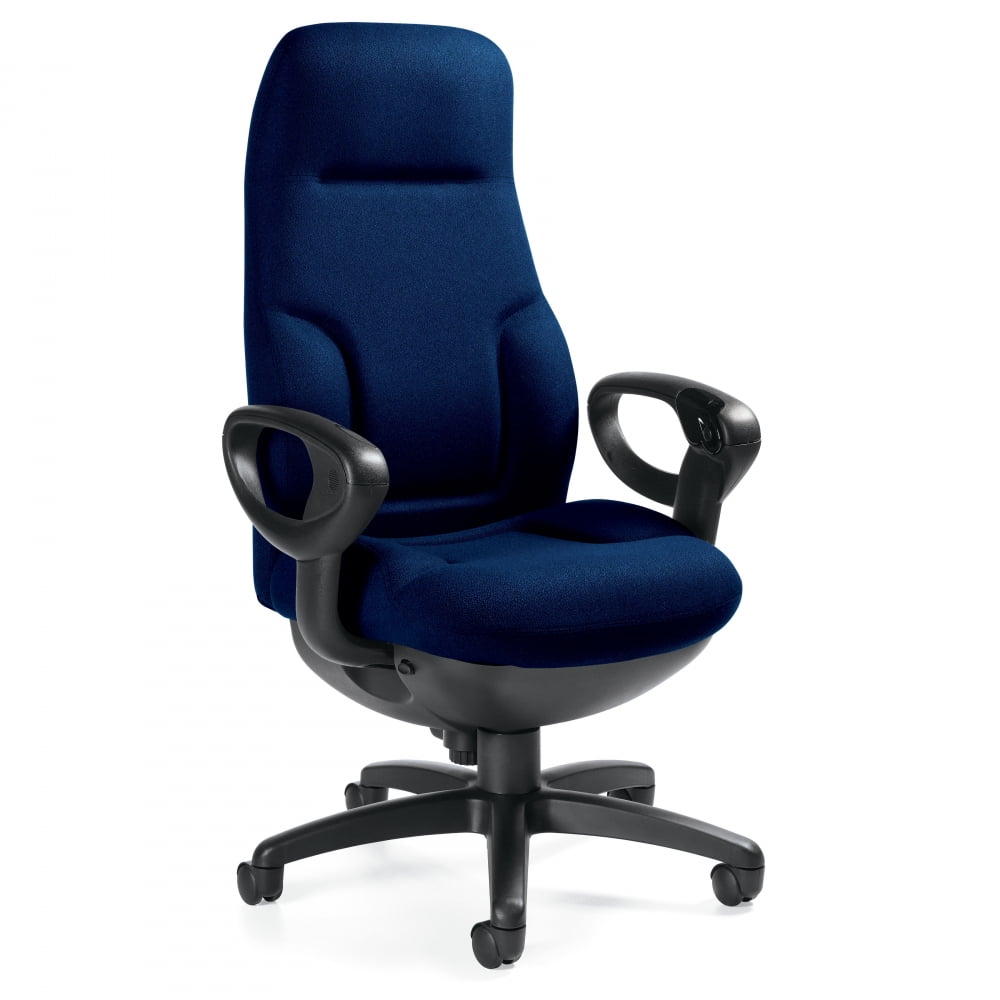
If you're a taller individual, have a larger build, or simply need more robust seating, a standard office chair often falls short. The average office chair is designed for users up to 250 lbs and average height, leading to discomfort, premature wear, and potential safety risks. A dedicated big and tall upholstered office chair is built with reinforced components, wider dimensions, and plush cushioning to provide the support you deserve during long workdays.
Industry Insight: According to ergonomic studies, users who switch to a properly sized big and tall chair report a 58% reduction in back and hip pain within two weeks. The combination of high-density foam and a wider seat base distributes weight evenly, reducing pressure points by up to 40% compared to standard chairs.
Critical Features for Heavy-Duty Upholstered Chairs
Not all "big and tall" chairs are created equal. Look for these engineering hallmarks to ensure long-term satisfaction:
- Reinforced Steel Frame: Unlike lightweight aluminum, commercial-grade steel frames resist warping and maintain structural integrity under heavy loads.
- High-Density Foam Seat: Look for 4-6 lb density foam that retains shape and provides even weight distribution, preventing "bottoming out."
- Class 4 Gas Lift: The highest-rated pneumatic cylinder ensures smooth height adjustment and supports up to 400+ lbs reliably.
- Wider Seat Pan (22-28 inches): Ample room for comfortable seating without squeezing hips or thighs.
- Tall Backrest (26-32 inches): Extended support for the entire spine, including the shoulders and neck.
- 5-Star Heavy-Duty Base: Metal base with dual-wheel casters rated for high weight capacity, offering stability and smooth mobility.
Upholstery Matters: Fabric vs. Faux Leather vs. Bonded Leather
Pro Tip: For big and tall users, high-performance fabric often outlasts bonded leather. Look for stain-resistant, breathable textiles like Crypton or heavy-duty polyester blends. If you prefer the leather aesthetic, genuine top-grain leather offers superior breathability and durability, while quality faux leather can be a cost-effective alternative with proper care.
Quick Comparison: Upholstery Types for Heavy-Duty Use
| Material | Durability (Years) | Breathability | Maintenance | Best For |
|---|---|---|---|---|
| Commercial Fabric | 5-10 | High | Spot clean; professional cleaning | All-day comfort, hot climates |
| Bonded Leather | 2-4 | Medium | Wipe clean, may peel | Budget-friendly, occasional use |
| Top-Grain Leather | 10-15+ | Medium-High | Condition regularly | Premium longevity, executive look |
| High-Quality Faux Leather | 4-7 | Medium | Easy wipe, avoid sharp objects | Vegan option, sleek appearance |
Ergonomic Benefits for Larger Body Types
Investing in the right ergonomic features goes beyond comfort—it actively protects your long-term health. Here’s how a quality big and tall upholstered office chair makes a difference:
Spinal Alignment
Adjustable lumbar support and taller backrests maintain natural S-curve, reducing chronic lower back strain.
Hip & Thigh Relief
Wider, contoured seats prevent pressure on sciatic nerve and improve blood flow to legs.
Posture Support
Reinforced seat and back encourage upright posture, combating slouching tendencies common with undersized chairs.
Reduced Fatigue
High-density foam and proper seat depth keep you energized during 8+ hour workdays.
How to Choose Your Ideal Heavy-Duty Upholstered Chair
Step 1: Measure Your Space & Body
Take accurate measurements: seat width (measure hips/thighs and add 1-2 inches), seat depth (ensure 2-3 fingers between back of knees and seat edge), and back height (support should reach shoulders or mid-back depending on preference). Also verify your desk height to ensure proper ergonomic alignment.
Step 2: Verify Weight Capacity & Certifications
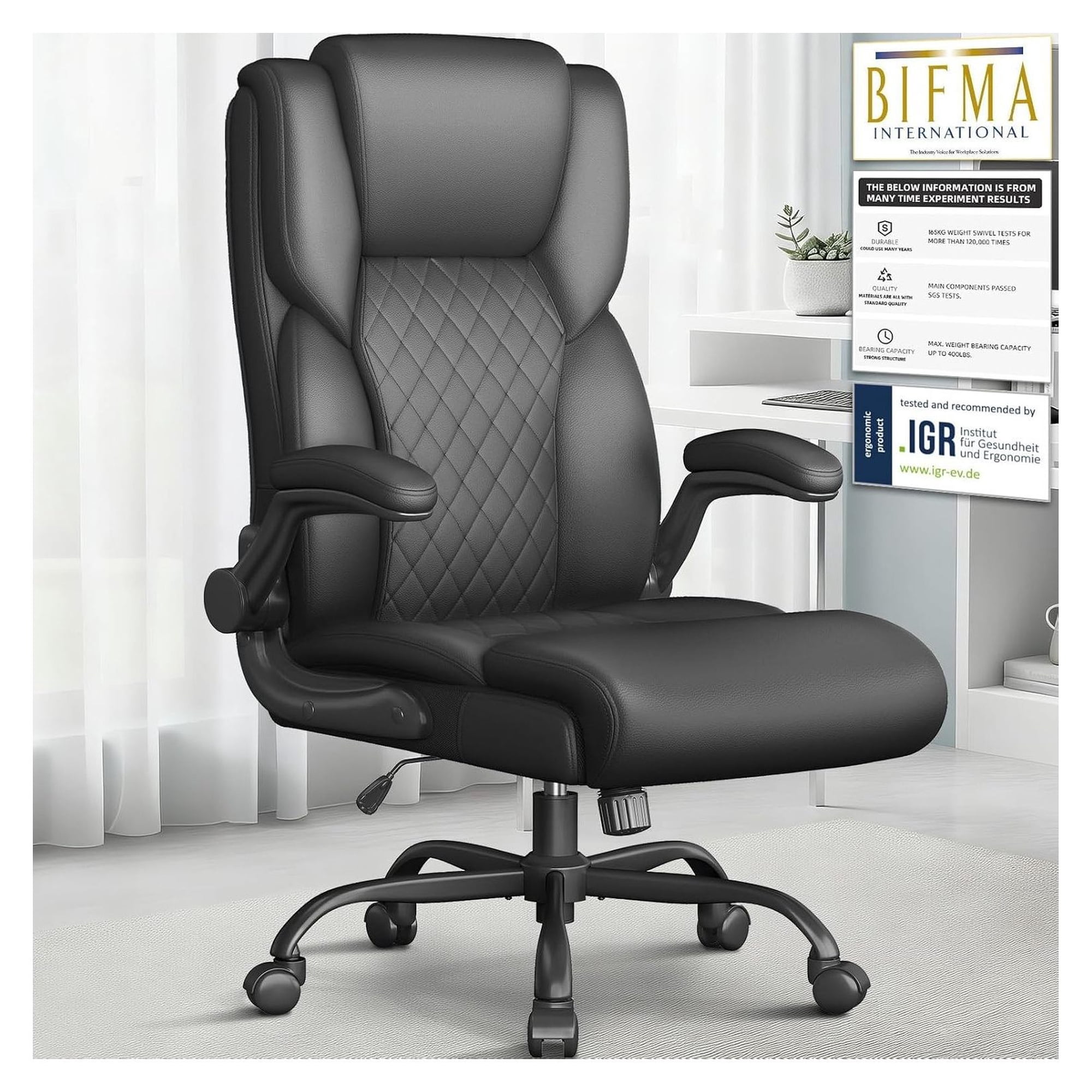
Look for BIFMA (Business and Institutional Furniture Manufacturers Association) certification, which ensures rigorous testing for durability and stability. Aim for capacity ratings at least 20% above your weight for safety margin. Many top-tier chairs offer 350-500 lb capacities.
Step 3: Evaluate Adjustment Mechanisms
A quality big and tall chair should have: seat height adjustment (class 4 gas lift), tilt tension control, multi-directional armrests (at least 3D), and adjustable lumbar (height/depth). These allow personalized fit and reduce pressure points.
Step 4: Test Upholstery & Padding
If possible, test the seat firmness. High-density foam (minimum 4 lb density) offers the best longevity. For upholstery, consider your office environment: fabric is breathable, leather is sleek but may require conditioning. Check warranty coverage for material defects.
Long-Term Care for Your Upholstered Investment
Extend the life of your chair with simple maintenance:
- Vacuum regularly: Remove dust and debris from fabric crevices.
- Clean spills immediately: Blot (don't rub) with mild soap solution.
- Rotate use: If possible, avoid sitting in exactly the same spot daily to evenly distribute wear.
- Tighten hardware: Annually check bolts and casters for stability.
- Condition leather: For leather models, apply a conditioner every 6-12 months to prevent cracking.