
Why "Basic" Doesn't Mean "Boring" in Office Seating
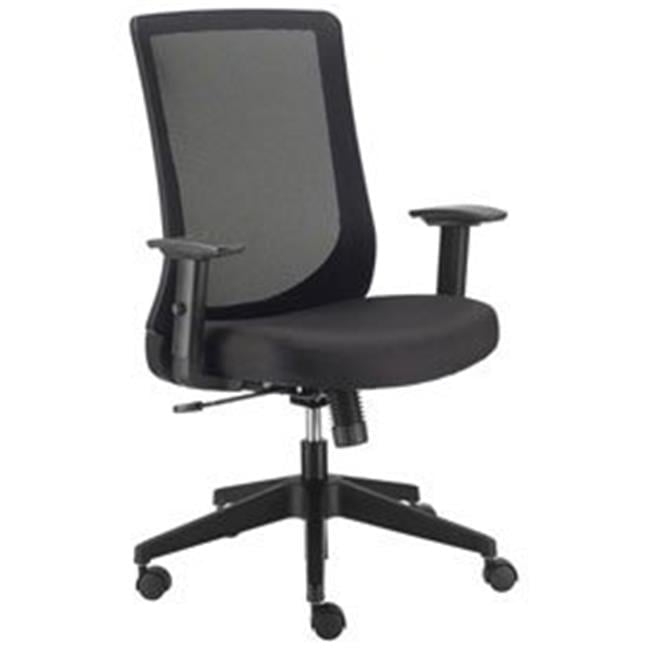
When you hear the term basic office chair, you might picture something plain or uncomfortable—but that's often a misconception. In reality, a well-designed basic office chair is like a reliable pair of jeans: it fits well, lasts long, and works for almost every situation. These chairs strip away the frills (like built-in massagers or premium leather) to focus on what truly matters: comfort, support, and durability at an accessible price point.
According to a 2023 report by the Global Workplace Analytics, 58% of the U.S. workforce now works remotely at least part-time. This shift has skyrocketed the demand for functional home office furniture. Many people don't need a high-backed executive throne or a mesh wonder with 15 adjustment points; they simply need a sturdy, comfortable chair that helps them get through their tasks without back pain. That's where the humble "basic office chair" shines.
Did you know? A survey by OnePoll found that the average person spends over 13 hours a day sitting. Having a chair that supports your posture—even a basic one—can reduce fatigue and improve focus by up to 20% compared to using a kitchen or dining chair.
What Defines a Great Basic Office Chair?
Unlike specialized chairs (like big & tall or executive models), basic office chairs are designed for versatility. They are the "everyman" of seating. Here are the core elements that separate a good basic chair from a bad one:
• Seat Comfort: The Foundation
A basic chair's seat should have high-density foam that doesn't flatten out after a few months. Look for a seat depth (the distance from back to front) that leaves about 2-3 inches between the back of your knees and the seat edge. This prevents pressure on your legs and promotes good circulation. Many modern basic chairs now feature contoured "waterfall" edges—a design borrowed from high-end ergonomic chairs—to reduce thigh strain.
• Back Support: Simple but Effective
While a basic chair may not have a complex, adjustable lumbar system, it should still provide natural lumbar support. This often comes from the shape of the backrest itself. Some models include a padded lumbar pillow, which is a simple but effective way to support the lower back. For long hours, consider a chair with a medium-height back that supports the entire back without restricting shoulder movement.
• Material Matters: Fabric vs. Mesh vs. PU Leather
In the basic category, you'll typically encounter three materials:
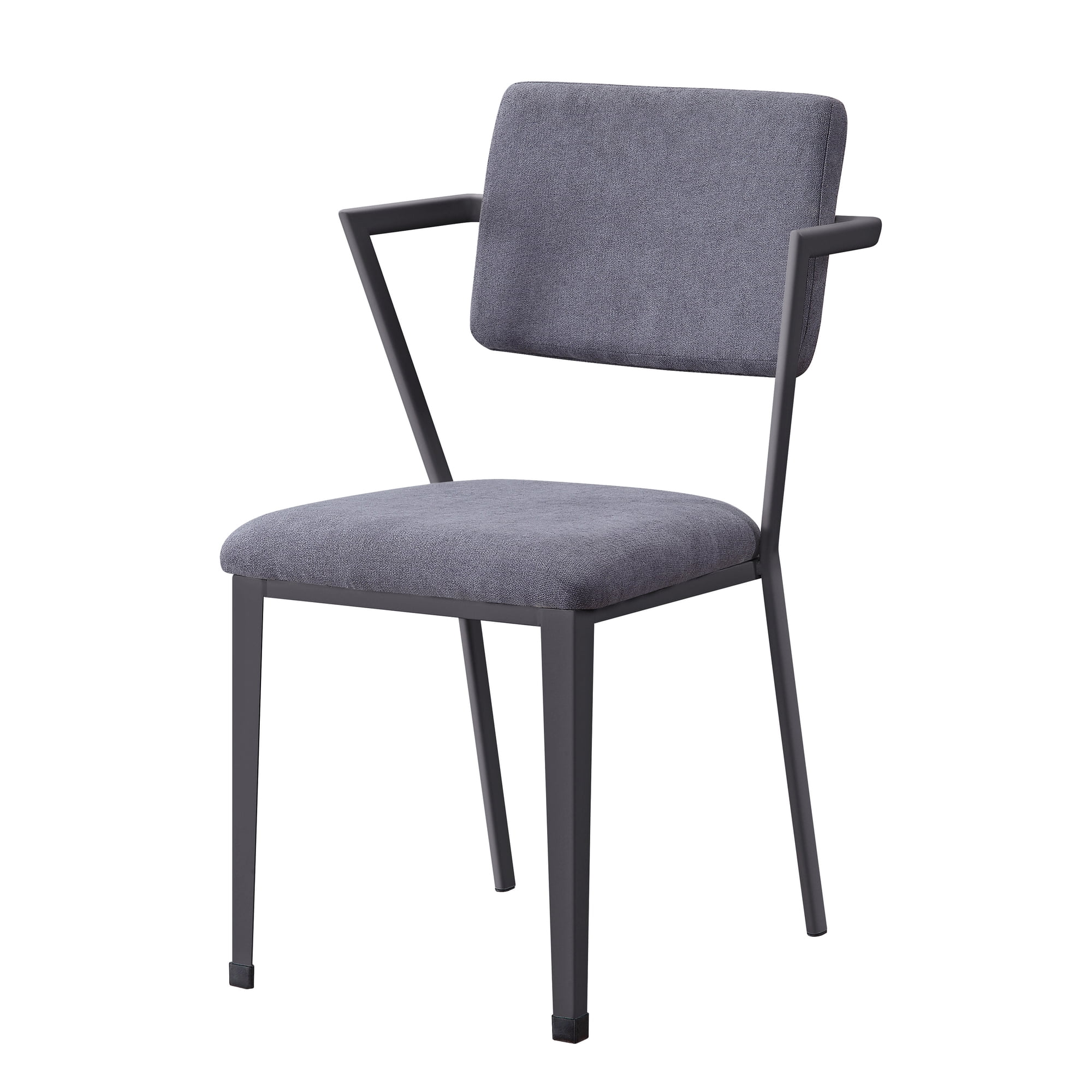
- Fabric: Breathable, cozy, and available in many colors. It's the most common and often the most durable in budget chairs. However, it can stain if spills aren't cleaned quickly.
- Mesh: Excellent for airflow. A basic mesh chair is a lifesaver in warm climates or for those who tend to get hot. The mesh should be taut but not stiff.
- PU (Polyurethane) Leather: Looks like leather and is easy to wipe clean. However, budget PU leather can crack or peel over time, especially in hot or dry environments. It's fine for light use but may not last as long as fabric.
• Mobility and Stability: The Base
Even a basic chair needs a sturdy base. Look for a five-point base (almost all have this) made of nylon or metal. Nylon is lightweight and strong enough for standard use. The casters (wheels) should roll smoothly on your floor type. Many basic chairs now come with dual-wheel casters, which distribute weight better and roll more easily than single wheels.
4 Unexpected Benefits of Choosing a Basic Chair
1. Lighter Weight
Easy to move around the room or take to another desk—perfect for dynamic workspaces.
2. Easier Assembly
Fewer parts mean you can usually put it together in under 20 minutes.
3. Space-Saving
Slim profiles fit neatly under smaller desks or in compact home offices.
4. Guest-Friendly
Their neutral look makes them perfect for a second chair in a home office without clashing with decor.
How to Choose the Right Basic Office Chair: A 4-Step Checklist
Use this straightforward guide to match a chair to your needs. Think of it as your personal shopping assistant.
Basic Office Chair vs. Other Types: A Quick Reality Check
It's easy to get overwhelmed by the variety of office chairs. Here's how a basic chair stacks up against its more specialized cousins:
| Chair Type | Best For | Typical Price | Key Trade-Off |
|---|---|---|---|
| Basic / Task | Everyday work, home offices, guest seating | $80 – $250 | Fewer adjustments, but great value |
| Ergonomic / High-End | People with specific back pain, 10+ hour days | $400 – $1,500+ | Superior adjustability, high cost |
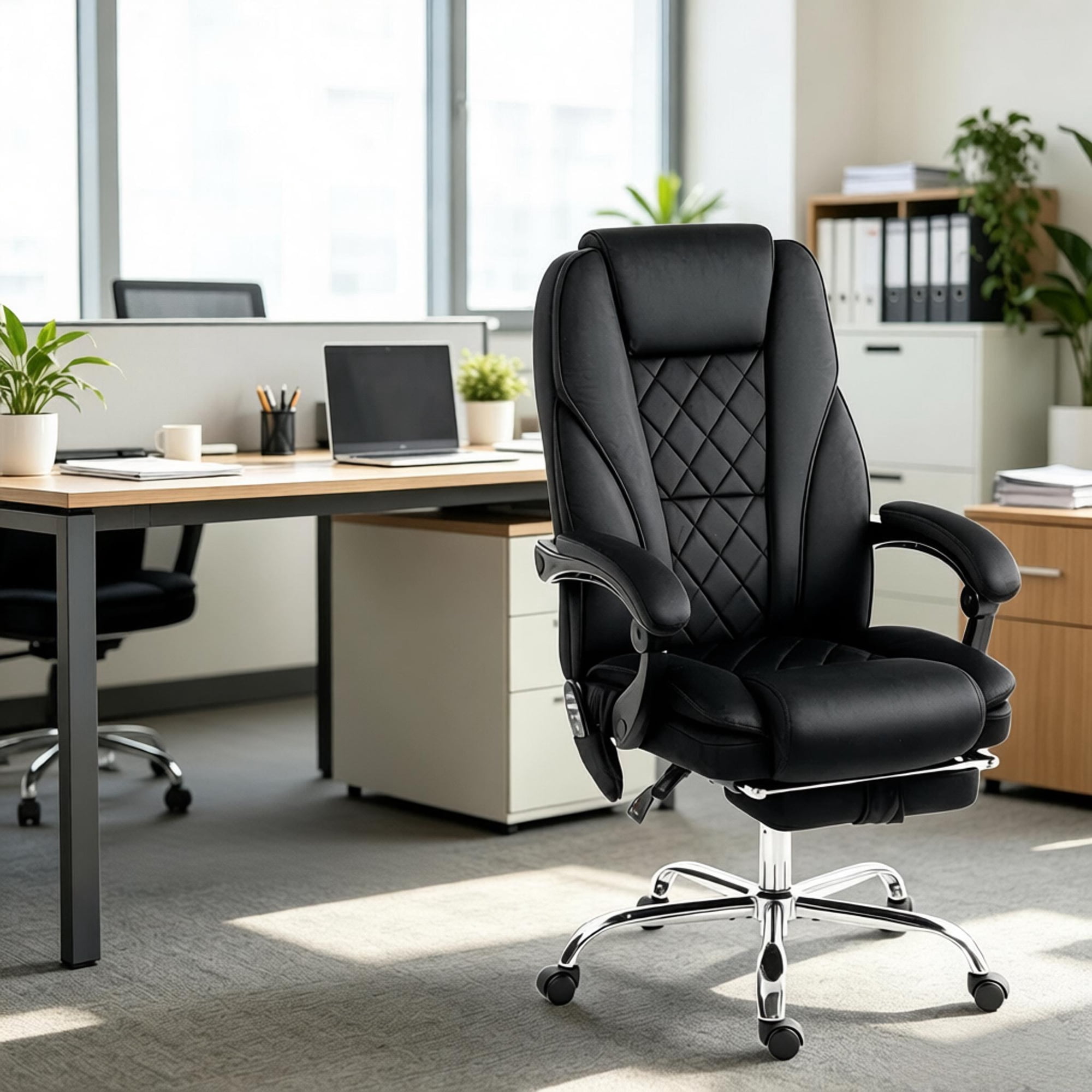
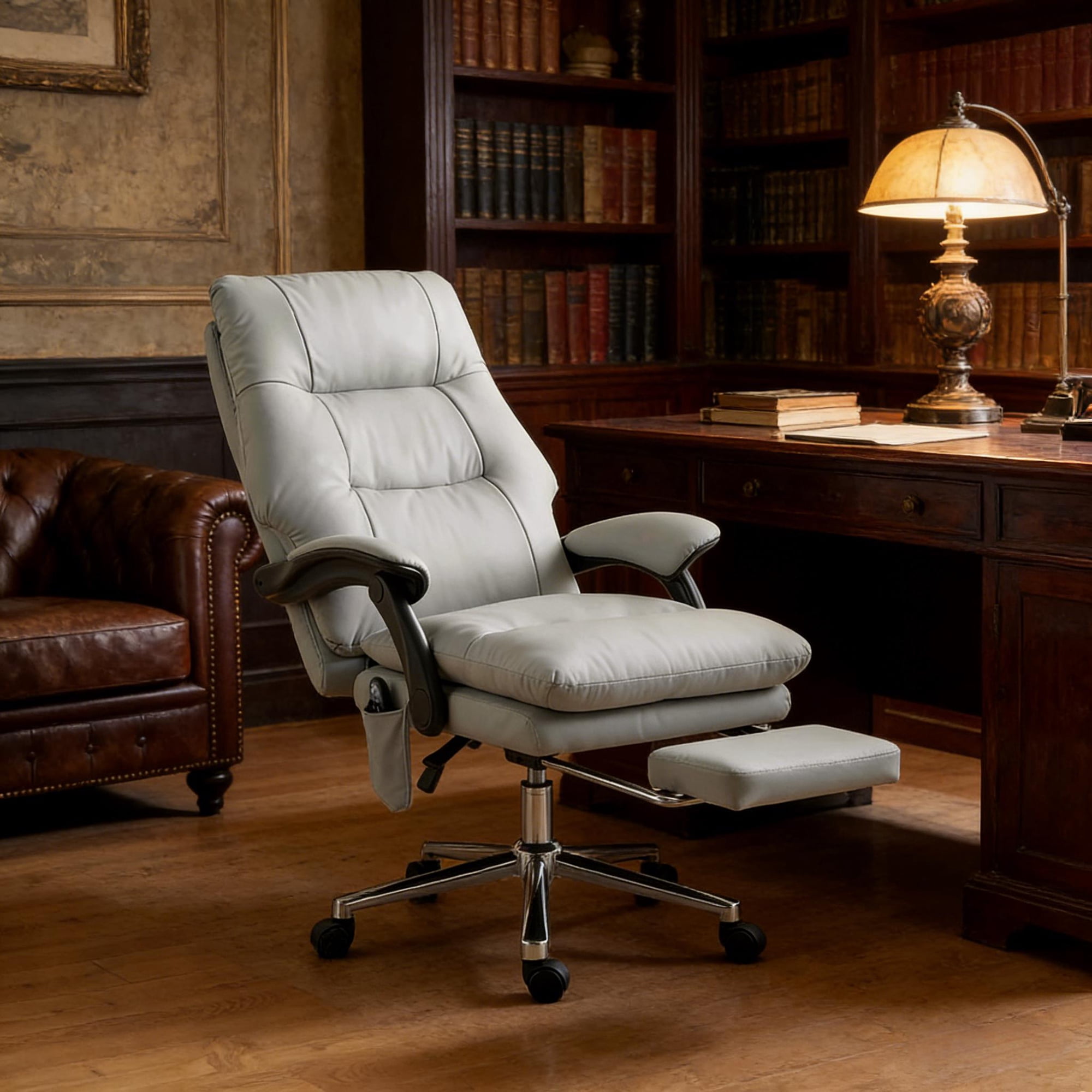
| Executive / Leather | Managers, client-facing offices | $500 – $2,000+ | Looks impressive, but can be less breathable |
| Gaming Chair | Gamers who want a specific aesthetic | $150 – $600 | Often less ergonomic than claimed, bulky |
As you can see, a basic office chair hits the sweet spot for most people who need a reliable, comfortable seat without the bells and whistles. It's the smart, practical choice.
Frequently Asked Questions About Basic Office Chairs
Final Verdict: Is a Basic Office Chair Right for You?
If you're looking for a straightforward, comfortable, and budget-friendly seating solution, a basic office chair is likely your best bet. It's the sensible choice for home workers, students, and office managers furnishing multiple workstations. While it may lack the prestige of a leather executive chair or the complex adjustments of a $1,000 ergonomic model, it excels at its core mission: providing a stable, comfortable place to sit while you work.
Remember, the best chair is the one that fits you and your workspace. Use the checklist above, consider your daily habits, and choose a chair from a reputable brand. Your back—and your wallet—will thank you.