
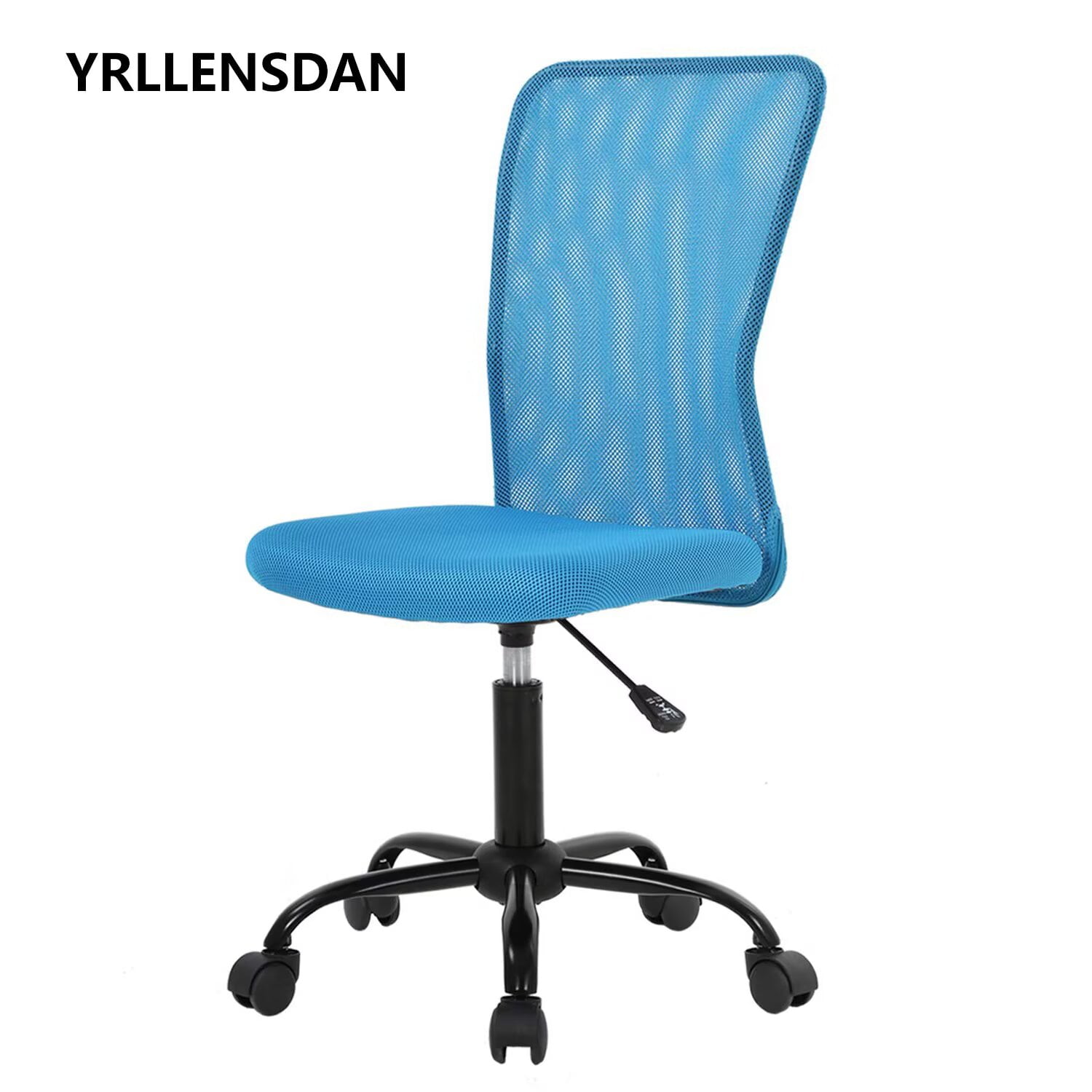
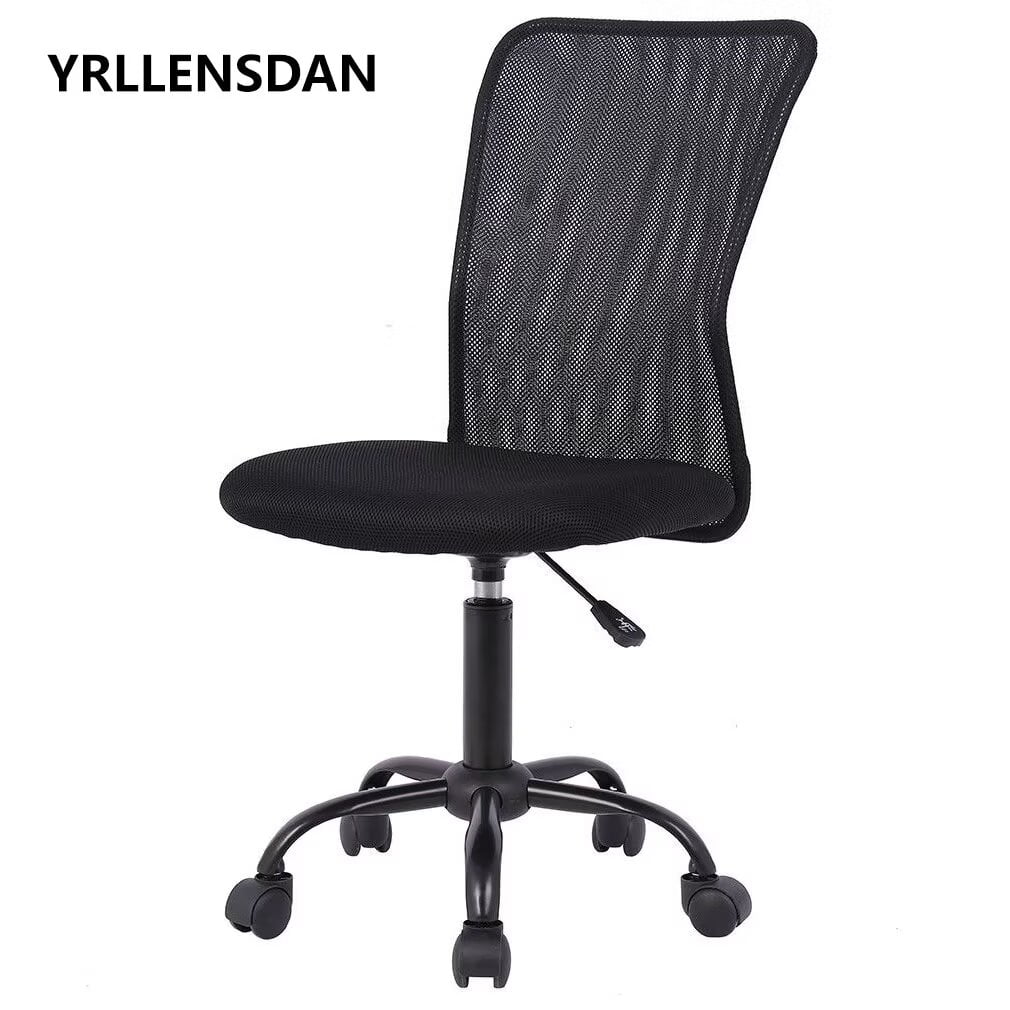
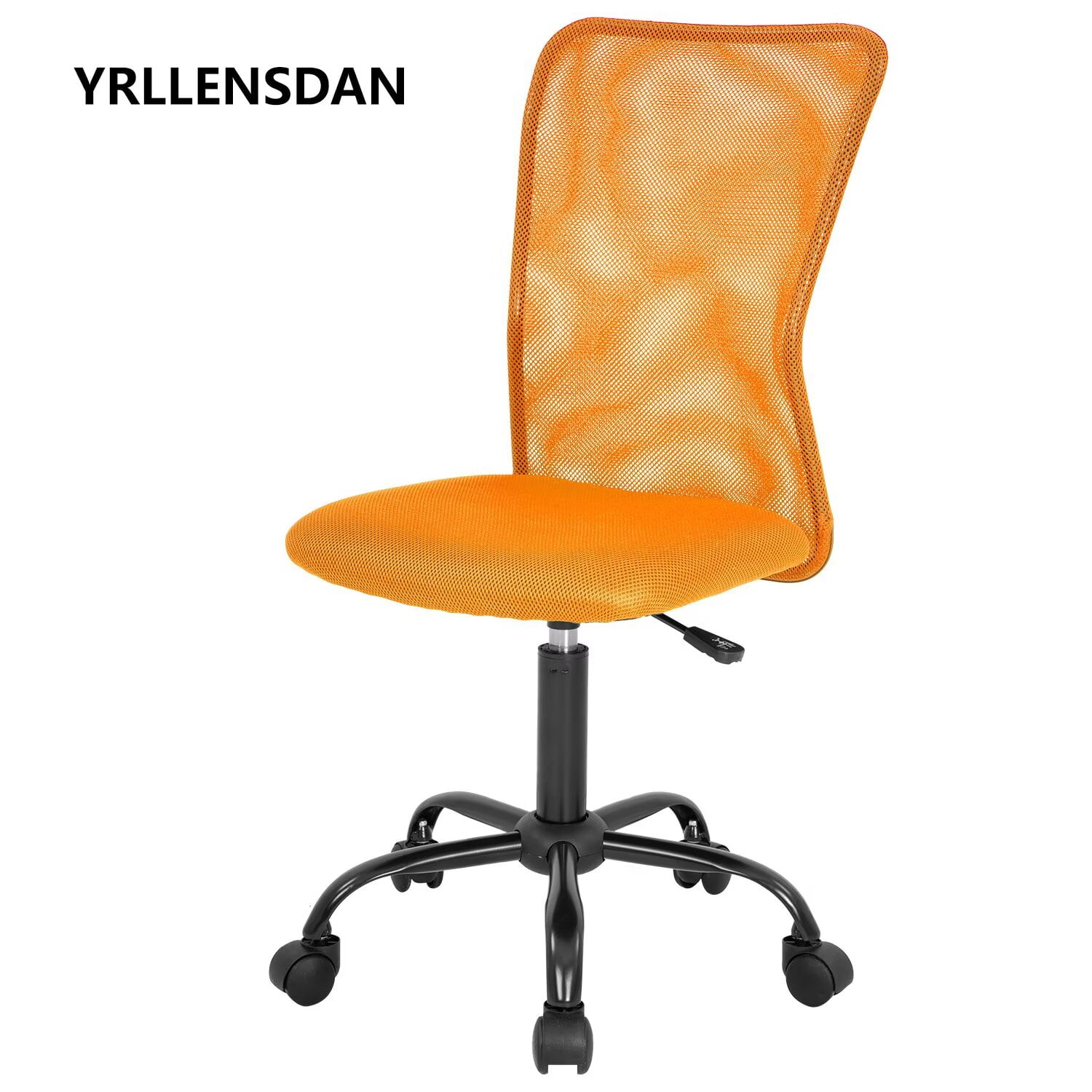
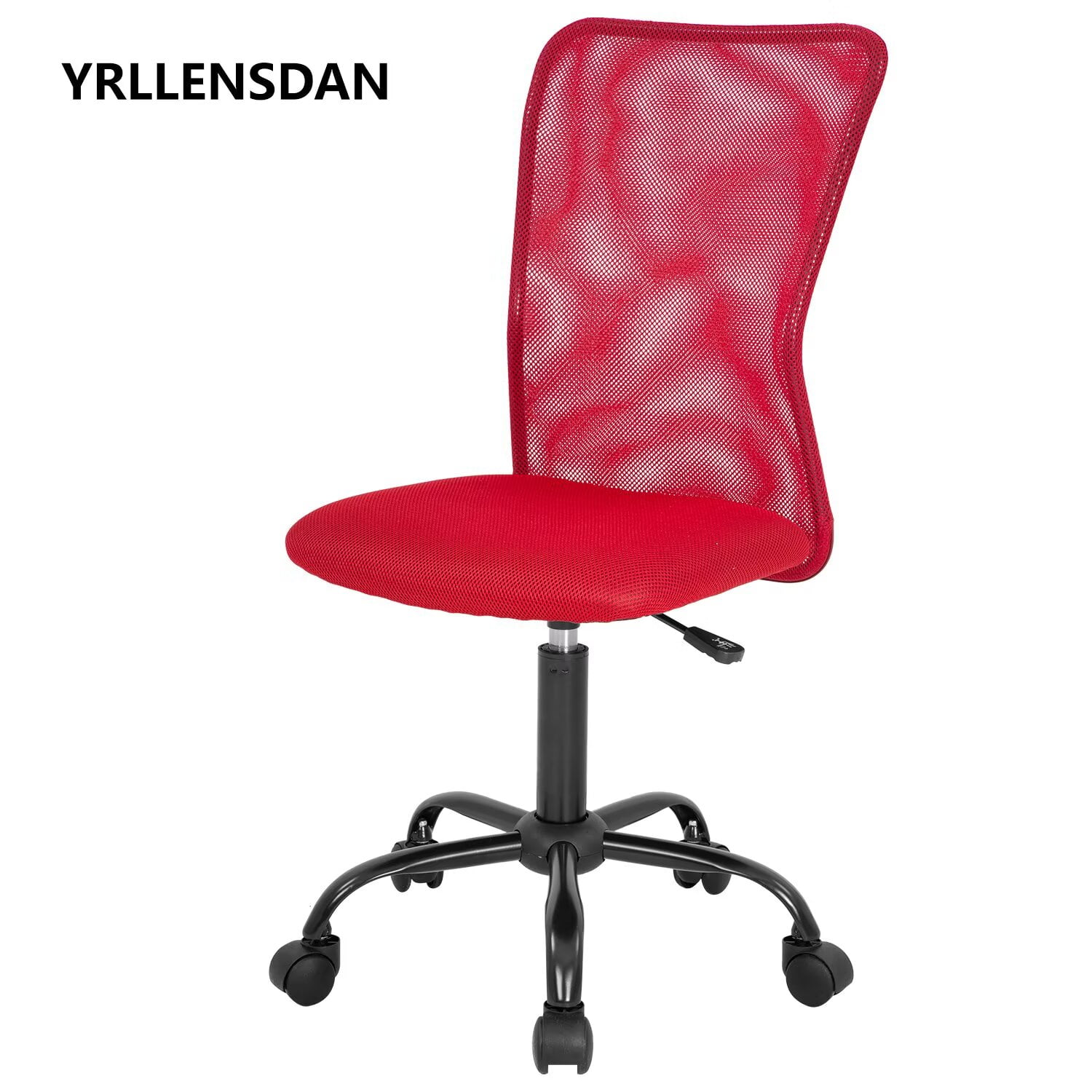
Why Choose a Small Office Chair with Adjustable Arms?
In today's dynamic work environments, space is often at a premium. Whether you're setting up a home office in a cozy corner or outfitting a modern startup, a small office chair with adjustable arms offers the perfect blend of functionality and space efficiency. These chairs are not just scaled-down versions of standard office seating; they are meticulously designed to provide full ergonomic support while occupying minimal floor space.
Did You Know? According to a survey by the International Facility Management Association, 62% of employees prefer chairs with adjustable features to improve comfort and productivity. A small chair with adjustable arms ensures that even in a compact setting, you can achieve a personalized, healthy sitting posture.
Key Benefits of Adjustable Arms in Small Chairs
Adjustable armrests are a game-changer for small office chairs. Here’s why they are an essential feature for any modern workspace:
- Enhanced Ergonomic Support: Adjustable arms allow you to position your elbows and forearms comfortably, reducing strain on your shoulders and neck. This is crucial for preventing neck and shoulder pain during long work hours.
- Improved Posture: By customizing the arm height and width, you can maintain a neutral posture, which aligns your spine correctly and reduces the risk of developing back problems.
- Space-Saving Design: Many small chairs feature arms that can be flipped up or moved inwards, allowing you to tuck the chair completely under your desk when not in use, maximizing your workspace.
- Versatility: Whether you are typing, writing, or just relaxing, adjustable arms let you adapt the chair to your activity, making it a multi-purpose tool for your office.
Choosing the Right Small Office Chair
Selecting the perfect small office chair involves more than just measuring your space. Here are the critical factors to consider to ensure you get the best chair for your needs:
| Feature | Why It Matters | What to Look For |
|---|---|---|
| Seat Dimensions | Determines if the chair fits your body and your workspace | Seat width (17-20 inches), seat depth (16-18 inches) |
| Arm Adjustment Range | Ensures proper ergonomic alignment and comfort | 3D or 4D adjustability (height, width, depth, angle) |
| Material and Build | Affects durability, comfort, and style | Breathable mesh, durable nylon, or premium leather |
| Weight Capacity | Indicates the chair's durability and safety | Minimum 250 lbs for standard use |
| Mobility and Casters | Affects movement and floor protection | Smooth-rolling casters suitable for your floor type |
Health and Productivity Benefits
Investing in a quality small office chair with adjustable arms is an investment in your health and productivity. Here are some of the key benefits you can expect:
Reduced Musculoskeletal Issues
Proper arm support helps prevent repetitive strain injuries (RSI) and carpal tunnel syndrome.
Increased Focus
When you are comfortable and free from pain, you can concentrate better on your tasks.
Better Circulation
Adjustable height and seat depth can improve blood flow, keeping you energized throughout the day.
Long-Term Wellbeing
An ergonomic chair supports a healthy spine and can prevent chronic back pain later in life.
Understanding Adjustable Arm Mechanisms
Not all adjustable arms are created equal. Understanding the different mechanisms can help you choose a chair that perfectly fits your daily routine. Think of adjustable arms like the suspension system of a car; they need to be tuned to your specific weight and movement for the smoothest ride.
Types of Arm Adjustments
- Height Adjustment: This is the most common feature, allowing you to raise or lower the arms to match your desk height. This ensures your elbows rest at a 90-degree angle, reducing shoulder tension.
- Width Adjustment: This allows you to move the arms inward or outward to accommodate your body width. It is particularly useful for people who are broader or more petite.
- Depth Adjustment: This lets you slide the arm pads forward or backward, ensuring they support your forearms while you type.
- Pivot or Angle Adjustment: Found in more premium chairs, this allows the arm pad to angle in or out, which can be a relief for people with wrist or elbow issues.
Pro Tip: If you are on a budget, even a chair with 2D adjustment (height and width) can provide significant ergonomic benefits. However, if you have specific ergonomic needs or spend over 8 hours a day at your desk, investing in a chair with 3D or 4D adjustability is highly recommended.
Materials and Longevity: Building for the Future
A chair is a long-term investment. The materials used in its construction determine not only its initial comfort but also its durability and how it looks years down the line. A small office chair with adjustable arms should be built to last, especially if you plan on using it daily.
| Material | Benefits | Considerations |
|---|---|---|
| Mesh Backrest | Breathable, prevents sweating, lightweight, modern aesthetic | May not provide as much lumbar support as padded chairs |
| High-Density Foam Seat | Excellent support, retains shape, comfortable for long hours | Can be firm for some users; look for "memory foam" for extra softness |
| Nylon Frame | Lightweight, durable, affordable, resistant to rust | May not feel as premium as metal; lower weight capacities |
| Metal Frame | Extremely durable, high weight capacity, premium feel | Heavier, can be more expensive, prone to scratches |
| Leather/Faux Leather | Professional appearance, easy to clean, comfortable | Faux leather can peel; real leather is expensive and requires maintenance |
Step-by-Step Guide to Finding the Perfect Fit
Finding the perfect small office chair can feel overwhelming, but it doesn't have to be. By following this simple guide, you can navigate the options and find the chair that fits your body and workspace like a glove.
Step 1: Measure Your Space
- Desk Height: Measure the height of your desk from the floor. This will determine the required height range of the chair.
- Under-Desk Clearance: Measure the height and width of the space under your desk to ensure the chair can fit when pushed in.
- Room Layout: Consider other furniture and walls to determine the maximum width the chair can have.
Step 2: Assess Your Body
- Height and Weight: Check the chair's weight capacity and ensure the seat height range accommodates your height.
- Torso Length: The backrest should support your entire back; some chairs have adjustable backrests.
- Personal Comfort: What is your preferred sitting posture? This will guide your choice of armrest type and lumbar support.
Step 3: Determine Your Must-Have Features
- Arm Adjustment: Decide on the level of adjustability you need (e.g., height-only vs. 4D).
- Lumbar Support: Is a built-in lumbar support a necessity, or can you use a separate cushion?
- Swivel and Casters: Do you need 360-degree swivel and smooth-rolling casters?
Step 4: Set a Budget
- Entry-Level: $100 - $250 (Basic ergonomics, essential adjustments)
- Mid-Range: $250 - $500 (Better materials, more adjustment options)
- Premium: $500+ (High-end materials, full adjustability, long warranties)
Frequently Asked Questions About Small Office Chairs with Adjustable Arms
Conclusion & Final Recommendations
Choosing the right small office chair with adjustable arms can transform your workspace and your workday. It's a decision that directly impacts your physical health, productivity, and overall satisfaction. By considering the factors we've outlined—from dimensions and materials to arm adjustment mechanisms and budget—you can make an informed choice that benefits you for years to come.
Quick Summary
Remember, the best chair is one that fits you and your environment perfectly. We hope this guide has been helpful in your search for the perfect small office chair with adjustable arms. Happy sitting!